Prime Eyesight Hospital Near Me Golpark-Gariahat,Kolkata 700029

|

Prime Eyesight Hospital Near Me Baguihati, Vip Road, Kolkata 700059

Best Eye Care Kolkata West Bengal All cashless eye surgery facilities available Top Eye Hospital In Kolkata
Best Eye Care Kolkata

What are the Best Tips to Take Care of Your Eyes?

Hello Readers!

Welcome to the blog page of Pushpanjali Eye Care one of the best eye hospitals in Kolkata. In this blog we will share with you some of the best tips to keep your eye healthy. 

Your eyes are one of the most critical organs in your body, allowing you to experience the world around you in vibrant color and detail. Taking good care of your eyes is essential for maintaining your overall health and well-being. At Pushpanjali Eye Care, the best eye hospital in Kolkata, we are dedicated to providing top-notch eye care and sharing valuable tips to help you protect your vision. Here are some of the best tips to take care of your eyes:

Regular Eye Examinations
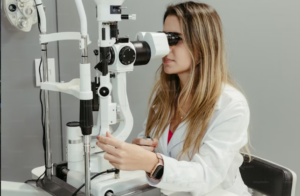
best eye hospital in Kolkata, eye hospital in Kolkata

One of the most important steps you can take to ensure the health of your eyes is to schedule regular eye examinations. These exams help detect any potential issues early on, allowing for prompt treatment. Adults should have their eyes checked every two years, but more frequent exams may be necessary if you have underlying health conditions, wear glasses or contact lenses, or have a family history of eye diseases. At Pushpanjali Eye Care, an esteemed eye hospital in Kolkata, our skilled ophthalmologists use state-of-the-art technology to provide comprehensive eye exams tailored to your needs.

Maintain a Healthy Diet

  • Role in Eye Health: A nutrient-rich diet is essential for maintaining and protecting your vision.
  • Omega-3 Fatty Acids:
    • Sources: Salmon, flaxseeds.
    • Benefits: Support overall eye health and can help prevent dry eyes.
  • Leafy Greens:
    • Sources: Spinach, kale.
    • Nutrients: High in lutein and zeaxanthin.
    • Benefits: Protect against macular degeneration and cataracts.
  • Vitamins C and E:
    • Sources: Citrus fruits (for Vitamin C), nuts (for Vitamin E).
    • Benefits: Both vitamins are crucial for preventing cataracts and maintaining overall eye health.
  • Balanced Diet:
    • Impact: Supports general well-being and helps prevent eye conditions.
    • Recommendation: Include a variety of nutrient-dense foods in your daily meals to ensure comprehensive eye care.


Protect Your Eyes from UV Rays

best eye hospital in Kolkata, eye hospital

Exposure to ultraviolet (UV) rays can harm your eyes and increase the risk of cataracts and macular degeneration. Whenever you are outdoors, wear sunglasses that block 100% of UVA and UVB rays. Additionally, consider wearing a wide-brimmed hat for added protection. At Pushpanjali Eye Care, the best eye hospital in Kolkata, we emphasize the importance of UV protection as part of your daily eye care routine to prevent long-term damage.

Take Regular Breaks from Screens

In today’s digital age, many of us spend significant time staring at computer screens, smartphones, and other digital devices. Prolonged screen time can cause digital eye strain, leading to symptoms such as dry eyes, headaches, and blurred vision. To combat this, follow the 20-20-20 rule: every 20 minutes, take a 20-second break and look at something 20 feet away. This simple practice can help reduce eye strain and keep your eyes comfortable throughout the day.

Practice Good Hygiene with Contact Lenses

best eye hospitals in Kolkata, eye hospital in Kolkata

If you wear contact lenses, practicing good hygiene is crucial to avoid eye infections. Always wash your hands thoroughly before handling your lenses. Follow the recommended schedule for cleaning and replacing your lenses, and never sleep in them unless advised by your eye care professional. Regularly disinfect your lens case and replace it every three months to prevent bacterial contamination. Our team at Pushpanjali Eye Care, a leading eye hospital in Kolkata, provides personalized advice and care for contact lens wearers to ensure optimal eye health.

Stay Hydrated

Keeping your body well-hydrated is essential for maintaining healthy eyes. Dehydration can lead to dry eyes and discomfort. Aim to drink at least eight glasses of water a day to keep your eyes and body hydrated. If you spend long hours in air-conditioned or heated environments, using a humidifier can help maintain adequate moisture levels in the air and prevent your eyes from drying out.

Avoid Smoking

Smoking is harmful to your eyes and significantly increases the risk of developing eye diseases such as cataracts, macular degeneration, and optic nerve damage. If you smoke, quitting is one of the best decisions you can make for your eye health and overall well-being. At Pushpanjali Eye Care, we offer support and resources to help you quit smoking and protect your vision.

Get Adequate Sleep

best eye hospital in Kolkata, eye hospital in Kolkata

Adequate sleep is vital for your eyes to rest and recover from the day’s activities. Lack of sleep can lead to eye strain, dryness, and even long-term damage. Aim for 7-8 hours of quality sleep each night to ensure your eyes stay healthy and refreshed.

Use Proper Lighting

When reading or working on tasks that require focus, ensure you have adequate lighting to avoid straining your eyes. Position your light source correctly to reduce glare and shadows. For screen use, adjust the brightness and contrast settings to a comfortable level and use anti-glare screens if necessary.

Exercise Regularly

best eye hospital in Kolkata, eye hospital in Kolkata

Regular physical activity benefits your overall health and can also improve your eye health. Exercise helps improve blood circulation, which in turn ensures that your eyes receive ample oxygen and nutrients. Activities like walking, jogging, and yoga can contribute to maintaining healthy vision.

FAQ

  • How often should I have my eyes examined?

Answer: Adults should have their eyes examined every two years. If you have underlying health conditions, wear glasses or contact lenses, or have a family history of eye diseases, you may need more frequent exams. Regular eye exams help detect potential issues early and ensure your vision remains healthy.

  •  What foods should I include in my diet for better eye health?

Answer: Incorporate foods rich in omega-3 fatty acids (like salmon and flaxseeds), leafy greens (such as spinach and kale), and vitamins C and E (found in citrus fruits and nuts). These nutrients support eye health and can help prevent conditions like macular degeneration and cataracts.

  • How can I protect my eyes from digital strain?

Answer: Follow the 20-20-20 rule: every 20 minutes, take a 20-second break and look at something 20 feet away. Additionally, adjust your screen’s brightness and contrast, use anti-glare screens, and ensure proper lighting to reduce digital eye strain.

  • What are the best practices for contact lens hygiene?

Answer: Always wash your hands before handling your lenses, follow the recommended cleaning and replacement schedule, and never sleep in them unless advised by your eye care professional. Regularly disinfect your lens case and replace it every three months to prevent bacterial contamination.

  •  Why is UV protection important for my eyes, and how can I achieve it?

Answer: UV rays can damage your eyes and increase the risk of cataracts and macular degeneration. Protect your eyes by wearing sunglasses that block 100% of UVA and UVB rays and consider wearing a wide-brimmed hat for added protection when outdoors.

Conclusion

Taking care of your eyes is a lifelong commitment that pays off with clear vision and overall well-being. By following these tips and scheduling regular eye check-ups at Pushpanjali Eye Care, the best eye hospital in Kolkata, you can ensure that your eyes remain healthy and vibrant. Our dedicated team of eye care professionals is here to provide you with the highest quality care and advice to protect your precious eyesight. For more information or to schedule an appointment, visit Pushpanjali Eye Care, your trusted eye hospital in Kolkata.
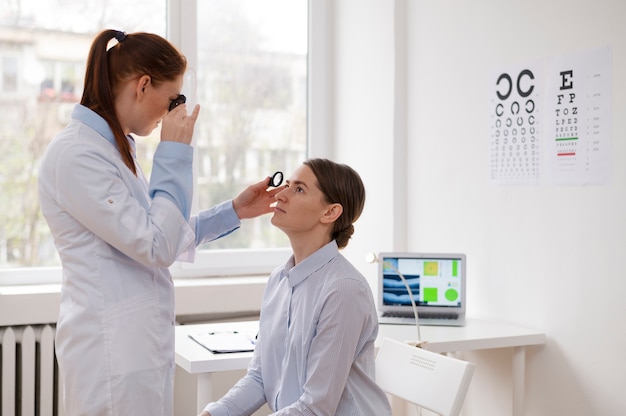
Tips to Protect Your Children Vision:Know from Pushpanjali Eye Care

Hello Ready!

Welcome to the blog page of Pushpanjali Eye Care, one of the best eye hospitals in Kolkata. 

As parents, ensuring our children’s health is a top priority, including their eye health. At Pushpanjali Eye Care, recognized as the best eye hospital in Kolkata, we understand the importance of maintaining good vision and preventing eye problems from an early age. Children’s eyes are constantly developing, and proper care can help safeguard their vision for years to come. In this blog, we’ll share essential tips on how to keep your children’s eyes healthy and ensure they enjoy clear vision and eye comfort.

Regular Eye Exams

1. Importance of Early Eye Check-ups

best eye hospital in Kolkata, eye hospital in Kolkata

Regular eye exams are crucial in detecting vision problems early. Children should have their first comprehensive eye exam at six months, followed by exams at three years and before starting school. Early detection of issues like amblyopia (lazy eye) or strabismus (crossed eyes) can significantly improve treatment outcomes.

2. Ongoing Monitoring

As children grow, their vision can change. Scheduling annual eye exams helps monitor their eye health and address any emerging issues promptly. At Pushpanjali Eye Care, the leading eye hospital in Kolkata, we provide thorough and gentle eye exams tailored to children’s needs.

Encouraging Healthy Eye Habits

1. Limiting Screen Time

best eye hospital in Kolkata, eye hospital in Kolkata

Excessive screen time can lead to digital eye strain, causing discomfort and vision problems. Encourage children to take regular breaks from screens, following the 20-20-20 rule: every 20 minutes, take a 20-second break and look at something 20 feet away. This helps reduce eye strain and maintain eye comfort.

2. Promoting Outdoor Activities

Spending time outdoors has been shown to reduce the risk of developing myopia (nearsightedness) in children. Encourage outdoor play and activities to give their eyes a healthy break from close-up tasks like reading and screen use.

3. Balanced Diet for Eye Health

eye hospital in Kolkata, best eye hospital

Nutrition plays a vital role in maintaining eye health. Ensure your child’s diet includes foods rich in vitamins A, C, and E, as well as omega-3 fatty acids. Leafy greens, carrots, fish, and citrus fruits are excellent choices that promote good vision.

Protecting Eyes from Injuries

1. Safety Eyewear

When engaging in sports or recreational activities, children should wear appropriate protective eyewear. This helps prevent eye injuries, which can have long-lasting effects on vision. Pushpanjali Eye Care, the best eye hospital in Kolkata, offers advice on the right protective gear for various activities.

2. Sun Protection

best eye hospital in Kolkata, eye hospital

Ultraviolet (UV) rays from the sun can harm children’s eyes. Ensure they wear sunglasses with UV protection when outdoors. Hats with brims can also provide additional shade and protection from direct sunlight.

Addressing Common Eye Problems

1. Recognizing Symptoms

Parents should be aware of common signs of eye problems in children, such as frequent eye rubbing, squinting, sitting too close to the TV, or complaints of headaches. If any of these symptoms are noticed, it’s important to seek a professional eye exam promptly.

2. Professional Treatment

For any eye health concerns, consult a specialist. Pushpanjali Eye Care, a top eye hospital in Kolkata, is equipped with experienced pediatric ophthalmologists who can diagnose and treat a wide range of eye conditions. Early intervention can prevent more serious issues later in life.

Vision Care Education

1. Teaching Good Eye Care Practices

eye hospital in Kolkata, best eye hospital in Kolkata

Educate your children about the importance of good eye care practices. Teach them not to rub their eyes, wash their hands before touching their face, and be gentle with their eyes and eyelids.

2. Creating an Eye-Friendly Environment

Ensure your home has adequate lighting for reading and other close-up tasks. Position screens to reduce glare and ensure that children have a comfortable reading distance to avoid eye strain.

FAQ

Q: Why are regular eye exams important for children?

A: Regular eye exams are crucial for detecting vision problems early, ensuring proper visual development. Early detection of issues like amblyopia (lazy eye) or strabismus (crossed eyes) can significantly improve treatment outcomes. At Pushpanjali Eye Care, the best eye hospital in Kolkata, we recommend comprehensive eye exams at six months, three years, and before starting school, followed by annual check-ups.


Q: Why are regular eye exams important for children?

A: Regular eye exams are crucial for detecting vision problems early, ensuring proper visual development. Early detection of issues like amblyopia (lazy eye) or strabismus (crossed eyes) can significantly improve treatment outcomes. At Pushpanjali Eye Care, the best eye hospital in Kolkata, we recommend comprehensive eye exams at six months, three years, and before starting school, followed by annual check-ups.


Q: What foods are beneficial for children’s eye health?

A: A balanced diet rich in vitamins A, C, and E, as well as omega-3 fatty acids, supports good vision. Foods like leafy greens, carrots, fish, and citrus fruits are excellent for eye health. Ensuring your child consumes these nutrients helps in maintaining healthy eyes and good vision.


Q: How can I protect my child’s eyes during outdoor activities?

A: To protect your child’s eyes from harmful UV rays, make sure they wear sunglasses with UV protection. Hats with brims can also provide additional shade. For sports and recreational activities, using appropriate protective eyewear can prevent injuries. Pushpanjali Eye Care, a leading eye hospital in Kolkata, offers advice on the best protective gear for different activities.

Conclusion

Maintaining your children’s eye health is crucial for their overall well-being and development. By following these tips and scheduling regular eye exams at Pushpanjali Eye Care, the best eye hospital in Kolkata, you can help ensure your children enjoy healthy vision throughout their lives. Our dedicated team of specialists is here to provide comprehensive eye care services tailored to the unique needs of children. Visit our eye hospital in Kolkata for expert advice, advanced treatments, and compassionate care for your little ones.

For more information and to book an appointment, contact Pushpanjali Eye Care today. Let’s work together to protect and preserve your children’s vision, ensuring they see a bright and clear future.


What are the Basic eye problems and how do you take care of your eyes?

Hello Reader!

Welcome to the blog page of Pushpanjalii Eye Care, one of the best eye hospitals in Kolkata.

At Pushpanjali Eye Care, the best eye hospital in Kolkata, we understand the importance of healthy vision. Our eyes are our windows to the world, allowing us to experience the beauty and wonder around us. However, with our fast-paced lifestyles and constant exposure to digital screens, our eyes face many challenges.

This blog post will delve into some of Kolkata residents’ most common eye problems and explore essential tips for maintaining healthy vision.

Common Eye Problems in Kolkata

best eye hospital in kolkata, eye hospital

Our eyes are intricate organs that play a vital role in how we experience the world. However, various factors can affect our vision, leading to a range of eye problems. At Pushpanjali Eye Care, a leading eye hospital in Kolkata, we’re dedicated to helping you maintain healthy vision. Let’s explore some of the most common eye problems encountered by Kolkata residents:

  • Refractive Errors: A Blur on Your Vision

These are the most widespread vision problems, impacting a significant portion of the population. Refractive errors occur when the light rays entering the eye don’t focus properly on the retina, resulting in blurred vision. Here are the three main types:

Myopia (Nearsightedness): Difficulty seeing distant objects. People with myopia often have to squint to see faraway objects like street signs or faces. 

best eye hospital in Kolkata, eye hospital in Kolkata

Hyperopia (Farsightedness): Difficulty seeing near objects. Reading or working on close-up tasks can be challenging for those with hyperopia. 

Astigmatism: Blurred vision at all distances. This is caused by an irregularly shaped cornea, the clear dome at the front of the eye. Astigmatism can make both near and far objects appear blurry or distorted.

  • Dry Eyes: A Discomforting Grit

Kolkata’s dry climate can contribute to a prevalent issue – dry eyes. This condition occurs when the eyes don’t produce enough tears or when the tears evaporate too quickly. Symptoms can include a burning, scratchy sensation, redness, and sensitivity to light.

  • Digital Eye Strain: The Price of Screen Time
    best eye hospital in Kolkata, eye hospital in Kolkata

Our constant connection to digital devices comes at a cost. Extended screen time can lead to digital eye strain, characterized by eye fatigue, headaches, and blurred vision. This is a growing concern for Kolkata residents, especially with increased reliance on computers and smartphones.

  • Age-Related Macular Degeneration (AMD): Protecting Your Central Vision

As we age, our eyes become more susceptible to certain conditions. Age-related macular degeneration (AMD) is a gradual deterioration of the macula, the central part of the retina responsible for sharp central vision. This can affect activities like reading, driving, and recognizing faces.

  • Glaucoma: The Silent Thief of Sight

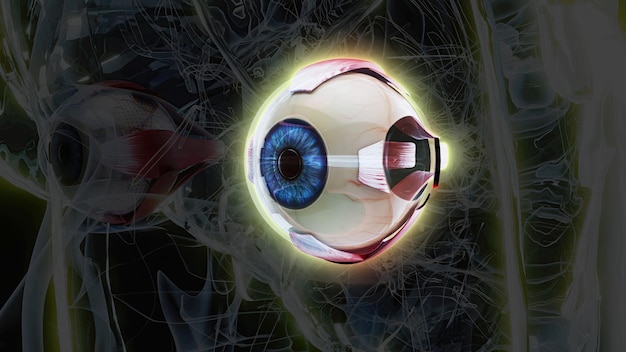
Glaucoma is a group of eye diseases that damage the optic nerve, the pathway that transmits visual information from the eye to the brain. This damage can lead to permanent vision loss if left untreated. Glaucoma can be insidious, often progressing without noticeable symptoms in its early stages. Regular eye exams are crucial for early detection and management.


Early detection and management are crucial for preventing vision loss associated with these conditions.

Eye Care Tips for Healthy Vision

  • Schedule Regular Eye Exams: Comprehensive eye exams, even for those without noticeable vision problems, are vital for early detection and treatment of eye diseases. At Pushpanjali Eye Care, our experienced ophthalmologists in Kolkata provide thorough eye exams using advanced technology.
  • Maintain a Healthy Diet: A balanced diet rich in fruits, vegetables, and omega-3 fatty acids can contribute to overall eye health.
  • Manage Screen Time: Take regular breaks from digital screens to give your eyes a rest. Practice the 20-20-20 rule: every 20 minutes, look at something 20 feet away for 20 seconds.
  • Protect Your Eyes from the Sun: Wear sunglasses that block UVA and UVB rays to shield your eyes from sun damage, which can contribute to cataracts and macular degeneration.
  • Maintain Good Posture: Proper posture, with your head held high and not hunched over screens, can help reduce eye strain.
  • Don’t Smoke: Smoking significantly increases the risk of developing eye diseases like macular degeneration and cataracts.
  • Practice Good Eye Hygiene: Wash your hands before touching your eyes and avoid rubbing them to prevent irritation.

How often should I get my eyes checked?

best eye hospital in Kolkata, eye hospital in Kolkata

Regular eye exams are crucial for early detection and treatment of eye problems. The recommended frequency can vary depending on your age, overall health, and existing eye conditions. Generally, children should have eye exams before starting school and then regularly throughout their lives. Adults with no vision problems might need exams every 2-4 years, while those with existing conditions may require more frequent checkups.

What are some tips for maintaining healthy eyes?

  • Eat a balanced diet: Include plenty of fruits, vegetables, and omega-3 fatty acids for overall eye health.
  • Manage screen time: Take breaks from digital devices and practice the 20-20-20 rule (look at something 20 feet away for 20 seconds every 20 minutes).
  • Protect your eyes from the sun: Wear sunglasses that block UVA and UVB rays.
  • Maintain good posture: Avoid hunching over screens, which can strain your eyes.
  • Don’t smoke: Smoking increases the risk of eye diseases like AMD and cataracts.
  • Practice good eye hygiene: Wash your hands before touching your eyes and avoid rubbing them.

When should I see an eye doctor right away?

If you experience sudden vision loss, eye pain, flashes of light, or unusual floaters in your vision, consult an eye doctor immediately. These could be signs of a serious eye condition requiring prompt attention.

Where can I find a good eye doctor in Kolkata?

Pushpanjali Eye Care is a leading eye hospital in Kolkata, offering comprehensive eye care services and experienced ophthalmologists. We provide advanced diagnostics and treatment options to ensure the best possible outcomes for our patients. Schedule an appointment today to safeguard your vision!

Taking Care of Your Eyes at Pushpanjali Eye Care

At Pushpanjali Eye Care, your trusted eye hospital in Kolkata, we offer comprehensive eye care services to address all your vision needs. Our team of qualified ophthalmologists utilizes the latest diagnostic tools and treatment options to ensure the best possible outcomes for our patients.


Understanding Glaucoma: Symptoms and Causes, Diagnosis

Hello Reader!

Welcome to the blog page of Pushpanjali Eye Care, one of the best eye hospitals in Kolkata.

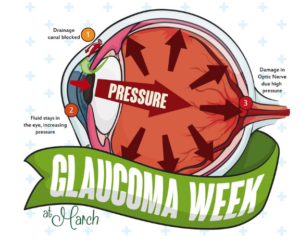
Glaucoma is a group of eye conditions that damage the optic nerve, crucial for good vision, and is often caused by abnormally high pressure in the eye. It’s a leading cause of blindness for people over the age of 60, but it can occur at any age. Recognizing the early symptoms of glaucoma and seeking timely medical advice is essential to prevent severe vision loss. At Pushpanjali Eye Care, the best eye hospital in Kolkata, we emphasize the importance of early detection and treatment to preserve your vision.

Early Symptoms of Glaucoma

best eye hospital in Kolkata, eye hospital in Kolkata

Glaucoma is often referred to as the “silent thief of sight” because it typically presents no symptoms in its early stages. However, there are subtle signs that can indicate the onset of this condition. Understanding these symptoms can help you seek prompt medical attention.

1. Gradual Loss of Peripheral Vision

One of the earliest symptoms of glaucoma is the gradual loss of peripheral (side) vision. This symptom is often unnoticeable until the disease has progressed significantly. Regular eye examinations can help detect changes in your peripheral vision early on.

2. Seeing Halos Around Lights

People with glaucoma might start seeing halos around lights, especially in dimly lit environments. This can be an early indication of increased eye pressure.

3. Eye Pain and Redness

While not always present, eye pain and redness can be symptoms of acute angle-closure glaucoma, a severe form of the disease. This type of glaucoma progresses rapidly and requires immediate medical attention.

4. Blurred Vision

best eye hospital in Kolkata, eye hospital in Kolkata

Experiencing episodes of blurred vision can be a sign of glaucoma. This blurriness might come and go, often accompanied by other symptoms like headaches or eye discomfort.

5. Nausea and Vomiting

In the case of acute angle-closure glaucoma, severe eye pain can be accompanied by nausea and vomiting. This is a medical emergency and requires prompt treatment.

When to See a Doctor

If you notice any of the early symptoms of glaucoma, it’s crucial to seek medical advice immediately. Early detection and treatment can prevent further damage to the optic nerve and preserve your vision. Here are some specific guidelines on when to visit an eye specialist:

1. Regular Eye Exams

Even if you don’t experience any symptoms, regular eye exams are vital, especially if you are over 40 or have a family history of glaucoma. At Pushpanjali Eye Care, the leading eye hospital in Kolkata, we recommend annual comprehensive eye exams to detect any changes early.

2. Sudden Vision Changes

If you experience sudden changes in vision, such as blurred vision, seeing halos around lights, or loss of peripheral vision, you should visit an eye doctor immediately. These could be signs of glaucoma or other serious eye conditions.

3. Eye Pain and Redness

Eye pain, best eye hospital in Kolkata

Persistent eye pain and redness warrant a visit to the eye doctor. These symptoms can indicate acute angle-closure glaucoma, which requires urgent treatment to prevent permanent vision loss.

4. Family History of Glaucoma

If you have a family history of glaucoma, you are at a higher risk of developing the condition. Regular screenings and early monitoring can help in managing the risk effectively.

5. Other Risk Factors

Other risk factors include age (over 60), medical conditions such as diabetes and high blood pressure, and the use of certain medications like corticosteroids. If you fall into any of these categories, regular eye check-ups are crucial.

Why Choose Pushpanjali Eye Care?

At Pushpanjali Eye Care, we pride ourselves on being the best eye hospital in Kolkata, offering state-of-the-art diagnostic and treatment facilities for glaucoma and other eye conditions. Our team of experienced ophthalmologists is dedicated to providing comprehensive eye care with a patient-centered approach. We utilize advanced technology to ensure early detection and effective management of glaucoma, helping our patients maintain their vision and quality of life.

FAQ

Q: What is glaucoma?

A: Glaucoma is a group of eye conditions that damage the optic nerve, typically due to increased pressure within the eye. It is a leading cause of irreversible blindness if left untreated.

Q: What are the early symptoms of glaucoma? 

A: Glaucoma is often asymptomatic in its early stages. However, some subtle signs may include gradual loss of peripheral vision, seeing halos around lights, eye pain and redness (especially in acute cases), blurred vision, and in severe cases, nausea and vomiting.

Q: When should I see a doctor for glaucoma?

A: It is crucial to see an eye doctor if you experience any of the early symptoms mentioned above, especially if you are at risk due to factors like age, family history, or certain medical conditions. Additionally, regular eye exams, especially for individuals over 40 or with a family history of glaucoma, are essential for early detection.

Q: What happens if glaucoma is left untreated? 

A: If left untreated, glaucoma can cause irreversible damage to the optic nerve, leading to permanent vision loss and blindness. Early detection and treatment are key to managing the condition and preserving vision.

Q: How is glaucoma diagnosed? 

A: Glaucoma is diagnosed through a comprehensive eye examination that may include measuring eye pressure, assessing the optic nerve, visual field testing, and examining the drainage angle of the eye. Additional tests may be conducted based on the initial findings.

Q: What are the treatment options for glaucoma? 

A: Treatment for glaucoma aims to lower intraocular pressure to prevent further damage to the optic nerve. This may include prescription eye drops, oral medications, laser therapy, or surgery, depending on the severity and type of glaucoma.

Q: Can glaucoma be prevented? 

A: While glaucoma cannot be prevented entirely, early detection and treatment can help prevent vision loss and slow the progression of the disease. Regular eye exams and maintaining a healthy lifestyle are essential for managing risk factors associated with glaucoma.


Conclusion

Recognizing the early symptoms of glaucoma and seeking timely medical intervention can make a significant difference in preserving your vision. Regular eye exams, especially if you are at risk, are essential. If you experience any of the symptoms mentioned above, do not hesitate to visit Pushpanjali Eye Care, the best eye hospital in Kolkata. Our expert team is here to provide you with the highest quality care and support to manage your eye health effectively.

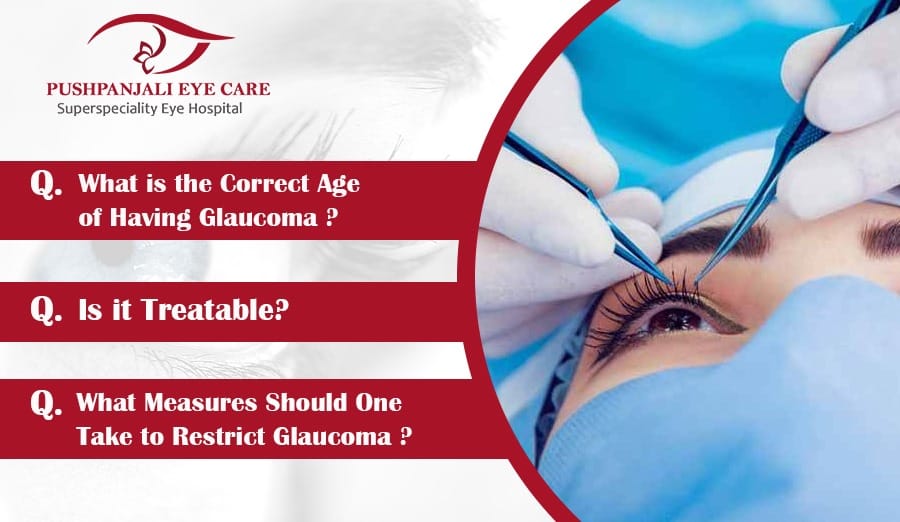
What is the Correct Age of Having Glaucoma & its Treatments?

Hello Reader!

Welcome to the blog page of Pushpanjali Eye Care, one of the best eye hospitals in Kolkata. 

Glaucoma is a group of eye conditions that can cause blindness if left untreated. It is a progressive disease that damages the optic nerve, which is vital for good vision. Understanding the age-related risks, treatment options, and preventive measures for glaucoma is crucial for maintaining eye health. At Pushpanjali Eye Care, the best eye hospital in Kolkata, we provide comprehensive care and treatment for glaucoma, helping our patients manage this condition effectively.

Correct Age for Glaucoma

best eye hospital in Kolkata, eye hospital in Kolkata

Glaucoma is often associated with aging, and the risk of developing the condition increases significantly with age. While it can occur at any age, including in infants and young adults, it is most commonly diagnosed in people over the age of 40. The likelihood of developing glaucoma increases with each decade of life, particularly after the age of 60. Regular eye examinations become increasingly important as you age, especially if you have a family history of glaucoma or other risk factors such as diabetes, high blood pressure, or nearsightedness.

Is Glaucoma Treatable?

While glaucoma cannot be cured, it is treatable, and early detection is crucial in preventing severe vision loss. The primary objective of glaucoma treatment is to lower the intraocular pressure (IOP), thereby preventing further damage to the optic nerve. Various treatment options are available to manage and control glaucoma effectively, each tailored to the specific needs and conditions of the patient.

Medications

best eye hospital in Kolkata, eye hospital

Prescription eye drops are often the first line of treatment for glaucoma. These medications work by either decreasing the production of aqueous humor (the fluid in the eye) or by improving its outflow, thereby reducing the intraocular pressure. There are different types of eye drops available, including prostaglandin analogs, beta-blockers, alpha agonists, and carbonic anhydrase inhibitors. Each type works differently, and your ophthalmologist will prescribe the one that is most suitable for your condition. Consistent use of these medications as prescribed is vital for their effectiveness.

Laser Treatment

Laser surgery is another effective method to treat glaucoma, particularly when medications alone do not suffice. Laser procedures help improve the drainage of fluid within the eye, thereby reducing intraocular pressure. Common laser treatments for glaucoma include:

  • Laser Trabeculoplasty: Often used for open-angle glaucoma, this procedure uses a laser to open the drainage angle of the eye and enhance fluid outflow.
  • Laser Iridotomy: This is typically used for narrow-angle glaucoma and involves creating a small hole in the iris to improve fluid flow within the eye.
  • Cyclophotocoagulation: This procedure involves using a laser to reduce the production of aqueous humor by treating the ciliary body of the eye.

Surgery

best eye hospital in Kolkata, eye hospital in Kolkata

When medications and laser treatments are not sufficient to control glaucoma, surgical options may be necessary. Surgical procedures aim to create new drainage channels for the aqueous humor to reduce intraocular pressure effectively. Some common surgical treatments include:

  • Trabeculectomy: This is a surgical procedure that creates a new drainage path for the fluid to leave the eye, thereby lowering eye pressure.
  • Glaucoma Drainage Implants: These implants are tiny devices inserted into the eye to help drain excess fluid.
  • Minimally Invasive Glaucoma Surgery (MIGS): These are newer surgical options that involve less invasive techniques to lower eye pressure with fewer complications and quicker recovery times compared to traditional surgeries.

At Pushpanjali Eye Care, the best eye hospital in Kolkata, our experienced ophthalmologists utilize the latest technologies and treatment methods to manage glaucoma effectively. We are committed to providing personalized patient care, ensuring that each patient receives the most suitable and effective treatment for their specific condition. Our comprehensive approach to glaucoma care aims to preserve vision and improve the quality of life for our patients.

Measures to Restrict Glaucoma

Preventive measures play a vital role in managing and restricting the progression of glaucoma. Here are some essential steps to take:

  1. Regular Eye Examinations: Early detection through regular eye exams is crucial. Comprehensive eye exams, including tests for eye pressure and optic nerve assessment, should be performed regularly, especially for individuals over 40 or those with risk factors.
  2. Maintain a Healthy Lifestyle: A healthy diet rich in fruits, vegetables, and antioxidants can help maintain good eye health. Regular exercise can also lower eye pressure and improve blood flow to the optic nerve.
  3. Protect Your Eyes: Wearing protective eyewear during sports or any activities that pose a risk of eye injury can prevent trauma that could lead to glaucoma.
  4. Manage Health Conditions: Controlling conditions like diabetes, and high blood pressure, and maintaining a healthy weight can reduce the risk of glaucoma. Regular check-ups with your healthcare provider are essential.
  5. Know Your Family History: Glaucoma can run in families, so being aware of your family history and discussing it with your eye doctor can help in early detection and preventive measures.
  6. Use Medications as Prescribed: If you are diagnosed with glaucoma, adhere to your treatment plan and use medications as prescribed by your doctor. Consistent use of prescribed eye drops can significantly slow the progression of the disease.

FAQ

1. At what age is glaucoma most commonly diagnosed?

Glaucoma is most commonly diagnosed in individuals over the age of 40, with the risk increasing significantly as one gets older. While it can affect people of any age, including infants and young adults, the likelihood of developing glaucoma rises notably after the age of 60. Regular eye examinations are crucial for early detection, especially for those with risk factors or a family history of glaucoma.

2. Is glaucoma treatable, and how is it managed?

While glaucoma cannot be cured, it is treatable, and early detection is vital for preventing severe vision loss. The primary goal of treatment is to lower intraocular pressure (IOP) to prevent further damage to the optic nerve. Treatment options include prescription eye drops, laser surgery, and conventional surgical procedures. These treatments aim to either reduce the production of fluid in the eye or improve its drainage, thereby lowering eye pressure and protecting vision.

3. What lifestyle changes can help restrict the progression of glaucoma?

*Several lifestyle changes can help manage and restrict the progression of glaucoma:

  • Regular Exercise: Engaging in moderate exercise can help lower eye pressure and improve overall eye health.
  • Healthy Diet: Consuming a diet rich in fruits, vegetables, and antioxidants supports eye health.
  • Avoid Smoking: Smoking can increase the risk of glaucoma and other eye diseases.
  • Protect Your Eyes: Wearing protective eyewear during activities that could cause eye injury is crucial.*

4. How often should one get eye exams to detect glaucoma early?

For individuals over the age of 40 or those with risk factors such as a family history of glaucoma, it is recommended to have a comprehensive eye examination every one to two years. People over the age of 60 should have annual eye exams. Regular check-ups allow for early detection and timely intervention, which are essential for managing glaucoma effectively.

5. What are the risk factors for developing glaucoma?

Several risk factors can increase the likelihood of developing glaucoma, including:

  • Age: The risk increases significantly after age 40 and more so after 60.
  • Family History: A family history of glaucoma increases your risk.
  • Medical Conditions: Conditions like diabetes, high blood pressure, and heart disease can elevate the risk.
  • High Intraocular Pressure: Elevated eye pressure is a significant risk factor.
  • Ethnicity: People of African, Asian, and Hispanic descent are at higher risk for certain types of glaucoma.


Conclusion

Glaucoma is a serious eye condition that requires ongoing management and care. While it can affect individuals at any age, the risk increases with age, particularly after 40. Early detection through regular eye examinations and prompt treatment can help manage the condition effectively and prevent significant vision loss. At Pushpanjali Eye Care, the best eye hospital in Kolkata, we offer comprehensive glaucoma care and treatment tailored to each patient’s needs. By taking preventive measures and adhering to treatment plans, individuals can restrict the progression of glaucoma and maintain their vision health.

For more information or to schedule an eye examination, visit Pushpanjali Eye Care, your trusted eye hospital in Kolkata. Our team of experienced ophthalmologists is dedicated to providing the highest quality of care to ensure your eyes stay healthy and your vision remains clear.

 

What are the Steps to Follow When Experiencing Glaucoma Symptoms?

Hello Reader!

Welcome to the blog page of Pushpanjali Eye Hospital one of the best eye hospitals in Kolkata. Here in this blog, we will share with you the general steps you should take after having Glaucoma symptoms. Hope this blog will help you.

Glaucoma is a serious eye condition that can lead to irreversible vision loss if not detected and treated early. It often develops slowly and without noticeable symptoms in its early stages, earning it the nickname “the silent thief of sight.” If you suspect you have glaucoma, it is crucial to take immediate action to preserve your vision. Pushpanjali Eye Care, one of the best eye hospitals in Kolkata, is here to guide you through the necessary steps.

Recognize the Symptoms

best eye hospital in Kolkata, eye hospital in Kolkata

Understanding the symptoms of glaucoma is the first step toward early detection and treatment. While symptoms can vary depending on the type of glaucoma, common signs include:

  • Blurred Vision: Difficulty in seeing objects.
  • Halos Around Lights: Seeing rainbow-colored rings or halos around lights, especially at night.
  • Eye Pain: Severe eye pain, which can sometimes be accompanied by nausea and vomiting.
  • Redness in the Eye: Persistent redness in one or both eyes.
  • Sudden Vision Loss: A sudden decrease in vision, often in one eye.
  • Tunnel Vision: Gradual loss of peripheral vision, usually in both eyes.

If you experience any of these symptoms, it’s imperative to seek medical attention promptly.

Step 1: Schedule an Appointment with an Eye Specialist

The moment you notice any symptoms associated with glaucoma, contact Pushpanjali Eye Care, a leading eye hospital in Kolkata, to schedule a comprehensive eye examination. Early diagnosis is key to managing glaucoma effectively and preventing vision loss.

Step 2: Comprehensive Eye Examination

eye hospital in kolkata, eye hospital in Kolkata

During your visit, the ophthalmologist will perform a thorough eye examination to assess your eye health and diagnose glaucoma. The exam typically includes:

  • Tonometry: This test measures the pressure inside your eyes (intraocular pressure). Elevated eye pressure is a significant risk factor for glaucoma.
  • Ophthalmoscopy: This involves examining the optic nerve for signs of damage.
  • Perimetry: Also known as a visual field test, it checks for any vision loss in your peripheral (side) vision.
  • Gonioscopy: This test examines the angle where the iris meets the cornea to determine if the angle is open or closed, which helps in identifying the type of glaucoma.
  • Pachymetry: Measures the thickness of your cornea, which can influence eye pressure readings.

Step 3: Follow the Prescribed Treatment Plan

If diagnosed with glaucoma, your eye specialist will develop a personalized treatment plan based on the severity and type of glaucoma. Treatment options may include:

  • Medications: Eye drops or oral medications to lower eye pressure.
  • Laser Therapy: Procedures such as laser trabeculoplasty can help improve fluid drainage from the eye.
  • Surgery: In more severe cases, surgical options like trabeculectomy or glaucoma drainage implants may be recommended to reduce eye pressure.

Step 4: Regular Monitoring and Follow-ups

best eye hospital in Kolkata, eye hospital

Glaucoma is a chronic condition that requires ongoing monitoring. Regular follow-up appointments are crucial to ensure that your treatment is effective and to make any necessary adjustments. At Pushpanjali Eye Care, one of the best eye hospitals in Kolkata, we provide continuous care and monitoring to manage your condition effectively.

Step 5: Lifestyle and Home Care

In addition to medical treatment, certain lifestyle changes can help manage glaucoma:

  • Exercise Regularly: Engaging in moderate physical activity can help lower eye pressure.
  • Healthy Diet: A diet rich in fruits, vegetables, and omega-3 fatty acids supports overall eye health.
  • Avoid Smoking: Smoking can increase your risk of developing glaucoma and other eye conditions.
  • Protect Your Eyes: Wear protective eyewear when engaging in activities that could harm your eyes.

Step 6: Stay Informed and Educated

Educate yourself about glaucoma and its management. Understanding your condition helps you adhere to your treatment plan and recognize any changes in your symptoms that may require immediate attention.

FAQs

  1. What should I do if I experience symptoms of glaucoma?

Answer:

If you experience symptoms of glaucoma such as blurred vision, halos around lights, eye pain, redness, sudden vision loss, or tunnel vision, schedule an appointment with an eye specialist immediately. Early diagnosis and treatment are crucial to preventing permanent vision loss. Pushpanjali Eye Care, one of the best eye hospitals in Kolkata, is equipped to provide comprehensive eye examinations and care.

  1. How is glaucoma diagnosed?

Answer:

Glaucoma is diagnosed through a comprehensive eye examination that includes several tests:

  • Tonometry: Measures intraocular pressure.
  • Ophthalmoscopy: Examines the optic nerve for damage.
  • Perimetry (Visual Field Test): Checks for vision loss in the peripheral vision.
  • Gonioscopy: Examines the angle where the iris meets the cornea.
  • Pachymetry: Measures the thickness of the cornea.
  1. What treatments are available for glaucoma?

Answer:

Treatment options for glaucoma aim to lower intraocular pressure and include:

  • Medications: Eye drops or oral medications.
  • Laser Therapy: Procedures such as laser trabeculoplasty to improve fluid drainage.
  • Surgery: Options like trabeculectomy or glaucoma drainage implants in severe cases. Pushpanjali Eye Care offers all these treatment options tailored to individual needs.
  1. How often should I have follow-up appointments if diagnosed with glaucoma?

Answer:

The frequency of follow-up appointments depends on the severity and progression of your glaucoma. Typically, patients may need to see their ophthalmologist every 3 to 6 months. Regular monitoring is essential to ensure the treatment is effective and to make any necessary adjustments.

  1. Can lifestyle changes help manage glaucoma?

Answer:

Yes, certain lifestyle changes can support glaucoma management:

  • Regular Exercise: Helps lower eye pressure.
  • Healthy Diet: A diet rich in fruits, vegetables, and omega-3 fatty acids promotes eye health.
  • Avoid Smoking: Smoking increases the risk of glaucoma and other eye conditions.
  • Protective Eyewear: Use protective eyewear during activities that could harm your eyes. These changes complement medical treatments and help maintain overall eye health.
  1. Why is early detection important in managing glaucoma?

Answer:

Early detection is crucial because glaucoma often progresses without noticeable symptoms until significant vision loss occurs. Early diagnosis allows for timely intervention, which can prevent or slow the progression of the disease, preserving vision and quality of life. Regular eye exams at an eye hospital in Kolkata, like Pushpanjali Eye Care, are essential for early detection.


Why Choose Pushpanjali Eye Care?

As one of the best eye hospitals in Kolkata, Pushpanjali Eye Care is committed to providing comprehensive and compassionate care for patients with glaucoma. Our team of experienced ophthalmologists and state-of-the-art facilities ensure that you receive the highest standard of care. We are dedicated to helping you maintain your vision and quality of life.

If you or a loved one are experiencing symptoms of glaucoma, don’t wait. Schedule an appointment with Pushpanjali Eye Care, the trusted eye hospital in Kolkata, and take the first step towards safeguarding your vision.

For more information or to book an appointment, visit our website or contact us directly. Your vision is our priority.

Understanding Glaucoma: Prevention Pushpanjali Eye Care

Hello Reader!

Welcome to the blog page of Pushpanjali Eye Care, the best eye hospital in Kolkata. 

Glaucoma stands as one of the leading causes of irreversible blindness worldwide, affecting millions of individuals, often without noticeable symptoms until the later stages. As a premier eye hospital in Kolkata committed to preserving vision and enhancing eye health, Pushpanjali Eye Care aims to shed light on this sight-threatening condition, offering insights into its prevention and treatment.

Understanding Glaucoma:

best eye hospital in Kolkata, eye hospital in Kolkata

Glaucoma, a complex array of eye disorders, manifests through the detriment of the optic nerve, often intertwined with heightened intraocular pressure (IOP). This cascade of damage precipitates a gradual decline in peripheral vision, posing a formidable threat of irreversible blindness in the absence of intervention. While glaucoma’s reach spans across age demographics, older adults bear a heightened susceptibility, alongside individuals with familial predispositions and those grappling with specific medical afflictions such as diabetes.

Glaucoma’s Impact and Risk Factors:

The ramifications of glaucoma extend beyond mere ocular impairment, delving into the realm of irreversible vision loss if left unchecked. Its insidious nature renders it particularly perilous, with peripheral vision gradually diminishing unnoticed until significant damage ensues. Moreover, certain demographics face an augmented risk landscape, accentuating the importance of early detection and intervention. Older adults, owing to age-related changes, stand at the forefront of vulnerability, alongside individuals harboring familial ties to the disease or navigating the complexities of concurrent medical conditions like diabetes. This intricate interplay underscores the imperative of heightened vigilance and proactive management to mitigate the ravages of glaucoma and preserve precious sight.


Prevention of Glaucoma:

best eye hospital in Kolkata

Prevention plays a pivotal role in mitigating the risk of glaucoma-related vision loss. Key preventive measures include:

  1. Regular Eye Examinations: Routine eye exams are crucial for early detection and management of glaucoma. At Pushpanjali Eye Care, our expert ophthalmologists utilize advanced diagnostic tools to assess intraocular pressure, optic nerve health, and visual field changes, enabling timely intervention.
  2. Awareness and Education: Educating individuals about the risk factors, symptoms, and importance of regular eye screenings for glaucoma can empower them to take proactive steps toward eye health. Pushpanjali Eye Care is dedicated to raising awareness about glaucoma through community outreach programs and educational initiatives.
  3. Healthy Lifestyle Choices: Adopting a healthy lifestyle can contribute to overall eye health and reduce the risk of glaucoma. This includes maintaining a balanced diet rich in antioxidants, exercising regularly, avoiding smoking, and managing conditions such as diabetes and hypertension, which can exacerbate glaucoma risk.
  4. Compliance with Treatment Plans: For individuals diagnosed with glaucoma, adherence to prescribed treatment plans is essential for managing the condition and preventing vision loss. This may include medications, eye drops, laser therapy, or surgical interventions, tailored to the individual’s specific needs and disease severity.

Treatment of Glaucoma:

best eye hospital in Kolkata, eye hospital in Kolkata

Effective management of glaucoma aims to preserve remaining vision and slow disease progression. Treatment options may include:


  • Medications:


Prescription eye drops or oral medications serve as frontline interventions in reducing intraocular pressure (IOP) and forestalling further deterioration of the optic nerve. These medications operate through various mechanisms, either by curbing the production of aqueous humor within the eye or by enhancing its outflow, thereby alleviating pressure on the optic nerve. Regular administration of these medications as per the ophthalmologist’s guidance is essential to maintaining optimal IOP levels and mitigating the risk of vision loss.


  • Laser Therapy:


Laser procedures offer a non-invasive approach to improving the drainage of fluid from the eye, thereby effectively lowering intraocular pressure. Selective laser trabeculoplasty (SLT) and laser peripheral iridotomy (LPI) represent two common techniques employed in glaucoma management. SLT targets the trabecular meshwork, enhancing fluid outflow, while LPI focuses on creating a small opening in the iris to facilitate fluid drainage. These laser therapies are often recommended as adjunctive measures to medication or as primary interventions in certain cases, offering efficacy and minimal risk to the patient.


  • Surgical Interventions:


In instances where medications and laser therapy prove ineffective or inadequate in controlling intraocular pressure, surgical interventions may be warranted to optimize aqueous humor drainage and alleviate pressure on the optic nerve. Trabeculectomy, a traditional surgical procedure, involves creating a new drainage channel to facilitate fluid outflow. Alternatively, minimally invasive glaucoma surgery (MIGS) techniques offer less invasive options, such as implanting tiny devices to enhance drainage. Additionally, the implantation of drainage devices provides a viable solution for managing refractory cases of glaucoma, offering a sustained reduction in intraocular pressure and preservation of vision.

At Pushpanjali Eye Care, the best eye hospital in Kolkata, our team of experienced ophthalmologists specializes in the diagnosis, management, and treatment of glaucoma. With state-of-the-art facilities and a patient-centric approach, we are dedicated to providing comprehensive care to individuals affected by this sight-threatening condition.

FAQ

  1. What is glaucoma, and how does it affect vision?
  • Glaucoma refers to a group of eye conditions characterized by damage to the optic nerve, often associated with elevated intraocular pressure (IOP). This damage leads to gradual peripheral vision loss, which, if left untreated, can progress to irreversible blindness.
  1. How can glaucoma be prevented?
  • Preventing glaucoma involves proactive measures such as regular eye examinations, which enable early detection and intervention. Additionally, maintaining a healthy lifestyle, including a balanced diet and regular exercise, can contribute to overall eye health and reduce the risk of glaucoma.
  1. What treatment options are available for glaucoma at Pushpanjali Eye Care?
  • At Pushpanjali Eye Care, the best eye hospital in Kolkata, a range of treatment options are offered for glaucoma management. These include medications, laser therapy, and surgical interventions, tailored to the individual’s specific needs and disease severity.
  1. Are there any side effects associated with glaucoma treatment?
  • While glaucoma treatments such as medications, laser therapy, and surgery are generally safe, some patients may experience side effects. These can vary depending on the type of treatment and individual factors. Our experienced ophthalmologists at Pushpanjali Eye Care prioritize patient safety and closely monitor for any adverse effects during treatment.
  1. How often should I undergo eye examinations for glaucoma screening?
  • The frequency of eye examinations for glaucoma screening depends on various factors, including age, family history, and overall eye health. However, as a general guideline, individuals should undergo comprehensive eye examinations at least every one to two years, or as recommended by their ophthalmologist at Pushpanjali Eye Care, to detect and manage glaucoma early.

Conclusion

In conclusion, glaucoma is a serious eye disease that requires early detection, proactive prevention, and timely treatment to preserve vision and quality of life. By prioritizing regular eye examinations, raising awareness, adopting healthy lifestyle choices, and adhering to treatment plans, individuals can reduce their risk of glaucoma-related vision loss and maintain optimal eye health. At Pushpanjali Eye Care, we are committed to partnering with our patients in the fight against glaucoma, offering expert care and support every step of the way.

How to Diagnose and Treat Cataracts?

Hello Reader!

Welcome to the blog page of Pushpanjali Eye Care, one of the best eye hospitals in Kolkata. 

Cataracts are a common eye condition that affects millions of people worldwide, leading to blurred vision and, if left untreated, eventual blindness. At Pushpanjali Eye Care, the premier eye hospital in Kolkata, we specialize in the diagnosis and treatment of cataracts. In this comprehensive guide, we’ll delve into the diagnosis process for cataracts, outlining the steps involved and the advanced techniques used at our facility.

Diagnosis of Cataracts:

Comprehensive Eye Examination:

best eye hospital in Kolkata, eye hospital in Kolkata

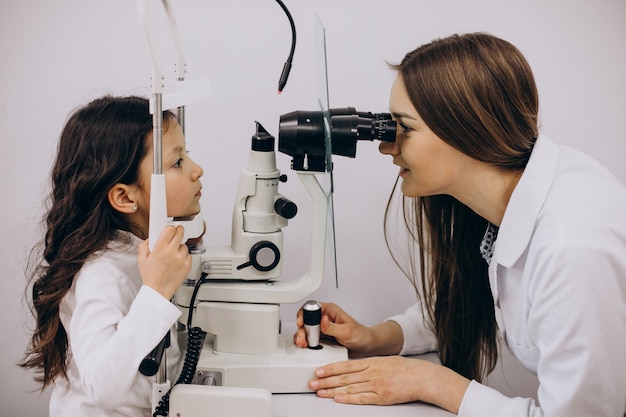
The cornerstone of cataract diagnosis lies in the thoroughness of our comprehensive eye examination. Led by our experienced ophthalmologists, this examination is designed to leave no stone unturned in evaluating the health of your eyes. Through a series of tests and evaluations, your eye doctor meticulously assesses various aspects of your vision and ocular structures. This includes scrutinizing your visual acuity, scrutinizing the lens for any signs of cloudiness indicative of cataract formation, and examining other ocular structures for potential abnormalities associated with cataracts.

Visual Acuity Test:

eye hospital in Kolkata

A pivotal component of the diagnosis process is the visual acuity test, also known as the eye chart test. This test serves as a fundamental measure of your visual clarity at different distances. By gauging your ability to read letters or symbols on an eye chart, our ophthalmologists can ascertain the extent to which cataracts have impaired your vision, guiding subsequent treatment decisions.

Slit-Lamp Examination:

Employing advanced techniques, such as slit-lamp examination, allows us to delve deeper into the intricacies of your eye’s anterior segment, including the lens. By directing a focused beam of light onto your eye, our ophthalmologists can magnify and scrutinize the lens for telltale signs of cloudiness or opacity characteristic of cataracts. This meticulous examination aids in precisely pinpointing the location and severity of cataract formation, laying the groundwork for personalized treatment strategies.

Dilated Eye Examination:

To gain a comprehensive view of your eye’s internal structures, a dilated eye examination is often performed. This involves administering specialized eye drops to dilate your pupils, facilitating a wider aperture for examination. With your pupils dilated, our ophthalmologists can conduct a more thorough assessment of the lens and other ocular structures, enabling them to accurately gauge the severity and location of cataracts.

Other Diagnostic Tests:

best eye hospital in Kolkata, eye hospital in Kolkata

In certain cases, additional diagnostic tests may be warranted to obtain a more nuanced understanding of the cataract’s characteristics and progression. Techniques such as optical coherence tomography (OCT) or ultrasound imaging may be employed to obtain detailed images of the lens and assess the extent of cataract formation. These advanced diagnostic modalities complement our comprehensive approach to cataract diagnosis, ensuring that no aspect of your eye health goes unnoticed.

Treatment Options:

Following the precise diagnosis of cataracts by our adept team at Pushpanjali Eye Care, a tailored treatment plan is meticulously crafted to address your individual needs and the severity of your condition. Our esteemed ophthalmologists will guide you through the available treatment options, ensuring informed decision-making and optimal visual outcomes.

Cataract Surgery:

Cataract surgery stands as the gold standard in the treatment of cataracts, offering unparalleled effectiveness in restoring vision compromised by the cloudy lens. This transformative procedure involves the surgical removal of the clouded lens from the eye, followed by the implantation of a clear artificial intraocular lens (IOL). At Pushpanjali Eye Care, we pride ourselves on our commitment to excellence in cataract surgery, leveraging advanced techniques and state-of-the-art technology to deliver superior outcomes for our patients.

Phacoemulsification:

Phacoemulsification represents a groundbreaking advancement in cataract surgery, characterized by its minimally invasive nature and precision-driven approach. During this procedure, a specialized ultrasonic device is utilized to fragment the cloudy lens into tiny fragments, which are then gently suctioned out of the eye. This meticulous process ensures minimal trauma to the surrounding tissues and facilitates rapid visual recovery, allowing patients to resume their daily activities with minimal downtime.

Femtosecond Laser-Assisted Cataract Surgery:

Pushing the boundaries of innovation, femtosecond laser-assisted cataract surgery heralds a new era in the field of ophthalmology. This cutting-edge technique harnesses the power of femtosecond laser technology to perform key steps of the cataract surgery procedure with unparalleled precision and reproducibility. By utilizing laser energy to create precise incisions, fragment the cataractous lens, and facilitate capsulotomy, this advanced approach enhances surgical predictability and optimizes visual outcomes. At Pushpanjali Eye Care, we are proud to offer femtosecond laser-assisted cataract surgery as part of our comprehensive cataract treatment repertoire, ensuring our patients receive the highest standard of care.

FAQs

1. How are cataracts diagnosed?

  • Cataracts are typically diagnosed through a comprehensive eye examination conducted by an ophthalmologist. This examination includes tests such as visual acuity tests, slit-lamp examinations, and dilated eye examinations to assess the clarity of vision, examine the lens for cloudiness, and evaluate other ocular structures for signs of cataracts.
  1. What are the symptoms of cataracts?
  • Symptoms of cataracts may include blurry or cloudy vision, sensitivity to light, difficulty seeing at night, seeing halos around lights, and faded or yellowed colors. If you experience any of these symptoms, it’s important to consult an eye care professional for a thorough evaluation.
  1. Can cataracts be treated without surgery?
  • While there are no medications or non-surgical treatments to reverse cataracts, early-stage symptoms can sometimes be managed with prescription glasses or contact lenses to improve vision. However, cataract surgery is the only effective treatment to remove cataracts and restore clear vision.
  1. What does cataract surgery involve?
  • Cataract surgery is a common and relatively safe procedure that involves removing the cloudy lens from the eye and replacing it with an artificial intraocular lens (IOL). The surgery is typically performed on an outpatient basis and often takes less than 30 minutes to complete. Patients usually experience improved vision shortly after the procedure.
  1. What are the different types of cataract surgery?
  • There are several types of cataract surgery, including phacoemulsification and femtosecond laser-assisted cataract surgery. Phacoemulsification is the most common technique, which uses ultrasound energy to break up and remove the cloudy lens. Femtosecond laser-assisted cataract surgery utilizes laser technology to perform certain steps of the procedure with increased precision. Your eye surgeon will determine the most suitable approach based on your individual needs and the severity of your cataracts.

Conclusion:

At Pushpanjali Eye Care, the leading eye hospital in Kolkata, we are dedicated to providing comprehensive eye care services, including the diagnosis and treatment of cataracts. If you are experiencing symptoms of cataracts or have concerns about your eye health, don’t hesitate to schedule a consultation with our experienced ophthalmologists. With our expertise, we are committed to helping you achieve clear vision and optimal eye health.

Sequence of Cataract Surgery: A Step-by-Step Guide

Hello Reader!

Welcome to the blog page of Pushpanjali Eye Care one of the best eye hospitals in Kolkata. In this blog, we will take you through the complete sequence of cataract surgery. 

Cataracts, a prevalent eye condition affecting millions worldwide, can significantly impair vision and quality of life. However, with advancements in medical technology and surgical techniques, cataract surgery has become a highly effective and safe procedure for restoring vision. Let’s explore the meticulous sequence of cataract surgery to gain a comprehensive understanding of this sight-saving procedure.

1. Preoperative Evaluation at Pushpanjali Eye Care, the Best Eye Hospital in Kolkata

best eye hospital in Kolkata, eye hospital in Kolkata


At Pushpanjali Eye Care, recognized as the foremost eye hospital in Kolkata, each patient scheduled for cataract surgery begins their journey with a comprehensive preoperative assessment. This evaluation is meticulously crafted to ensure a thorough understanding of the patient’s eye health status, encompassing detailed examinations, precise measurement of visual acuity, and a thorough assessment of the cataract’s severity. Moreover, our seasoned ophthalmologists employ their expertise to meticulously determine the most suitable power and type of intraocular lens (IOL) required to achieve the best possible postoperative vision correction for every individual. This commitment to personalized care underscores our dedication to delivering superior treatment and optimizing outcomes for each patient.

2. Administration of Anesthesia for Comfortable Surgery

On the day of surgery, patients receive local anesthesia to ensure comfort and minimize discomfort during the procedure. At Pushpanjali Eye Care, our experienced team administers anesthesia with precision and care, ensuring a pain-free surgical experience for every patient.

3. Creation of Incision for Access to the Cataract

  • Anesthetizing the Eye: Before creating the incision, the surgeon ensures that the eye is adequately anesthetized, ensuring patient comfort and minimizing any sensation of pain or discomfort.
  • Precise Incision: With the eye properly numbed, the skilled surgeon makes a small incision in the cornea, which is the transparent outer layer of the eye. This incision is strategically placed to provide access to the cataract-affected lens while minimizing trauma to surrounding tissues.
  • Access to the Cataract: The carefully crafted incision serves as the gateway to the cataract-affected lens, allowing the surgeon to proceed with the subsequent steps of the surgery with precision and efficiency. This crucial step sets the stage for the successful removal of the cataract and implantation of the intraocular lens (IOL).

4. Precise Lens Extraction through Phacoemulsification

best eye hospital in Kolkata, eye hospital in Kolkata


At Pushpanjali Eye Care, our surgeons employ cutting-edge phacoemulsification technology to perform precise lens extraction during cataract surgery. This state-of-the-art technique involves breaking down the cloudy lens, or cataract, into minuscule fragments using ultrasonic energy. These fragmented pieces are then delicately suctioned out of the eye through the meticulously created incision made earlier in the procedure. Our team is committed to utilizing advanced techniques and equipment to ensure the efficient and accurate removal of the cataract while minimizing trauma to surrounding tissues.

Through meticulous attention to detail and a focus on patient safety and comfort, our surgeons strive to promote rapid recovery and optimal outcomes for every patient undergoing cataract surgery at Pushpanjali Eye Care. By harnessing the latest advancements in ophthalmic technology and adhering to stringent quality standards, we ensure that each procedure is performed with precision and expertise, ultimately leading to improved visual clarity and enhanced quality of life for our patients.

5. Implantation of Intraocular Lens (IOL) for Vision Restoration

Following the removal of the cataract, an artificial intraocular lens (IOL) is carefully implanted into the empty lens capsule. The selection of the IOL is tailored to each patient’s unique visual needs and lifestyle preferences. Pushpanjali Eye Care offers a wide range of premium IOL options, including monofocal, multifocal, and toric lenses, ensuring optimal visual outcomes for every patient.

6. Closure of Incision and Wound Care

best eye hospital in Kolkata, eye hospital in Kolkata


Once the IOL is securely positioned within the eye, the surgeon ensures that the incision is properly sealed. Depending on the type of incision made, sutures may be used to close the wound or self-sealing techniques may be employed. At Pushpanjali Eye Care, meticulous attention is given to wound closure to minimize the risk of infection and promote optimal healing.

7. Comprehensive Postoperative Care and Follow-up Visits

After cataract surgery, patients receive thorough postoperative care and guidance at Pushpanjali Eye Care. This includes the prescription of medicated eye drops to prevent infection and reduce inflammation, as well as instructions for postoperative recovery and activities. Regular follow-up visits are scheduled to monitor healing progress, evaluate visual acuity, and address any concerns or complications that may arise.

FAQs

Q1: What is cataract surgery?

A1: Cataract surgery is a common surgical procedure performed to remove a cloudy lens, known as a cataract, from the eye and replace it with an artificial intraocular lens (IOL) to restore clear vision.

Q2: How is cataract surgery performed?

A2: Cataract surgery typically involves several key steps, including preoperative evaluation, administration of anesthesia, creation of an incision for access to the cataract, precise extraction of the cataract through phacoemulsification, implantation of an intraocular lens (IOL), closure of the incision, and postoperative care.

Q3: What is preoperative evaluation?

A3: Preoperative evaluation involves a comprehensive examination of the eye’s health, measurement of visual acuity, assessment of the cataract’s severity, and determination of the appropriate type and power of intraocular lens (IOL) for optimal postoperative vision correction.

Q4: What is phacoemulsification?

A4: Phacoemulsification is a modern technique used during cataract surgery to break up the cloudy lens (cataract) into tiny fragments using ultrasonic energy. These fragments are then gently suctioned out of the eye through a small incision.

Q5: How long does cataract surgery take?

A5: Cataract surgery is typically a quick procedure, lasting approximately 15 to 30 minutes per eye. However, patients should plan for additional time for preoperative preparation and postoperative recovery.

Q6: Is cataract surgery performed under anesthesia?

A6: Yes, cataract surgery is usually performed under local anesthesia, which numbs the eye and surrounding tissues to ensure patient comfort during the procedure.

Q7: What is the recovery like after cataract surgery?

A7: Most patients experience minimal discomfort and can resume normal activities within a few days after cataract surgery. However, it is essential to follow postoperative instructions provided by your surgeon and attend follow-up appointments for monitoring.

Q8: How soon can I expect improved vision after cataract surgery?

A8: Many patients notice improved vision shortly after cataract surgery, with optimal results achieved within a few weeks as the eye heals and adjusts to the intraocular lens (IOL). However, individual recovery times may vary.

Q9: Are there any risks associated with cataract surgery?

A9: While cataract surgery is generally safe and highly successful, as with any surgical procedure, there are potential risks and complications, such as infection, inflammation, or retinal detachment. Your surgeon will discuss these risks with you before the procedure.

Q10: How do I choose the best eye hospital for cataract surgery?

A10: When selecting an eye hospital for cataract surgery, consider factors such as the hospital’s reputation, the expertise of the surgical team, the availability of advanced technology, and patient satisfaction ratings. Pushpanjali Eye Care in Kolkata is renowned for its exceptional care and expertise in cataract surgery, making it a top choice for patients seeking the best possible outcomes.

Conclusion

In conclusion, cataract surgery at Pushpanjali Eye Care follows a meticulously orchestrated sequence of steps, guided by precision, expertise, and cutting-edge technology. As the best eye hospital in Kolkata, Pushpanjali Eye Care is committed to delivering superior eye care and optimal visual outcomes for every patient undergoing cataract surgery. With our dedicated team of experienced surgeons and state-of-the-art facilities, patients can trust us to restore their vision and enhance their quality of life.