Welcome to the blog page of Pushpanjali Eye Care one of the best eye hospitals in Kolkata.
Cataracts are a common eye condition that affects millions of people worldwide. Characterized by the clouding of the eye’s natural lens, cataracts can significantly impact vision if left untreated. At Pushpanjali Eye Care, the premier eye hospital in Kolkata, we are dedicated to educating individuals about cataracts and providing comprehensive eye care services to ensure optimal vision health. In this blog, we will delve into the types of cataracts and discuss effective prevention strategies to maintain clear and healthy eyesight.
[ez-toc]
Types of Cataracts:
Nuclear Cataracts:
Nuclear cataracts develop at the center (nucleus) of the eye’s lens and are primarily associated with the natural aging process. As these cataracts progress, they may initially cause nearsightedness (myopia) or even a temporary improvement in reading vision. However, over time, nuclear cataracts can lead to blurred vision and difficulty seeing clearly, especially in low-light conditions such as at night.
Cortical Cataracts:
Cortical cataracts form on the outer edges of the lens and gradually extend inward towards the center. They often appear as whitish, wedge-shaped opacities that can cause glare and halos around lights, particularly noticeable during nighttime driving. Cortical cataracts may interfere with vision clarity and impact daily activities, requiring timely intervention for optimal management.
Posterior Subcapsular Cataracts:
Posterior subcapsular cataracts develop on the back surface of the lens capsule, directly beneath the lens’s outer covering. These cataracts have the potential to progress rapidly and cause significant visual disturbances. Individuals with posterior subcapsular cataracts may experience heightened glare sensitivity and difficulty reading fine print. Prompt diagnosis and treatment are essential to address visual impairment effectively.
Congenital Cataracts:
Congenital cataracts are present at birth or develop during infancy, affecting the clarity of vision from an early age. They may arise due to hereditary factors or prenatal influences such as maternal infections or exposure to toxins. Early detection of congenital cataracts is crucial for timely intervention to prevent long-term vision impairment in children. Pediatric ophthalmologists at Pushpanjali Eye Care specialize in identifying and managing congenital cataracts to ensure optimal visual development in infants and young children.
Prevention Strategies:
While cataracts are primarily age-related, certain lifestyle choices and habits can influence their development. Here are some preventive measures recommended by our experts at Pushpanjali Eye Care:
Nourish Your Eyes with a Healthy Diet:
Enhance your eye health by incorporating antioxidant-rich foods into your daily meals. Fruits and vegetables like berries, citrus fruits, carrots, and leafy greens are abundant in antioxidants, which help protect your eyes from oxidative stress and reduce the risk of cataracts. Additionally, include sources of omega-3 fatty acids such as salmon, walnuts, and flaxseeds in your diet to promote overall eye health.
Shield Your Eyes from UV Radiation:
Protect your eyes from the harmful effects of ultraviolet (UV) radiation by wearing sunglasses with UV protection whenever you are outdoors. Prolonged exposure to UV rays can accelerate the development of cataracts, among other eye conditions. Invest in high-quality sunglasses that block both UVA and UVB rays to safeguard your eyes and maintain clear vision for years to come.
Say No to Smoking:
Smoking is a significant risk factor for cataracts and various other eye diseases. If you smoke, quitting is one of the most effective ways to lower your chances of developing cataracts and preserve your vision. By eliminating smoking from your life, you not only protect your eyes but also improve your overall health and well-being.
Prioritize Regular Eye Exams:
Schedule routine eye examinations with experienced ophthalmologists at Pushpanjali Eye Care to monitor your eye health and detect any signs of cataracts at an early stage. Regular eye exams allow for timely intervention and treatment, minimizing the impact of cataracts on your vision. Our skilled professionals use advanced diagnostic tools to assess your eye health comprehensively and provide personalized care tailored to your needs.
Manage Chronic Health Conditions Effectively:
Proper management of chronic health conditions such as diabetes and hypertension is essential to reduce the risk of cataract development. Uncontrolled diabetes, in particular, can accelerate cataract formation and exacerbate other eye-related complications. Work closely with your healthcare provider to maintain optimal control of your chronic conditions and protect your vision.
FAQ
What are the different types of cataracts, and how do they affect vision?
Answer: Cataracts can be categorized into several types, including nuclear, cortical, posterior subcapsular, and congenital cataracts. Nuclear cataracts form in the center of the lens and can cause blurry vision and difficulty seeing at night. Cortical cataracts develop on the outer edges of the lens and may lead to glare and halos around lights. Posterior subcapsular cataracts occur on the back surface of the lens and can cause glare sensitivity and difficulty reading. Congenital cataracts are present at birth or develop during infancy and require early detection for proper management.
How can I prevent cataracts from developing?
Answer: There are several preventive measures you can take to reduce the risk of cataracts. Maintaining a healthy diet rich in antioxidants from fruits, vegetables, and omega-3 fatty acids can support eye health and reduce the risk of cataracts. Additionally, wearing sunglasses that block UV rays, quitting smoking, scheduling regular eye exams, and effectively managing chronic health conditions such as diabetes and hypertension can help prevent cataracts from forming.
Is there a particular age group more susceptible to developing cataracts?
Answer: While cataracts can develop at any age, they are most commonly associated with aging. As we grow older, the proteins in the lens of the eye may clump together, leading to the formation of cataracts. However, certain lifestyle factors and medical conditions can increase the risk of cataracts at a younger age.
Can cataracts be treated without surgery?
Answer: At present, surgical intervention is the most effective treatment for cataracts. However, early-stage cataracts may be managed through lifestyle modifications and prescription eyewear to improve visual clarity. It’s essential to consult with an eye care professional for personalized recommendations based on the severity of your cataracts and your overall eye health.
What are the warning signs that I may be developing cataracts?
Answer: Some common symptoms of cataracts include blurry or cloudy vision, difficulty seeing at night, increased sensitivity to glare, and seeing halos around lights. If you notice any changes in your vision or experience discomfort, it’s crucial to schedule an eye exam promptly to determine the underlying cause and receive appropriate treatment or management.
Conclusion:
At Pushpanjali Eye Care, we prioritize preventive care and patient education to empower individuals to safeguard their vision against cataracts and other eye conditions. By understanding the types of cataracts and implementing proactive measures, you can maintain clear and healthy eyesight for years to come. Trust the expertise of our skilled ophthalmologists and choose Pushpanjali Eye Care as your preferred eye hospital in Kolkata for comprehensive eye care services.
Contact Pushpanjali Eye Care today to schedule a consultation and take proactive steps towards preserving your vision health. Your eyes deserve the best care, and we are here to provide it.
Welcome to the blog page of Pushpanjali Eye Care, one of the best eye hospitals in Kolkata.
Cataracts are a common age-related eye condition that clouds the lens of the eye, leading to blurry vision and eventual vision loss if left untreated. While surgery remains the primary treatment for cataracts, there are alternative approaches available that may help slow down the progression of this condition. At Pushpanjali Eye Care, the best eye hospital in Kolkata, we believe in providing comprehensive care options to our patients, including alternative treatments for cataracts.
Table of Contents
Nutritional Supplements:
In the quest to combat cataracts, a blend of vitamins and antioxidants emerges as potential allies in maintaining eye health. Key nutrients such as vitamins C and E, along with lutein, zeaxanthin, and omega-3 fatty acids, have shown promise in slowing down cataract progression. By integrating foods abundant in these vital elements into your diet or considering supplements in consultation with a healthcare provider, you can fortify your body’s defenses against cataract formation. This proactive approach not only nourishes your overall well-being but also holds the potential to safeguard your vision against the encroachment of cataracts, offering a natural and complementary avenue to traditional treatment methods.
Lifestyle Modifications:
Smoking Cessation: Quitting smoking can significantly benefit eye health and may help slow down cataract progression. Smoking is a known risk factor for various eye conditions, including cataracts. By eliminating this harmful habit, you can reduce oxidative stress and inflammation in the eyes, thereby potentially delaying the onset or progression of cataracts.
Moderation in Alcohol Consumption: Limiting alcohol intake is another lifestyle modification that can support eye health and potentially mitigate the progression of cataracts. Excessive alcohol consumption can lead to oxidative damage in the eyes, which may contribute to cataract formation. By practicing moderation, you can minimize the risk of alcohol-related eye damage and promote overall ocular health.
UV Protection: Shielding your eyes from ultraviolet (UV) radiation is essential for preventing UV-induced cataracts. Wearing sunglasses with UV protection whenever you are outdoors helps to block harmful UV rays from reaching your eyes. This simple yet effective measure reduces the cumulative damage caused by UV exposure, thereby lowering the risk of cataract development over time.
Healthy Diet: Adopting a balanced and nutritious diet is fundamental for maintaining optimal eye health and potentially slowing down cataract progression. Include a variety of fruits, vegetables, whole grains, lean proteins, and healthy fats in your diet to ensure you receive essential vitamins, minerals, and antioxidants that support eye health. Foods rich in vitamin C, vitamin E, lutein, zeaxanthin, and omega-3 fatty acids are particularly beneficial for ocular health and may help protect against cataracts.
Regular Exercise: Engaging in regular physical activity is not only beneficial for overall health but also for eye health. Exercise improves blood circulation, which delivers oxygen and nutrients to the eyes, promoting their health and function. Additionally, maintaining a healthy weight through regular exercise may help reduce the risk of developing conditions such as diabetes and high blood pressure, which are associated with an increased risk of cataracts.
Prescription Eyewear:
While prescription eyeglasses cannot reverse cataracts, they can help improve vision and alleviate symptoms associated with cataracts, such as blurred vision and glare sensitivity. Our expert optometrists at Pushpanjali Eye Care can prescribe customized eyewear tailored to your specific vision needs, helping you maintain visual clarity and quality of life while managing cataracts.
Medications:
While cataracts cannot be cured or reversed with medications, there are emerging treatment options that may help slow down their progression. While no oral medications have been proven effective, certain prescription eye drops formulated with antioxidants and anti-inflammatory agents show promise in managing cataracts. These specialized eye drops work by targeting oxidative stress and inflammation within the eye, which are believed to play key roles in the development and progression of cataracts. By reducing these underlying factors, these medications may help preserve vision and delay the advancement of cataracts in some individuals.
These innovative eye drops offer a non-invasive approach to cataract management, providing an alternative or complementary option to surgery for individuals seeking to maintain their vision and quality of life. However, it’s important to note that the efficacy of these medications may vary from person to person, and they may not be suitable for everyone. Consulting with an experienced eye care specialist, such as those at Pushpanjali Eye Care, the premier eye hospital in Kolkata, can help determine the most appropriate treatment approach for your unique needs. With their expertise and guidance, you can explore all available options and make informed decisions about managing your cataracts effectively while preserving your precious vision.
Monitoring and Regular Eye Exams:
Regular eye exams are crucial for monitoring the progression of cataracts and detecting any vision changes early on. At Pushpanjali Eye Care, our experienced ophthalmologists conduct comprehensive eye exams to assess your eye health and determine the most appropriate course of action for managing cataracts. By staying proactive and vigilant about your eye health, you can take proactive steps to slow down cataract progression and preserve your vision for as long as possible.
FAQs
What are cataracts, and why do they develop?
Answer: Cataracts refer to the clouding of the lens in the eye, which can cause blurry vision and eventually lead to vision loss if left untreated. Cataracts typically develop with age as proteins in the lens break down and clump together, obscuring vision. Other factors such as UV exposure, smoking, diabetes, and certain medications may also contribute to cataract formation.
Can cataract progression be slowed down without surgery?
Answer: While surgery is the most common treatment for cataracts, several non-surgical approaches may help slow down their progression. These include lifestyle modifications such as quitting smoking, limiting alcohol consumption, protecting the eyes from UV radiation, maintaining a healthy diet, and incorporating nutritional supplements rich in antioxidants and vitamins known to support eye health.
Are there any medications available to slow down cataract progression?
Answer: Currently, there are no medications proven to cure or reverse cataracts. However, certain prescription eye drops containing antioxidants and anti-inflammatory agents may help slow down cataract progression in some cases. These eye drops work by reducing oxidative stress and inflammation in the eye, which are believed to contribute to cataract development.
How effective are nutritional supplements in slowing down cataract progression?
Answer: Nutritional supplements containing vitamins C and E, lutein, zeaxanthin, and omega-3 fatty acids have been linked to eye health and may help slow down cataract progression. While their effectiveness may vary from person to person, incorporating foods rich in these nutrients into your diet or taking supplements under the guidance of a healthcare professional may offer some benefits in preserving eye health and delaying cataract formation.
Can lifestyle modifications alone effectively slow down cataract progression?
Answer: Lifestyle modifications such as quitting smoking, limiting alcohol consumption, protecting the eyes from UV radiation, maintaining a healthy diet, and regular exercise can play a significant role in maintaining overall eye health and potentially slowing down cataract progression. While these measures may not reverse existing cataracts, they can help mitigate risk factors and support overall ocular wellness, contributing to a holistic approach to cataract management.
Conclusion:
While cataract surgery remains the gold standard treatment for advanced cataracts, alternative approaches such as nutritional supplements, lifestyle modifications, prescription eyewear, medications, and regular monitoring can help slow down the progression of cataracts in the early stages. At Pushpanjali Eye Care, the leading eye hospital in Kolkata, we offer comprehensive care and personalized treatment plans to help our patients maintain optimal eye health and vision quality. Contact us today to schedule a consultation and learn more about your options for managing cataracts effectively.
Welcome to the blog page of Pushpanjali Eye Care, your trusted destination for top-notch cataract treatment in Kolkata. We’re delighted to have you here as we embark on a journey to explore everything you need to know about cataracts, their causes, symptoms, risk factors, and the latest treatment options available.
At Pushpanjali Eye Care, we are committed to providing exceptional cataract care services to our patients, backed by a team of experienced ophthalmologists in Kolkata and state-of-the-art facilities. Whether you’re seeking information about cataracts or considering treatment options, you’re in the right place.
Join us as we delve into the world of cataracts, unraveling the mysteries surrounding this common eye condition, and empowering you with knowledge to make informed decisions about your eye health.
Let’s embark on this enlightening journey together, shall we?
Table of Contents
Cataracts, though common, are often misunderstood. In this comprehensive guide, we delve into the causes, symptoms, risk factors, and treatment options for cataracts to help you gain a better understanding of this prevalent eye condition.
Introduction to Cataracts
So, let’s delve into what cataracts are.
Cataracts are a prevalent eye condition characterized by the clouding of the natural lens inside the eye, leading to impaired vision. The lens, which is normally clear, becomes cloudy over time, causing visual disturbances that can range from mild blurriness to complete loss of vision if left untreated.
Understanding cataracts is essential as they can have a profound impact on one’s quality of life. Imagine trying to navigate daily tasks, such as reading, driving, or even recognizing faces, with obscured vision. Cataracts can significantly hinder these activities and diminish overall independence and well-being.
As we delve deeper into the topic of cataracts, we’ll explore the various causes, symptoms, risk factors, and treatment options available. By understanding this condition comprehensively, individuals can take proactive steps to preserve their vision and maintain a high quality of life.
Causes of Cataracts
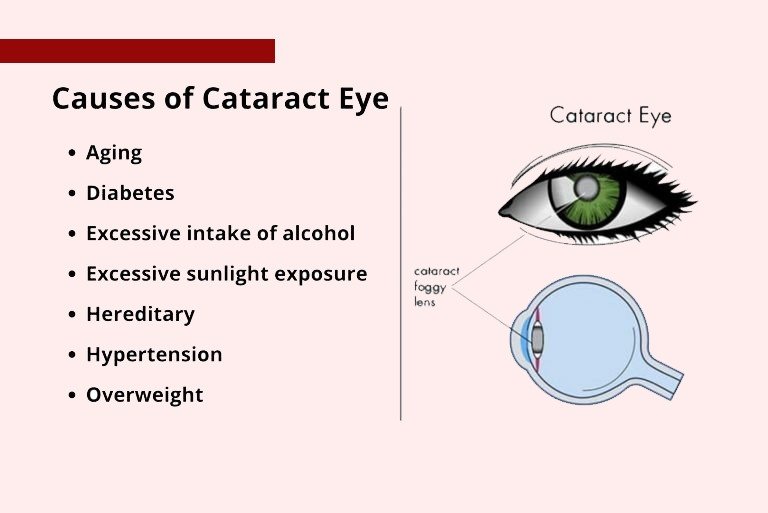
Cataracts can arise from a multitude of factors, with age-related changes, trauma, and genetic predisposition being among the primary contributors.
Age-related changes: One of the most common causes of cataracts is the natural aging process. As we grow older, the proteins in the lens of the eye may begin to break down and clump together, resulting in cloudiness. This gradual deterioration of the lens is a normal part of aging and can eventually lead to the development of cataracts. For instance, imagine an elderly individual who has enjoyed clear vision throughout their life suddenly experiencing difficulty reading due to the clouding of their lens.
Trauma: Physical injury to the eye can also increase the risk of developing cataracts. Trauma, such as a direct blow to the eye or exposure to harmful chemicals, can damage the delicate structures of the eye, including the lens. This damage may trigger the formation of cataracts, impairing vision, and necessitating medical intervention. Consider the case of an athlete who sustains an eye injury during a sporting event, leading to the development of cataracts and subsequent vision impairment.
Genetic predisposition: Genetics can play a significant role in predisposing individuals to cataracts. Some people may inherit certain genetic mutations that make them more susceptible to developing cataracts at an earlier age or under specific circumstances. These genetic predispositions can increase the likelihood of cataract formation, even in the absence of other contributing factors. For example, a person with a family history of cataracts may find themselves facing similar visual challenges as their relatives, highlighting the genetic component of this condition.
By understanding the diverse array of factors that can contribute to the development of cataracts, individuals can better recognize potential risk factors and take proactive measures to preserve their eye health. Whether it’s prioritizing regular eye exams, wearing protective eyewear during physical activities, or managing underlying health conditions, awareness and proactive care are essential in mitigating the impact of cataracts on vision and overall well-being.
Symptoms of Cataracts
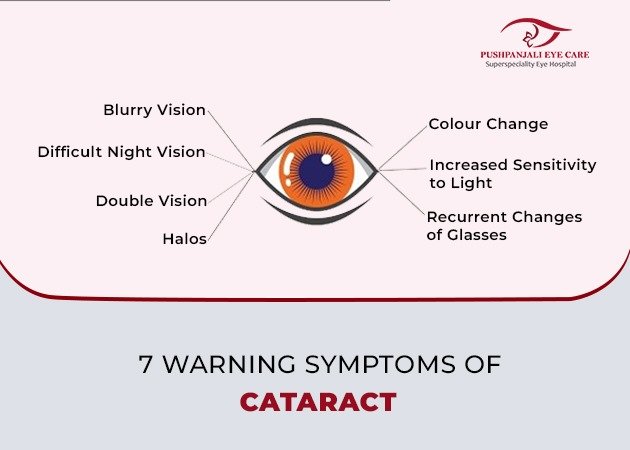
Recognizing the symptoms of cataracts is crucial for early detection and timely intervention to preserve vision. These symptoms can manifest gradually and vary in severity, affecting individuals differently. Here are some common symptoms of cataracts along with real-life examples to help readers understand them more easily:
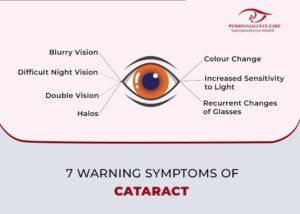
Blurry Vision: One of the hallmark symptoms of cataracts is blurry or cloudy vision. This blurriness can make it challenging to see objects clearly, whether up close or at a distance. Imagine trying to read a book or watch television, only to find that the words or images appear hazy and indistinct, despite having clear vision in the past. This gradual decline in visual clarity is often a telltale sign of cataracts developing in the eye.
Sensitivity to Light: Many individuals with cataracts experience heightened sensitivity to light, known as photophobia. Bright lights, such as sunlight or indoor lighting, may cause discomfort or glare, making it difficult to see clearly. Picture stepping outside on a sunny day and feeling intense discomfort or squinting reflexively due to the glare of the sunlight, a common experience for those with cataracts.
Difficulty Seeing at Night: Cataracts can significantly impact night vision, making it more difficult to see in low-light settings. People with cataracts may struggle with tasks like driving at night or navigating dimly lit areas due to reduced contrast sensitivity and diminished depth perception. For example, after sunset, a person with cataracts might find it challenging to read road signs or detect pedestrians in the dark, creating potentially dangerous situations.
By being aware of these symptoms and their potential impact on daily activities, individuals can seek prompt evaluation by an eye care professional for proper diagnosis and management of cataracts. Early intervention can help preserve vision and improve overall quality of life, allowing individuals to continue enjoying their favorite activities with clarity and confidence.
Risk Factors for Cataracts
While cataracts can affect anyone, certain factors can increase the likelihood of their development. Understanding these risk factors is essential for proactive management and prevention. Here are some key risk factors for cataracts, along with explanations to help readers grasp their significance:
Aging: Perhaps the most significant risk factor for cataracts is advancing age. As we grow older, the proteins in the lens of the eye may change, leading to clouding and opacity. This natural aging process predisposes older adults to cataracts, with the risk increasing substantially after the age of 60. Imagine the lens of the eye as a clear window that gradually becomes frosted over time, impairing vision as the years go by.
Diabetes: Individuals with diabetes are at a higher risk of developing cataracts compared to those without the condition. The elevated levels of blood sugar associated with diabetes can contribute to the accumulation of proteins in the lens, hastening the formation of cataracts. Additionally, diabetes-related complications such as diabetic retinopathy can exacerbate vision problems, further increasing the risk of cataracts. Consider the scenario of a person managing diabetes who experiences worsening vision despite diligent blood sugar control, highlighting the interplay between diabetes and cataract development.
Prolonged Exposure to Sunlight: Chronic exposure to ultraviolet (UV) radiation from sunlight is another significant risk factor for cataracts. UV rays can damage the proteins in the lens and accelerate the aging process of the eye, predisposing individuals to cataract formation. This risk is particularly relevant for individuals who spend a significant amount of time outdoors without adequate eye protection. Imagine spending long hours in the sun without sunglasses or a wide-brimmed hat, unknowingly subjecting the eyes to harmful UV radiation and increasing the risk of cataracts over time.
By recognizing these risk factors and taking appropriate precautions, individuals can mitigate their risk of developing cataracts and maintain optimal eye health as they age. Whether it’s wearing UV-protective sunglasses, managing underlying health conditions like diabetes, or scheduling regular eye exams, proactive measures can make a significant difference in preserving vision and enhancing overall well-being.
Diagnosis of Cataracts
Early detection of cataracts is paramount for effective management and preservation of vision. Diagnosis typically involves a comprehensive eye examination conducted by an eye care professional, such as an optometrist or ophthalmologist. This examination includes several tests and assessments aimed at evaluating the overall health of the eyes and identifying any abnormalities in the lens. Here’s a closer look at the diagnostic process for cataracts, along with recent advancements and research findings:
Comprehensive Eye Exam: The first step in diagnosing cataracts involves a thorough evaluation of the patient’s medical history and symptoms. The eye care provider will inquire about any visual disturbances or changes in vision experienced by the patient. This information helps guide further assessment and treatment planning.
Visual Acuity Test: A visual acuity test is performed to assess the clarity and sharpness of the patient’s vision. During this test, the patient reads from an eye chart (such as the Snellen chart) positioned at a standardized distance. The results of this test provide valuable information about the extent of visual impairment caused by cataracts.
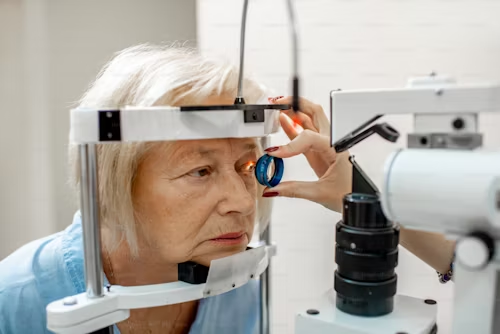
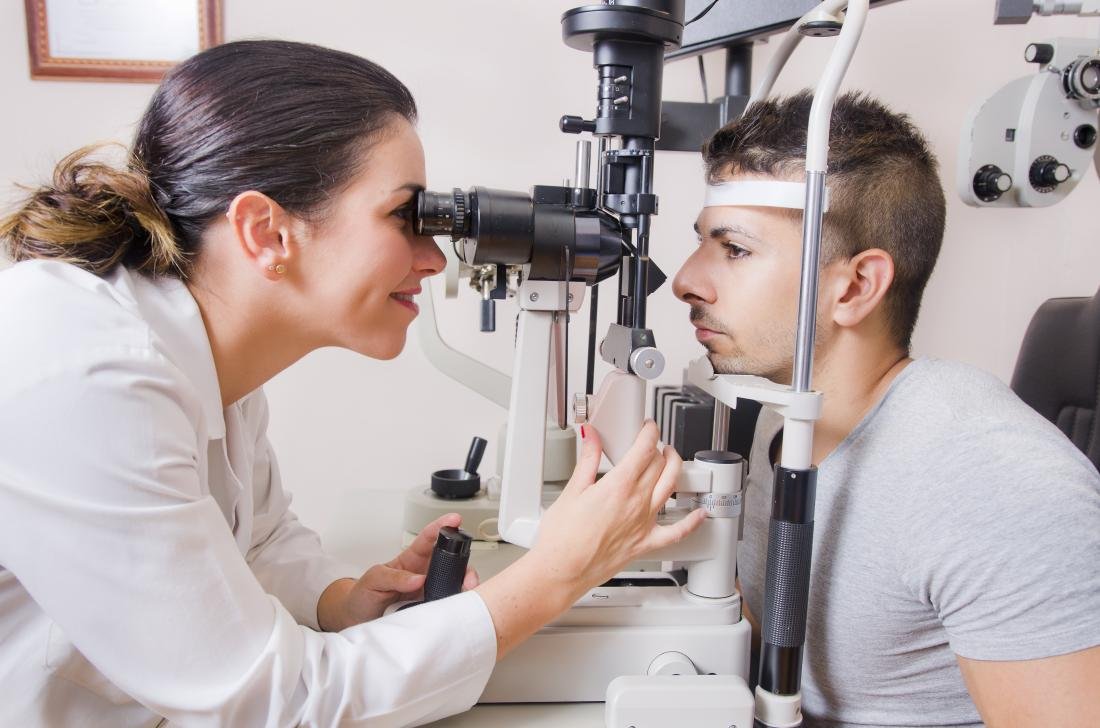
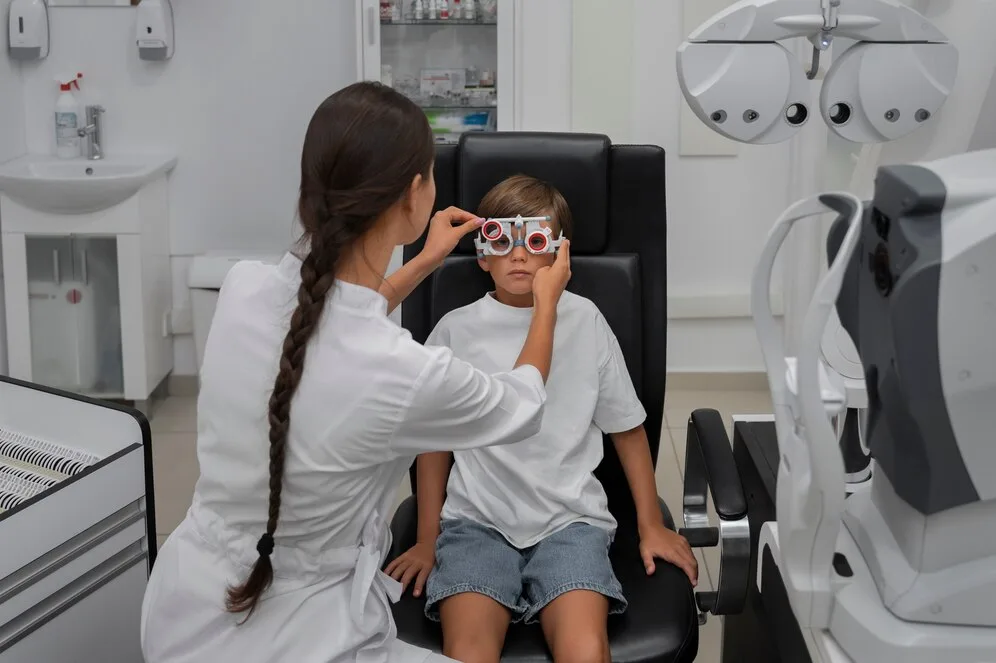
Slit-Lamp Examination: A slit-lamp examination is a specialized procedure that allows the eye care provider to examine the structures of the eye under high magnification. Using a slit lamp—a microscope equipped with a narrow beam of light—the provider can inspect the lens for signs of cloudiness, opacity, or other abnormalities characteristic of cataracts. This examination provides detailed insights into the severity and location of the cataracts, helping guide treatment decisions.
Advanced Imaging Techniques: In recent years, technological advancements have revolutionized the diagnosis of cataracts. Advanced imaging techniques, such as optical coherence tomography (OCT) and ultrasound biomicroscopy (UBM), allow for detailed visualization of the internal structures of the eye, including the lens. These non-invasive imaging modalities provide valuable information about the size, shape, and density of cataracts, facilitating precise diagnosis and treatment planning.
Recent research in the field of cataract diagnosis has focused on the development of innovative diagnostic tools and techniques to improve accuracy and efficiency. For example, researchers are exploring the use of artificial intelligence (AI) algorithms to analyze imaging data and assist in the early detection of cataracts. Additionally, studies have investigated novel biomarkers and genetic markers associated with cataract development, offering potential insights into personalized diagnosis and treatment approaches.
By staying abreast of these advancements and incorporating them into clinical practice, eye care professionals can enhance their ability to diagnose cataracts accurately and efficiently, ultimately improving patient outcomes and quality of life. Early diagnosis remains the cornerstone of effective cataract management, highlighting the importance of regular eye examinations for individuals at risk of developing cataracts.
Image source: Ausmed
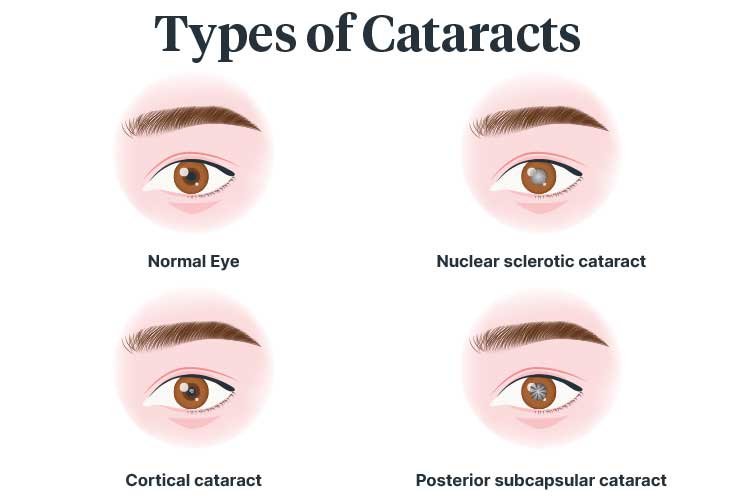
Types of Cataracts
Cataracts can manifest in various forms, each characterized by unique characteristics and effects on vision. Understanding the different types of cataracts is essential for accurate diagnosis and tailored treatment strategies. Here’s a closer look at the three primary types of cataracts, along with real-life examples to illustrate their distinct features:
Nuclear Cataracts
Nuclear cataracts, also known as age-related cataracts, affect the central portion (nucleus) of the lens and are typically associated with aging. As the cataract progresses, the central portion of the lens becomes increasingly opaque, leading to changes in vision. Individuals with nuclear cataracts often experience a gradual decline in near vision, making tasks such as reading or using electronic devices challenging. Imagine an older adult who struggles to read fine print or thread a needle due to the clouding of the central portion of their lens—a hallmark characteristic of nuclear cataracts.
Cortical Cataracts
Cortical cataracts form in the outer layer (cortex) of the lens and are characterized by the presence of wedge-shaped opacities that extend from the periphery towards the center of the lens. These opacities can disrupt the transmission of light through the lens, resulting in visual disturbances such as glare, halos, and reduced contrast sensitivity. Individuals with cortical cataracts may notice difficulty driving at night or seeing clearly in bright sunlight due to the scattered light caused by the cortical opacities. Picture a person driving at dusk who experiences distracting glare from oncoming headlights, a common scenario for those with cortical cataracts.
Subcapsular Cataracts
Subcapsular cataracts develop on the back surface of the lens capsule, near the lens capsule’s outer edge. These cataracts tend to progress rapidly and can have a significant impact on visual acuity, particularly in individuals with pre-existing conditions such as diabetes or steroid use. Subcapsular cataracts are often associated with increased sensitivity to light and glare, as well as difficulty focusing on nearby objects. Consider the case of a middle-aged individual with diabetes who experiences worsening vision and sensitivity to light due to the development of subcapsular cataracts—a challenging complication of their underlying health condition.
By recognizing the distinct characteristics and effects of each type of cataract, eye care professionals can tailor treatment approaches to address the specific needs of individual patients. Whether it’s monitoring the progression of nuclear cataracts in an elderly patient or managing the visual symptoms associated with cortical or subcapsular cataracts, personalized care is essential in optimizing outcomes and preserving vision.
Prevention of Cataracts
Although certain risk factors for cataracts, such as aging and genetics, are beyond our control, there are proactive steps individuals can take to lower their risk of developing this common eye condition. By adopting healthy habits and minimizing exposure to environmental factors that contribute to cataract formation, individuals can safeguard their eye health and potentially delay the onset of cataracts. Here are some preventive measures, along with real-life examples to illustrate their implementation:
Protecting Your Eyes from UV Radiation
Prolonged exposure to ultraviolet (UV) radiation from the sun is a known risk factor for cataracts. To reduce your risk, wear sunglasses that offer UV protection whenever you’re outdoors, especially during peak sunlight hours. Additionally, consider wearing wide-brimmed hats or seeking shade when spending extended periods in direct sunlight. For instance, imagine a beachgoer enjoying a day at the shore while wearing UV-blocking sunglasses and a floppy hat to shield their eyes from harmful UV rays—a simple yet effective way to protect against cataract formation.
Maintaining a Healthy Lifestyle
Adopting a healthy lifestyle can significantly reduce your risk of developing cataracts. Eating a balanced diet rich in fruits, vegetables, and antioxidants can provide essential nutrients that support eye health and protect against oxidative damage. Regular exercise and maintaining a healthy weight can also promote overall well-being and reduce the risk of chronic conditions such as diabetes, which is associated with an increased risk of cataracts. Consider the example of an individual who incorporates colorful fruits and vegetables into their meals, engages in regular physical activity, and maintains a healthy weight as part of their proactive approach to preventing cataracts.
Avoiding Smoking and Excessive Alcohol Consumption
Smoking and excessive alcohol consumption have been linked to an increased risk of cataracts. Quitting smoking and limiting alcohol intake can help reduce oxidative stress and inflammation in the body, thereby lowering the likelihood of cataract development. Imagine a former smoker who decides to quit smoking and limit alcohol consumption after learning about the detrimental effects of these habits on eye health. Over time, they experience improvements in their overall health and a reduced risk of developing cataracts—a positive outcome of their lifestyle changes.
By incorporating these preventive measures into your daily routine, you can take proactive steps to protect your eyes and reduce your risk of developing cataracts. Remember that prevention is key, and investing in your eye health today can help preserve your vision for years to come.
Treatment Options for Cataracts
When it comes to managing cataracts, several treatment options for cataracts are available to address varying degrees of visual impairment and improve overall quality of life. At Pushpanjali Eye Care Hospital, our team of experienced ophthalmologists offers comprehensive care and personalized treatment plans to meet the unique needs of each patient. Here’s an overview of the treatment options for cataracts, along with encouragement for readers to consider booking an appointment with our renowned ophthalmologists for expert care in Kolkata:
Prescription Glasses or Contacts
In the early stages of cataracts, when vision is only mildly affected, prescription glasses or contact lenses may help improve visual clarity and alleviate symptoms such as blurred vision or difficulty reading. These corrective lenses can compensate for the refractive errors caused by the clouding of the lens, allowing patients to maintain functional vision and continue performing daily activities with ease. If you’re experiencing vision changes and suspect cataracts may be the cause, schedule an appointment with one of our skilled ophthalmologists at Pushpanjali Eye Care Hospital for a comprehensive eye examination and personalized vision correction options.
In more advanced cases of cataracts, when vision impairment significantly interferes with daily activities and quality of life, cataract surgery may be recommended. During this minimally invasive procedure, the clouded lens is removed and replaced with an artificial intraocular lens (IOL) to restore clear vision. Cataract surgery is a safe and highly effective treatment option, with millions of successful procedures performed worldwide each year. Our experienced ophthalmic surgeons at Pushpanjali Eye Care Hospital utilize state-of-the-art techniques and technology to ensure optimal outcomes and rapid recovery for our patients. If you’re considering cataract surgery or would like to learn more about your treatment options, we invite you to schedule a consultation with our expert team.
At Pushpanjali Eye Care Hospital, we understand the importance of clear vision and the impact that cataracts can have on your daily life. Our compassionate and dedicated team is committed to providing exceptional care and personalized treatment plans to help you achieve optimal eye health and vision clarity. Don’t let cataracts hold you back—take the first step towards clearer vision and improved quality of life by booking an appointment with our experienced ophthalmologists today.
Cataract Surgery
Cataract surgery is a widely performed and highly effective procedure aimed at restoring clear vision in individuals affected by cataracts. This surgical intervention involves the removal of the clouded natural lens of the eye and its replacement with an artificial intraocular lens (IOL). Here’s a detailed explanation of the cataract surgery process:
Preoperative Evaluation
Before undergoing cataract surgery, patients undergo a comprehensive preoperative evaluation conducted by an ophthalmologist. This evaluation includes a thorough assessment of the patient’s overall eye health, visual acuity, and the severity of the cataract. Additionally, measurements of the eye’s dimensions are taken to determine the appropriate power and type of intraocular lens (IOL) to be implanted during the surgery.
Anesthesia Administration
Cataract surgery is typically performed under local anesthesia, which numbs the eye and surrounding tissues while allowing the patient to remain awake and comfortable throughout the procedure. In some cases, intravenous sedation may also be administered to help the patient relax during the surgery.
Incision Creation
To access the clouded lens, the surgeon creates a small incision in the cornea, the clear, dome-shaped surface covering the front of the eye. This incision may be made manually using a surgical blade or with the assistance of advanced femtosecond laser technology, depending on the surgeon’s preference and the specific characteristics of the patient’s eye.
Lens Extraction
Once the incision is made, the surgeon uses specialized instruments, such as phacoemulsification or femtosecond laser, to break up and remove the clouded lens from the eye. This process involves emulsifying the lens material using ultrasonic energy or laser energy and gently suctioning it out of the eye, leaving behind the capsular bag, a thin, elastic membrane that holds the artificial lens.
Intraocular Lens Implantation
With the natural lens removed, the surgeon inserts a new artificial intraocular lens (IOL) into the capsular bag to replace the cloudy lens. The IOL is selected based on the patient’s unique visual needs and may be monofocal, multifocal, or toric, depending on factors such as the degree of nearsightedness, farsightedness, or astigmatism.
Wound Closure
Once the IOL is securely implanted, the surgeon carefully closes the incision using tiny sutures or self-sealing techniques. In some cases, no sutures are required, and the incision seals naturally.
Postoperative Care
Following cataract surgery, patients are monitored in the recovery area for a brief period before being discharged home. They are provided with detailed postoperative instructions, including the use of prescribed eye drops to promote healing and prevent infection. Patients are typically advised to avoid strenuous activities, rubbing or touching the eye, and swimming or exposing the eye to water for a specified period following surgery.
Follow-up Visits
Patients return to the ophthalmologist for scheduled follow-up visits to assess their progress and monitor for any complications. These visits allow the surgeon to ensure that the eye is healing properly and that visual acuity is improving as expected. Adjustments to medications or additional treatments may be recommended based on the individual patient’s response to surgery.
Cataract surgery is a safe and effective treatment option for restoring clear vision and improving the quality of life in individuals affected by cataracts. With advancements in surgical techniques and technology, including the use of femtosecond laser technology and premium intraocular lenses, patients can achieve excellent visual outcomes and enjoy a rapid recovery with minimal discomfort. If you’re considering cataract surgery or would like to learn more about your treatment options, schedule a consultation with an experienced ophthalmologist at Pushpanjali Eye Care Hospital today.
Post-Surgery Care
After undergoing cataract surgery, proper post-operative care plays a vital role in promoting optimal healing and achieving favorable visual outcomes. Here’s a comprehensive guide to post-surgery care following cataract surgery:
Use of Prescription Eye Drops: Following cataract surgery, patients are prescribed a regimen of medicated eye drops to prevent infection, reduce inflammation, and promote healing. It’s essential to adhere to the prescribed schedule and instructions for administering these eye drops to ensure effective treatment and minimize the risk of complications. Patients should carefully follow the dosage and frequency recommended by their ophthalmologist.
Protection of the Operated Eye: To prevent injury and aid in the healing process, patients are advised to wear a protective eye shield or glasses over the operated eye, especially while sleeping or engaging in activities that may pose a risk of injury. Avoiding rubbing or touching the eye and avoiding exposure to dust, dirt, and foreign particles are also important to prevent irritation and infection.
Avoidance of Strenuous Activities: In the initial days following cataract surgery, patients are advised to avoid strenuous activities, heavy lifting, and bending over to reduce the risk of increased intraocular pressure and potential complications. Activities that may increase the risk of eye trauma, such as contact sports or swimming, should also be avoided during the early stages of recovery.
Follow-up Appointments: Regular follow-up appointments with the ophthalmologist are crucial for monitoring the progress of healing and assessing visual acuity. These appointments allow the ophthalmologist to evaluate the surgical outcome, address any concerns or complications, and make any necessary adjustments to the postoperative treatment plan. Patients should attend all scheduled follow-up visits and promptly report any changes in vision or symptoms to their healthcare provider.
Adherence to Medication Regimen: It’s essential for patients to adhere to the prescribed medication regimen and complete the full course of eye drops as directed by their ophthalmologist. Failure to comply with the prescribed treatment regimen may compromise the healing process and increase the risk of postoperative complications. Patients should notify their healthcare provider if they experience any adverse reactions or side effects from the prescribed medications.
Monitoring for Complications: Cataract surgery is generally safe, but complications can occasionally arise during the postoperative period. Patients should be vigilant for signs of infection, such as increased redness, pain, swelling, or discharge from the eye, and report any concerning symptoms to their healthcare provider immediately. Other potential complications, such as increased intraocular pressure or retinal detachment, should also be promptly addressed to prevent further damage to the eye.
By following these post-surgery care guidelines and maintaining regular communication with their healthcare provider, patients can facilitate a smooth recovery process and achieve optimal visual outcomes following cataract surgery. If you have recently undergone cataract surgery or are preparing for the procedure, consult with your ophthalmologist for personalized post-operative care instructions tailored to your specific needs and circumstances.
Complications of Cataract Surgery
Cataract surgery is considered one of the safest and most effective surgical procedures, with high success rates and minimal risk of complications. However, as with any surgical intervention, there are potential risks associated with cataract surgery that patients should be aware of. While these complications are relatively rare, it’s essential to understand them to make informed decisions and take appropriate precautions. Here are some of the potential complications of cataract surgery:
Infection (Endophthalmitis): One of the most serious complications of cataract surgery is the risk of developing an intraocular infection, known as endophthalmitis. This rare but potentially sight-threatening complication can occur when bacteria or other microorganisms enter the eye during or after surgery. Symptoms of endophthalmitis may include severe eye pain, redness, swelling, decreased vision, and discharge from the eye. Prompt treatment with antibiotics and anti-inflammatory medications is essential to prevent permanent vision loss.
Inflammation (Uveitis): Inflammation of the eye, or uveitis, can occur as a complication of cataract surgery, particularly in individuals with pre-existing inflammatory conditions or a history of ocular inflammation. Post-operative uveitis may manifest as redness, pain, light sensitivity, and blurred vision. Treatment typically involves the administration of anti-inflammatory medications, such as steroid eye drops, to reduce inflammation and promote healing.
Increased Intraocular Pressure (IOP): Some patients may experience an increase in intraocular pressure (IOP) following cataract surgery, a condition known as ocular hypertension. Elevated IOP can occur due to various factors, including inflammation, retained lens material, or improper wound closure. If left untreated, increased IOP can lead to glaucoma and optic nerve damage. Monitoring of IOP and appropriate management with medications or surgical interventions may be necessary to prevent complications.
Capsular Opacification (Posterior Capsule Opacification): Following cataract surgery, a thin, transparent membrane called the posterior capsule may become cloudy or opaque over time, leading to a gradual decrease in visual acuity. This condition, known as capsular opacification or posterior capsule opacification, can mimic the symptoms of cataracts and may require a secondary procedure called posterior capsulotomy to restore clear vision. During this procedure, the cloudy posterior capsule is precisely opened or removed using laser technology or specialized instruments.
Retinal Detachment: In rare cases, cataract surgery may increase the risk of retinal detachment, a serious eye condition characterized by the separation of the retina—the light-sensitive tissue lining the back of the eye—from its underlying layers. Symptoms of retinal detachment may include sudden flashes of light, floaters in the field of vision, and a curtain-like shadow or loss of peripheral vision. Prompt diagnosis and surgical repair are essential to prevent permanent vision loss.
While these complications are relatively uncommon, it’s important for patients to be aware of the potential risks associated with cataract surgery and to discuss any concerns with their ophthalmologist before undergoing the procedure. By choosing an experienced and skilled surgeon, adhering to preoperative and postoperative instructions, and attending all scheduled follow-up appointments, patients can minimize their risk of complications and achieve successful outcomes following cataract surgery.
Alternative Treatments
While conventional treatments such as prescription glasses, contact lenses, and cataract surgery are the primary methods for managing cataracts, certain lifestyle changes and dietary supplements may offer additional support in slowing the progression of this common eye condition. Incorporating these alternative treatments into your routine may help promote eye health and preserve vision. Here are some alternative treatments for cataracts:
Healthy Diet: A diet rich in antioxidants, vitamins, and minerals may help protect against oxidative damage and slow the progression of cataracts. Foods high in antioxidants, such as fruits, vegetables, nuts, and seeds, can help neutralize free radicals and reduce inflammation in the eyes. Consider incorporating colorful fruits and vegetables like spinach, kale, carrots, berries, and citrus fruits into your meals to support eye health.
Eye Health Supplements: Certain dietary supplements containing antioxidants, vitamins, and minerals may complement a healthy diet and support eye health. Supplements such as vitamin C, vitamin E, beta-carotene, lutein, zeaxanthin, and omega-3 fatty acids have been studied for their potential benefits in reducing the risk of cataracts and age-related macular degeneration. Before starting any supplement regimen, consult with your healthcare provider to determine the appropriate dosage and ensure compatibility with any existing medications or health conditions.
UV Protection: Protecting your eyes from harmful ultraviolet (UV) radiation is essential for maintaining eye health and reducing the risk of cataracts. Wear sunglasses that block 100% of UVA and UVB rays whenever you’re outdoors, especially during peak sunlight hours. Additionally, consider wearing wide-brimmed hats or seeking shade to further shield your eyes from UV exposure.
Smoking Cessation: Smoking has been linked to an increased risk of cataracts and other eye diseases. If you smoke, quitting smoking can help reduce your risk of cataract formation and promote overall eye health. Seek support from healthcare professionals, smoking cessation programs, or support groups to successfully quit smoking and improve your eye health.
Regular Eye Exams: Routine eye examinations are essential for detecting cataracts and other eye conditions early when they are most treatable. Schedule regular comprehensive eye exams with an optometrist or ophthalmologist to monitor your eye health and address any concerns promptly.
While these alternative treatments may help support overall eye health and slow the progression of cataracts, it’s important to remember that they are not substitutes for conventional medical treatments. If you have been diagnosed with cataracts or are experiencing changes in your vision, consult with your eye care provider to discuss the most appropriate treatment options for your individual needs. By taking a proactive approach to eye health and incorporating lifestyle changes and supplements as recommended, you can help preserve your vision and maintain optimal eye health for years to come.
Living with Cataracts
Adjusting to life with cataracts can present challenges as the condition progresses, but with proper support and adaptation, individuals can maintain a fulfilling lifestyle. Here’s how real-life examples illustrate the experience of living with cataracts and the importance of seeking assistance and support:
Adjustments to Daily Activities: As cataracts gradually impair vision, individuals may find it increasingly difficult to perform daily activities that once seemed effortless. Simple tasks such as reading, driving, cooking, or recognizing faces may become challenging due to blurred or cloudy vision. For example, imagine a retired couple who enjoys reading books together in the evenings. As one spouse develops cataracts, they struggle to read the text clearly, leading to frustration and a loss of enjoyment in their shared activity. In response, they may adjust their routine by using brighter lighting, using magnifying devices, or listening to audiobooks instead.
Seeking Support and Assistance: Recognizing the impact of cataracts on daily life, individuals may seek support and assistance from family members, friends, or community resources. For instance, a senior citizen experiencing difficulty with household chores due to cataracts may enlist the help of a caregiver or family member to assist with cleaning, cooking, or running errands. Similarly, support groups or vision rehabilitation programs can provide valuable guidance, encouragement, and practical tips for coping with cataracts and maintaining independence.
Exploring Treatment Options: While cataracts may pose challenges, individuals living with this condition have access to various treatment options, including prescription glasses, contact lenses, and cataract surgery. By consulting with an eye care professional, individuals can explore treatment options tailored to their specific needs and preferences. For example, a working professional experiencing difficulty with vision due to cataracts may opt for cataract surgery to restore clear vision and improve job performance.
Embracing Assistive Technology: In today’s digital age, assistive technology plays a crucial role in enhancing accessibility and quality of life for individuals with vision impairment. Devices such as magnifiers, screen readers, and voice-activated assistants can help individuals with cataracts navigate technology and stay connected with the world around them. Consider the example of a retiree who enjoys using a tablet to stay in touch with family and friends. As cataracts impact their ability to see the screen clearly, they may rely on accessibility features such as screen magnification or voice commands to continue using their device independently.
By making adjustments to daily activities, seeking support from loved ones and community resources, exploring treatment options, and embracing assistive technology, individuals living with cataracts can maintain independence, quality of life, and overall well-being. It’s essential to approach cataracts with a proactive mindset and utilize available resources to address challenges and adapt to changes in vision effectively.
Future Outlook
The future of cataract treatment holds promise, thanks to ongoing advancements in medical technology and research. These innovations aim to further improve outcomes for patients, enhance treatment options, and develop more effective strategies for managing and preventing cataracts. Here’s a glimpse into the future outlook for cataract treatment:
Technological Advancements
Rapid advancements in surgical techniques, instrumentation, and intraocular lens (IOL) technology are revolutionizing cataract surgery and improving visual outcomes for patients. Innovative technologies such as femtosecond laser-assisted cataract surgery (FLACS), which offers greater precision and customization during lens removal, are becoming increasingly accessible. Additionally, advancements in IOL design, including multifocal and extended depth of focus (EDOF) lenses, aim to provide patients with enhanced visual acuity at various distances, reducing the need for corrective eyewear post-surgery.
Minimally Invasive Procedures
The future of cataract treatment is moving towards less invasive and more patient-friendly procedures. Minimally invasive techniques, such as micro-incision cataract surgery (MICS) and topical anesthesia, offer shorter recovery times, reduced postoperative discomfort, and improved safety profiles compared to traditional cataract surgery. These advancements enable patients to undergo surgery with confidence and minimal disruption to their daily lives.
Targeted Pharmacotherapy
Research into pharmacological interventions for cataracts aims to develop targeted therapies that can slow or prevent cataract formation. Promising compounds, such as antioxidants, anti-inflammatory agents, and lens protein inhibitors, are being investigated for their potential to delay the progression of cataracts and preserve vision. These pharmacotherapeutic approaches may offer additional options for patients who are not candidates for surgery or wish to delay the need for invasive treatment.
Personalized Medicine
The future of cataract treatment may involve personalized approaches tailored to individual patient characteristics and preferences. Advances in genetic testing and biomarker identification may enable clinicians to identify individuals at higher risk of developing cataracts and tailor treatment strategies accordingly. Personalized medicine approaches may also optimize surgical planning and postoperative care, leading to improved outcomes and patient satisfaction.
Preventive Strategies
Research efforts are underway to identify modifiable risk factors for cataracts and develop preventive strategies aimed at reducing the incidence and severity of this common eye condition. Lifestyle interventions, such as dietary modifications, smoking cessation, and UV protection, may play a crucial role in preventing cataracts and preserving long-term eye health. Additionally, public health initiatives and education campaigns aim to raise awareness about the importance of regular eye exams and early detection of cataracts.
Overall, the future outlook for cataract treatment is promising, with continued advancements in technology, research, and clinical practice poised to transform the management and prevention of this prevalent eye condition. By harnessing the power of innovation and collaboration, healthcare professionals can provide patients with more effective treatment options, improved visual outcomes, and a brighter future for eye health.
Conclusion
Understanding cataracts is paramount for early detection and effective management. By familiarizing themselves with the causes, symptoms, and treatment modalities available for cataracts, individuals can empower themselves to take proactive measures to safeguard their vision and maintain optimal eye health. Whether it’s through lifestyle modifications, regular eye exams, or advanced surgical interventions, prioritizing eye health can lead to better outcomes and enhanced quality of life. If you have concerns about your vision or are seeking expert guidance on cataract treatment options in Kolkata, we invite you to schedule a consultation or seek a second opinion at Pushpanjali Eye Care Hospital. Our dedicated team of ophthalmologists and state-of-the-art facilities are here to support you on your journey towards clearer vision and improved eye health.
Don’t wait, take the first step toward a better vision. Book your appointment at Pushpanjali Eye Care today!
FAQs (Frequently Asked Questions
Can cataracts be prevented?
While certain risk factors for cataracts are unavoidable, adopting a healthy lifestyle and protecting your eyes from UV radiation can help reduce your risk.
Is cataract surgery safe?
Yes, cataract surgery is considered a safe and effective procedure, with a high success rate and minimal risk of complications.
How long does it take to recover from cataract surgery?
Most patients experience significant improvement in vision within a few days to weeks after cataract surgery, with full recovery typically achieved within a few months.
Are there any alternative treatments for cataracts?
While prescription glasses or contacts are the primary treatment options for cataracts, certain lifestyle changes and dietary supplements may help slow the progression of the condition.
What should I do if I notice symptoms of cataracts?
If you experience symptoms such as blurry vision or difficulty seeing at night, it’s essential to schedule an eye exam with an ophthalmologist for proper diagnosis and management.
Welcome to the blog of Pushpanjali Eye Hospital, where we are dedicated to preserving your vision and providing the best possible eye care in Kolkata. In this comprehensive blog, we aim to shed light on glaucoma, a group of eye conditions that can lead to vision loss if left untreated. By exploring its causes, symptoms, and treatment options, we hope to empower you with the knowledge to protect your precious eyesight.
What is Glaucoma?
Understanding Glaucoma
Glaucoma represents a progressive eye ailment marked by the deterioration of the optic nerve, frequently correlated with heightened intraocular pressure (IOP). This elevation in pressure can gradually inflict damage to one’s vision and, if left unaddressed, could culminate in irreversible blindness. Aptly coined as the “silent thief of sight,” glaucoma is notorious for advancing stealthily, often evading detection until its advanced stages. Thus, emphasizing the significance of routine eye evaluations at a reputable eye hospital in Kolkata becomes imperative for timely identification and adept management of this condition.
Key Aspects of Glaucoma
Understanding the nuanced intricacies of glaucoma is pivotal for fostering awareness and facilitating proactive measures to combat its detrimental effects. By recognizing its underlying mechanisms, such as elevated intraocular pressure and optic nerve damage, individuals can prioritize regular eye check-ups as a preventive measure against potential vision loss. As glaucoma predominantly operates surreptitiously, early intervention facilitated by comprehensive screenings at esteemed eye hospitals like ours in Kolkata can significantly bolster the prospects of effective treatment and vision preservation.
Causes of Glaucoma:
Imbalance in Aqueous Humor
Glaucoma often stems from an imbalance in the production and drainage of aqueous humor, the fluid within the eye. When this fluid fails to drain properly, it accumulates, resulting in increased intraocular pressure (IOP). Over time, this elevated pressure can inflict damage on the optic nerve, leading to glaucoma.
Age-related Factors
Advancing age is a significant risk factor for glaucoma, particularly in individuals over the age of 60. As age increases, the risk of developing glaucoma also rises, underscoring the importance of regular eye examinations, especially among the elderly population.
Genetic Predisposition
Genetics plays a pivotal role in predisposing individuals to glaucoma. A family history of the condition significantly increases one’s susceptibility, highlighting the importance of genetic screening and familial awareness in identifying individuals at risk.
Eye Conditions
Certain pre-existing eye conditions, such as myopia (nearsightedness) or hyperopia (farsightedness), can elevate the risk of developing glaucoma. Individuals with these conditions should undergo regular eye check-ups to monitor their eye health and detect any signs of glaucoma early on.
Underlying Medical Conditions
Medical conditions like diabetes and hypertension can contribute to the development of glaucoma. These systemic conditions can affect the overall health of the eye and increase intraocular pressure, thereby exacerbating the risk of optic nerve damage and glaucoma progression.
Ethnic Predispositions
Certain ethnic groups, including individuals of African, Hispanic, and Asian descent, are at a heightened risk of developing glaucoma. This ethnic predisposition underscores the importance of targeted screening and early intervention initiatives within these populations to mitigate the burden of glaucoma-related vision loss.
Symptoms of Glaucoma
Asymptomatic Progression
Glaucoma often advances stealthily in its early stages, with no overt symptoms evident to the individual. This silent progression underscores the importance of routine eye examinations, particularly for individuals at risk of developing glaucoma.
Blurred Vision
As glaucoma advances, individuals may notice a gradual deterioration in their vision, characterized by blurred or hazy vision. This blurriness can affect central or peripheral vision and may worsen over time if left untreated.
Severe Eye Pain
In some cases, individuals with glaucoma may experience intense eye pain, often described as a deep, throbbing sensation. This pain may be accompanied by headaches and nausea, further exacerbating discomfort and impacting overall quality of life.
Halos Around Lights:
Glaucoma can cause visual disturbances such as halos or glare around lights, particularly in low-light conditions. These halos may appear as shimmering rings or circles around light sources, impairing visual clarity and perception.
Sudden Vision Disturbances
Individuals with glaucoma may experience sudden changes in their vision, especially when transitioning between light environments. These disturbances may manifest as fleeting episodes of vision loss or visual fluctuations, highlighting the dynamic nature of glaucoma-related symptoms.
Gradual Peripheral Vision Loss
As glaucoma progresses, individuals may notice a gradual loss of peripheral (side) vision, often referred to as tunnel vision. This narrowing of the visual field can significantly impact spatial awareness and mobility, posing safety risks in daily activities.
Increased Sensitivity to Light
Glaucoma can heighten sensitivity to light, causing discomfort or irritation in brightly lit environments. Individuals may find themselves squinting or shielding their eyes from light sources to alleviate discomfort.
Decreased Contrast Sensitivity
Glaucoma can diminish contrast sensitivity, making it challenging to distinguish between objects of similar shades or colors. This reduction in contrast perception can impact tasks such as reading, driving, and navigating unfamiliar environments.
Visual Distortions
In advanced stages of glaucoma, individuals may experience visual distortions, such as straight lines appearing wavy or distorted. These distortions can significantly impair visual acuity and hinder daily activities requiring accurate perception.
Treatment Options at Pushpanjali Eye Hospital
Early detection is paramount for effective glaucoma management. At Pushpanjali Eye Hospital, the best eye hospital in Kolkata, our experienced ophthalmologists utilize advanced diagnostic tools to detect glaucoma in its initial stages. Treatment options may include prescription eye drops or oral medications to lower intraocular pressure, laser therapy procedures like laser trabeculoplasty to improve fluid drainage, microsurgery such as trabeculectomy to create new drainage channels, and minimally invasive glaucoma surgery (MIGS) with shorter recovery times. Regular monitoring and follow-ups are crucial to track disease progression and adjust treatment plans as needed.
Why Choose Pushpanjali Eye Hospital?
At Pushpanjali Eye Hospital, we pride ourselves on our commitment to excellence, combining expertise, advanced technology, and compassionate care to deliver the best outcomes for our patients. Our dedicated team of ophthalmologists and support staff are passionate about preserving your vision and enhancing your overall eye health.
Conclusion
In the pursuit of maintaining healthy eyes, knowledge is key. Understanding glaucoma, its causes, symptoms, and treatment options empowers you to take proactive steps toward eye care. Whether you’re experiencing vision-related issues or are due for a routine eye check-up, trust Pushpanjali Eye Hospital, the best eye hospital in Kolkata, to provide comprehensive and personalized care tailored to your unique needs. Your vision is our priority, and we’re here to support you every step of the way.
Welcome to Pushpanjali Eye Hospital, renowned as one of the best eye hospitals in Kolkata, where we prioritize your vision and eye health. In this comprehensive guide, we delve into the world of refractive errors — a prevalent vision issue affecting millions worldwide. Let’s explore the causes, symptoms, treatments, and preventive measures to ensure optimal eye health.
Table of Contents
What are Refractive Errors?
Refractive errors are common vision issues that occur when the shape of the eye prevents light from focusing directly on the retina. This results in blurred vision, making it challenging to see objects. The main types of refractive errors include:
Myopia (Nearsightedness): Myopia causes close-range objects to appear clear while distant objects appear blurry. It occurs when the eyeball is too long or the cornea is excessively curved, causing light rays to focus in front of the retina rather than directly on it.
Hyperopia (Farsightedness): Hyperopia allows distant objects to be seen more clearly than close ones. It typically results from an eyeball that is too short or a cornea with insufficient curvature, causing light to focus behind the retina instead of directly on it.
Astigmatism: Astigmatism causes blurred or distorted vision due to irregularities in the shape of the cornea or lens. These irregularities can result in multiple focal points within the eye, leading to difficulties in focusing light properly onto the retina.
Presbyopia: Presbyopia is an age-related condition characterized by difficulty in focusing on close objects. It occurs due to a gradual loss of elasticity in the lens of the eye, making it harder to adjust focus for near-vision tasks as we age.
Causes of Refractive Errors:
Pushpanjali Eye Hospital
Several factors contribute to refractive errors, including:
Genetics: A significant determinant in the development of refractive errors is genetics. Individuals with a family history of refractive errors are more prone to experiencing similar visual issues. Genetic predispositions can influence the shape and structure of the eye, impacting its ability to focus light properly onto the retina.
Eye Structure: Abnormalities in the length or shape of the eye can contribute to refractive errors. These structural irregularities may include variations in the curvature of the cornea, the length of the eyeball, or the shape of the lens. Such deviations from the norm can disrupt the normal refractive process, leading to blurred vision and other visual disturbances.
Age: The natural aging process plays a significant role in the development of refractive errors, particularly presbyopia. As individuals age, the lens of the eye gradually loses its flexibility and ability to change shape, making it challenging to focus on nearby objects. This age-related decline in accommodation commonly manifests as difficulty reading small print or performing close-up tasks.
Symptoms of Refractive Errors:
Recognizing the signs of refractive errors is crucial for early intervention. Common symptoms include:
Blurred or distorted vision
Eye strain or discomfort
Headaches
Squinting
Difficulty seeing at night
If you experience any of these symptoms, it’s essential to consult an eye care professional for a comprehensive eye examination.
Treatments for Refractive Errors:
Pushpanjali Eye Hospital, recognized as one of the best eye hospitals in Kolkata, offers a range of advanced treatments for refractive errors:
Eyeglasses:
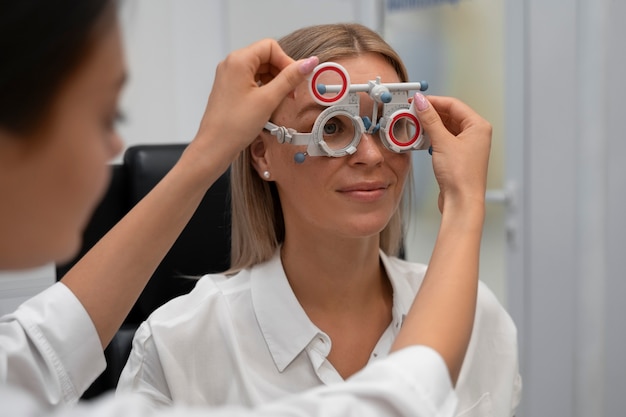
Prescription glasses remain a cornerstone in the management of refractive errors. Tailored to individual prescriptions, these glasses provide a simple yet highly effective solution for correcting myopia, hyperopia, astigmatism, and presbyopia. Our expert optometrists meticulously assess your vision needs and prescribe the appropriate lenses to restore clarity and visual acuity.
Contact Lenses:
For those seeking an alternative to eyeglasses, contact lenses offer a convenient and comfortable option. Whether soft, rigid gas-permeable, or specialty lenses, our experienced eye care professionals ensure a precise fit and optimal vision correction. Contact lenses provide excellent visual clarity while offering the freedom of unhindered peripheral vision, making them an ideal choice for many individuals.
Refractive Surgery (LASIK):
Pushpanjali Eye Hospital specializes in advanced refractive surgeries, including LASIK (Laser-Assisted In Situ Keratomileusis). This minimally invasive procedure utilizes state-of-the-art laser technology to reshape the cornea, correcting refractive errors and reducing dependence on corrective eyewear. Our skilled ophthalmic surgeons perform LASIK with precision and safety, delivering outstanding visual outcomes and rapid recovery for our patients.
Lens Implants (Intraocular Lenses – IOLs):
In cases where refractive errors coexist with other ocular conditions or where surgical intervention is preferred, lens implants offer a viable solution. Intraocular lenses (IOLs) can be surgically implanted to replace the eye’s natural lens, providing clear vision at various distances. Whether accommodating, multifocal, or toric IOLs, our surgeons customize the implant selection to meet each patient’s unique visual needs, ensuring optimal visual outcomes and improved quality of life.
FAQs
What are refractive errors, and how do they affect vision?
Refractive errors are common vision conditions caused by abnormalities in the shape of the eye, leading to difficulties in focusing light onto the retina. This results in blurred vision, making it challenging to see objects clearly. Various types of refractive errors include myopia (nearsightedness), hyperopia (farsightedness), astigmatism, and presbyopia.
What are the common symptoms of refractive errors?
Common symptoms of refractive errors include blurred or distorted vision, eye strain or discomfort, headaches, squinting, and difficulty seeing at night. Recognizing these signs is crucial for early intervention and effective management of refractive errors.
What are the main causes of refractive errors?
Refractive errors can be caused by several factors, including genetics (family history of refractive errors), abnormalities in the eye’s structure (such as variations in the length or shape of the eyeball), and age-related changes (such as presbyopia, which occurs due to a loss of flexibility in the eye’s lens).
What are the available treatments for refractive errors?
Treatment options for refractive errors include prescription eyeglasses, contact lenses, refractive surgery (such as LASIK), and lens implants (intraocular lenses – IOLs). These treatments aim to correct the refractive error and improve visual acuity, providing individuals with clearer vision and reduced dependence on corrective eyewear.
Are there any preventive measures to reduce the risk of developing refractive errors?
While some factors leading to refractive errors, such as genetics and age-related changes, are beyond our control, certain preventive measures can promote eye health. These include scheduling regular eye examinations to detect refractive errors early, maintaining a healthy lifestyle with a balanced diet and regular exercise, protecting the eyes from injury with appropriate eyewear, and reducing eye strain by ensuring proper lighting and limiting screen time. Taking these preventive measures can help preserve vision and reduce the risk of developing refractive errors.
Preventive Measures:
While some factors leading to refractive errors are beyond our control, certain preventive measures can promote eye health:
Regular Eye Exams: Schedule routine eye examinations to detect and address refractive errors early.
Eye-Friendly Environment: Ensure proper lighting and reduce screen time to alleviate eye strain.
Protective Eyewear: Use appropriate eyewear for activities that pose a risk of eye injury.
Healthy Lifestyle: Maintain a balanced diet rich in eye-friendly nutrients and stay physically active.
At Pushpanjali Eye Hospital, our dedicated team of eye care professionals is committed to providing personalized solutions for refractive errors. As one of the best eye hospitals in Kolkata, we blend expertise with compassion to safeguard your precious gift of sight. Don’t compromise on your vision — trust Pushpanjali Eye Hospital for comprehensive eye care services. Your journey to a clearer vision begins with us!
Welcome to the blog page of Pushpanjali Eye Care, one of the best eye hospitals in Kolkata. Here in this blog, we will share with you the details about cataracts their symptoms, treatments, and preventions.
[ez-toc]
Cataract, a prevalent eye ailment affecting millions globally, poses a significant threat to vision health and, if untreated, can result in blindness. In this comprehensive discourse, Pushpanjali Eye Hospital in Kolkata illuminates the intricacies of cataracts, encompassing symptoms, treatment modalities, and preventive strategies. As a distinguished eye care institution in Kolkata, our mission is to disseminate valuable insights and deliver top-tier eye care services.
What is a Cataract?
A cataract refers to the clouding of the eye’s natural lens, resulting in impaired vision characterized by distortion or dimness. Although cataracts commonly emerge as part of the aging process, various factors such as genetic predisposition, specific medications, and underlying health conditions can contribute to their formation. This opacity in the lens obstructs the passage of light to the retina, thereby compromising visual clarity and acuity.
As cataracts progress, individuals may experience a gradual decline in vision, making daily tasks increasingly challenging. Recognizing the onset of cataracts and seeking timely intervention is crucial for preserving visual function and quality of life. At Pushpanjali Eye Hospital in Kolkata, we specialize in diagnosing and treating cataracts, ensuring personalized care and optimal outcomes for our patients. With our expertise and state-of-the-art technology, we strive to alleviate the impact of cataracts and restore clear vision, empowering individuals to lead fulfilling lives.
Symptoms of Cataract
Identifying the early symptoms of cataracts is essential for prompt diagnosis and intervention to preserve optimal vision health. These common indicators encompass a range of visual disturbances that may gradually worsen over time:
Blurred or Cloudy Vision: One of the hallmark signs of cataracts is a gradual decline in visual clarity, leading to blurred or hazy vision. Objects may appear fuzzy or unclear, even with corrective lenses.
Sensitivity to Light and Glare: Individuals with cataracts often experience heightened sensitivity to light, making it uncomfortable to be exposed to bright or glaring light sources. This sensitivity may manifest as squinting or discomfort in brightly lit environments.
Nocturnal Vision Impairment: Cataracts can significantly impair vision in low-light conditions, such as during nighttime or in dimly lit environments. This can make it challenging to navigate and perform tasks in settings with reduced illumination.
Diminished Perception of Colors: Another common symptom of cataracts is a gradual loss of color perception. Colors may appear faded, dull, or less vibrant than usual, making it difficult to distinguish between shades and hues.
Double Vision in One Eye: Cataracts can cause double vision or ghosting of images, particularly in one eye. This phenomenon occurs when the clouded lens refracts light unevenly, resulting in overlapping or duplicated images.
Frequent Alterations in Prescription Glasses: Individuals with cataracts may notice frequent changes in their prescription glasses as their vision continues to deteriorate. Despite updating their eyewear, they may still experience persistent visual disturbances.
Treatments for Cataracts
Surgical Intervention: Cataracts can be effectively treated through surgical procedures. At Pushpanjali Eye Hospital, our skilled ophthalmologists specialize in performing cataract surgery using advanced techniques and state-of-the-art equipment.
Cataract Surgery: Cataract surgery is a routine and safe procedure aimed at restoring clear vision. During the surgery, the clouded natural lens of the eye is carefully removed and replaced with an artificial intraocular lens (IOL). This replacement lens serves to restore visual clarity and functionality.
Cutting-Edge Technology: Our hospital employs cutting-edge technology and innovative surgical techniques to ensure precise and effective cataract removal. This includes advanced imaging systems and microsurgical instruments, allowing for optimal surgical outcomes and patient satisfaction.
Personalized Treatment: Each patient’s condition is unique, and we prioritize personalized care to address their specific needs. Our team of experienced ophthalmologists conducts thorough assessments and develops customized treatment plans tailored to individual requirements.
Premier Eye Care: At Pushpanjali Eye Hospital, our unwavering dedication to providing premier eye care in Kolkata ensures that patients receive the highest standard of treatment and attention. From pre-operative evaluations to post-operative care, we strive to deliver comprehensive and compassionate services to enhance vision and improve quality of life.
Preventive Measures
While cataracts predominantly manifest with age, adopting certain preventive measures can forestall their onset:
Embrace a Healthy Lifestyle
Cultivating a healthy lifestyle is paramount for maintaining optimal eye health and reducing the risk of cataracts. This includes:
Consuming a Nutrient-Rich Diet: Incorporating foods rich in antioxidants, vitamins, and minerals, such as fruits, vegetables, nuts, and whole grains, can help protect the eyes from oxidative damage and support overall eye health.
Engaging in Regular Physical Activity: Regular exercise promotes circulation and cardiovascular health, which are vital for maintaining healthy eyes. Aim for at least 30 minutes of moderate-intensity exercise most days of the week.
Abstaining from Smoking: Smoking has been linked to an increased risk of cataracts and other eye conditions. Quitting smoking or avoiding exposure to secondhand smoke can significantly reduce the likelihood of developing cataracts.
UV Protection
Shielding your eyes from harmful ultraviolet (UV) rays is crucial for reducing the risk of cataracts and other eye-related issues. Here’s how you can protect your eyes:
Wear Sunglasses: Invest in high-quality sunglasses that offer 100% UV protection. Look for sunglasses labeled with UV400 or 100% UV protection to ensure maximum coverage against both UVA and UVB rays.
Choose Wraparound Styles: Opt for sunglasses with wraparound frames or large lenses to provide additional protection by minimizing exposure to UV rays from the sides.
Routine Eye Examinations
Regular eye examinations play a pivotal role in early detection and intervention for various eye conditions, including cataracts. Here’s why routine eye check-ups are essential:
Early Detection: Routine eye exams enable early detection of cataracts and other eye disorders, allowing for prompt intervention and treatment.
Comprehensive Evaluation: During an eye exam, an ophthalmologist or optometrist will assess various aspects of your eye health, including visual acuity, intraocular pressure, and the health of the lens and retina.
Personalized Care: Regular visits to esteemed eye care centers like Pushpanjali Eye Hospital in Kolkata ensure that you receive personalized care and tailored treatment plans to address any underlying eye health concerns effectively.
Why Choose Pushpanjali Eye Hospital?
As a revered eye care establishment in Kolkata, Pushpanjali Eye Hospital is steadfast in furnishing comprehensive eye care services. Our adept team of ophthalmologists, armed with state-of-the-art technology, ensures precise diagnosis and efficacious treatment. Specializing in cataract surgery, we deliver personalized care aimed at enhancing vision and enriching the quality of life for our esteemed patients.
FAQs
What is a cataract, and how does it affect vision?
A cataract is a clouding of the eye’s natural lens, leading to vision distortion or dimness. This cloudiness obstructs the passage of light to the retina, resulting in blurred or hazy vision, difficulty seeing in low-light conditions, and reduced color perception.
What are the common symptoms of cataracts?
Common symptoms of cataracts include blurred or cloudy vision, sensitivity to light and glare, difficulty seeing at night, fading or yellowing of colors, double vision in one eye, and frequent changes in prescription glasses.
What are the treatment options available for cataracts?
The primary treatment for cataracts is surgical intervention. Cataract surgery involves removing the clouded lens and replacing it with an artificial intraocular lens (IOL) to restore clear vision. At Pushpanjali Eye Hospital, our experienced ophthalmologists perform state-of-the-art cataract surgery using advanced techniques and equipment.
Can cataracts be prevented?
While cataracts are often age-related, certain preventive measures can help delay their onset. These include maintaining a healthy lifestyle with a balanced diet rich in antioxidants, regular exercise, avoiding smoking, protecting your eyes from harmful UV rays by wearing sunglasses and scheduling routine eye exams for early detection and timely intervention.
How do I know if I need cataract surgery?
If you experience symptoms such as blurry vision, difficulty reading or driving, glare from lights, or frequent changes in prescription glasses, it’s essential to consult an eye care professional for a comprehensive eye examination. Based on the severity of your cataracts and their impact on your daily life, your ophthalmologist will recommend the appropriate treatment, including cataract surgery if necessary.
Conclusion
Cataracts, though prevalent, are a manageable ocular ailment that can significantly impede daily functioning. Recognizing symptoms, seeking timely treatment, and embracing preventive measures constitute pivotal strides in preserving optimal eye health. At Pushpanjali Eye Hospital, we epitomize excellence in eye care in Kolkata, committed to providing unparalleled vision care services to our community. Entrust us with your ocular health concerns, and allow us to guide you toward a clearer and brighter future. Visit Pushpanjali Eye Hospital, the preeminent eye care institution in Kolkata, for expert care and bespoke solutions to your vision-related queries. Your vision is our utmost priority.
Welcome to the blog page of Pushpanjali Eye Hospital, a beacon of excellence in eye care, setting the standard as one of the best eye hospital in Kolkata. At Pushpanjali, we understand the critical role that infrastructure and facilities play in ensuring optimal ocular well-being for our patients. In this comprehensive guide, we delve into the essential components necessary for a world-class eye hospital, highlighting how our modern facilities and advanced infrastructure contribute to superior eye care outcomes.
Table of Contents
Advanced Diagnostic Equipment for Ocular Treatment
At Pushpanjali Eye Hospital, we take pride in our modern diagnostic equipment, which forms the cornerstone of our commitment to delivering superior eye care. Our arsenal includes a diverse range of advanced technologies such as optical coherence tomography (OCT), fundus photography, visual field analyzers, and corneal topography systems. These advanced tools empower our team of expert ophthalmologists to conduct precise and comprehensive evaluations, facilitating the accurate diagnosis of various ocular conditions. From the early detection of glaucoma and diabetic retinopathy to the assessment of macular degeneration and corneal abnormalities, our sophisticated diagnostic equipment ensures that patients receive timely and effective treatment tailored to their individual needs.
At the forefront of innovation and excellence, Pushpanjali Eye Hospital sets the standard for advanced eye care in Kolkata. Our commitment to investing in cutting-edge technology underscores our dedication to providing patients with the highest quality diagnostic services available. With our comprehensive range of advanced diagnostic equipment, patients can trust in the accuracy and reliability of their diagnoses, allowing for timely intervention and optimal management of their ocular health.
Specialized Treatment Areas
Pushpanjali Eye Hospital is committed to meeting the diverse needs of our patients by providing specialized treatment areas focused on various subspecialties of ophthalmology.
Our hospital features a dedicated retina clinic equipped with state-of-the-art vitreoretinal surgical suites, ensuring optimal conditions for complex retina surgeries and interventions.
Additionally, we boast a modern cornea center that offers advanced keratoplasty procedures, providing specialized care for patients with corneal conditions and disorders.
Each specialized treatment area is staffed by experienced ophthalmologists and supported by a team of skilled healthcare professionals, ensuring comprehensive and personalized care for every patient.
Whether addressing retinal issues, corneal abnormalities, or other ocular conditions, our specialized treatment areas are designed to meet the unique needs of each patient, delivering superior outcomes and enhancing overall ocular health.
If you’re in search of premier ophthalmologists in Kolkata or superior eye hospital in Kolkata, look no further than Pushpanjali.Schedule your appointment today!
Surgical Suites In Pushpanjali Eye Hospital In Kolkata
Our eye hospital boasts modern surgical suites outfitted with the latest surgical technology, ensuring precision, safety, and optimal outcomes for our patients. From cataract surgery and refractive procedures to complex vitreoretinal surgeries, our experienced surgical team utilizes advanced techniques such as phacoemulsification, femtosecond laser-assisted cataract surgery, and microincision vitrectomy to deliver world-class surgical care.
Outpatient Department (OPD) Services
At Pushpanjali Eye Hospital, we understand the importance of accessible and efficient outpatient services in delivering timely eye care to our patients. Our OPD facilities are equipped with spacious consultation rooms, advanced diagnostic equipment, and dedicated waiting areas, ensuring a seamless and comfortable experience for all patients visiting our hospital.
Welcome to the blog page of Pushpanjali Eye Care, a beacon of optical health in the vibrant city of Kolkata. If you find yourself here, you’re likely searching for the best eye hospital in Kolkata. Navigating the sea of options can be overwhelming, but fear not, for you’ve landed on the right shore. In this article, we embark on a journey to unravel the secrets of choosing the best eye hospital in Kolkata, ensuring that your vision is in the hands of experts who truly care. So, let’s dive into the intricacies of finding the ideal eye care haven amidst the cultural richness of Kolkata.
When it comes to eye health, choosing the right hospital is a crucial decision. The eyes are delicate organs; proper care is essential to maintain good vision. In this article, we will guide you through the process of selecting the best eye hospital in Kolkata, ensuring that you make an informed and wise choice for your eye care needs.
Researching Eye Hospitals: Navigating Your Path to Clarity
Embarking on the quest for the best eye hospital demands a meticulous research journey. Kolkata, with its vibrant tapestry of healthcare institutions, provides a myriad of options. The first crucial step on your path to ocular well-being is delving into the details.
Reputation Matters:
In the digital age, reputation is easily accessible. Scrutinize online reviews, testimonials, and ratings. Pushpanjali Eye Care, for instance, boasts a stellar reputation, backed by satisfied patients who’ve experienced the excellence of their services.
Years of Experience:
The longevity of an eye hospital often mirrors its expertise. Research how long each institution has been serving the community. Established institutions like Pushpanjali Eye Care, with decades of experience, stand as stalwarts in the field.
Service Spectrum:
A comprehensive eye hospital should offer a broad spectrum of services. From routine eye check-ups to advanced surgical procedures, ensure the hospital caters to a diverse range of needs. Pushpanjali Eye Care, with its array of services, ensures that every aspect of your eye health is covered.
Researching eye hospitals might seem like navigating uncharted waters, but with the right compass, the journey becomes clearer. As you venture into the intricacies of each hospital, keep these factors in mind to make an informed decision for your visual well-being.
Accreditation and Certification: Ensuring Quality in Ocular Care
In the pursuit of the best eye hospital in Kolkata, it’s crucial to raise the bar of scrutiny by examining the accreditation and certification credentials of each institution. This step serves as a litmus test, ensuring that the hospital adheres to the highest standards in the realm of ophthalmology.
Recognized Bodies:
A reputable eye hospital should proudly display accreditation from recognized bodies within the field. Bodies such as the National Accreditation Board for Hospitals & Healthcare Providers (NABH) and the Joint Commission International (JCI) set the gold standard for healthcare excellence.
Stringent Standards:
Accreditation from these esteemed bodies implies that the hospital has undergone rigorous evaluations. It’s not merely a badge but a testament to meeting stringent standards in infrastructure, medical protocols, and patient care. Pushpanjali Eye Care, for instance, proudly wears these badges, showcasing a commitment to excellence.
Ongoing Certification:
The field of ophthalmology evolves, and a hospital committed to staying at the forefront seeks continuous certification. Check if the hospital undergoes regular certifications to ensure that it remains updated with the latest advancements and best practices.
In your exploration, never underestimate the power of accreditation and certification. It’s the assurance you need that the eye hospital not only talks the talk but walks the walk when it comes to providing uncompromised and high-quality eye care services. So, as you delve into the accreditation details, consider Pushpanjali Eye Care as a beacon of certified excellence in Kolkata’s eye care landscape.
Specialized Services: A Holistic Approach to Eye Health
When navigating the labyrinth of eye hospitals in Kolkata, don’t just settle for the ordinary – seek excellence through specialized services. Choosing a hospital that offers a diverse range of specialized treatments ensures that your eye health receives comprehensive and tailored attention.
Advanced Diagnostic Services:
Look for hospitals that go beyond routine eye examinations. Advanced diagnostic services such as optical coherence tomography (OCT) and retinal imaging can unveil subtleties that conventional tests might miss. Pushpanjali Eye Care employs cutting-edge diagnostic tools to provide a thorough assessment of your eye health.
Laser Refractive Surgeries:
If you’re considering laser eye surgeries like LASIK or PRK, ensure the hospital specializes in these procedures. Pushpanjali Eye Care, with its team of skilled surgeons, is well-versed in laser refractive surgeries, promising precision and expertise.
Pediatric Ophthalmology:
Families seeking a comprehensive eye care solution should opt for hospitals with specialized pediatric ophthalmology services. Whether it’s routine check-ups or addressing specific childhood eye conditions, a holistic approach caters to every age group.
Corneal Transplants and Treatments:
For more severe conditions, like corneal issues requiring transplants or specialized treatments, choose a hospital that has a dedicated corneal department. Pushpanjali Eye Care, with its multidisciplinary approach, ensures a comprehensive range of corneal services.
Oculoplastic Surgery:
A hospital offering oculoplastic surgery adds another layer to its expertise. From cosmetic procedures to corrective surgeries, this specialized service ensures that both functional and aesthetic aspects are addressed.
In the realm of eye health, a one-size-fits-all approach simply won’t suffice. Opting for a hospital with a rich portfolio of specialized services, like Pushpanjali Eye Care, guarantees that your eyes are in the hands of professionals who understand the intricacies of diverse eye conditions. This holistic approach ensures that, under one roof, all your eye health needs find expert attention and personalized care.
Amidst the array of considerations in choosing the best eye hospital in Kolkata, the expertise of the medical team emerges as a paramount factor. Your eyes, delicate and intricate, deserve nothing less than the skilled hands and knowledgeable minds of experienced ophthalmologists.
Experienced Ophthalmologists:
The backbone of any reputable eye hospital lies in its team of ophthalmologists. Scrutinize the qualifications and experience of the medical professionals steering the ship. Institutions like Pushpanjali Eye Care take pride in their team of seasoned ophthalmologists, each equipped with a wealth of experience in handling diverse eye conditions.
Well-Qualified Support Staff:
Beyond the doctors, the entire medical team plays a crucial role in your eye care journey. From optometrists to nursing staff, ensure that everyone is well-qualified and dedicated to providing the best possible care. Pushpanjali Eye Care ensures a cohesive team, committed to your ocular well-being.
Holistic Approach:
Look for a hospital where expertise extends beyond routine check-ups. A holistic approach means that the medical team can handle a spectrum of eye issues, from common refractive errors to intricate surgical procedures. The comprehensive services at Pushpanjali Eye Care exemplify this holistic ethos.
As you navigate the sea of options, prioritize the expertise of the medical team. Your eyes are precious, and entrusting them to skilled professionals ensures a journey towards optimal vision. Consider hospitals like Pushpanjali Eye Care, where the expertise of the medical team stands as the bedrock of exceptional eye care.
State-of-the-Art Technology: Illuminating Your Eye Care Journey
In the realm of contemporary eye care, the synergy between medical expertise and cutting-edge technology is indispensable. When selecting the best eye hospital in Kolkata, the presence of state-of-the-art equipment becomes a beacon guiding you towards precision diagnosis and effective treatments.
Diagnostic Accuracy:
The accuracy of diagnostic procedures is heightened by advanced technology. Hospitals embracing state-of-the-art equipment ensure that your eye conditions are assessed with utmost precision. Pushpanjali Eye Care integrates the latest diagnostic tools, offering a nuanced understanding of your ocular health.
Treatment Effectiveness:
Beyond diagnostics, modern technology enhances the effectiveness of treatments. From laser surgeries to advanced therapeutic interventions, a hospital equipped with state-of-the-art technology can tailor treatments with unparalleled precision, optimizing outcomes for patients.
Innovative Procedures:
Look for a hospital that pioneers innovative procedures facilitated by technology. Pushpanjali Eye Care, for instance, remains at the forefront of advancements, providing patients access to groundbreaking treatments that redefine the landscape of eye care in Kolkata.
When choosing an eye hospital, the marriage of medical proficiency and technological prowess is transformative. Your eyes deserve the best, and institutions like Pushpanjali Eye Care, with their commitment to state-of-the-art technology, ensure that your eye care journey is illuminated with the brilliance of modern advancements.
Infrastructure and Facilities: Crafting a Haven for Ocular Well-being
Beyond the expertise of the medical team and the allure of advanced technology, the very infrastructure of an eye hospital sets the stage for a positive patient experience. As you traverse the landscape of options in Kolkata, consider the significance of modern facilities that promise comfort and efficiency for both patients and medical staff alike.
Patient-Centric Design:
A well-thought-out infrastructure places patients at the center of its design. Consider hospitals like Pushpanjali Eye Care, where the layout is crafted with a focus on creating a soothing and patient-friendly environment. Comfortable waiting areas and accessible facilities contribute to an overall positive experience.
Cutting-Edge Facilities:
Look for institutions that invest in cutting-edge facilities. State-of-the-art operation theaters, specialized diagnostic rooms, and well-equipped recovery areas showcase a commitment to providing comprehensive eye care services. Pushpanjali Eye Care stands as an exemplar, boasting facilities that align with global standards.
Efficient Workflow:
An efficient hospital workflow benefits both patients and medical staff. Seamless coordination, modern amenities, and well-organized spaces contribute to a streamlined experience. Hospitals like Pushpanjali Eye Care prioritize these elements, ensuring that your journey from consultation to recovery is smooth and efficient.
As you scrutinize eye hospitals, don’t underestimate the impact of infrastructure and facilities on your overall experience. Choose a hospital like Pushpanjali Eye Care, where the physical space harmonizes with the pursuit of ocular well-being, offering not just medical care but an environment crafted for your comfort and convenience.
In the intricate dance of selecting the best eye hospital in Kolkata, the often-overlooked partner is the location and accessibility of the institution. The convenience of the hospital’s whereabouts becomes particularly crucial, especially for individuals with mobility concerns. Let’s unravel the significance of this aspect in making your entire eye care journey more manageable.
Proximity Matters:
Opting for a hospital nearby can significantly ease the logistical challenges associated with frequent visits. Pushpanjali Eye Care strategically positions itself, ensuring accessibility for residents across Kolkata. The proximity factor becomes a boon, especially during emergencies or follow-up appointments.
Transportation Ease:
Consider the accessibility of transportation to and from the hospital. A well-connected location, like that of Pushpanjali Eye Care, ensures that you can navigate to your appointments with ease. The availability of various modes of transportation enhances the overall accessibility quotient.
Mobility-Friendly Infrastructure:
For individuals with mobility issues, the hospital’s infrastructure plays a pivotal role. Choose hospitals that prioritize accessibility with ramps, elevators, and other amenities. Pushpanjali Eye Care strives to create an inclusive environment, ensuring that everyone, regardless of mobility challenges, can access their world-class services.
In the grand scheme of eye care, don’t underestimate the importance of location and accessibility. The convenience of reaching a hospital effortlessly can alleviate stress, making your journey towards better vision smoother. Choose wisely, considering the strategic location and accessibility features, and let institutions like Pushpanjali Eye Care become the epitome of convenience in your quest for optimal eye health.
Patient-Centric Approach: Elevating Your Eye Care Experience
In the realm of healthcare, the gold standard is often defined by a patient-centric approach – a philosophy that places the individual at the heart of every decision and interaction. When choosing the best eye hospital in Kolkata, the resonance of a patient-centric ethos becomes a crucial factor, promising not just medical care but a personalized and comfortable experience throughout your journey.
Individualized Care:
A patient-centric approach signifies a commitment to tailored and individualized care. Opt for hospitals like Pushpanjali Eye Care, where the medical team takes the time to understand your unique needs, crafting treatment plans that align with your specific requirements.
Transparent Communication:
Transparent communication is a cornerstone of patient-centric care. Choose institutions that prioritize open dialogue, ensuring that you are well informed about your condition, treatment options, and potential outcomes. Pushpanjali Eye Care fosters an environment of transparent communication, empowering patients with knowledge.
Comfort and Empathy:
Beyond medical expertise, a patient-centric hospital prioritizes the comfort and emotional well-being of its patients. From empathetic staff to comfortable amenities, such as those found at Pushpanjali Eye Care, a holistic approach ensures that your entire experience is infused with care and compassion.
As you navigate the landscape of eye hospitals, seek out those that champion a patient-centric approach. Your journey towards optimal eye health should not only be medically effective but also personally enriching. Consider institutions like Pushpanjali Eye Care, where the patient is not just a recipient of care but the focal point of a compassionate and individualized eye care experience.
Financial Considerations: Navigating the Cost Terrain of Eye Care
In the pursuit of the best eye hospital in Kolkata, an aspect that demands careful consideration is the financial landscape associated with your eye care journey. Understanding the cost structure ensures that your path to optimal vision is not only medically sound but also financially aligned with your budget. Here’s a closer look at the crucial financial considerations.
Insurance Coverage:
Inquire about the extent of insurance coverage offered by the hospital. Understanding the specifics of your insurance plan and its compatibility with the hospital’s services can be instrumental in mitigating financial burdens. Pushpanjali Eye Care provides transparent information on insurance coverage, facilitating an informed decision-making process.
Payment Plans:
Investigate the availability of flexible payment plans. A hospital that accommodates diverse financial circumstances, like Pushpanjali Eye Care, can offer payment options that align with your budget, making quality eye care accessible to a broader spectrum of individuals.
Potential Additional Costs:
Be vigilant about potential additional costs that may arise during your treatment journey. Whether it’s post-surgery medications or follow-up consultations, understanding the comprehensive financial scope ensures that you are prepared for any eventualities.
Your journey towards optimal vision should not be marred by financial uncertainties. Choose a hospital like Pushpanjali Eye Care, where transparency in financial dealings is a priority. Inquiring about insurance coverage, exploring payment plans, and anticipating potential additional costs empower you to make an informed decision that aligns with both your ocular health needs and your financial considerations.
Post-Operative Care: Nurturing Your Eyes Beyond Surgery
In the intricate dance of eye care, the spotlight often shines brightly on surgical procedures. However, an equally crucial act in this performance is the post-operative care – a phase that demands meticulous attention and nurturing. When selecting the best eye hospital in Kolkata, consider the significance of a hospital that goes beyond surgery, offering comprehensive post-operative care to safeguard the success of your treatment.
Thorough Follow-Up Appointments:
Opt for a hospital that prioritizes thorough follow-up appointments. Post-operative care is not a one-size-fits-all affair, and institutions like Pushpanjali Eye Care understand this, tailoring follow-up schedules to ensure your recovery is closely monitored.
Consultations and Check-ups:
Regular consultations and check-ups post-surgery are instrumental in identifying any potential issues early on. Hospitals committed to post-operative care, such as Pushpanjali Eye Care, offer a series of consultations to address concerns, track progress, and provide guidance during your recovery journey.
Guidance for Home Care:
Beyond hospital visits, a patient-centric approach extends to providing guidance for home care. Choose an institution that equips you with the knowledge and resources needed for optimal post-operative care at home. Pushpanjali Eye Care ensures that you are well-prepared for the journey beyond the hospital walls.
Your vision’s journey doesn’t conclude with the surgery room door closing; it extends into the realm of post-operative care. Choose a hospital that recognizes the importance of this phase, ensuring not just a successful surgery but a holistic recovery. Institutions like Pushpanjali Eye Care stand as beacons of comprehensive care, nurturing your eyes with diligence beyond the operating table.
Word of Mouth Recommendations: The Wisdom of Shared Experiences
In the quest for the best eye hospital in Kolkata, don’t underestimate the power of word-of-mouth recommendations. While online reviews and testimonials provide a digital snapshot, personal anecdotes from friends and family offer a nuanced and authentic perspective. Consider the experiences of others in your circle, as the wisdom gleaned from their journey can be instrumental in shaping your decision.
Friend and Family Experiences:
The firsthand experiences of those within your circle can be invaluable. Inquire about their encounters with eye hospitals in Kolkata, paying attention to details about the quality of care, the efficiency of services, and the overall patient experience. Recommendations from trusted sources carry a weight that transcends online reviews.
Success Stories:
Seek out success stories from individuals who underwent similar procedures. Hospitals like Pushpanjali Eye Care, with a track record of positive outcomes, often become the focal point of word-of-mouth recommendations, creating a tapestry of success stories that resonate with potential patients.
Potential Pitfalls:
Be attentive to any cautionary tales or potential pitfalls shared by those in your network. Honest feedback about challenges or shortcomings can provide a well-rounded view, allowing you to approach your decision with a clear understanding of both the strengths and areas for improvement.
As you navigate the labyrinth of eye hospitals, let the wisdom of shared experiences guide you. The personalized insights from friends and family can be the compass that steers you towards institutions like Pushpanjali Eye Care, where positive word-of-mouth recommendations echo the excellence of their eye care services.
In the discerning process of selecting the best eye hospital in Kolkata, an often overlooked yet crucial aspect is the institution’s involvement in the local community. A hospital’s commitment to social responsibility and active engagement speaks volumes about its ethos and dedication beyond medical services. Consider institutions that extend their influence beyond the clinical walls, weaving themselves into the fabric of the community.
Health Initiatives and Awareness Programs:
Hospitals that actively participate in health initiatives and awareness programs within the community showcase a commitment to preventive care. Consider the impact of programs conducted by institutions like Pushpanjali Eye Care, which contribute to the overall well-being of the community.
Educational Outreach:
A hospital’s involvement in educational outreach programs, workshops, and seminars demonstrates a commitment to sharing knowledge. Institutions like Pushpanjali Eye Care, with their educational initiatives, contribute not just to individual health but to the collective knowledge base of the community.
Accessibility for Underserved Populations:
Community involvement also includes initiatives aimed at making healthcare accessible to underserved populations. Hospitals like Pushpanjali Eye Care often extend their services to marginalized communities, ensuring that quality eye care is not a privilege but a right for all.
When choosing an eye hospital, consider the heartbeat it creates within the local tapestry. A hospital deeply woven into the community, such as Pushpanjali Eye Care, doesn’t just provide medical care; it becomes a partner in the collective health journey of the people it serves. As you explore your options, let community involvement be a beacon guiding you towards an institution that not only cares for individuals but also nurtures the health and well-being of the broader community.
In conclusion, the journey to find the best eye hospital in Kolkata is a meticulous yet vital endeavor. As you navigate through the myriad considerations, from reputation and expertise to financial aspects and community involvement, prioritize your unique needs. Take the time to delve into the research, explore recommendations, and compare hospitals diligently. The selection of an eye hospital is not just a medical decision; it’s a commitment to the well-being of your vision. So, in this pursuit, let thorough research be your guiding light, ensuring that your choice aligns seamlessly with your expectations and requirements for optimal eye health.
Embark on a journey towards unparalleled eye care by choosing Pushpanjali Eye Hospital at Golpark, Kolkata. Here, excellence isn’t just a commitment; it’s a tradition. With a stellar reputation, a team of seasoned ophthalmologists, and state-of-the-art technology, Pushpanjali Eye Hospital stands as a beacon of optical health in the vibrant city. Beyond the clinical brilliance, it’s a place that fosters a patient-centric approach, ensuring not just medical care but a holistic and compassionate experience. Join a community that prioritizes your well-being, where expertise meets empathy. Your vision deserves the best, and at Pushpanjali Eye Hospital, it’s not just about seeing clearly; it’s about seeing the world with clarity and vibrancy. Take the first step towards optimal eye health – consult Pushpanjali Eye Hospital and let your vision journey be an experience of unparalleled excellence.
FAQs
How often should I have my eyes checked?
– It is recommended to have a comprehensive eye examination at least once a year.
Do all eye hospitals offer laser eye surgery?
– No, not all eye hospitals provide laser eye surgery. It’s essential to check the services offered by each hospital.
Can I choose any eye hospital for emergency eye care?
– While many hospitals offer emergency eye care, it’s advisable to check their capabilities and facilities beforehand.
Are eye surgeries covered by insurance?
– In many cases, eye surgeries are covered by insurance. However, the extent of coverage may vary, so it’s crucial to confirm with your insurance provider.
How long does it take to recover from common eye surgeries?
– The recovery time for common eye surgeries varies, but your ophthalmologist will provide specific guidelines based on your procedure.
 Golpark-Gariahat,Kolkata 700029
  pushpanjalieyecare@gmail.com


 9051155660
  All cashless eye surgery facilities available