Prime Eyesight Hospital Near Me Golpark-Gariahat,Kolkata 700029

|

Prime Eyesight Hospital Near Me Baguihati, Vip Road, Kolkata 700059

Best Eye Care Kolkata West Bengal All cashless eye surgery facilities available Top Eye Hospital In Kolkata
Best Eye Care Kolkata

Optic Atrophy – Understanding the Condition

Hello Reader!

Welcome to the blog page of Pushpanjali Eye Care, one of the best eye hospital in Kolkata. 

The human eye is a complex organ that allows us to perceive the beauty of the world around us. However, various conditions can impact our vision, and one such condition is optic atrophy. At Pushpanjali Eye Care, the best eye hospital in Kolkata, we strive to provide you with insights into eye health and advanced care for your vision. Let us delve into what optic atrophy is, its causes, symptoms, and available treatment options.

Best Eye Hospital In Kolkata , Best ophthalmologist in Kolkata , Best Eye specialists in Kolkata , Top eye hospital in Kolkata , best Glaucoma treatment in Kolkata , Best Lasik surgery in Kolkata , Best Cataract Treatment in Kolkata , best cataract surgery in Kolkata , Lasik Surgery Cost in Kolkata , Cataract surgery in Kolkata , Cataract surgery cost in Kolkata , Glaucoma specialist in Kolkata , Refractive surgery in Kolkata , Lasik surgery in Kolkata, Optic Atrophy

What is Optic Atrophy?

Optic atrophy refers to the damage or degeneration of the optic nerve, which is responsible for transmitting visual information from the eye to the brain. When the optic nerve is damaged, the ability to see clearly and interpret visual signals diminishes, leading to partial or complete vision loss. This condition is not a disease in itself but rather a sign of an underlying issue affecting the optic nerve.

Causes of Optic Atrophy

Optic atrophy can be caused by various factors, including:

  1. Glaucoma: Elevated intraocular pressure can damage the optic nerve over time, leading to atrophy.
  2. Trauma: Injuries to the eye or head can result in optic nerve damage.
  3. Ischemia: Reduced blood flow to the optic nerve due to conditions like stroke or arteriosclerosis.
  4. Neurological Disorders: Conditions such as multiple sclerosis (MS) can cause inflammation or demyelination of the optic nerve.
  5. Toxins and Nutritional Deficiencies: Exposure to harmful substances or lack of essential nutrients like vitamin B12 can damage the optic nerve.
  6. Hereditary Factors: Genetic disorders like Leber’s hereditary optic neuropathy (LHON) can lead to optic atrophy.
  7. Infections and Inflammation: Infections such as optic neuritis or inflammatory conditions can contribute to nerve damage.

Symptoms of Optic Atrophy

The symptoms of optic atrophy can vary depending on the severity and underlying cause of the condition. Common signs include:

  • Blurred Vision: A progressive loss of clarity in vision.
  • Reduced Visual Acuity: Difficulty in seeing fine details.
  • Color Vision Impairment: Colors may appear faded or less vibrant.
  • Field of Vision Loss: Partial or complete blind spots in the field of vision.
  • Difficulty with Night Vision: Trouble seeing in low-light conditions.

If you notice any of these symptoms, it is crucial to seek immediate medical attention at a trusted eye hospital.

Diagnosis of Optic Atrophy

At Pushpanjali Eye Care, we utilize advanced diagnostic tools to assess and identify optic atrophy. Common diagnostic procedures include:

  1. Comprehensive Eye Exam: Assessing visual acuity, color vision, and field of vision.
  2. Ophthalmoscopy: Examining the optic nerve for signs of damage or pale appearance.
  3. Optical Coherence Tomography (OCT): Capturing detailed images of the optic nerve and retina.
  4. Magnetic Resonance Imaging (MRI): Identifying structural abnormalities or underlying causes.
  5. Blood Tests: Checking for nutritional deficiencies, infections, or other related factors.
Best Eye Hospital In Kolkata , Best ophthalmologist in Kolkata , Best Eye specialists in Kolkata , Top eye hospital in Kolkata , best Glaucoma treatment in Kolkata , Best Lasik surgery in Kolkata , Best Cataract Treatment in Kolkata , best cataract surgery in Kolkata , Lasik Surgery Cost in Kolkata , Cataract surgery in Kolkata , Cataract surgery cost in Kolkata , Glaucoma specialist in Kolkata , Refractive surgery in Kolkata , Lasik surgery in Kolkata, Optic Atrophy

Treatment Options for Optic Atrophy

While optic atrophy is often irreversible, timely diagnosis and treatment can help manage the underlying cause and prevent further deterioration. At Pushpanjali Eye Care, the best eye hospital in Kolkata, our expert ophthalmologists offer a range of treatment options, including:

  1. Medication: Treating underlying conditions such as inflammation or infections.
  2. Lifestyle Changes: Addressing nutritional deficiencies and avoiding exposure to toxins.
  3. Vision Aids: Providing low-vision aids and rehabilitation services to improve quality of life.
  4. Surgical Interventions: In cases like glaucoma, surgery may be recommended to reduce intraocular pressure.

How can optic atrophy be diagnosed by an eye hospital?

Diagnosing optic atrophy involves a comprehensive approach that includes various eye examinations and tests to assess the health of the optic nerve and determine the underlying causes of the condition. Here’s how an eye hospital typically conducts the diagnosis:

Comprehensive Eye Examination

  1. Ophthalmoscopy: The first step in diagnosing optic atrophy is a detailed examination of the optic disc using an ophthalmoscope. The doctor will dilate the patient’s pupils to get a better view of the back of the eye. A key indicator of optic atrophy is a pale optic disc, which suggests insufficient blood flow to the optic nerve.
  2. Visual Acuity Test: This test measures how well a patient can see at various distances. It helps determine if there is any loss of central vision, which can be affected by optic nerve damage.
  3. Color Vision Assessment: Patients may undergo tests to evaluate their ability to perceive colors, as changes in color perception can indicate optic nerve issues.
  4. Visual Field Testing: This test assesses peripheral vision and can reveal specific patterns of vision loss associated with optic atrophy. For instance, patients may experience an enlargement of the blind spot or other visual field defects.

Advanced Diagnostic Tests

  1. Optical Coherence Tomography (OCT): This non-invasive imaging technique provides detailed images of the retinal nerve fiber layer and can show thinning that occurs in cases of optic atrophy.
  2. Magnetic Resonance Imaging (MRI): If there is suspicion of underlying conditions such as tumors or multiple sclerosis, an MRI may be performed. This imaging helps visualize any structural abnormalities in the brain or around the optic nerve.
  3. Blood Tests: These tests may be conducted to identify potential systemic causes of optic atrophy, such as infections or nutritional deficiencies (e.g., vitamin B12 deficiency).

Follow-Up and Monitoring

After initial tests, follow-up appointments may be necessary to monitor vision changes and assess the progression of the condition. Regular evaluations help in managing any underlying issues effectively.

Also Read: LASIK Eye Surgery Recovery Time: A Comprehensive Guide

Best Eye Hospital In Kolkata , Best ophthalmologist in Kolkata , Best Eye specialists in Kolkata , Top eye hospital in Kolkata , best Glaucoma treatment in Kolkata , Best Lasik surgery in Kolkata , Best Cataract Treatment in Kolkata , best cataract surgery in Kolkata , Lasik Surgery Cost in Kolkata , Cataract surgery in Kolkata , Cataract surgery cost in Kolkata , Glaucoma specialist in Kolkata , Refractive surgery in Kolkata , Lasik surgery in Kolkata, Optic Atrophy

Can optic atrophy be prevented, and if so, how?

Optic atrophy is a condition characterized by the degeneration of the optic nerve, leading to vision loss. While it cannot be cured, certain preventive measures can help reduce the risk of developing optic atrophy or slow its progression. Here are some strategies that can be employed:

Regular Eye Examinations

  • Routine Check-ups: Regular visits to an eye hospital can facilitate early detection of conditions that may lead to optic atrophy, such as glaucoma or diabetic retinopathy. Early intervention can prevent further damage to the optic nerve.

Managing Underlying Conditions

  • Control Blood Pressure and Diabetes: Conditions like hypertension and diabetes can adversely affect eye health. Maintaining optimal blood pressure and blood sugar levels through medication and lifestyle changes is crucial.
  • Thyroid Management: For individuals with thyroid disorders, effective management is essential to reduce the risk of optic atrophy associated with conditions like thyroid eye disease.

Eye Protection

  • Safety Goggles: Wearing protective eyewear during activities that pose a risk of eye injury can prevent trauma to the optic nerve.
  • UV Protection: Using sunglasses with UV protection helps shield the eyes from harmful rays that can contribute to various eye conditions.

Healthy Lifestyle Choices

  • Regular Exercise: Engaging in physical activity helps maintain overall health, including cardiovascular health, which is vital for good blood flow to the eyes.
  • Balanced Diet: Consuming a diet rich in antioxidants, vitamins (especially Vitamin A, C, and E), and omega-3 fatty acids can support eye health. Foods like leafy greens, fish, nuts, and fruits should be included.

Avoiding Harmful Substances

  • Limit Alcohol and Tobacco Use: Both alcohol and tobacco have been linked to various eye diseases. Reducing or eliminating these substances can lower the risk of optic nerve damage.

Medication Awareness

  • Follow Prescriptions: For those prescribed medications for conditions like glaucoma, it’s essential to use them as directed. Non-compliance can lead to increased intraocular pressure and potential optic nerve damage.

Addressing Allergies

  • Manage Allergies: Allergies that cause eye irritation should be treated promptly. Chronic irritation can lead to conditions like glaucoma, which is a significant risk factor for optic atrophy.
Best Eye Hospital In Kolkata , Best ophthalmologist in Kolkata , Best Eye specialists in Kolkata , Top eye hospital in Kolkata , best Glaucoma treatment in Kolkata , Best Lasik surgery in Kolkata , Best Cataract Treatment in Kolkata , best cataract surgery in Kolkata , Lasik Surgery Cost in Kolkata , Cataract surgery in Kolkata , Cataract surgery cost in Kolkata , Glaucoma specialist in Kolkata , Refractive surgery in Kolkata , Lasik surgery in Kolkata, Optic Atrophy

What lifestyle changes can help reduce the risk of optic atrophy?

To reduce the risk of optic atrophy, adopting specific lifestyle changes can be beneficial. Here are some key strategies that can help maintain overall eye health and potentially prevent conditions that may lead to optic nerve damage:

1. Healthy Diet

  • Nutrient-rich foods: Incorporate foods high in vitamins A, C, and E, as well as antioxidants. Leafy greens (like spinach and kale), colorful fruits (such as oranges and berries), and vegetables (like carrots and bell peppers) are excellent choices.
  • Omega-3 Fatty Acids: Consume fish rich in omega-3 fatty acids, such as salmon and sardines, which can improve blood flow to the eyes and support nerve health.
  • Whole Grains and Legumes: Include whole grains (like brown rice and oats) and legumes (such as lentils and beans) in your diet. These foods provide essential nutrients and help maintain stable blood sugar levels, which is crucial for eye health.

2. Regular Eye Exams

  • Routine Check-Ups: Schedule regular eye examinations with an ophthalmologist to detect any early signs of eye diseases that could lead to optic atrophy. Early intervention is key to preserving vision.

3. Manage Health Conditions

  • Control Chronic Diseases: Effectively manage conditions such as diabetes, hypertension, and high cholesterol through medication, diet, and exercise. Keeping these conditions under control can significantly reduce the risk of developing optic nerve damage.

4. Protect Your Eyes

  • UV Protection: Wear sunglasses that block 100% of UV rays when outdoors to protect your eyes from harmful sunlight.
  • Safety Gear: Use protective eyewear during activities that pose a risk of eye injury, such as sports or working with hazardous materials.

5. Avoid Harmful Substances

  • Quit Smoking: Smoking is linked to an increased risk of various eye diseases, including those that can lead to optic atrophy. Quitting smoking can improve overall health and reduce this risk.
  • Limit Alcohol and Caffeine: Excessive consumption of alcohol and caffeine can lead to dehydration and negatively impact eye health. Moderation is key.

6. Stay Active

  • Regular Exercise: Engaging in regular physical activity can improve circulation and overall health, which benefits eye health. Aim for at least 150 minutes of moderate exercise each week.
Best Eye Hospital In Kolkata , Best ophthalmologist in Kolkata , Best Eye specialists in Kolkata , Top eye hospital in Kolkata , best Glaucoma treatment in Kolkata , Best Lasik surgery in Kolkata , Best Cataract Treatment in Kolkata , best cataract surgery in Kolkata , Lasik Surgery Cost in Kolkata , Cataract surgery in Kolkata , Cataract surgery cost in Kolkata , Glaucoma specialist in Kolkata , Refractive surgery in Kolkata , Lasik surgery in Kolkata, Optic Atrophy

What foods should I avoid to prevent optic atrophy?

To help prevent optic atrophy, it’s important to be mindful of your diet. Certain foods can negatively impact eye health and contribute to conditions that may lead to optic nerve damage. Here’s a list of foods to avoid:

1. High-Sugar Foods

  • Sugary Snacks and Desserts: Foods like candies, pastries, cookies, and cakes can cause rapid spikes in blood sugar levels, leading to inflammation that may harm the optic nerve.
  • Sugary Drinks: Sodas and sweetened beverages are high in refined sugars and should be limited.

2. Refined Carbohydrates

  • White Bread and Pasta: These simple carbohydrates can elevate insulin levels, which may raise blood pressure and affect eye health.
  • Breakfast Cereals: Many processed cereals contain high amounts of sugar and refined grains, which can contribute to poor eye health.

3. Fried and Processed Foods

  • Trans Fats: Foods like fried items (e.g., french fries, mozzarella sticks) and processed snacks (e.g., potato chips) contain unhealthy fats that can lead to cardiovascular issues, potentially reducing blood flow to the eyes.
  • Commercial Baked Goods: Items such as cakes, muffins, and pies often contain trans fats and high sugar content.

4. High-Sodium Foods

  • Processed Meats: Bacon, deli meats, and cured meats can be high in sodium, which may lead to hypertension and negatively impact blood flow to the optic nerve.
  • Canned Foods: Many canned products contain added salt; it’s advisable to check labels for sodium content.

5. Saturated Fats

  • Full-Fat Dairy Products: Foods like butter, cream, and full-fat cheese are high in saturated fats that can contribute to weight gain and cardiovascular problems.
  • Red Meat: Limiting red meats such as beef and lamb is advisable due to their saturated fat content.

6. Caffeine and Alcohol

  • Caffeine: Excessive caffeine consumption can lead to dehydration and may increase intraocular pressure, negatively affecting eye health.
  • Alcohol: High alcohol intake can interfere with nutrient absorption and lead to deficiencies that affect the optic nerve.

Why Choose Pushpanjali Eye Care?

As a leading eye hospital in Kolkata, Pushpanjali Eye Care is committed to delivering exceptional eye care services. Our team of experienced ophthalmologists, state-of-the-art technology, and patient-centric approach ensure that you receive the best possible treatment for conditions like optic atrophy.

Preventing Optic Atrophy

While not all cases of optic atrophy are preventable, adopting healthy habits can reduce the risk:

  • Regular Eye Exams: Early detection and treatment of eye conditions.
  • Balanced Diet: Ensuring adequate intake of essential nutrients.
  • Protecting Your Eyes: Using safety measures to prevent trauma.
  • Managing Chronic Conditions: Controlling diabetes, hypertension, and other systemic issues.
Best Eye Hospital In Kolkata , Best ophthalmologist in Kolkata , Best Eye specialists in Kolkata , Top eye hospital in Kolkata , best Glaucoma treatment in Kolkata , Best Lasik surgery in Kolkata , Best Cataract Treatment in Kolkata , best cataract surgery in Kolkata , Lasik Surgery Cost in Kolkata , Cataract surgery in Kolkata , Cataract surgery cost in Kolkata , Glaucoma specialist in Kolkata , Refractive surgery in Kolkata , Lasik surgery in Kolkata, Optic Atrophy

FAQ

  1. What is optic atrophy? 

Optic atrophy is the damage or degeneration of the optic nerve, which leads to vision impairment or loss.

  1. Can optic atrophy be cured? 

Unfortunately, optic atrophy is often irreversible, but managing underlying causes can help prevent further damage.

  1. What are the common symptoms of optic atrophy? 

Symptoms include blurred vision, reduced visual acuity, color vision impairment, and vision field loss.

  1. What causes optic atrophy? 

It can result from conditions like glaucoma, trauma, ischemia, infections, or genetic disorders.

  1. How can I prevent optic atrophy? 

Regular eye exams, a balanced diet, protecting your eyes from trauma, and managing systemic conditions can help reduce the risk.

Conclusion

Optic atrophy is a serious condition that requires prompt attention and care. At Pushpanjali Eye Care, our mission is to safeguard your vision and provide comprehensive solutions for all eye-related concerns. If you or a loved one are experiencing symptoms of optic atrophy, don’t hesitate to reach out to us. Visit Pushpanjali Eye Care, the best eye hospital in Kolkata, for expert guidance and personalized care.

Your vision matters to us. Together, let’s ensure a brighter, clearer future.

How to Prepare for Your ICL Surgery: A Step-by-Step Guide

Follow this ICL Surgery Preparation Guide to ensure a smooth experience. Learn how to prepare for your ICL surgery for clearer, glasses-free vision.

ICL (Implantable Collamer Lens) surgery offers an effective, safe, and minimally invasive solution for those who seek freedom from glasses or contact lenses. It is especially suitable for people with high refractive errors or those who are not ideal candidates for LASIK. Understanding how to prepare for ICL surgery is crucial in ensuring the success of the procedure. This ICL Surgery Preparation Guide will provide you with the essential steps and insights you need to follow to ensure a smooth process and optimal results. In this comprehensive guide, we will cover everything you need to know about preparing for your ICL surgery.

ICL Surgery Preparation Guide

Why ICL Surgery?

ICL surgery has gained significant popularity for its precision and high success rate. The procedure involves implanting a tiny lens between the eye’s natural lens and the cornea to improve vision. Unlike LASIK, which reshapes the cornea, ICL works in conjunction with your natural eye structures, making it a viable option for individuals with severe myopia, astigmatism, or thinner corneas. As a result, many people opt for ICL surgery to achieve permanent vision correction.

Understanding the ICL Surgery Preparation Guide

Proper preparation before your ICL surgery can significantly reduce the risk of complications and speed up recovery. This ICL Surgery Preparation Guide provides a detailed breakdown of everything you need to do to get ready for your surgery, ensuring that you’re well-prepared for the procedure and can enjoy the best possible results.

Step 1: Schedule a Comprehensive Eye Exam

Before anything else, it’s important to schedule a detailed eye exam with a qualified ophthalmologist or optometrist. The goal of this exam is to assess the suitability of your eyes for ICL surgery. During the exam, several tests will be performed:

  • Refraction Test: Determines your exact prescription to ensure the ICL fits your eye’s unique needs.
  • Corneal Thickness Measurement: This is important because ICL requires a certain level of corneal thickness to avoid complications.
  • Pupil Size Evaluation: Helps to ensure that the ICL will fit well within your eye without causing problems like glare or halos.
  • Eye Health Assessment: Ensures that no underlying eye conditions, such as cataracts or glaucoma, could affect the outcome of the surgery.

These exams will help the surgeon decide if ICL surgery is right for you.

Step 2: Understand the Procedure and Its Benefits

ICL surgery is a safe and minimally invasive procedure, but it’s essential that you fully understand the benefits and any potential risks associated with the surgery. Some key benefits of ICL surgery include:

  • No Need for Glasses or Contact Lenses: The most significant benefit is the permanent correction of vision, eliminating the need for glasses or contacts.
  • Minimal Recovery Time: ICL surgery typically involves a relatively quick recovery time, with many patients able to return to normal activities within a few days.
  • Less Risk of Dry Eyes: Unlike LASIK, which can cause dry eye syndrome in some patients, ICL surgery generally has a lower risk of this issue.
  • Long-Lasting Results: The results of ICL surgery are typically permanent, providing clear vision for years to come.

While there are many benefits, it’s also important to be aware of the potential risks, such as infection, lens displacement, or increased intraocular pressure. Discuss these risks thoroughly with your surgeon during your consultation.

Step 3: Plan Your Medications and Supplements

One of the essential aspects of preparing for ICL surgery is managing your medications and supplements. Certain medications can interfere with the healing process and must be stopped before surgery. Some of these include:

  • Anti-inflammatory drugs: Medicines such as ibuprofen or aspirin can increase bleeding risks during surgery.
  • Blood-thinning medications: Avoid medications like warfarin or blood-thinners that affect clotting.
  • Herbal supplements: Some supplements, like ginkgo biloba, can also interfere with the healing process.

Make sure to consult your surgeon about any over-the-counter drugs, supplements, or herbal treatments you’re using. Your surgeon will give you a list of which medications to avoid for at least two weeks before the procedure.

Step 4: Arrange for Transportation

Since ICL surgery is typically done under local anesthesia with mild sedation, you won’t be able to drive yourself home afterward. Make arrangements for a friend or family member to take you to and from the clinic. It’s essential that you have someone with you to ensure that you are safe after the procedure.

Step 5: Follow Hygiene Guidelines

Before your surgery, your surgeon will provide you with specific hygiene instructions. The most common pre-surgery guidelines include:

  • Wash your face: Ensure that you thoroughly clean your face to prevent the risk of infection.
  • Avoid makeup: Do not wear makeup, lotions, or creams, especially around the eyes, on the day of surgery.
  • Wear comfortable clothing: Wear loose-fitting clothes and avoid wearing any jewelry, including earrings and necklaces, on the day of the surgery.

This helps to reduce the chance of infection and ensures the procedure goes smoothly.

Step 6: Mental and Emotional Preparation

Like any surgical procedure, ICL surgery can cause some anxiety. It’s important to mentally prepare yourself for the surgery by understanding the steps and results. Consider these tips for mental preparation:

  • Know what to expect: Familiarizing yourself with the procedure will help you feel more in control.
  • Relaxation techniques: Practice deep breathing or meditation to calm your nerves.
  • Talk to your doctor: Address any concerns you may have during your pre-surgery consultation.

Taking these steps will help ease anxiety and allow you to approach the surgery with confidence.

What to Expect on the Day of Your ICL Surgery

On the day of your ICL surgery, here’s what will happen:

  1. Pre-Surgery Consultation: You’ll meet with your surgeon for a final check-up to discuss any last-minute questions or concerns.
  2. The Procedure: The ICL surgery itself takes about 15-30 minutes per eye and is typically done under local anesthesia. You’ll remain awake, but the eye area will be numbed.
  3. Post-Surgery Care: After the surgery, you’ll rest for a short period to ensure there are no immediate complications.
ICL Surgery Preparation Guide

ICL Surgery Preparation Guide FAQs

Q1: Is ICL surgery painful?

Most patients experience minimal discomfort during the procedure, thanks to local anesthesia. Afterward, you may experience mild soreness or irritation, but this usually resolves within a few days.

Q2: How long is the recovery process after ICL surgery?

Recovery time is relatively quick, with most people returning to normal activities within a few days. However, you will need to avoid strenuous exercise and follow your doctor’s instructions for optimal healing.

Q3: Will I need glasses after the surgery?

The primary goal of ICL surgery is to eliminate the need for glasses or contacts. However, in rare cases, patients may still require corrective lenses for specific tasks, like reading.

Q4: What are the risks of ICL surgery?

While ICL surgery is safe, there are potential risks such as infection, lens displacement, or increased eye pressure. Your surgeon will discuss these with you in detail during your consultation.

Your Journey to Clear Vision Begins Here

By following the ICL Surgery Preparation Guide, you can approach your procedure with confidence and ease. Taking these steps not only prepares you physically but also mentally for the transformation that ICL surgery offers. Whether you’re looking for freedom from glasses or contact lenses, or simply wish to improve your quality of life, ICL surgery offers a reliable solution for long-term vision correction. For the best guidance and care, consider consulting the Best Eye Hospital in Kolkata, where expert advice and state-of-the-art facilities ensure a smooth journey through your ICL procedure.

With the proper preparation, you’re setting yourself up for a smooth surgical experience and a successful recovery. Embrace the process, follow the steps, and get ready to see the world in clearer focus.

Effective Pain Management Tips After Squint Surgery

Looking for tips on Squint Surgery Pain Management? Learn effective strategies to manage pain and speed up recovery after squint surgery. Discover helpful tips for a smooth healing process.

Squint surgery, also known as strabismus surgery, is often performed to correct misaligned eyes. It’s a highly effective procedure that helps to restore proper alignment and enhances vision. However, like any surgical procedure, squint surgery comes with its own set of post-operative challenges, particularly when it comes to pain management. Understanding how to manage pain after squint surgery is crucial for a speedy recovery and optimal results.

Whether you are considering squint surgery or have recently undergone the treatment procedure, it’s essential to be informed about the right ways to relieve discomfort and ensure that the healing process goes smoothly. In this blog post, we’ll discuss Squint Surgery Pain Management, offer useful tips for post-operative care, and answer some common questions to help you navigate the recovery process effectively.

Squint Surgery Pain Management

What to Expect After Squint Surgery

Before diving into pain management, it’s important to understand what you can expect after squint surgery. While every individual’s recovery journey may differ, there are some common experiences shared by most patients:

  1. Mild to Moderate Pain: After surgery, it is common to experience mild to moderate pain or discomfort around the eyes. This can often feel like a dull ache, pressure, or even a sensation of tightness.
  2. Swelling and Redness: Some swelling and redness are expected around the eye area. This is part of the body’s natural healing process.
  3. Sensitivity to Light: Many patients feel extra sensitive to light during the first few days post-surgery. This sensitivity should subside gradually as the eyes heal.
  4. Blurred Vision: Temporary blurry vision can occur right after the surgery. This is normal and usually clears up after a few days.

By understanding these common post-surgical symptoms, you can better prepare yourself for the recovery process and take steps to manage discomfort effectively.

Squint Surgery Pain Management

Squint Surgery Pain Management: Tips for a Smooth Recovery

Managing pain after squint surgery is an essential part of ensuring that your recovery is as comfortable and effective as possible. Here are some valuable tips to help you manage Squint Surgery Pain Management effectively:

1. Follow Your Doctor’s Instructions

Your doctor or surgeon will provide specific guidelines on how to manage pain and care for your eyes after the surgery. This might include medication recommendations, eye care routines, and advice on when to follow up. Be sure to follow these instructions carefully for the best results.

2. Use Prescribed Pain Relievers

Pain medication prescribed by your doctor can significantly ease the discomfort you may experience in the days following surgery. Non-steroidal anti-inflammatory drugs (NSAIDs) or over-the-counter pain relievers such as ibuprofen are commonly prescribed to reduce pain and inflammation.

If your doctor prescribes any antibiotics or ointments, make sure to use them as directed to prevent infections, which can cause additional pain and complications.

3. Cold Compresses for Swelling and Pain

Applying a cold compress or ice pack over the closed eyelids can help reduce swelling and ease pain. This technique is particularly useful during the first 48 hours after surgery. Always wrap the ice pack in a clean cloth to avoid direct contact with the skin, which can cause damage.

  • How to Apply: Place the cold compress over your eyes for about 15 to 20 minutes every few hours. Make sure to take breaks to avoid over-icing.

4. Rest and Elevate Your Head

Rest is a crucial part of healing after squint surgery. Giving your body the time it needs to recover will help reduce pain and speed up the healing process. Try to rest in an upright position during the first few days after surgery. You can use extra pillows to elevate your head while sleeping, which can help reduce swelling and improve comfort.

5. Avoid Straining Your Eyes

During the recovery period, it’s important to avoid activities that could strain your eyes. This includes reading, watching television, using a computer, or any activity that requires intense focus. Limit screen time and take breaks frequently if you need to use your eyes for any purpose.

6. Gentle Eye Care Routine

Proper eye care is essential during the recovery phase. Avoid rubbing your eyes or putting any pressure on the area. You can clean your eyes with a sterile saline solution as per your doctor’s instructions.

  • Use Eye Drops: Dry eyes are common after squint surgery. Your doctor may recommend lubricating eye drops to keep your eyes moist and alleviate discomfort.
Squint Surgery Pain Management

Squint Surgery Pain Management: Common FAQs

Here are some frequently asked questions related to Squint Surgery Pain Management that may help you further understand what to expect after the procedure.

1. How long will the pain last after squint surgery?

The pain usually lasts for about 2 to 3 days after surgery. It gradually decreases as the swelling goes down. However, you may still experience mild discomfort for up to a week. If the pain intensifies or does not subside, consult your doctor for advice.

2. Is it normal to have blurred vision after squint surgery?

Yes, temporary blurry vision is a common side effect of squint surgery. Your vision should improve as your eyes heal, but it may take up to a few weeks for everything to stabilize.

3. When can I return to my normal activities after squint surgery?

It is recommended to rest for at least 1 to 2 weeks after squint surgery. Avoid any strenuous physical activities, such as exercise or heavy lifting, for at least 4 to 6 weeks. Follow your doctor’s advice on when you can safely resume regular activities.

4. What should I do if I experience increased pain or complications?

If you notice significant swelling, bleeding, or unusual pain, contact your eye care specialist immediately. In some cases, these could be signs of an infection or complication that requires prompt treatment.

The Road to Full Recovery

Recovering from squint surgery can take time, but with the right approach to Squint Surgery Pain Management, you can minimize discomfort and enhance your recovery process. By following your doctor’s instructions, managing pain with the right medications, and practicing self-care with methods like cold compresses and proper rest, you can ensure a smooth and speedy recovery.

Don’t forget that regular follow-up visits to a Best Eye Hospital in Kolkata play a crucial role in monitoring the healing process after squint surgery. If you have any concerns or notice any unusual symptoms, it’s always wise to consult your healthcare provider promptly to ensure proper recovery.

With patience and the right care, you can expect to see positive results from your surgery and a smoother recovery journey.

What Lifestyle Changes Are Needed Post LASIK Surgery?

Hello Reader!

Welcome to the blog page of Pushpanjali Eye Care, one of the best eye hospital in Kolkata. 

LASIK surgery is a revolutionary procedure that has transformed the lives of countless individuals by offering a permanent solution to vision problems like nearsightedness, farsightedness, and astigmatism. However, achieving and maintaining optimal results after LASIK surgery requires some essential lifestyle adjustments. At Pushpanjali Eye Care, recognized as one of the best eye hospitals in Kolkata, we prioritize your post-operative care to ensure the best outcomes. Here’s a detailed guide on the lifestyle changes needed after LASIK surgery.

Best Eye Hospital In Kolkata , Best ophthalmologist in Kolkata , Best Eye specialists in Kolkata , Top eye hospital in Kolkata , best Glaucoma treatment in Kolkata , Best Lasik surgery in Kolkata , Best Cataract Treatment in Kolkata , best cataract surgery in Kolkata , Lasik Surgery Cost in Kolkata , Cataract surgery in Kolkata , Cataract surgery cost in Kolkata , Glaucoma specialist in Kolkata , Refractive surgery in Kolkata , Lasik surgery in Kolkata, LASIK Surgery

1. Protect Your Eyes from UV Rays

Post-LASIK surgery, your eyes become more sensitive to sunlight. To protect them, wear high-quality sunglasses with 100% UV protection whenever you’re outdoors. This minimizes the risk of irritation and helps in the healing process. At Pushpanjali Eye Care, we always emphasize the importance of shielding your eyes from harmful UV rays.

2. Avoid Strenuous Activities

Refrain from engaging in strenuous physical activities, especially those that may involve direct contact with your eyes, for at least two weeks. Sports like swimming, boxing, or football should be avoided as they increase the risk of eye injury or infection. Gradually ease back into your routine as per your doctor’s recommendations.

3. Follow a Screen-Free Routine

One of the most important lifestyle changes post-LASIK surgery is limiting screen time. Prolonged exposure to digital screens can cause eye strain and dryness. If you must use screens, follow the 20-20-20 rule: take a 20-second break every 20 minutes by looking at something 20 feet away.

4. Prioritize Eye Hydration

Dry eyes are a common side effect after LASIK surgery. Use prescribed lubricating eye drops regularly to keep your eyes moist. Staying hydrated by drinking plenty of water also helps. At Pushpanjali Eye Care, we provide customized care plans to address individual needs, ensuring you experience minimal discomfort.

Best Eye Hospital In Kolkata , Best ophthalmologist in Kolkata , Best Eye specialists in Kolkata , Top eye hospital in Kolkata , best Glaucoma treatment in Kolkata , Best Lasik surgery in Kolkata , Best Cataract Treatment in Kolkata , best cataract surgery in Kolkata , Lasik Surgery Cost in Kolkata , Cataract surgery in Kolkata , Cataract surgery cost in Kolkata , Glaucoma specialist in Kolkata , Refractive surgery in Kolkata , Lasik surgery in Kolkata, LASIK Surgery

5. Avoid Makeup and Eye Products

Avoid applying makeup, creams, or lotions around the eyes for at least a week after LASIK surgery. These products can introduce bacteria and increase the risk of infection. Always consult your doctor before resuming the use of eye-related products.

6. Get Adequate Rest

Rest is crucial for healing after LASIK surgery. Avoid activities that can strain your eyes, such as reading for long periods or driving at night during the initial weeks. Use the protective eye shields provided by your doctor to prevent accidental rubbing of your eyes while sleeping.

7. Stick to Follow-Up Appointments

Regular follow-up appointments are essential to monitor your recovery and address any complications. At Pushpanjali Eye Care, our team of specialists ensures comprehensive post-LASIK care, making us one of the best eye hospitals in Kolkata for LASIK surgery.

8. Maintain a Balanced Diet

A healthy diet rich in vitamins A, C, and E, along with omega-3 fatty acids, promotes eye health. Include foods like carrots, spinach, citrus fruits, and fish in your meals. Proper nutrition supports your eyes’ recovery and overall health.

9. Avoid Smoking and Alcohol

Smoking and alcohol consumption can hinder the healing process and exacerbate dryness. It’s best to avoid these habits altogether during your recovery phase to ensure optimal results from your LASIK surgery.

10. Be Patient with Your Vision

It’s normal to experience fluctuations in your vision during the first few weeks after LASIK surgery. This is part of the healing process. Trust the guidance of your doctors at Pushpanjali Eye Care, and rest assured that your vision will stabilize over time.

To know more read: LASIK Eye Surgery Recovery Time: A Comprehensive Guide

Best Eye Hospital In Kolkata , Best ophthalmologist in Kolkata , Best Eye specialists in Kolkata , Top eye hospital in Kolkata , best Glaucoma treatment in Kolkata , Best Lasik surgery in Kolkata , Best Cataract Treatment in Kolkata , best cataract surgery in Kolkata , Lasik Surgery Cost in Kolkata , Cataract surgery in Kolkata , Cataract surgery cost in Kolkata , Glaucoma specialist in Kolkata , Refractive surgery in Kolkata , Lasik surgery in Kolkata, LASIK Surgery

What are the best foods to eat after LASIK surgery?

Following LASIK surgery, proper nutrition is vital in ensuring a smooth recovery and optimal healing. At Pushpanjali Eye Care, one of the best eye hospitals in Kolkata, we recommend incorporating specific foods into your diet to support your recovery process. Here’s a detailed guide on the best foods to eat after LASIK surgery.

1. Protein-Rich Foods

Protein is essential for tissue repair and cell regeneration, which are crucial after LASIK surgery. Incorporating high-quality protein sources can help speed up your recovery.

Recommended Protein Sources:

  • Organic Chicken: A lean source of protein that aids in healing.
  • Fish: Particularly fatty fish like salmon and mackerel, which are rich in omega-3 fatty acids that support eye health.
  • Eggs: Packed with proteins and nutrients beneficial for eye recovery.
  • Dairy Products: Milk and yogurt provide protein along with calcium and other vitamins.
  • Nuts and Seeds: Almonds, walnuts, and chia seeds are excellent sources of protein and healthy fats.

2. Vitamin-rich foods

Vitamins, especially vitamins C and A, are crucial for maintaining eye health and aiding recovery. These vitamins help reduce inflammation, support the immune system, and promote healing.

Top Vitamin Sources:

  • Citrus Fruits: Oranges, lemons, and grapefruits are high in vitamin C.
  • Green Leafy Vegetables: Spinach and kale contain vitamins A, C, and antioxidants.
  • Carrots: Rich in beta-carotene, which converts to vitamin A and supports vision health.
  • Red Bell Peppers: Another excellent source of vitamin C.
  • Berries: Strawberries and blueberries provide antioxidants that protect eye health.

3. Healthy Fats

Healthy fats are essential for absorbing fat-soluble vitamins (A, D, E, K) and promoting overall health. They also help maintain the tear film of the eyes which can be beneficial post-surgery.

Healthy Fat Sources:

  • Avocado: Rich in monounsaturated fats that support heart and eye health.
  • Sweet Potatoes: Provide healthy carbohydrates along with vitamins.
  • Nuts and Seeds: These not only offer healthy fats but also protein and fiber.
  • Olive Oil: A great source of healthy fats for cooking or salad dressings.

4. Carbohydrates

Carbohydrates are important for providing energy during the recovery process. Opt for whole grains over refined carbs to ensure you’re getting fiber and nutrients.

Healthy Carbohydrate Options:

  • Quinoa: A complete protein that is also rich in fiber.
  • Whole Wheat Products: Bread or pasta made from whole grains provides sustained energy.
  • Oats: Great for breakfast; they are nutritious and filling.
  • Bananas: A good source of potassium and quick energy.
Best Eye Hospital In Kolkata , Best ophthalmologist in Kolkata , Best Eye specialists in Kolkata , Top eye hospital in Kolkata , best Glaucoma treatment in Kolkata , Best Lasik surgery in Kolkata , Best Cataract Treatment in Kolkata , best cataract surgery in Kolkata , Lasik Surgery Cost in Kolkata , Cataract surgery in Kolkata , Cataract surgery cost in Kolkata , Glaucoma specialist in Kolkata , Refractive surgery in Kolkata , Lasik surgery in Kolkata, LASIK Surgery

5. Hydration

While not a food, staying hydrated is critical after LASIK surgery. Drinking plenty of water helps maintain overall health and supports the healing process.

Foods to Avoid

To ensure a smooth recovery post-LASIK surgery, it’s also important to avoid certain foods:

  • High-Sugar Foods: Limit candies, pastries, and sugary drinks as they can lead to inflammation.
  • Fried Foods: These contain unhealthy fats that can impair healing.
  • Processed Foods: High sodium content can lead to increased blood pressure which might complicate recovery.
Best Eye Hospital In Kolkata , Best ophthalmologist in Kolkata , Best Eye specialists in Kolkata , Top eye hospital in Kolkata , best Glaucoma treatment in Kolkata , Best Lasik surgery in Kolkata , Best Cataract Treatment in Kolkata , best cataract surgery in Kolkata , Lasik Surgery Cost in Kolkata , Cataract surgery in Kolkata , Cataract surgery cost in Kolkata , Glaucoma specialist in Kolkata , Refractive surgery in Kolkata , Lasik surgery in Kolkata, LASIK Surgery

FAQ

1. Can I watch TV or use my phone after LASIK surgery?

It is best to limit screen time for the first 24-48 hours and gradually increase usage while following the 20-20-20 rule to avoid strain.

2. When can I resume physical activities like swimming or gym workouts?

You should avoid strenuous activities and swimming for at least two weeks post-LASIK surgery to prevent infections and injuries.

3. How long should I wear sunglasses after LASIK surgery?

Wearing sunglasses with UV protection is recommended for at least a month to shield your eyes from harmful rays and aid healing.

4. What should I do if I experience dryness after LASIK surgery?

Use the prescribed lubricating eye drops as directed and stay hydrated to alleviate dryness effectively.

5. Is it safe to wear makeup after LASIK surgery?

Avoid using eye makeup for at least a week to reduce the risk of infection. Consult your doctor before resuming its use.

Final Words

At Pushpanjali Eye Care, we understand the significance of proper post-operative care and strive to provide the best guidance for a smooth recovery. As one of the best eye hospitals in Kolkata, we’re committed to helping you achieve clear vision and maintain healthy eyes. By incorporating these lifestyle changes into your routine, you can ensure long-term success and satisfaction after LASIK surgery.

LASIK Surgery During Pregnancy: Is It Safe?

LASIK (Laser-Assisted in Situ Keratomileusis) surgery is one of the most popular and effective methods for correcting refractive vision issues like myopia (nearsightedness), hyperopia (farsightedness), and astigmatism. By reshaping the cornea, LASIK allows light to focus more accurately on the retina, improving vision and reducing or eliminating the need for glasses or contact lenses.

However, for individuals who are pregnant or planning a pregnancy, the decision to undergo LASIK surgery involves several considerations. Pregnancy brings about hormonal fluctuations and physical changes that may impact the eyes, making it important to assess whether LASIK surgery during pregnancy is advisable. In this comprehensive article, we will explore the connection between LASIK surgery and pregnancy, examine why it’s typically not recommended during this time, and discuss the best practices to ensure eye health and vision correction in pregnancy.

LASIK Surgery During Pregnancy

What Is LASIK Surgery?

Before diving into the specifics of LASIK surgery during pregnancy, let’s first understand what the procedure involves:

LASIK is a laser eye surgery that reshapes the cornea—the transparent layer in the front of the eye—allowing light to focus more directly on the retina. By changing the shape of the cornea, LASIK can address refractive errors like:

  • Myopia (Nearsightedness): Difficulty seeing distant objects clearly.
  • Hyperopia (Farsightedness): Difficulty seeing objects up close.
  • Astigmatism: Blurred or distorted vision caused by an uneven cornea.

LASIK has become a popular choice for those who wish to reduce their reliance on glasses or contact lenses. It’s a relatively quick, minimally invasive surgery that often offers immediate improvement in vision.

How Pregnancy Affects Vision

Pregnancy can lead to various physiological and hormonal changes that can affect the eyes. While these changes are typically temporary and resolve after childbirth or breastfeeding, they can make it difficult to accurately assess the eyes and their suitability for LASIK surgery. The following factors often impact eye health during pregnancy:

1. Hormonal Fluctuations

Hormonal changes during pregnancy can cause fluctuations in vision. Progesterone and estrogen, for instance, can affect the shape of the cornea, leading to temporary vision changes. These fluctuations can make it difficult for an ophthalmologist to obtain accurate measurements for LASIK surgery, which relies on precise corneal measurements to determine the appropriate treatment.

2. Fluid Retention and Swelling

Pregnancy often leads to fluid retention, which can cause swelling in various parts of the body, including the eyes. Swelling can temporarily alter the curvature of the cornea, making it less suitable for LASIK surgery. In some cases, the eyes may even feel dry, irritated, or uncomfortable due to changes in tear production.

3. Increased Intraocular Pressure (IOP)

Pregnancy can also affect intraocular pressure (IOP), which refers to the fluid pressure inside the eye. Increased IOP may make it more difficult to perform LASIK surgery safely or to evaluate the health of the eyes effectively.

4. Dry Eyes

Many pregnant women experience dry eyes due to hormonal changes, which may worsen after LASIK surgery. Post-operative recovery often involves lubricating eye drops, but the effects of dry eyes could be exacerbated during pregnancy.

LASIK Surgery During Pregnancy

While LASIK surgery is generally considered safe for healthy individuals, it is not recommended during pregnancy due to the unique changes that occur in the body during this time. The following reasons explain why LASIK is best postponed until after pregnancy:

1. Temporary Changes in Vision

Hormonal fluctuations during pregnancy can lead to temporary vision issues, such as blurred vision or difficulty focusing. Since LASIK surgery involves reshaping the cornea to correct vision, it may not be effective if the vision is constantly changing. The results of LASIK may be unpredictable if performed during pregnancy.

2. Risks of Post-Operative Medications

After LASIK surgery, patients are typically prescribed antibiotics and anti-inflammatory eye drops to prevent infection and reduce inflammation. Some of these medications may not be safe for use during pregnancy or breastfeeding, posing potential risks to the developing baby.

3. Increased Risk of Dry Eyes

Pregnancy can increase the likelihood of experiencing dry eyes, which can interfere with the healing process after LASIK surgery. Dry eyes are a common side effect of LASIK, and they can be aggravated by pregnancy, potentially causing discomfort and delaying recovery.

4. Difficulty with Diagnostic Measurements

Preoperative testing for LASIK involves measurements of the cornea, eye pressure, and overall eye health. Pregnancy-related changes in the eyes, such as swelling or fluid retention, can make it difficult to get accurate measurements, affecting the precision of the procedure.

5. Concerns for the Baby

Although LASIK surgery does not directly affect the fetus, the stress of surgery and the use of certain medications may pose indirect risks. It’s always safer to wait until after childbirth and breastfeeding to ensure both maternal and fetal well-being.

Ideal Timing for LASIK Surgery

If you’re considering LASIK surgery but are currently pregnant or planning to become pregnant, it’s essential to wait until the right time for the procedure. Here’s when it’s best to proceed with LASIK:

1. Wait for Postpartum Stabilization

After giving birth, your body will go through various changes as it returns to its pre-pregnancy state. This includes hormone levels returning to normal, which will stabilize your vision. It’s recommended to wait at least six months after childbirth or after finishing breastfeeding to undergo LASIK surgery.

2. Stable Vision

If your vision fluctuated during pregnancy due to hormonal changes, it’s important to wait until your vision stabilizes. Only when your prescription is stable and your cornea has returned to its normal shape can LASIK be considered a safe and effective option.

3. Consult with an Ophthalmologist

Before proceeding with LASIK surgery, it’s crucial to consult with a trusted ophthalmologist at a professional eye hospital. They will assess your eye health, review any changes related to pregnancy, and determine the best course of action.

Alternatives to LASIK Surgery During Pregnancy

If you’re pregnant and experiencing vision issues, there are alternative options available to correct your vision temporarily until you’re ready for LASIK surgery:

  • Prescription Glasses: An updated prescription may be necessary if your vision has changed during pregnancy. Glasses are a safe and effective way to correct temporary vision changes.
  • Contact Lenses: Contact lenses are another temporary solution. However, some women may experience dry eyes or discomfort during pregnancy, so it’s important to choose the right type of lens for comfort.
  • Lifestyle Adjustments: Consider using blue light-blocking glasses for extended screen time, maintaining proper eye hygiene, and practicing regular eye exercises to reduce eye strain.
  • Eye Care and Monitoring: Regular checkups with an ophthalmologist can help monitor your eye health and identify any significant vision issues that need to be addressed.

Tips for Eye Health During Pregnancy

While you may need to wait to undergo LASIK surgery, there are several things you can do to protect your eyes and manage any pregnancy-related vision changes:

  1. Stay Hydrated: Drinking plenty of water can help reduce dry eyes and keep your eyes hydrated.
  2. Use Artificial Tears: Pregnancy-safe lubricating eye drops can relieve dryness and irritation.
  3. Proper Lighting: Ensure you have good lighting when reading or using digital screens to reduce eye strain.
  4. Regular Eye Exams: Visit your eye doctor to monitor any changes in your vision and ensure you’re taking appropriate steps for eye health.
LASIK Surgery During Pregnancy

FAQs About LASIK Surgery During Pregnancy

1. Can LASIK surgery be performed while breastfeeding?

It’s recommended to wait until after you have finished breastfeeding. Hormonal changes during this time can affect vision, and some medications used post-surgery may not be safe for breastfeeding.

2. How long should I wait after childbirth to have LASIK surgery?

It’s generally advisable to wait at least six months after childbirth or breastfeeding. This allows your hormones to stabilize and ensures your vision has returned to normal.

3. Can pregnancy affect previous LASIK results?

Pregnancy can cause temporary changes in vision, but it typically won’t impact the long-term results of previous LASIK surgeries.

4. What happens if I need LASIK during pregnancy?

In most cases, it’s better to wait. Your eye health and vision will stabilize after pregnancy, and you can proceed with LASIK surgery once your vision has returned to normal.

LASIK Surgery During Pregnancy: Safety and Considerations You Should Know

While LASIK surgery offers a life-changing solution for many, it’s important to carefully consider the timing of the procedure, especially during pregnancy. Hormonal changes, temporary vision issues, and safety concerns make LASIK surgery during pregnancy less than ideal. The best course of action is to wait until after childbirth and breastfeeding when your vision has stabilized.

If you’re planning for LASIK surgery, it’s essential to consult with an ophthalmologist at the best eye hospital in Kolkata to determine the best timing and ensure the procedure is safe and effective for you. By taking a cautious and informed approach, you can achieve clearer vision while safeguarding your health and well-being.

In the meantime, consider alternative options like glasses or contact lenses, and maintain healthy eye habits to ensure your eyes stay healthy throughout your pregnancy.

LASIK Eye Surgery Recovery Time: A Comprehensive Guide

Hello Reader!

Welcome to the blog page of Pushpanjali Eye Care, one of the best eye hospital in Kolkata. 

At Pushpanjali Eye Care, one of the best eye hospitals in Kolkata, we understand the importance of clear vision and how life-changing LASIK eye surgery can be. If you’re considering LASIK surgery, you may have many questions, especially about the recovery process. This comprehensive guide will walk you through what to expect during your recovery after LASIK eye surgery.

Best Eye Hospital In Kolkata , Best ophthalmologist in Kolkata , Best Eye specialists in Kolkata , Top eye hospital in Kolkata , best Glaucoma treatment in Kolkata , Best Lasik surgery in Kolkata , Best Cataract Treatment in Kolkata , best cataract surgery in Kolkata , Lasik Surgery Cost in Kolkata , Cataract surgery in Kolkata , Cataract surgery cost in Kolkata , Glaucoma specialist in Kolkata , Refractive surgery in Kolkata , Lasik surgery in Kolkata, LASIK Eye Surgery

What is LASIK Eye Surgery?

LASIK (Laser-Assisted In Situ Keratomileusis) is a popular refractive eye surgery designed to correct vision problems such as myopia, hyperopia, and astigmatism. By reshaping the cornea, LASIK surgery helps to improve the way light rays are focused on the retina, resulting in clearer vision.

Immediate Recovery Post-LASIK Surgery

Day of the Surgery: After undergoing LASIK eye surgery at Pushpanjali Eye Care, patients typically experience immediate improvements in vision, though some blurriness may persist. Having someone drive you home is crucial as your vision will be temporarily affected.

First Few Hours: Patients may experience mild discomfort, itching, or a burning sensation within the first few hours post-surgery. Avoid rubbing your eyes and use the prescribed eye drops to prevent infection and promote healing.

First 24 Hours: Resting your eyes is essential. Most patients notice a significant improvement in vision within the first 24 hours after LASIK surgery. However, attending your follow-up appointment is vital to ensure proper healing.

Short-Term Recovery

First Week: During the first-week post-LASIK eye surgery, you may experience light sensitivity, glare, or halos around lights. It’s recommended to wear sunglasses outdoors to protect your eyes. Avoid strenuous activities and refrain from using makeup or lotions near the eyes.

First Month: In the weeks following LASIK surgery, most patients can resume normal activities, including work and moderate exercise. It’s essential to follow your surgeon’s advice and attend all scheduled check-ups at Pushpanjali Eye Care, one of the best eye hospitals in Kolkata, to monitor your recovery.

Long-Term Recovery

3 to 6 Months: Complete healing after LASIK eye surgery can take several months. During this period, your vision may continue to improve and stabilize. It’s important to maintain regular follow-ups to ensure the long-term success of the surgery.

Best Eye Hospital In Kolkata , Best ophthalmologist in Kolkata , Best Eye specialists in Kolkata , Top eye hospital in Kolkata , best Glaucoma treatment in Kolkata , Best Lasik surgery in Kolkata , Best Cataract Treatment in Kolkata , best cataract surgery in Kolkata , Lasik Surgery Cost in Kolkata , Cataract surgery in Kolkata , Cataract surgery cost in Kolkata , Glaucoma specialist in Kolkata , Refractive surgery in Kolkata , Lasik surgery in Kolkata, LASIK Eye Surgery

What are the main factors that influence the recovery time after LASIK surgery?

Several factors can significantly influence the recovery time after LASIK eye surgery. Understanding these elements can help patients set realistic expectations and prepare for their healing journey. Here are the main factors that affect recovery:

1. Complexity of Vision Prescription

The severity of your refractive error plays a crucial role in determining recovery time. Patients with stronger prescriptions may require more tissue to be removed during the procedure, leading to a longer healing process. Conversely, those with milder prescriptions often experience quicker recovery times.

2. Corneal Thickness

The thickness of the cornea is another critical factor. Thicker corneas provide more tissue for reshaping during LASIK, which can contribute to a more stable and faster healing process. Patients with thinner corneas may face limitations in surgical options and potentially longer recovery times due to the need for careful handling during surgery.

3. Age

Age significantly impacts healing responses. Younger individuals typically have a more robust healing capacity, resulting in quicker recovery times compared to older patients, who may take longer to heal due to age-related changes in eye health.

4. Individual Healing Response

Each person’s body responds differently to surgery based on genetics and overall health. Some individuals naturally heal faster than others, which can lead to variations in recovery times after LASIK surgery.

5. Pre-Existing Eye Conditions

Patients with pre-existing conditions such as dry eye syndrome or other corneal diseases may experience extended healing times. These conditions can affect tear film stability and overall corneal health, complicating the recovery process.

6. Compliance with Postoperative Care

Adherence to postoperative care instructions is vital for a smooth recovery. Patients who diligently follow their surgeon’s recommendations regarding medication usage, activity restrictions, and follow-up appointments tend to have better outcomes and shorter recovery periods.

7. Occupation and Lifestyle

The nature of one’s occupation and lifestyle can also influence recovery time. Those engaged in physically demanding jobs or outdoor activities may need additional precautions during the initial recovery phase, potentially extending their overall healing time.

8. Surgical Technique and Technology

Advancements in LASIK technology, such as bladeless LASIK techniques, have been shown to reduce discomfort and promote faster visual recovery compared to traditional methods. The choice of technique can therefore impact how quickly patients return to normal activities.

9. Postoperative Complications

Although rare, complications such as infections or inflammation can significantly delay recovery. Prompt management of any issues that arise post-surgery is essential for ensuring optimal healing.

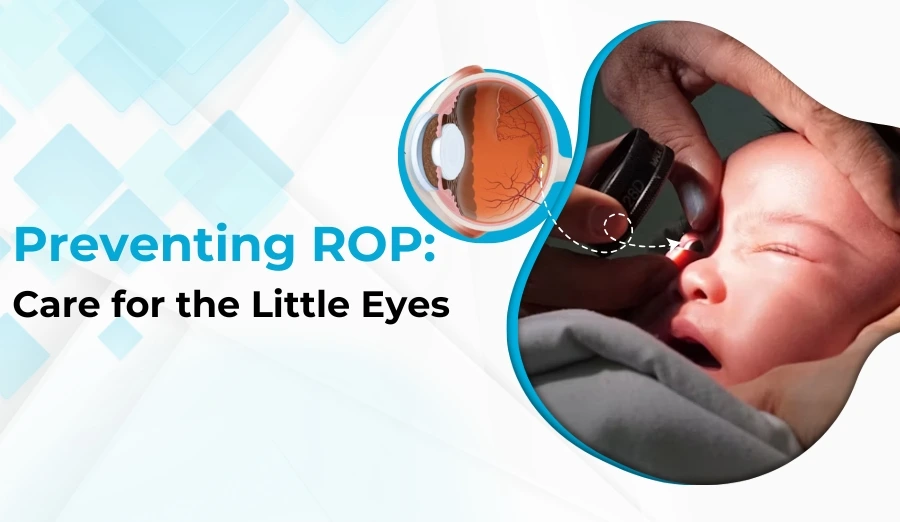
Also Read: Preventing ROP: Care for the Little Eyes

Best Eye Hospital In Kolkata , Best ophthalmologist in Kolkata , Best Eye specialists in Kolkata , Top eye hospital in Kolkata , best Glaucoma treatment in Kolkata , Best Lasik surgery in Kolkata , Best Cataract Treatment in Kolkata , best cataract surgery in Kolkata , Lasik Surgery Cost in Kolkata , Cataract surgery in Kolkata , Cataract surgery cost in Kolkata , Glaucoma specialist in Kolkata , Refractive surgery in Kolkata , Lasik surgery in Kolkata, LASIK Eye Surgery

What are the common side effects experienced during the recovery period after LASIK surgery?

After LASIK eye surgery, patients may experience several common side effects during the recovery period. Understanding these side effects can help manage expectations and ensure a smoother healing process. Here are the most frequently reported side effects:

1. Dry Eyes

Dry eyes are one of the most prevalent side effects following LASIK surgery. The procedure can disrupt the normal tear film, leading to decreased tear production. Symptoms may include a gritty sensation, burning, redness, and blurred vision. While this condition is often temporary, it can last for several weeks or even months in some cases. Using artificial tears and following postoperative care instructions can help alleviate these symptoms.

2. Fluctuating Vision

It is common for vision to fluctuate during the initial recovery phase after LASIK surgery. Patients might experience periods of clear vision followed by moments of blurriness. This fluctuation can last for a few weeks as the eyes heal and stabilize.

3. Glare and Halos

Many patients report experiencing glare and halos around lights, particularly at night. These visual disturbances can make activities such as driving in low-light conditions challenging. Typically, these symptoms improve over time as the eyes heal.

4. Sensitivity to Light

Increased sensitivity to light, known as photophobia, is another common side effect after LASIK surgery. Patients may find bright environments uncomfortable and may need to wear sunglasses to manage this sensitivity effectively.

5. Eye Discomfort

Some individuals may experience mild to moderate discomfort in their eyes post-surgery. Symptoms can include dryness, scratchiness, or a sensation of having something in the eye. Using lubricating eye drops as recommended by the surgeon can help alleviate discomfort.

6. Poor Night Vision

Patients may notice a decline in their night vision following LASIK surgery, which can be attributed to glare and halos around lights. This effect often diminishes as healing progresses.

7. Under-correction or Overcorrection

In some cases, the desired vision correction may not be fully achieved, leading to under-correction or overcorrection of refractive errors. This may necessitate additional treatments or enhancements later on.

8. Regression

Some individuals might experience regression, where vision gradually returns toward its pre-surgery state over time due to natural changes in the cornea. This is usually more common in patients with higher prescriptions.

9. Corneal Flap Complications

Although rare, complications related to the corneal flap created during LASIK surgery can occur. If the flap does not heal properly, it may lead to discomfort and visual disturbances that require medical attention.

Best Eye Hospital In Kolkata , Best ophthalmologist in Kolkata , Best Eye specialists in Kolkata , Top eye hospital in Kolkata , best Glaucoma treatment in Kolkata , Best Lasik surgery in Kolkata , Best Cataract Treatment in Kolkata , best cataract surgery in Kolkata , Lasik Surgery Cost in Kolkata , Cataract surgery in Kolkata , Cataract surgery cost in Kolkata , Glaucoma specialist in Kolkata , Refractive surgery in Kolkata , Lasik surgery in Kolkata, LASIK Eye Surgery

How long does it typically take for vision to stabilize after LASIK surgery?

After LASIK eye surgery, the stabilization of vision typically takes three to six months. While many patients notice significant improvements in their vision within the first 24 hours, complete healing and stabilization can extend over several months as the eyes adjust to their new shape and the cornea continues to heal.

Recovery Timeline Overview

  • Immediate Post-Surgery: Patients may experience blurry vision immediately after the procedure, which usually improves within a few hours.
  • First Few Days: Most individuals see considerable improvement but may still encounter fluctuations in vision clarity.
  • Weeks 1-4: Vision continues to stabilize, with many patients achieving near-optimal vision by the end of the first month.
  • Months 1-3: Vision should be stable, but minor improvements can still occur as healing progresses.
  • Months 3-6: Final adjustments in vision clarity typically happen during this period, leading to full stabilization.
Best Eye Hospital In Kolkata , Best ophthalmologist in Kolkata , Best Eye specialists in Kolkata , Top eye hospital in Kolkata , best Glaucoma treatment in Kolkata , Best Lasik surgery in Kolkata , Best Cataract Treatment in Kolkata , best cataract surgery in Kolkata , Lasik Surgery Cost in Kolkata , Cataract surgery in Kolkata , Cataract surgery cost in Kolkata , Glaucoma specialist in Kolkata , Refractive surgery in Kolkata , Lasik surgery in Kolkata, LASIK Eye Surgery

What lifestyle changes are recommended post-LASIK surgery?

After LASIK eye surgery, patients are encouraged to make several lifestyle changes to support their recovery and ensure optimal healing. Here are the recommended adjustments:

1. Rest and Recovery

  • Get Plenty of Sleep: Adequate rest is crucial for healing. Sleep helps reduce discomfort and speeds up recovery.
  • Avoid Strenuous Activities: For at least a week post-surgery, refrain from heavy lifting, intense exercise, and any activities that could strain your eyes.

2. Eye Care Practices

  • Use Eye Drops: Regularly use prescribed lubricating and medicated eye drops to prevent dryness and inflammation.
  • Avoid Rubbing Your Eyes: Rubbing can dislodge the corneal flap created during surgery, which could lead to complications.

3. Protect Your Eyes

  • Wear Sunglasses: Protect your eyes from bright sunlight and UV rays with sunglasses when outdoors.
  • Avoid Water Exposure: Stay away from swimming pools, hot tubs, and environments with dust or dirt for at least two weeks to minimize infection risks.

4. Screen Time Management

  • Limit Screen Time: Prolonged exposure to screens can cause eye strain. Follow the 20-20-20 rule: every 20 minutes, look at something 20 feet away for 20 seconds.

5. Healthy Lifestyle Choices

  • Stay Hydrated: Drink plenty of water to help maintain moisture in your eyes.
  • Eat a Balanced Diet: Focus on foods rich in vitamins A, C, E, and omega-3 fatty acids, such as carrots, spinach, salmon, and nuts, to support eye health.
  • Avoid Smoking and Alcohol: Both can impair healing and negatively impact overall health.

6. Gradual Return to Activities

  • Resume Normal Activities Slowly: While many can return to regular routines within a few days, it’s essential to do so gradually, particularly regarding sports or physical activities.

7. Regular Follow-Ups

  • Attend Scheduled Check-Ups: Routine visits to your eye care professional are vital for monitoring recovery and addressing any concerns that may arise.
Best Eye Hospital In Kolkata , Best ophthalmologist in Kolkata , Best Eye specialists in Kolkata , Top eye hospital in Kolkata , best Glaucoma treatment in Kolkata , Best Lasik surgery in Kolkata , Best Cataract Treatment in Kolkata , best cataract surgery in Kolkata , Lasik Surgery Cost in Kolkata , Cataract surgery in Kolkata , Cataract surgery cost in Kolkata , Glaucoma specialist in Kolkata , Refractive surgery in Kolkata , Lasik surgery in Kolkata, LASIK Eye Surgery

What specific foods should I eat to support healing after LASIK?

To support healing after LASIK eye surgery, it’s essential to focus on a balanced diet rich in specific nutrients that promote recovery and overall eye health. Here are some recommended foods to include in your diet:

1. Green Leafy Vegetables

  • Examples: Spinach, kale, Swiss chard
  • Benefits: Packed with vitamins A, C, and E, these vegetables contain antioxidants like lutein and zeaxanthin, which are beneficial for eye health and help reduce inflammation.

2. Citrus Fruits

  • Examples: Oranges, lemons, grapefruits
  • Benefits: High in vitamin C, citrus fruits support collagen formation and are crucial for healing tissues, including those in the eyes.

3. Protein-Rich Foods

  • Examples: Chicken (organic), fish (especially fatty fish like salmon), eggs, legumes (beans and lentils)
  • Benefits: Protein is vital for tissue repair and regeneration, aiding the overall recovery process.

4. Healthy Fats

  • Examples: Avocados, nuts (like almonds), seeds, olive oil
  • Benefits: Healthy fats provide essential fatty acids that help reduce inflammation and support eye health.

5. Sweet Potatoes

  • Benefits: Rich in beta-carotene, which the body converts to vitamin A. This nutrient is essential for maintaining the eye’s surface and promoting tissue healing.

6. Whole Grains

  • Examples: Brown rice, quinoa, whole wheat bread
  • Benefits: Whole grains provide fiber and essential nutrients that support overall health and recovery.

7. Berries

  • Examples: Blueberries, strawberries
  • Benefits: High in antioxidants and vitamin C, berries can help combat oxidative stress and support healing.

8. Dark Chocolate

  • Benefits: In moderation, dark chocolate has antioxidant properties that can improve blood flow to the eyes and reduce inflammation.

9. Carrots

  • Benefits: Known for their high beta-carotene content, carrots support retinal function and overall eye health.

Tips for a Smooth Recovery

  1. Follow Post-Operative Instructions: Adhering to the guidelines provided by your surgeon at Pushpanjali Eye Care is crucial for a smooth recovery.
  2. Use Prescribed Medications: Regular use of prescribed eye drops helps to prevent infections and manage dryness.
  3. Protect Your Eyes: Avoid swimming, hot tubs, and exposure to dust or smoke during the initial recovery period.
  4. Avoid Eye Strain: Limit screen time and take frequent breaks to rest your eyes.

Why Choose Pushpanjali Eye Care?

As one of the best eye hospitals in Kolkata, Pushpanjali Eye Care is dedicated to providing top-notch LASIK surgery with advanced technology and experienced surgeons. Our commitment to patient care ensures that your LASIK surgery experience is safe, comfortable, and successful.

Best Eye Hospital In Kolkata , Best ophthalmologist in Kolkata , Best Eye specialists in Kolkata , Top eye hospital in Kolkata , best Glaucoma treatment in Kolkata , Best Lasik surgery in Kolkata , Best Cataract Treatment in Kolkata , best cataract surgery in Kolkata , Lasik Surgery Cost in Kolkata , Cataract surgery in Kolkata , Cataract surgery cost in Kolkata , Glaucoma specialist in Kolkata , Refractive surgery in Kolkata , Lasik surgery in Kolkata, LASIK Eye Surgery

FAQ

  • How long does it take to recover from LASIK eye surgery? 

Most patients notice significant improvement within 24 hours, but complete recovery can take 3 to 6 months.

  • Is it normal to experience discomfort after LASIK surgery? 

Yes, mild discomfort, dryness, and light sensitivity are common but typically subside within a few days.

  • When can I return to work after LASIK surgery? 

Many patients can return to work within a few days, but it’s advisable to consult with your surgeon.

  • Can I exercise after LASIK surgery? 

Light exercise can usually resume after a week, but avoid strenuous activities for at least a month.

  • How soon can I drive after LASIK surgery? 

You should avoid driving until your vision stabilizes, typically within 24 to 48 hours, following your surgeon’s approval.

Conclusion

Understanding the recovery process after LASIK eye surgery helps set realistic expectations and ensures a smoother journey to clearer vision. If you’re considering LASIK surgery, consult with our experts at Pushpanjali Eye Care, one of the best eye hospitals in Kolkata, to determine if you’re a suitable candidate. Your path to a better vision starts here!

The Role of Nutrition in Preventing Retinopathy of Prematurity

Learn how nutrition impacts Retinopathy of Prematurity prevention. Discover tips and insights from experts at a reputed eye hospital.

Retinopathy of Prematurity (ROP) is a serious eye condition that primarily affects premature infants, and it can lead to vision impairment or even blindness if not detected and managed early. The condition arises when abnormal blood vessels form in the retina, potentially causing retinal detachment, which leads to permanent vision loss. The development of ROP is primarily associated with premature birth and low birth weight. However, through proper care, monitoring, and interventions, ROP can often be prevented or managed effectively.

One of the most significant factors in preventing ROP is proper nutrition. Nutrition, especially during the critical early stages of life, is essential for the development of the infant’s visual system, including the retina. Research has shown that the right nutritional support can lower the risk of developing ROP in premature infants. In this article, we will explore how nutrition plays a role in preventing ROP, providing guidance on which nutrients are most important and how they affect retinal development.

Retinopathy of Prematurity

What is Retinopathy of Prematurity (ROP)?

Retinopathy of Prematurity (ROP) is a disorder of the eye that affects premature infants. The retina, which is responsible for sensing light and sending visual signals to the brain, begins to develop in the later stages of pregnancy. In premature infants, this development is interrupted, and abnormal blood vessels grow in the retina instead of properly developing. This abnormal growth can lead to bleeding, scarring, and detachment of the retina, which may result in vision impairment or even blindness.

Risk Factors for ROP:

  • Premature birth: The earlier a baby is born, the greater the risk.
  • Low birth weight: Babies weighing less than 1500 grams (3.3 pounds) are at higher risk.
  • Oxygen therapy: Excessive oxygen use in neonatal intensive care units (NICUs) can contribute to the development of ROP.
  • Infections and inflammation: These can exacerbate the condition in premature infants.

While medical advancements have made it possible to detect and treat ROP, prevention remains the most effective way to avoid its severe consequences.

The Connection Between Nutrition and Retinopathy of Prematurity

Nutrition plays a vital role in the development of all body systems, including the retina. Preterm infants have specific nutritional needs to support their rapid growth and development, especially in the early stages. The retina, being one of the most sensitive parts of the body, requires specific nutrients to ensure proper development and minimize the risk of ROP.

Breast Milk: A Cornerstone for Preterm Infant Nutrition

Breast milk is often considered the best source of nutrition for preterm infants, as it contains essential nutrients that help reduce the risk of ROP. In particular, breast milk contains several bioactive factors, such as growth hormones, antioxidants, and essential fatty acids, that promote healthy retinal development. Some of the most crucial nutrients in breast milk for preventing ROP include:

  1. Omega-3 Fatty Acids: These healthy fats, particularly docosahexaenoic acid (DHA) and eicosapentaenoic acid (EPA), are critical for retinal structure and function. Omega-3 fatty acids support the growth and repair of retinal cells, reduce inflammation, and improve blood flow to the retina. Studies have shown that preterm infants who receive adequate amounts of omega-3 fatty acids have a lower risk of developing ROP.
  2. Vitamin A: Known for its role in vision, Vitamin A is essential for maintaining the health of the retina and preventing retinal abnormalities. Retinopathy of Prematurity is more likely to occur in infants who are deficient in Vitamin A, making it a crucial nutrient in preventing the condition. Vitamin A also plays a role in immune system support, reducing the risk of infections that could exacerbate ROP.
  3. Antioxidants: Vitamins C and E are antioxidants that help reduce oxidative stress in the retina, a key factor in the development of ROP. Oxidative stress occurs when there is an imbalance between free radicals and antioxidants in the body, leading to damage to the retinal blood vessels. Proper levels of Vitamin C and Vitamin E can neutralize free radicals, preventing damage to retinal tissues.
  4. Zinc and Iron: These minerals are essential for the proper functioning of enzymes and proteins involved in retinal health. Zinc supports the structural integrity of retinal cells, while iron ensures efficient oxygen transport to tissues, which is vital for the development of the retina in premature infants.

Key Nutrients in Preventing ROP

Nutrition for premature infants should be carefully planned to ensure that they receive the appropriate balance of nutrients to promote retinal health. Some of the most important nutrients for preventing Retinopathy of Prematurity (ROP) include:

1. Omega-3 Fatty Acids

  • Omega-3s, particularly DHA and EPA, are essential for the development of the retina, as they support proper retinal structure and function.
  • Omega-3 fatty acids also reduce inflammation and oxidative stress, two factors that can contribute to the development of ROP.
  • Studies have shown that premature infants who receive adequate amounts of omega-3 fatty acids have a reduced risk of developing ROP.

2. Vitamin A

  • Vitamin A plays a vital role in maintaining the health of the retina and preventing abnormal blood vessel growth, a hallmark of ROP.
  • Retinopathy of Prematurity has been linked to Vitamin A deficiency, making it critical to ensure that preterm infants receive adequate amounts of this nutrient.

3. Vitamin C and Vitamin E

  • Both Vitamin C and Vitamin E are antioxidants that help prevent damage to retinal blood vessels caused by oxidative stress.
  • These vitamins protect retinal cells from damage and reduce the risk of abnormal blood vessel formation in the retina.

4. Zinc and Iron

  • Zinc is necessary for the proper functioning of enzymes involved in retinal health and supports the structure of retinal cells.
  • Iron supports the transport of oxygen, which is essential for the development of the retina in premature infants.

How to Optimize Nutrition for Preterm Infants

Proper nutrition for preterm infants can be achieved through a combination of breast milk, fortified formulas, and nutritional supplements. Here’s how parents and caregivers can optimize nutrition to prevent ROP:

1. Breastfeeding: The Best Option

Breast milk is considered the most complete form of nutrition for premature infants. It contains all the necessary nutrients, including omega-3 fatty acids, Vitamin A, and antioxidants, which are essential for healthy retinal development. Whenever possible, it is best to breastfeed preterm infants to provide them with these vital nutrients.

2. Fortified Formulas

If breastfeeding is not possible, fortified formulas specifically designed for preterm infants should be used. These formulas are enriched with additional nutrients, including omega-3 fatty acids, vitamins, and minerals, to support the growth and development of the infant’s retina.

3. Nutritional Supplements

In some cases, premature infants may require additional supplements, such as Vitamin A, omega-3 fatty acids, and iron, to meet their nutritional needs. It is essential to consult with a pediatrician or neonatologist before administering any supplements.

4. Monitoring Growth and Development

Regular check-ups with a pediatrician or neonatologist are crucial to ensure that premature infants are meeting their nutritional needs and developing properly. Early monitoring allows healthcare professionals to adjust the infant’s nutrition as needed to prevent any deficiencies that could lead to ROP.

How Does Oxygen Therapy Affect ROP and Nutrition?

Oxygen therapy is commonly used in neonatal intensive care units (NICUs) to help premature infants breathe. However, excess oxygen levels can contribute to the development of ROP. High levels of oxygen can cause abnormal blood vessel growth in the retina, which may lead to ROP.

Proper nutrition helps support the retina’s ability to cope with oxygen therapy. The right balance of nutrients can enhance retinal health and reduce the risk of oxidative stress, which is a known factor in ROP development.

Retinopathy of Prematurity

FAQs About Retinopathy of Prematurity (ROP) and Nutrition

1. Can Retinopathy of Prematurity be Prevented Through Nutrition Alone?

While nutrition plays a significant role in preventing ROP, it cannot completely prevent the condition. Other factors, such as the degree of prematurity and oxygen therapy, also contribute to the development of ROP. However, proper nutrition can reduce the risk and severity of ROP.

2. Is Breast Milk Enough to Prevent ROP?

Breast milk provides essential nutrients to reduce the risk of ROP, but premature infants may require additional supplementation with fortified formulas or specific nutrients, such as omega-3 fatty acids and Vitamin A, to meet their needs.

3. How Long Should Premature Infants Be Fed Fortified Milk?

Preterm infants should be fed fortified milk until they reach full-term growth and development. Typically, this may be until 40-44 weeks of postmenstrual age, but the pediatrician will provide guidance on the appropriate timing.

4. Are Nutritional Supplements Safe for Preterm Infants?

Yes, nutritional supplements are safe for premature infants when prescribed by a healthcare professional. It is crucial to work with a neonatologist or pediatrician to ensure that the infant is receiving the right supplements in the right amounts.

5. How Often Should Preterm Infants Be Screened for ROP?

ROP screening typically begins at 4-6 weeks of life for premature infants and continues until the risk of ROP has passed. This can extend up to 45-50 weeks of postmenstrual age, depending on the infant’s condition and the severity of prematurity.

Ensure Your Baby’s Vision: Preventing ROP with Proper Nutrition

The role of nutrition in preventing Retinopathy of Prematurity (ROP) cannot be overstated. Nutrients like omega-3 fatty acids, Vitamin A, antioxidants, and essential minerals are vital for the healthy development of the retina in premature infants. Through careful monitoring and proper nutrition, parents and caregivers can significantly reduce the risk of ROP in preterm infants.

If you have a premature baby, it is essential to work closely with healthcare providers, including pediatric ophthalmologists and neonatologists, to ensure your baby receives the necessary nutritional support and timely screenings for ROP. By taking proactive steps in terms of nutrition and eye care, you can give your infant the best chance at a healthy future with optimal vision.

At the Best Eye Hospital In Kolkata which provides expert advice and care for infants at risk of ROP. Our team of specialists is dedicated to ensuring the well-being of your baby’s eye health from the moment they are born. For more information on our services or to schedule a consultation, visit us today. We are here to help ensure the best possible outcomes for your child’s health and vision.

Preventing ROP: Care for the Little Eyes

Hello Reader!

Welcome to the blog page of Pushpanjali Eye Care, one of the best eye hospital in Kolkata. 

Premature birth often brings with it a host of challenges, and one of the most significant concerns is Retinopathy of Prematurity (ROP). At Pushpanjali Eye Care, the best eye hospital in Kolkata, we understand the importance of safeguarding your baby’s vision. In this comprehensive guide, we will explore the steps parents and caregivers can take in preventing ROP, emphasizing the importance of vigilant baby eye care and why early intervention is crucial.

Best Eye Hospital In Kolkata , Best ophthalmologist in Kolkata , Best Eye specialists in Kolkata , Top eye hospital in Kolkata , best Glaucoma treatment in Kolkata , Best Lasik surgery in Kolkata , Best Cataract Treatment in Kolkata , best cataract surgery in Kolkata , Lasik Surgery Cost in Kolkata , Cataract surgery in Kolkata , Cataract surgery cost in Kolkata , Glaucoma specialist in Kolkata , Refractive surgery in Kolkata , Lasik surgery in Kolkata, Preventing ROP

What is Retinopathy of Prematurity (ROP)?

ROP is a potentially blinding eye disorder that primarily affects premature infants weighing less than 1500 grams or born before 31 weeks of gestation. This condition occurs when abnormal blood vessels grow and spread throughout the retina, leading to scarring and detachment of the retina in severe cases. Preventing ROP requires timely screening and appropriate management by eye care specialists.

Why is Baby Eye Care Essential?

The eyes are one of the most delicate organs, especially in premature babies. Ensuring proper baby eye care can significantly reduce the risk of ROP and other eye-related complications. Parents must be proactive in seeking regular eye examinations from pediatric ophthalmologists, particularly if their baby was born prematurely.

Steps in Preventing ROP

  1. Regular Screening: Early and regular eye examinations are critical. At Pushpanjali Eye Care, we recommend that all premature infants undergo their first eye screening between 4 to 6 weeks after birth. Our specialized team conducts thorough evaluations to detect any early signs of ROP.
  2. Oxygen Management: One of the significant risk factors for ROP is the use of supplemental oxygen in neonatal care. Proper management of oxygen levels is crucial. Neonatal units must adhere to strict protocols to avoid fluctuations that could contribute to abnormal retinal vessel growth.
  3. Nutritional Support: Ensuring that premature babies receive adequate nutrition supports overall health and can play a role in preventing ROP. Breast milk is highly recommended as it contains essential nutrients and antibodies that promote healthy development, including the eyes.
  4. Monitoring and Follow-Up: Even after an initial screening, continuous monitoring is essential. ROP can progress rapidly, and regular follow-ups allow for timely intervention. At Pushpanjali Eye Care, we schedule regular check-ups to monitor the baby’s eye health closely.
  5. Parental Awareness: Educating parents about the importance of baby eye care is a cornerstone of preventing ROP. We provide resources and counseling to help parents understand the signs to watch for and the importance of adhering to follow-up appointments.
Best Eye Hospital In Kolkata , Best ophthalmologist in Kolkata , Best Eye specialists in Kolkata , Top eye hospital in Kolkata , best Glaucoma treatment in Kolkata , Best Lasik surgery in Kolkata , Best Cataract Treatment in Kolkata , best cataract surgery in Kolkata , Lasik Surgery Cost in Kolkata , Cataract surgery in Kolkata , Cataract surgery cost in Kolkata , Glaucoma specialist in Kolkata , Refractive surgery in Kolkata , Lasik surgery in Kolkata, Preventing ROP

What are the early signs of ROP in infants?

Retinopathy of Prematurity (ROP) is a serious eye condition that affects premature infants, primarily those born before 32 weeks of gestation or with low birth weight. The early signs of ROP can be subtle, and often, parents may not notice any symptoms until the condition has progressed. Here are some key points regarding the early signs and symptoms of ROP in infants:

Early Signs of ROP

  1. Lack of Visible Symptoms:
    • In its initial stages, ROP typically does not present any visible signs that can be detected by parents or caregivers. The only way to diagnose ROP is through a thorough eye examination conducted by a pediatric ophthalmologist, who will use specialized instruments to assess the retina.
  2. Subsequent Symptoms:
    • As the condition progresses, certain symptoms may become apparent: Leukocoria
  3. Tracking and Visual Response:
    • Infants with ROP may show difficulty tracking objects or responding visually to stimuli. This can manifest as an inability to follow moving objects with their eyes.
Best Eye Hospital In Kolkata , Best ophthalmologist in Kolkata , Best Eye specialists in Kolkata , Top eye hospital in Kolkata , best Glaucoma treatment in Kolkata , Best Lasik surgery in Kolkata , Best Cataract Treatment in Kolkata , best cataract surgery in Kolkata , Lasik Surgery Cost in Kolkata , Cataract surgery in Kolkata , Cataract surgery cost in Kolkata , Glaucoma specialist in Kolkata , Refractive surgery in Kolkata , Lasik surgery in Kolkata, Preventing ROP

What role does nutrition play in preventing ROP?

Nutrition plays a critical role in preventing Retinopathy of Prematurity (ROP), a serious eye condition affecting premature infants. Adequate nutritional support is essential for the growth and development of these vulnerable babies, and it significantly influences the risk of developing ROP. Here are some key aspects of how nutrition impacts the prevention of ROP:

1. Optimizing Growth and Weight Gain

Poor weight gain is a prominent risk factor for ROP. Infants who experience growth failure are more likely to develop this condition. Optimizing nutrition can promote healthy growth, thereby reducing the risk of ROP. Studies indicate that enhanced parenteral nutrition, which includes increased provision of lipids and amino acids, has beneficial effects on preventing ROP by supporting weight gain and overall health.

2. Importance of Breast Milk

Breast milk, particularly unpasteurized fortified raw maternal breast milk, has shown a dose-dependent preventive effect on ROP. Infants fed exclusively with their mother’s milk have a lower incidence of ROP compared to those who receive formula. This is attributed to the presence of essential fatty acids, vitamins, and other nutrients that support retinal development and overall health.

3. Role of Long-Chain Polyunsaturated Fatty Acids (LCPUFAs)

LCPUFAs, such as arachidonic acid (ArA) and docosahexaenoic acid (DHA), are vital for the maturation of the brain and retina. Supplementing preterm infants with these fatty acids during their early weeks can significantly reduce the incidence of severe ROP by up to 50%. These fatty acids have anti-inflammatory and antioxidant properties that help protect against retinal damage.

4. Energy Intake

Higher energy intake through fats and carbohydrates has been associated with a decreased prevalence of ROP in extremely premature infants. A study found that increasing energy intake by just 10 kcal/kg/day could lower the risk of developing ROP. This highlights the importance of ensuring that preterm infants receive adequate caloric intake to support their rapid growth and development.

5. Vitamins and Antioxidants

Vitamins A, D, and E have also been studied for their roles in mitigating risks associated with ROP. Vitamin E, in particular, has been noted for its potential protective effects against oxidative stress, which is implicated in the development of ROP. Ensuring sufficient vitamin intake through nutrition can help bolster an infant’s defenses against this condition.

Also Read: Squint Surgery & its Post-operative Care

Best Eye Hospital In Kolkata , Best ophthalmologist in Kolkata , Best Eye specialists in Kolkata , Top eye hospital in Kolkata , best Glaucoma treatment in Kolkata , Best Lasik surgery in Kolkata , Best Cataract Treatment in Kolkata , best cataract surgery in Kolkata , Lasik Surgery Cost in Kolkata , Cataract surgery in Kolkata , Cataract surgery cost in Kolkata , Glaucoma specialist in Kolkata , Refractive surgery in Kolkata , Lasik surgery in Kolkata, Preventing ROP

How can parents ensure their child’s eye health at home?

Parents play a crucial role in ensuring their child’s eye health at home. Here are several effective strategies to promote healthy vision:

1. Schedule Regular Eye Exams

Regular eye check-ups are essential for early detection of any vision problems. The first eye exam should occur around six months of age, with follow-ups as recommended by your eye care professional. Keeping up with these appointments helps monitor your child’s eye development and address any issues promptly.

2. Encourage Outdoor Play

Encouraging your child to spend time outdoors is beneficial for their eye health. Outdoor activities help develop their ability to focus at different distances and can reduce the risk of myopia (nearsightedness). Aim for at least one hour of outdoor play each day, whether it’s playing sports, riding bikes, or simply exploring.

3. Limit Screen Time

With the prevalence of digital devices, managing screen time is vital. Limit your child’s use of screens to no more than 1-2 hours per day for recreational use, and encourage breaks using the 20-20-20 rule: every 20 minutes, have them look at something 20 feet away for at least 20 seconds. This practice helps reduce digital eye strain.

4. Provide a Balanced Diet

Nutrition significantly impacts eye health. Ensure your child’s diet includes:

  • Fruits and Vegetables: Rich in vitamins A, C, and E (e.g., carrots, oranges, spinach).
  • Omega-3 Fatty Acids: Found in fish, which are beneficial for retinal health.
  • Proteins: Non-meat sources like eggs and nuts support overall growth.

5. Protect Their Eyes

Use appropriate eyewear when necessary. For activities that pose a risk of injury (like sports), ensure your child wears protective glasses made from shatterproof materials. Additionally, when outdoors, sunglasses with UV protection can shield their eyes from harmful sun rays.

6. Promote Visual Engagement

Engage your child with high-contrast toys and games that stimulate visual development. Activities like peekaboo or playing with colorful blocks can enhance hand-eye coordination and visual tracking skills.

7. Watch for Warning Signs

Be vigilant about potential signs of vision problems in your child, such as:

  • Squinting or tilting their head
  • Holding objects too close to their eyes
  • Rubbing their eyes frequently
  • Disinterest in distant objects or reading
Best Eye Hospital In Kolkata , Best ophthalmologist in Kolkata , Best Eye specialists in Kolkata , Top eye hospital in Kolkata , best Glaucoma treatment in Kolkata , Best Lasik surgery in Kolkata , Best Cataract Treatment in Kolkata , best cataract surgery in Kolkata , Lasik Surgery Cost in Kolkata , Cataract surgery in Kolkata , Cataract surgery cost in Kolkata , Glaucoma specialist in Kolkata , Refractive surgery in Kolkata , Lasik surgery in Kolkata, Preventing ROP

What are the best practices for protecting children’s eyes during play?

Protecting children’s eyes during play is essential to prevent injuries and ensure their long-term vision health. Here are some best practices parents can implement:

1. Use Protective Eyewear

  • Sports Goggles: Ensure children wear safety goggles with polycarbonate lenses during high-risk sports such as baseball, basketball, and racquetball. These goggles provide a barrier against impacts and help prevent serious eye injuries.
  • Face Shields and Helmets: For contact sports like hockey and football, helmets with attached face guards are crucial for protecting the face and eyes from collisions and flying objects.

2. Choose Age-Appropriate Toys

  • Select toys that are safe for your child’s age group. Avoid toys with sharp edges or small parts that could pose a choking hazard or cause eye injuries. Supervise playtime to ensure toys are used safely.

3. Encourage Outdoor Play

  • Promote outdoor activities where children can engage in various visual tasks, helping their eyes develop properly. Outdoor play also reduces the risk of myopia (nearsightedness) associated with prolonged screen time.

4. Limit Screen Time

  • Set limits on how much time children spend on screens (computers, tablets, smartphones). Encourage breaks using the 20-20-20 rule: every 20 minutes, have them look at something 20 feet away for at least 20 seconds to reduce eye strain.

5. Wear Sunglasses

  • Protect children’s eyes from harmful UV rays by ensuring they wear sunglasses that block 100% of UVA and UVB rays when outdoors. Look for sunglasses designed for children that fit securely and comfortably.

6. Teach Proper Hygiene

  • Encourage good hygiene practices, such as washing hands before touching the face or eyes, to prevent infections. Teach children not to rub their eyes, especially after playing outside.

7. Create a Safe Play Environment

  • Remove potential hazards from play areas, such as sharp objects or chemicals that could cause eye injuries. Ensure that play equipment is safe and well-maintained.

8. Set a Good Example

  • Model safe behaviors by wearing protective eyewear during sports or outdoor activities yourself. Children are more likely to follow suit if they see adults prioritizing eye safety.

How often should children have eye check-ups?

Children’s eye health is crucial for their overall development, and regular eye check-ups are essential for early detection of any potential vision issues. Here’s a guideline on how often children should have eye exams based on their age:

  1. Infants (0-12 months):
    • First Eye Exam: Between 6 to 12 months of age. This initial exam helps ensure that the eyes are developing normally and can identify any early abnormalities.
  2. Toddlers (1-3 years):
    • Second Eye Exam: Between 2 to 3 years old. This visit allows for further assessment of visual development and any necessary interventions.
  3. Preschool Age (3-5 years):
    • Third Eye Exam: At least one exam between ages 3 to 5. This is critical before entering school to check for conditions such as amblyopia (lazy eye) or strabismus (crossed eyes).
  4. School Age (6-17 years):
    • Annual Exams: Once children reach school age, they should have eye exams every year until they turn 18. Regular assessments are vital as children grow and their vision needs may change.

Additional Considerations

  • At-Risk Children: If a child has risk factors for vision problems (such as a family history of eye conditions), they may require more frequent examinations or earlier assessments.
  • Symptoms of Vision Problems: If a child exhibits symptoms such as squinting, difficulty focusing, or complaints about their vision, they should be seen by an eye care professional promptly, regardless of their scheduled exam.

Why Choose Pushpanjali Eye Care?

As the best eye hospital in Kolkata, Pushpanjali Eye Care is committed to providing comprehensive and compassionate care. Our state-of-the-art facilities and experienced pediatric ophthalmologists make us a trusted partner in your baby’s eye health journey. We offer specialized services in preventing ROP, ensuring that each child receives personalized attention and the best possible outcome.

Best Eye Hospital In Kolkata , Best ophthalmologist in Kolkata , Best Eye specialists in Kolkata , Top eye hospital in Kolkata , best Glaucoma treatment in Kolkata , Best Lasik surgery in Kolkata , Best Cataract Treatment in Kolkata , best cataract surgery in Kolkata , Lasik Surgery Cost in Kolkata , Cataract surgery in Kolkata , Cataract surgery cost in Kolkata , Glaucoma specialist in Kolkata , Refractive surgery in Kolkata , Lasik surgery in Kolkata, Preventing ROP

FAQ

  1. What is ROP and who is at risk? 

ROP (Retinopathy of Prematurity) is a condition affecting premature infants, particularly those born before 31 weeks or weighing less than 1500 grams.

  1. How can ROP be prevented? 

Preventing ROP involves regular eye screenings, proper oxygen management, nutritional support, and continuous monitoring by pediatric ophthalmologists.

  1. Why is early screening important for preventing ROP? 

Early screening helps detect ROP in its initial stages, allowing for timely treatment and reducing the risk of severe complications.

  1. What role does oxygen management play in preventing ROP? 

Proper management of oxygen levels in neonatal care is crucial to prevent abnormal retinal vessel growth, a key factor in ROP development.

  1. How does Pushpanjali Eye Care support parents in preventing ROP? 

We provide comprehensive care, regular follow-ups, and parental education to ensure the best outcomes for your baby’s eye health.

Conclusion

Preventing ROP is a collaborative effort between healthcare providers and parents. By prioritizing baby eye care and seeking timely medical intervention, the risk of vision impairment can be significantly reduced. At Pushpanjali Eye Care, we stand by your side, offering expert guidance and care for the little eyes that mean the world to you.

If you have concerns about your baby’s eye health or need expert advice on preventing ROP, visit Pushpanjali Eye Care, the best eye hospital in Kolkata. Together, we can ensure a brighter, clearer future for your child.

What Are the 5 Common Myths About Squint Surgery?

Debunking common myths about squint surgery. Learn the truth behind misconceptions and understand when Eye Surgery for Squint is the right choice. Find expert insights from a reputed Eye Hospital.

Squint surgery is a medical procedure that can help individuals regain better vision alignment and enhance their quality of life. However, misconceptions about the surgery can often prevent people from considering it as a viable option. Myths about squint surgery are widespread, and many individuals may delay or even avoid necessary treatment because of these misunderstandings. In this post, we’ll explore the top 5 common myths surrounding squint surgery and provide accurate information to help you make well-informed decisions about your eye health.

Squint Surgery

What Are the 5 Common Myths About Squint Surgery?

When it comes to squint surgery/ Eye Realignment Surgery, there are many misconceptions that people often believe. These myths can lead to unnecessary anxiety or prevent individuals from considering the procedure as an option. Let’s take a closer look at some of the most common myths.

Myth 1: Eye Realignment Surgery Is Only for Children

A common myth surrounding squint surgery is that it is only necessary for children. While squint surgery is often recommended for children, particularly when the condition is detected early, adults can also benefit from the procedure. Squints, or misaligned eyes, can occur at any age due to various factors, such as genetic conditions, trauma, or nerve damage. These misalignments can lead to problems like double vision, depth perception issues, and even social discomfort.

Squint surgery for adults can:

  • Correct eye misalignment: Realigns the eyes to ensure they function properly.
  • Improve vision clarity: Helps eliminate double vision caused by misalignment.
  • Enhance self-esteem: A more aligned appearance can improve confidence.

In fact, adults who have lived with a squint for years can experience significant improvements in their quality of life after surgery. It’s crucial to consult with a Professional Eye Hospital to determine whether squint surgery is a suitable treatment option, regardless of your age.

Myth 2: Squint Surgery Is Painful and Has a Long Recovery Time

Many individuals are hesitant to consider squint surgery because they believe it is a painful procedure with a long recovery period. However, this is far from the truth. The procedure itself is typically performed under local or general anesthesia, which means that patients feel little to no pain during the surgery.

While some discomfort is normal after surgery, it is usually mild and manageable. The recovery time for squint surgery is much shorter than people anticipate, and most individuals return to normal activities within a week or two.

Here’s what you can expect during recovery:

  • Initial days: Mild pain, swelling, and redness around the eyes. These are common and should subside in a few days.
  • One week: Most patients are able to resume normal daily activities like reading and using a computer.
  • Two weeks: Redness and swelling around the eyes disappear, and most patients experience a full recovery by this time.

The procedure is minimally invasive, and the risks are very low when performed by a skilled surgeon at a reputable facility.

Myth 3: Squint Surgery Can Make My Eyes Worse

A common fear surrounding squint surgery is that it could worsen the condition or lead to more eye misalignment. This myth often stems from misunderstandings about the surgery’s goals and outcomes.

The main objective of squint surgery is to realign the muscles surrounding the eye to restore proper eye coordination. It is designed to improve the condition, not make it worse. A well-executed squint surgery can:

  • Improve the alignment of the eyes
  • Reduce or eliminate double vision
  • Relieve discomfort caused by misalignment

Patients who undergo squint surgery at a trusted Eye Hospital typically experience significant improvements, both in appearance and visual function. If any complications arise post-surgery, they are usually rare and can be addressed through follow-up care and adjustments.

Myth 4: Squint Surgery Is Just for Cosmetic Improvement

While squint surgery does improve the appearance of the eyes by aligning them properly, its benefits go far beyond just cosmetic enhancement. Many individuals who suffer from squints also experience functional issues, such as:

  • Double vision: Misalignment can lead to blurred or double vision, which can interfere with daily activities.
  • Poor depth perception: Proper eye coordination is essential for depth perception. Squint surgery can help restore normal visual processing.
  • Eye strain and headaches: Misaligned eyes can cause strain, leading to discomfort and frequent headaches.

Squint surgery addresses both the aesthetic and functional aspects of the condition, helping individuals improve their visual health and overall quality of life. It is an essential treatment option for those who experience significant challenges due to squints, and it should not be viewed as a purely cosmetic procedure.

Myth 5: Squint Surgery Is Only Effective for Mild Cases

Some people believe that squint surgery is only effective for mild cases of eye misalignment, but this is not true. Squint surgery is effective for a wide range of squint severity, from mild to severe cases. Advances in surgical techniques allow surgeons to correct even the most complex and severe cases of eye misalignment.

Even individuals who have had squints for years can benefit from surgery, which can restore proper eye alignment and improve both appearance and function. The degree of misalignment doesn’t necessarily limit the effectiveness of squint surgery. An experienced surgeon at one of the best Eye Hospitals can assess your specific condition and determine the most appropriate treatment plan.

If you want to know more about Squint Surgery & its Post-operative Care then you can visit here

Squint Surgery

FAQs About Eye Muscle Surgery

1. Is Eye Muscle Surgery safe?

Yes, Eye Muscle Surgery is a safe and routine procedure when performed by a skilled surgeon. Risks are minimal, and the benefits of correcting the eye misalignment far outweigh the potential risks.

2. Will Eye Muscle Surgery fix my double vision?

Yes, one of the primary goals of Eye Muscle Surgery is to address double vision caused by misalignment. By realigning the eyes, the surgery can help alleviate this issue.

3. How long does it take to recover from Eye Muscle Surgery?

Most patients can resume light activities within a few days, but strenuous activities should be avoided for about two weeks. Full recovery typically occurs within two weeks.

4. Can Eye Muscle Surgery improve depth perception?

Yes, Eye Muscle Surgery can significantly improve depth perception by aligning the eyes properly. This can make everyday tasks like driving, reading, and even sports much easier and more comfortable.

5. Will I need more surgery after Eye Muscle Surgery?

In most cases, Eye Muscle Surgery provides long-lasting results. However, some individuals may require minor adjustments to fully correct their alignment. Follow-up appointments will help ensure optimal results.

Clearing Up the Misconceptions About Eye Realignment Surgery

Eye Realignment Surgery is a highly effective treatment for eye misalignment that offers numerous benefits beyond cosmetic enhancement. By addressing both functional and aesthetic concerns, Eye Realignment Surgery can improve vision, reduce discomfort, and enhance self-esteem. While it’s natural to have concerns and questions about the surgery, it’s important to separate myths from facts.

Whether you are considering Eye Realignment Surgery for yourself or a loved one, understanding the truths behind these myths can help you make an informed decision. Consult with an expert at a reputable Best Eye Hospital in Kolkata to discuss your options and learn more about the potential benefits of Eye Realignment Surgery.

Remember, Eye Realignment Surgery is a safe and effective solution that can provide long-term results, helping you achieve clearer vision and a more confident, aligned appearance.