Prime Eyesight Hospital Near Me Golpark-Gariahat,Kolkata 700029

|

Prime Eyesight Hospital Near Me Baguihati, Vip Road, Kolkata 700059

Best Eye Care Kolkata West Bengal All cashless eye surgery facilities available Top Eye Hospital In Kolkata
Best Eye Care Kolkata

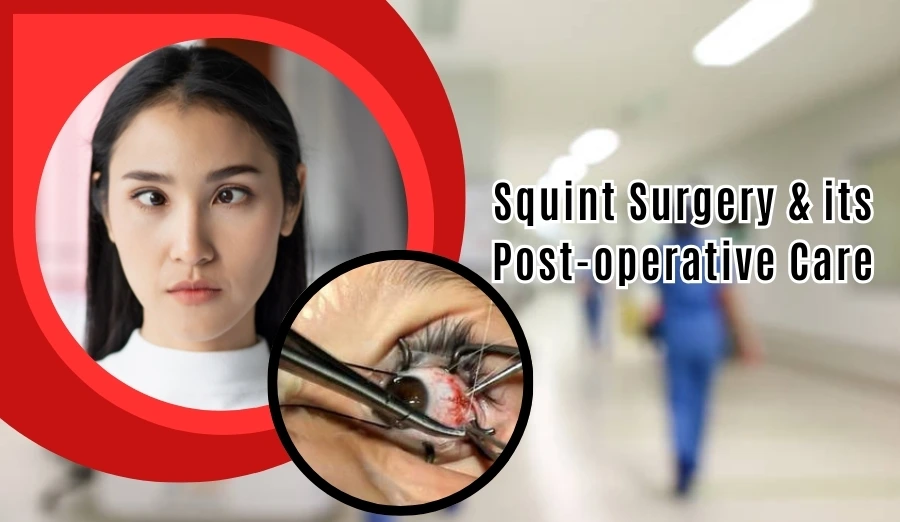
Squint Surgery & its Post-operative Care

Hello World!

Welcome to the blog page of Pushpanjali Eye Care, one of the best eye hospital in Kolkata. 

Squint surgery, also known as strabismus surgery, is a specialized procedure that corrects the alignment of the eyes in individuals with squint (strabismus). At Pushpanjali Eye Care, one of the best eye hospitals in Kolkata, we understand the importance of precise diagnosis and effective treatment for squint to improve vision and appearance.

Squint Surgery, Best Eye Hospital In Kolkata , Best ophthalmologist in Kolkata , Best Eye specialists in Kolkata , Top eye hospital in Kolkata , best Glaucoma treatment in Kolkata , Best Lasik surgery in Kolkata , Best Cataract Treatment in Kolkata , best cataract surgery in Kolkata , Lasik Surgery Cost in Kolkata , Cataract surgery in Kolkata , Cataract surgery cost in Kolkata , Glaucoma specialist in Kolkata , Refractive surgery in Kolkata , Lasik surgery in Kolkata

What is Squint Surgery?

Squint surgery is performed to adjust the muscles around the eyes to correct their alignment. This condition can manifest as one eye turning inward (esotropia), outward (exotropia), upward (hypertropia), or downward (hypotropia). Squint surgery aims to straighten the eyes, improving binocular vision and depth perception.

Who Needs Squint Surgery?

Squint surgery is recommended for individuals whose eyes are misaligned due to muscle imbalance, neurological issues, or other underlying conditions. It is essential for patients who:

  • Experience double vision or blurred vision.
  • Have difficulty with depth perception.
  • Suffer from eye strain or headaches.
  • Are at risk of developing amblyopia (lazy eye).

The Procedure

At Pushpanjali Eye Care, our experienced ophthalmologists conduct a thorough evaluation before recommending squint surgery. The procedure involves:

  1. Pre-surgical Assessment: A comprehensive eye exam to measure the degree of misalignment and assess overall eye health.
  2. Anesthesia: The surgery is usually performed under general anesthesia, especially in children, to ensure comfort and precision.
  3. Muscle Adjustment: The surgeon makes a small incision in the conjunctiva (the clear membrane covering the eye) to access the eye muscles. The muscles are then strengthened, weakened, or repositioned to correct the alignment.
  4. Closure and Recovery: The incision is closed with dissolvable sutures, and the eye is covered with a protective patch.
Squint Surgery, Best Eye Hospital In Kolkata , Best ophthalmologist in Kolkata , Best Eye specialists in Kolkata , Top eye hospital in Kolkata , best Glaucoma treatment in Kolkata , Best Lasik surgery in Kolkata , Best Cataract Treatment in Kolkata , best cataract surgery in Kolkata , Lasik Surgery Cost in Kolkata , Cataract surgery in Kolkata , Cataract surgery cost in Kolkata , Glaucoma specialist in Kolkata , Refractive surgery in Kolkata , Lasik surgery in Kolkata

What are the common complications after squint surgery?

Squint surgery, while generally safe and effective, can lead to various complications. Understanding these potential risks is crucial for patients considering the procedure. Here are some common complications associated with squint surgery:

Common Complications After Squint Surgery

  1. Slipped Muscles: This occurs when the stitches holding the eye muscle to the eyeball loosen or break, causing the muscle to move backward. This complication may manifest as a sudden change in eye position or difficulty moving the eye in one direction. It requires prompt surgical intervention to correct, typically within 24 hours.
  2. Scleral Perforation: A rare but serious complication where a surgical needle penetrates the outer layer of the eyeball. The incidence is estimated at 1-2%. While often requiring minimal treatment in children, adults may need additional procedures to prevent complications like retinal detachment.
  3. Infection (Endophthalmitis): This serious infection can occur post-surgery, with an estimated risk of 1 in 20,000 cases. It can lead to severe vision impairment if not treated promptly.
  4. Double Vision: Post-operative double vision is common as the brain adjusts to the new alignment of the eyes. While this usually resolves within a week, some patients may experience prolonged symptoms.
  5. Over-correction or Under-correction: Sometimes, the surgery may not fully correct the squint, leading to a need for further surgical adjustments. Over-correction can result in the eyes turning in the opposite direction.
  6. Chronic Misalignment: Scarring from surgery can affect eye movement and alignment over time, necessitating additional treatment.
  7. Vision Changes: Some patients may experience temporary blurriness or changes in visual acuity following surgery. These changes are generally transient but should be monitored closely.
  8. Exposed Tenon’s Fascia: This occurs when the connective tissue around the eye protrudes through the surgical incision. While often manageable with topical treatments or additional sutures, it can be concerning for patients.
  9. Anesthesia Complications: As with any surgery requiring anesthesia, there are risks associated with its administration that should be discussed with your healthcare provider before surgery.

Post-operative Care

Post-operative care is crucial for a successful recovery and optimal results. At Pushpanjali Eye Care, one of the best eye hospitals in Kolkata, we provide detailed guidance to our patients for post-operative care, which includes:

  1. Immediate Care:
    • Eye Patch: Patients may need to wear an eye patch for a few days to protect the operated eye.
    • Medications: Prescribed eye drops and ointments help prevent infection and reduce inflammation.
  2. Follow-up Visits: Regular follow-up visits are scheduled to monitor healing and ensure the eye alignment is improving as expected.
  3. Activity Restrictions:
    • Avoid strenuous activities, swimming, or heavy lifting for a few weeks.
    • Protect the eye from dust and water.
  4. Vision Therapy: In some cases, post-operative vision therapy may be recommended to enhance the coordination between the eyes and improve binocular vision.
  5. Monitoring for Complications: Patients are advised to watch for signs of complications such as excessive redness, pain, discharge, or vision changes and report them immediately.

Also Read: What are the potential side effects of ICL Surgery?

Squint Surgery, Best Eye Hospital In Kolkata , Best ophthalmologist in Kolkata , Best Eye specialists in Kolkata , Top eye hospital in Kolkata , best Glaucoma treatment in Kolkata , Best Lasik surgery in Kolkata , Best Cataract Treatment in Kolkata , best cataract surgery in Kolkata , Lasik Surgery Cost in Kolkata , Cataract surgery in Kolkata , Cataract surgery cost in Kolkata , Glaucoma specialist in Kolkata , Refractive surgery in Kolkata , Lasik surgery in Kolkata

How long it takes to recover from squint surgery?

Recovery from squint surgery varies among individuals, but generally, it takes about 3 to 12 weeks for most patients to heal completely. In some cases, especially if the surgery was extensive, recovery can extend up to 6 months.

Recovery Timeline

  1. Immediate Post-operative Period (1-2 Days):
    • Patients may experience mild discomfort, redness, and swelling in the eyes.
    • Vision might be blurry, and there may be some tearing.
  1. First Week:
    • Most patients can resume light activities within a day or two but should avoid strenuous tasks.
    • Follow-up appointments are necessary to monitor healing and address any concerns.
  1. 2-4 Weeks:
    • Redness and swelling typically begin to subside.
    • Patients may still experience some discomfort or irritation as the eyes adjust.
  1. 4-12 Weeks:
    • The eyes continue to heal, and alignment improves gradually.
    • Many patients return to normal activities, but precautions should still be taken to protect the eyes.
  1. Beyond 12 Weeks:
    • Full recovery may take several months, especially for visual coordination to stabilize.
    • Some patients might benefit from vision therapy to enhance eye coordination.

Post-operative Care

Proper post-operative care is essential for a smooth recovery. Patients are advised to:

  • Use prescribed eye drops to prevent infection and manage dryness.
  • Avoid exposure to dust, bright lights, and strenuous activities for several weeks.
  • Attend all follow-up appointments for monitoring.
Squint Surgery, Best Eye Hospital In Kolkata , Best ophthalmologist in Kolkata , Best Eye specialists in Kolkata , Top eye hospital in Kolkata , best Glaucoma treatment in Kolkata , Best Lasik surgery in Kolkata , Best Cataract Treatment in Kolkata , best cataract surgery in Kolkata , Lasik Surgery Cost in Kolkata , Cataract surgery in Kolkata , Cataract surgery cost in Kolkata , Glaucoma specialist in Kolkata , Refractive surgery in Kolkata , Lasik surgery in Kolkata

How can I prevent eye infections during recovery?

To prevent eye infections during recovery from squint surgery, it is essential to adopt a proactive approach to hygiene and care. Here are several effective strategies:

1. Wash Your Hands Frequently

Regular handwashing is crucial. Always wash your hands thoroughly with soap and water for at least 20 seconds, especially before touching your eyes or applying eye drops. This helps eliminate harmful bacteria and viruses that could lead to infections.

2. Avoid Touching Your Eyes

Refrain from rubbing or touching your eyes, even if they feel itchy or uncomfortable. Your fingers can transfer bacteria directly to your eyes, increasing the risk of infection.

3. Use Prescribed Eye Drops Properly

Follow your ophthalmologist’s instructions regarding the use of prescribed eye drops. These may include antibiotic or anti-inflammatory drops that help prevent infections. Ensure the dropper tip does not touch your eye or any surfaces to avoid contamination.

4. Keep Contact Lenses Clean

If you wear contact lenses, ensure they are cleaned and stored according to your eye care professional’s guidelines. Consider taking a break from contacts during the early recovery phase to minimize infection risk.

5. Avoid Sharing Personal Items

Do not share towels, pillowcases, or makeup with others, as these items can harbor bacteria and spread infections. This is particularly important if you have had an eye infection previously.

6. Maintain a Clean Environment

Regularly clean and disinfect surfaces that may come into contact with your eyes, such as eyeglasses and contact lens cases. Keeping your environment free of dust and allergens can also help reduce irritation and infection risk.

7. Wear Protective Eyewear

Consider wearing sunglasses or protective eyewear when outdoors to shield your eyes from dust and bright light, which can irritate healing eyes.

8. Stay Away from Irritants

Avoid exposure to smoke, strong chemicals, or allergens that could irritate your eyes and compromise healing. This includes avoiding swimming pools during the initial recovery period.

9. Follow Up with Your Doctor

Attend all scheduled follow-up appointments with your ophthalmologist to monitor your recovery progress and address any concerns promptly. Early detection of potential issues can prevent complications.

10. Seek Medical Attention if Needed

If you notice any signs of infection—such as increased redness, discharge, swelling, or persistent discomfort—contact your healthcare provider immediately for evaluation and treatment.

Squint Surgery, Best Eye Hospital In Kolkata , Best ophthalmologist in Kolkata , Best Eye specialists in Kolkata , Top eye hospital in Kolkata , best Glaucoma treatment in Kolkata , Best Lasik surgery in Kolkata , Best Cataract Treatment in Kolkata , best cataract surgery in Kolkata , Lasik Surgery Cost in Kolkata , Cataract surgery in Kolkata , Cataract surgery cost in Kolkata , Glaucoma specialist in Kolkata , Refractive surgery in Kolkata , Lasik surgery in Kolkata

How can I ensure proper healing after squint surgery?

To ensure proper healing after squint surgery, it is essential to follow specific guidelines and precautions. Here are key steps to promote a smooth recovery:

Key Precautions for Post-operative Care

  1. Avoid Rubbing Your Eyes:
    • It is crucial to resist the urge to rub or touch your eyes post-surgery, as this can disrupt the healing process and potentially dislodge sutures, leading to complications.
  2. Use Prescribed Eye Drops:
    • Follow your doctor’s instructions regarding eye drops meticulously. These drops help reduce inflammation and prevent infections. Ensure you wash your hands before applying them to avoid introducing bacteria.
  3. Keep the Eyes Clean:
    • Maintain proper hygiene by gently wiping away any discharge with a clean, soft cloth. Avoid using unwashed hands or rough materials that could irritate your eyes.
  4. Protect Your Eyes:
    • Wear sunglasses outdoors to shield your eyes from bright light and dust. This is especially important during the initial recovery phase when your eyes are sensitive.
  5. Limit Strenuous Activities:
    • Avoid heavy lifting, vigorous exercise, and sports for at least two to three weeks post-surgery. Straining can increase intraocular pressure and disrupt healing.
  6. Limit Screen Time:
    • Reduce the use of screens (phones, computers, televisions) to prevent eye strain. If you must use screens, take frequent breaks and ensure good lighting.
  7. Follow Medical Advice:
    • Attend all scheduled follow-up appointments with your ophthalmologist to monitor your recovery progress and address any concerns promptly.
  8. Rest and Nutrition:
    • Ensure you get adequate sleep and maintain a nutritious diet rich in vitamins A, C, and E to support healing. Staying hydrated is also essential for overall health.
  9. Avoid Swimming and Makeup:
    • Do not swim or expose your eyes to water bodies for at least 3-4 weeks post-surgery. Additionally, avoid using makeup around the eyes until cleared by your doctor.
  10. Be Aware of Psychological Recovery:
    • Adjusting to changes in vision or appearance can take time. Discuss any feelings of anxiety or concern with your healthcare provider or loved ones for support.
Squint Surgery, Best Eye Hospital In Kolkata , Best ophthalmologist in Kolkata , Best Eye specialists in Kolkata , Top eye hospital in Kolkata , best Glaucoma treatment in Kolkata , Best Lasik surgery in Kolkata , Best Cataract Treatment in Kolkata , best cataract surgery in Kolkata , Lasik Surgery Cost in Kolkata , Cataract surgery in Kolkata , Cataract surgery cost in Kolkata , Glaucoma specialist in Kolkata , Refractive surgery in Kolkata , Lasik surgery in Kolkata

How to manage eye strain from screen time during recovery?

Managing eye strain during recovery from squint surgery is crucial, especially if you spend significant time in front of screens. Here are effective strategies to alleviate discomfort and promote healing:

1. Follow the 20-20-20 Rule

Every 20 minutes, take a break from your screen and look at something 20 feet away for at least 20 seconds. This practice helps soothe the eye muscles and alleviate fatigue..

2. Adjust Screen Settings

  • Brightness: Ensure your screen brightness is comfortable and not significantly brighter than your surrounding environment.
  • Text Size: Increase text size to reduce the strain of reading small fonts.
  • Blue Light Filters: Consider using blue light-blocking glasses or software that reduces blue light exposure, especially in the evening.

3. Maintain Proper Distance

Place your screen about an arm’s length away (around 25 inches) and make sure your gaze is slightly downward. This positioning helps reduce strain on your eyes.

When using screens, people tend to blink less, leading to dryness. Be mindful to blink often to keep your eyes hydrated. Using lubricating eye drops can also help relieve dryness.

5. Take Regular Breaks

In addition to the 20-20-20 rule, incorporate longer breaks into your routine. Stand up, stretch, and move around every hour to give your eyes a more extended rest.

6. Use Eye Exercises

Engage in simple eye exercises to relieve strain:

  • Palming: Rub your palms together to generate warmth and gently place them over your closed eyes for a few moments.
  • Eye Rolling: Slowly roll your eyes in a circular motion to relax the muscles.
  • Near and Far Focus: Alternate focusing on a nearby object (about 10 inches away) and a distant one (at least 20 feet away) for several seconds each.

7. Optimize Your Workspace

Ensure that your workspace is ergonomically set up:

  • Use a chair that provides good support.
  • Set your monitor at eye level to prevent straining your neck.
  • Reduce glare by using matte screen filters or adjusting lighting.

8. Stay Hydrated

Drink plenty of water throughout the day to prevent dehydration, which can contribute to dry eyes.

9. Prioritize Sleep

Adequate sleep is essential for recovery and eye health. Aim for 7-9 hours of quality sleep each night to allow your eyes to rest and heal.

10. Limit Screen Time Before Bed

Reduce screen exposure at least one hour before bedtime to minimize blue light exposure, which can interfere with sleep patterns.

Squint Surgery, Best Eye Hospital In Kolkata , Best ophthalmologist in Kolkata , Best Eye specialists in Kolkata , Top eye hospital in Kolkata , best Glaucoma treatment in Kolkata , Best Lasik surgery in Kolkata , Best Cataract Treatment in Kolkata , best cataract surgery in Kolkata , Lasik Surgery Cost in Kolkata , Cataract surgery in Kolkata , Cataract surgery cost in Kolkata , Glaucoma specialist in Kolkata , Refractive surgery in Kolkata , Lasik surgery in Kolkata

FAQ

1. What is squint surgery? 

Squint surgery is a procedure to correct the misalignment of the eyes by adjusting the muscles around them.

2. What is the recovery time following squint surgery?

Recovery typically takes a few weeks, with most patients resuming normal activities within 1-2 weeks.

3. Are there any risks associated with squint surgery? 

Like any surgery, there are risks, though complications are uncommon. These can include infection, overcorrection, or undercorrection.

4. What post-operative care is required after squint surgery? 

Post-operative care includes using prescribed eye drops, attending follow-up visits, and avoiding strenuous activities.

5. Can adults undergo squint surgery? 

Yes, squint surgery can be performed on adults to improve eye alignment and vision, as well as to enhance appearance.

Why Choose Pushpanjali Eye Care?

As one of the best eye hospitals in Kolkata, Pushpanjali Eye Care is dedicated to providing comprehensive eye care services. Our team of skilled ophthalmologists and state-of-the-art facilities ensure that patients receive the highest standard of care. From diagnosis to post-operative care, we are committed to helping our patients achieve the best possible outcomes.

Squint surgery at Pushpanjali Eye Care is not just about correcting the physical alignment of the eyes; it’s about enhancing the overall quality of life. With personalized care plans and a patient-centered approach, we ensure a smooth journey from consultation to recovery.

If you or a loved one are considering squint surgery, visit Pushpanjali Eye Care, one of the best eye hospitals in Kolkata, where your vision is our mission. Contact us today to schedule a consultation and take the first step towards a clearer, more aligned vision.
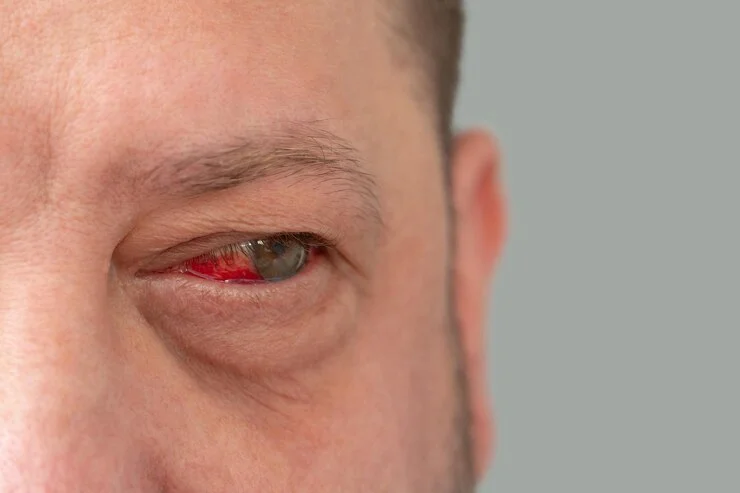
Natural Remedies for Eyelid Cysts: What Works and What Don’t

Discover effective natural remedies for eyelid cysts and learn what works to promote healing. Consult a reputed eye clinic for expert guidance on treating stubborn or recurring cysts.

natural remedies for eyelid cysts

Natural Remedies for Eyelid Cysts: Effective Treatments and Tips

Eyelid cysts, also known as chalazia, are small, usually painless lumps that form on the eyelid due to a blockage in the oil glands. While they are generally harmless, they can cause discomfort, affect your appearance, and, in some cases, impair vision. Managing eyelid cysts naturally is often the first step for many seeking relief, as these methods are non-invasive and can be done at home.

In this article, we’ll explore natural remedies for eyelid cysts, discuss their effectiveness, and highlight when it’s essential to consult a specialist. If you’re experiencing recurring or stubborn cysts, expert guidance from a Trusted Eye Hospital, can provide effective solutions.

Understanding Eyelid Cysts

Eyelid cysts form when the oil glands (Meibomian glands) in the eyelid become clogged. Over time, this blockage leads to the buildup of oil and forms a cyst. While these are often mistaken for styes, the two conditions differ:

  • Chalazion: A painless lump caused by a blocked oil gland.
  • Stye: A painful, red bump caused by a bacterial infection of the eyelash follicle or oil gland.

Common Symptoms of Eyelid Cysts

  • A small, round lump on the upper or lower eyelid.
  • Mild redness and swelling.
  • Occasional tenderness or irritation.
  • Blurred vision if the cyst grows large enough to press against the eye.
natural remedies for eyelid cysts

Proven Natural Remedies for Eyelid Cysts

Natural remedies can help reduce discomfort, alleviate swelling, and promote healing. Here are some effective methods to manage eyelid cysts naturally:

1. Warm Compress: The Most Effective Remedy

A warm compress is a tried-and-true method for treating eyelid cysts. The heat helps soften the blockage, encouraging the cyst to drain naturally.

How to Use:

  • Soak a clean cloth in warm water and wring out the excess.
  • Place the cloth over the affected eyelid for 10–15 minutes.
  • Repeat this process 3–4 times daily for the best results.

2. Gentle Eyelid Massage

Massaging the eyelid can help improve circulation and encourage the oil glands to unclog.

How to Perform:

  • Wash your hands thoroughly to prevent infection.
  • After applying a warm compress, use your fingertip to gently massage the eyelid in small circular motions.
  • Do this 1–2 times daily for enhanced effectiveness.

3. Tea Bag Compress

Green and black tea bags are rich in anti-inflammatory properties, which can help reduce swelling and soothe irritation.

How to Use:

  • Steep a tea bag in hot water, then let it cool to a comfortable temperature.
  • Place the warm tea bag over the cyst for 10–15 minutes.
  • Repeat twice daily for noticeable relief.

4. Aloe Vera for Soothing Relief

Aloe vera is renowned for its anti-inflammatory and antibacterial properties, making it an excellent natural remedy for eyelid cysts.

How to Use:

  • Extract fresh aloe vera gel from a leaf or use pure store-bought gel.
  • Apply a small amount of the gel to the cyst and let it sit for 15–20 minutes.
  • Rinse with lukewarm water and repeat twice daily.

5. Turmeric Paste

Turmeric is a natural antibacterial and anti-inflammatory agent that helps reduce swelling and prevent infection.

How to Use:

  • Mix a pinch of turmeric powder with water or honey to form a paste.
  • Apply the paste carefully to the cyst, avoiding contact with the eye.
  • Leave it on for 10 minutes before rinsing.

6. Castor Oil for Faster Healing

Castor oil is known for its anti-inflammatory and antimicrobial properties, which can help reduce swelling and promote healing.

How to Use:

  • Dip a clean cotton swab into castor oil.
  • Gently apply the oil to the cyst twice daily.

What Doesn’t Work for Eyelid Cysts

While many remedies are effective, some practices can do more harm than good. Here’s what to avoid:

1. Popping or Squeezing the Cyst

Attempting to pop or squeeze the cyst can lead to infection, scarring, and worsened inflammation. Always let the cyst drain naturally.

2. Overuse of Essential Oils

Not all essential oils are safe for use near the eyes. Improper application can irritate the sensitive skin and exacerbate the condition.

3. Ignoring Proper Hygiene

Failing to clean your hands or the affected area can introduce bacteria, worsening the cyst or causing a secondary infection.

4. Applying Unverified Remedies

Avoid using remedies that are not backed by credible sources, as they may worsen the condition or delay healing.

Preventing Eyelid Cysts

Prevention is always better than cure. Here are some tips to reduce the risk of developing eyelid cysts:

  • Maintain Good Eye Hygiene: Wash your face and eyelids daily with a gentle cleanser.
  • Avoid Touching Your Eyes: Keep your hands away from your eyes to prevent introducing bacteria.
  • Remove Makeup Thoroughly: Never sleep with makeup on, as it can clog the oil glands.
  • Use Clean Towels: Avoid sharing towels, and always use a clean one to prevent bacterial transfer.

When to Seek Professional Help

While natural remedies can effectively treat most eyelid cysts, there are situations where professional care is necessary. Consult an eye specialist at one of the Best Eye Hospitals if:

  • The cyst does not improve after 2–4 weeks of home treatment.
  • The cyst becomes larger, painful, or recurrent.
  • You notice signs of infection, such as redness, warmth, or pus.
  • Your vision is affected.

At this point, medical treatments such as drainage, steroid injections, or antibiotics may be required.

natural remedies for eyelid cysts

FAQs

1. Are natural remedies for eyelid cysts effective?

Natural remedies like warm compresses, tea bag compresses, and aloe vera are often effective in reducing symptoms and promoting healing. However, persistent cysts may require medical intervention.

2. How long does it take for an eyelid cyst to heal naturally?

With consistent care, most eyelid cysts heal within 1–3 weeks. Larger cysts may take longer.

3. Can children use natural remedies for eyelid cysts?

Yes, remedies like warm compresses and gentle massage are safe for children. However, consult an eye specialist if the cyst persists or worsens.

4. Should I wear contact lenses with an eyelid cyst?

It’s best to avoid contact lenses while treating an eyelid cyst, as they can irritate the eye and delay healing.

5. How can I prevent eyelid cysts from recurring?

Maintaining good eye hygiene, removing makeup thoroughly, and avoiding touching your eyes with dirty hands can help prevent cysts from developing.

Effective Care for Eyelid Cysts: Natural Remedies & Expert Help

Eyelid cysts, while typically harmless, can be uncomfortable and inconvenient. With consistent application of natural remedies for eyelid cysts, such as warm compresses, aloe vera, and tea bag compresses, most cysts resolve on their own. However, persistent or severe cases may require professional evaluation.

At the Best Eye Hospital in Kolkata, we provide expert diagnosis and treatment for eyelid cysts and other eye conditions. Whether you need guidance on natural remedies or advanced medical care, our specialists are here to help you achieve optimal eye health.

Taking care of your eyes today ensures a brighter, clearer tomorrow. Don’t hesitate to seek professional care when needed!

Reduce Side Effects After ICL Surgery for Better Vision

Discover how to reduce side effects after ICL Surgery for better vision. Learn expert tips regarding eye care from one of the Best Eye Hospitals to enhance your recovery.

ICL Surgery

Key Tips to Reduce Side Effects After ICL Surgery

ICL Surgery (Implantable Collamer Lens) is one of the most advanced and effective procedures available today for people suffering from refractive vision problems such as nearsightedness, farsightedness, and astigmatism. The procedure offers a long-term solution to vision correction without the need for glasses or contact lenses. However, just like any surgical procedure, there are side effects associated with ICL Surgery, and being proactive in managing them can help speed up recovery and enhance the quality of your vision.

While the vast majority of ICL surgeries are successful, understanding the common side effects and taking steps to minimize them is essential for ensuring optimal recovery and results. In this article, we will discuss how to reduce side effects after ICL Surgery, covering everything from post-operative care to lifestyle adjustments that can improve your recovery process.

Common Side Effects of ICL Surgery

Before diving into the solutions, let’s look at some of the common side effects that patients may experience after ICL Surgery:

1. Dry Eyes

Dryness in the eyes is one of the most frequently reported side effects after ICL Surgery. Your eyes may feel scratchy, irritated, or uncomfortable, especially in the first few days or weeks after the surgery. This discomfort can hinder your ability to focus or concentrate and can potentially interfere with the healing process.

What causes it?

  • Temporary disruption of tear production due to the surgery.
  • Exposure to wind or dry environments during recovery.

2. Light Sensitivity

Many patients experience heightened sensitivity to light after undergoing ICL Surgery. Bright lights, especially in the morning or during the evening, can cause discomfort. This light sensitivity usually improves over time but can be uncomfortable initially.

What causes it?

  • The surgery temporarily alters the corneal shape, which can affect how the eye reacts to light.

3. Blurred Vision

Blurry vision is normal right after the surgery as your eyes heal and adjust to the new lens. This is usually temporary and should resolve as the eyes begin to settle into their new shape and configuration. However, it may take a few weeks for the vision to stabilize completely.

What causes it?

  • Immediate adjustments to the new lens placed inside the eye.

4. Glare and Halos

Some individuals experience glare or halos around lights, particularly at night or in low-light settings. This side effect typically improves within a few weeks as the healing process progresses.

What causes it?

  • The eye’s adaptation to the new lens can cause temporary vision distortions.

5. Infection and Inflammation

Though rare, there is a small risk of infection or inflammation after surgery. This can cause redness, discomfort, or changes in vision. Immediate medical attention is required if these symptoms persist.

What causes it?

  • Any surgical procedure carries a risk of infection, and post-operative care is crucial in reducing this risk.
ICL Surgery

How to Reduce Side Effects After ICL Surgery

Managing and reducing side effects after ICL Surgery involves a combination of post-operative care, lifestyle changes, and monitoring. Below are expert tips to help you reduce the risk of side effects and ensure a smooth and successful recovery:

1. Follow Post-Operative Instructions Rigorously

Your surgeon will provide detailed post-operative care instructions that are crucial for ensuring optimal healing. These instructions are tailored to your unique needs and will guide you through your recovery process.

Key instructions typically include:

  • Using prescribed eye drops (antibiotics and anti-inflammatories) to prevent infection and inflammation.
  • Avoiding rubbing your eyes to minimize the risk of damaging the lens or causing complications.
  • Wearing an eye shield, particularly while sleeping, to prevent accidental trauma to your eyes.

2. Stay Hydrated and Use Artificial Tears

Hydrating your body is an important step in maintaining moisture levels in the eyes. Dry eyes are a common post-operative side effect of ICL Surgery, and keeping the eyes lubricated is essential for comfort and healing.

How hydration helps:

  • Drinking sufficient water ensures tear production, which reduces dryness.
  • Lubricating eye drops prescribed by your surgeon can keep your eyes moist, reducing irritation and scratchiness.

Tips:

  • Carry a bottle of artificial tears or lubricating drops and use them regularly as prescribed.
  • Avoid using over-the-counter eye drops unless recommended by your surgeon, as some drops may contain preservatives that can irritate your eyes.

3. Rest Your Eyes

Resting your eyes after ICL Surgery is essential for a speedy recovery. The surgery is a significant procedure, and your eyes need time to heal and adjust. Avoid straining your eyes with activities like reading or screen time in the initial recovery phase.

Eye-resting tips:

  • Follow the 20-20-20 rule: Every 20 minutes, take a 20-second break and look at something 20 feet away.
  • Reduce screen time, and avoid tasks that require a lot of visual concentration, such as reading small text or driving at night.
  • Try to close your eyes for a few minutes during breaks, especially if you feel eye fatigue.

4. Wear Sunglasses and Protect Your Eyes from Bright Lights

Light sensitivity is common after ICL Surgery, and wearing sunglasses can significantly reduce discomfort. Ensure you have UV-blocking sunglasses to protect your eyes from harmful rays and reduce glare.

Protective eyewear benefits:

  • Sunglasses reduce light sensitivity, making it easier to be outside during the day.
  • A wide-brimmed hat or cap can help shield your eyes from direct sunlight.

Important note: Be mindful of bright indoor lights and avoid them when possible. Your eyes may still be adjusting to the lens and light sensitivity may persist for a while after the surgery.

5. Monitor Your Vision and Contact Your Doctor if Necessary

Post-surgery, it’s important to monitor your vision regularly and keep track of any changes or new symptoms. If you notice significant changes, like blurry vision that doesn’t improve, redness, or significant discomfort, it’s essential to consult with your eye care provider.

When to contact your doctor:

  • If you experience persistent pain or discomfort.
  • If your vision doesn’t stabilize after the expected recovery period.
  • If you notice any changes in the appearance of your eyes or symptoms such as redness, swelling, or excessive discharge.
ICL Surgery

Frequently Asked Questions (FAQs)

Q1: How long will it take for my vision to stabilize after ICL Surgery?

  • Most patients notice significant improvement within the first few days to weeks. Full stabilization may take up to 3-6 months as your eyes heal and adjust to the lens.

Q2: Is it normal to experience blurry vision right after surgery?

  • Yes, it is normal. Blurred vision is temporary, and most patients experience improvement within a few days.

Q3: What should I do if my eyes feel dry and irritated?

  • Use lubricating eye drops to moisturize your eyes, and drink plenty of water. If the dryness continues, consult your surgeon.

Q4: Can I return to normal activities immediately after surgery?

  • It’s important to avoid strenuous activities, swimming, and heavy lifting for a few weeks. Follow your surgeon’s recommendations regarding when it’s safe to resume normal activities.

Ensure Smooth Recovery After ICL Surgery for Clearer Vision

ICL Surgery is a revolutionary procedure that can improve vision and enhance the quality of life for many individuals. However, like any surgery, it comes with the potential for side effects. By following the right post-operative care and taking proactive steps to reduce side effects, you can ensure that your recovery is smooth and efficient.

Remember, ICL Surgery offers long-term benefits for your vision, but your cooperation and attention to the healing process are vital for achieving the best possible outcome. Whether you’re considering ICL Surgery or recovering from the procedure, taking care of your eyes and following professional advice is the key to maintaining excellent vision for years to come.

For a successful recovery and further guidance on ICL Surgery, consult with the Best Eye Hospital in Kolkata. Expert eye care professionals can provide the support and guidance you need to minimize side effects and make your vision clearer than ever before.

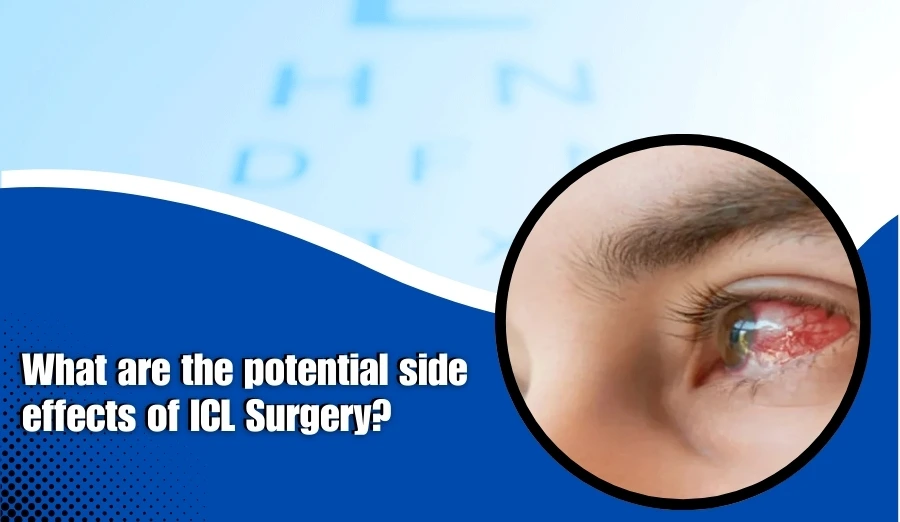
What are the potential side effects of ICL Surgery?

Hello Reader!

Welcome to the blog page of Pushpanjali Eye Care, one of the best eye hospital in Kolkata. 

Implantable Collamer Lens (ICL) surgery is a popular alternative to LASIK for correcting vision problems such as myopia, hyperopia, and astigmatism. This procedure involves implanting a special lens between the eye’s natural lens and the iris to enhance vision. While ICL surgery is generally considered safe and effective, like any medical procedure, it comes with potential side effects. At Pushpanjali Eye Care in Kolkata, we believe in educating our patients about all aspects of the procedures we offer. Here, we will explore the potential side effects of ICL surgery in detail.

ICL surgery

Common Side Effects of ICL Surgery

  1. Mild Discomfort After ICL surgery, it is common for patients to experience mild discomfort or a sensation of something being in the eye. This usually subsides within a few days as the eye heals.
  2. Halos and Glare One of the more frequent effects of ICL surgery is the appearance of halos or glare, especially in low-light conditions. This side effect is more common during the initial recovery phase and tends to diminish over time.
  3. Dry Eyes Dry eye symptoms can occur after ICL surgery, though less commonly than after LASIK. This condition can cause irritation, burning, and a gritty feeling in the eyes. Use of lubricating eye drops can alleviate these symptoms.

Less Common Side Effects of ICL Surgery

  1. Increased Intraocular Pressure (IOP) A potential but rare side effect of ICL surgery is a temporary increase in intraocular pressure. This can occur if the lens is not correctly positioned or if there is a buildup of fluid in the eye. Regular follow-ups are essential to monitor and manage IOP.
  2. Cataract Formation While rare, cataract formation is a potential long-term effect of ICL surgery. The presence of the implantable lens can sometimes accelerate the natural aging of the eye’s lens, leading to cataract development.
  3. Infection or Inflammation As with any surgical procedure, there is a risk of infection or inflammation. Proper preoperative and postoperative care, including the use of prescribed antibiotics and anti-inflammatory drops, significantly reduces this risk.
  4. Lens Displacement In some cases, the implanted lens can shift from its intended position, causing vision disturbances or discomfort. If this occurs, additional surgery may be required to reposition the lens.
Best Eye Hospital In Kolkata , Best ophthalmologist in Kolkata , Best Eye specialists in Kolkata , Top eye hospital in Kolkata , best Glaucoma treatment in Kolkata , Best Lasik surgery in Kolkata , Best Cataract Treatment in Kolkata , best cataract surgery in Kolkata , Lasik Surgery Cost in Kolkata , Cataract surgery in Kolkata , Cataract surgery cost in Kolkata , Glaucoma specialist in Kolkata , Refractive surgery in Kolkata , Lasik surgery in Kolkata, side effects of ICL surgery

Rare Side Effects of ICL Surgery

  1. Retinal Detachment Retinal detachment is an extremely rare but serious side effect of ICL surgery. It occurs when the retina separates from the back of the eye, potentially leading to vision loss if not treated promptly.
  2. Night Vision Issues Some patients report long-term night vision issues, such as difficulty seeing in low-light environments or experiencing starbursts around lights.
  3. Endothelial Cell Loss The cornea’s endothelial cells help maintain its clarity by preventing fluid buildup. A significant loss of these cells over time can lead to corneal swelling and vision impairment. Regular check-ups are crucial to monitor corneal health.

How common are visual disturbances like halos and glare after ICL surgery?

Visual disturbances such as halos and glare are relatively common after ICL (Implantable Collamer Lens) surgery. Studies indicate that a significant percentage of patients experience these symptoms to varying degrees.

Prevalence of Halos and Glare

  • Halos: Research shows that approximately 68.8% of patients report experiencing halos after ICL implantation. The incidence of halos tends to decrease over time, with 39% of eyes affected at one month, dropping to 15% after twelve months.
  • Glare: The occurrence of glare is also notable, with studies indicating rates around 39% at one month post-surgery, reducing to 24% at six months, and further decreasing to around 15% by the end of the first year.

Factors Influencing Visual Disturbances

Several factors can contribute to the likelihood and severity of halos and glare after ICL surgery:

  • Pupil Size: Patients with larger pupils may experience more pronounced halos and glare, especially in low-light conditions when the pupils dilate.
  • Lens Design: Newer ICL models have been designed to minimize these effects, but some risk remains due to the nature of how light interacts with the lens.
  • Adaptation Period: The brain’s ability to adapt to new visual inputs plays a crucial role. Many patients find that their perception of halos and glare diminishes over time as they adjust to the changes in their vision.

Also Read: Is ICL Surgery Safe? Understanding the Risks and Benefits

Best Eye Hospital In Kolkata , Best ophthalmologist in Kolkata , Best Eye specialists in Kolkata , Top eye hospital in Kolkata , best Glaucoma treatment in Kolkata , Best Lasik surgery in Kolkata , Best Cataract Treatment in Kolkata , best cataract surgery in Kolkata , Lasik Surgery Cost in Kolkata , Cataract surgery in Kolkata , Cataract surgery cost in Kolkata , Glaucoma specialist in Kolkata , Refractive surgery in Kolkata , Lasik surgery in Kolkata, side effects of ICL surgery

How long do the side effects of ICL surgery typically last?

After undergoing ICL (Implantable Collamer Lens) surgery, patients may experience various side effects, which can vary in duration. Understanding how long these side effects typically last is crucial for managing expectations during the recovery process.

Duration of Side Effects

  1. Immediate Post-Operative Effects:
    • Light Sensitivity and Blurriness: These symptoms are common immediately after the surgery. Most patients report some degree of light sensitivity and blurry vision, which generally subsides within the first-week post-surgery .
  2. First Few Days:
    • During the initial days, patients may experience mild discomfort and fluctuating vision. This period is critical as the eyes begin to adjust to the new lens. Patients are usually advised to use prescribed eye drops to alleviate discomfort and prevent infection.
  3. One Week to One Month:
    • By the end of the first week, many patients notice significant improvements in their vision as light sensitivity and blurriness decrease. However, some visual disturbances such as glare or halos around lights may persist for a few weeks to months but typically improve over time.
  4. Long-Term Recovery:
    • While most side effects resolve within a few weeks, some patients may experience ongoing issues like glare or halos, particularly at night. These effects can take several months to fully stabilize as the eyes adapt to the implanted lens. In rare cases, if visual disturbances persist beyond a few months, further evaluation may be necessary.

How to Minimize the Side Effects of ICL Surgery

  1. Choose an Experienced Surgeon The skill and experience of your surgeon play a crucial role in minimizing the side effects of ICL surgery. At Pushpanjali Eye Care, our specialists are highly trained and experienced in performing ICL surgeries with precision and care.
  2. Follow Postoperative Instructions Adhering to the postoperative care instructions provided by your surgeon can greatly reduce the risk of complications. This includes using prescribed medications, attending follow-up appointments, and avoiding activities that may strain your eyes.
  3. Regular Follow-Ups Regular check-ups are essential to monitor your recovery and address any emerging issues promptly. These visits help ensure that your ICL surgery results are optimal and that your eyes remain healthy.
Best Eye Hospital In Kolkata , Best ophthalmologist in Kolkata , Best Eye specialists in Kolkata , Top eye hospital in Kolkata , best Glaucoma treatment in Kolkata , Best Lasik surgery in Kolkata , Best Cataract Treatment in Kolkata , best cataract surgery in Kolkata , Lasik Surgery Cost in Kolkata , Cataract surgery in Kolkata , Cataract surgery cost in Kolkata , Glaucoma specialist in Kolkata , Refractive surgery in Kolkata , Lasik surgery in Kolkata, side effects of ICL surgery

FAQ

  • What are the common side effects of ICL surgery? 

Common side effects include mild discomfort, halos or glare, and temporary dry eyes, which usually subside within a few days.

  • Can ICL surgery increase intraocular pressure? 

Yes, a temporary increase in intraocular pressure can occur, but it is typically monitored and managed through follow-ups.

  • Is there a risk of cataract formation after ICL surgery? 

While rare, ICL surgery can potentially accelerate cataract formation due to the presence of the implanted lens.

  • How likely is infection or inflammation after ICL surgery? 

Infection or inflammation is rare but can occur. Proper postoperative care significantly reduces this risk.

  • Can ICL surgery affect night vision? 

Some patients may experience night vision issues, such as halos or difficulty seeing in low light, but these often improve over time.

Conclusion

While the side effects of ICL surgery are generally mild and temporary, it is important to be aware of all potential risks. At Pushpanjali Eye Care in Kolkata, we are committed to providing our patients with comprehensive information and high-quality care to ensure the best possible outcomes. If you have any concerns or questions about the effects of ICL surgery, feel free to contact our experienced team for personalized advice and support.By understanding the potential side effects of ICL surgery, patients can make informed decisions about their eye care and enjoy the benefits of improved vision with confidence. Book an appointment at Pushpanjali Eye Care, for your vision checkups.

The Truth Behind ICL Surgery: Is It Safe for Your Eyes?

Is ICL Surgery safe for your eyes? Explore the truth behind ICL Surgery, its safety, benefits, and risks in this comprehensive guide from one of the Best Eye Hospitals.

ICL surgery

Understanding ICL Surgery: Is It Safe for Your Eyes or Not?

Vision is one of the most valuable senses, and maintaining clear sight is a priority for many. In recent years, ICL surgery (Implantable Collamer Lens) has become an increasingly popular option for people seeking freedom from glasses and contact lenses. But like any medical procedure, it’s natural to wonder: Is ICL surgery safe for your eyes? In this article, we will delve deep into the details of ICL surgery, addressing the benefits, potential risks, and everything you need to know to make an informed decision.

What is ICL Surgery?

ICL surgery/ Refractive Lens Implant is a cutting-edge eye procedure that involves implanting a lens inside the eye to correct refractive errors like myopia (nearsightedness), hyperopia (farsightedness), and astigmatism. Unlike traditional laser eye surgeries like LASIK, which reshapes the cornea, Refractive Lens Implant involves placing a lens behind the iris, but in front of the eye’s natural lens. This lens remains inside the eye permanently and works to provide clear, sharp vision.

One of the most appealing aspects of Refractive Lens Implant is that it doesn’t require the removal or reshaping of the cornea. This makes it a highly attractive option for individuals who have thin corneas or other corneal conditions that prevent them from being eligible for LASIK surgery.

ICL surgery

How Does ICL Implantation Procedure Work?

Understanding the mechanics of ICL Implantation is crucial before undergoing the procedure. Here’s a simple breakdown of how it works:

  1. Pre-Operative Assessment: Before scheduling ICL Implantation, your eye doctor will conduct a thorough eye exam. This includes measuring your eye size, the curvature of your cornea, and your overall eye health to ensure that you are an appropriate candidate for the surgery.
  2. Procedure: On the day of the surgery, local anesthesia is applied to numb the eye, making the procedure painless. A small incision is made in the cornea to insert the Collamer lens. This lens is customized for each individual, ensuring it fits perfectly in the eye.
  3. Post-Op Care: After the lens is inserted, the incision is self-healing, requiring no stitches. You may experience slight discomfort or blurry vision initially, but these symptoms generally subside within a few hours.
  4. Recovery: Most people experience a significant improvement in vision within the first few days, with complete recovery taking about a month. Follow-up visits are scheduled to ensure that the healing process is proceeding as expected.

Is Collamer Lens Implant Safe for Your Eyes?

One of the most critical aspects of any surgical procedure is understanding the risks involved. Collamer Lens Implant has a high safety profile, but like any medical intervention, it carries some potential risks.

Key Benefits of Collamer Lens Implant:

  • No Corneal Reshaping: Unlike LASIK, Collamer Lens Implant does not involve altering the cornea, making it a suitable option for individuals with thin or irregular corneas.
  • Reversible Procedure: If any issues arise, the ICL can be removed or replaced with a different lens.
  • High Precision and Accuracy: Since the lens is custom-made for each patient, the results tend to be very precise, offering clear vision and minimal side effects.
  • Minimal Risk of Dry Eyes: One of the most common concerns for LASIK patients is the risk of dry eyes. Since Collamer Lens Implant doesn’t affect the cornea’s surface, the risk of dry eyes is minimal.

Potential Risks and Considerations:

  • Infection: As with any surgical procedure, there’s always a small risk of infection. However, with proper hygiene and post-operative care, this risk is minimized.
  • Increased Eye Pressure: A small percentage of patients may experience increased intraocular pressure, which can lead to glaucoma if not managed.
  • Cataract Formation: Though rare, there is a possibility of cataracts forming in the future, especially in older patients.
  • Lens Displacement: In extremely rare cases, the implanted lens may shift from its original position, requiring repositioning.

Understanding these risks is crucial in deciding whether Collamer Lens Implant is right for you. Consulting with an experienced eye surgeon will help determine whether the benefits outweigh the potential drawbacks based on your individual situation.

Who is an Ideal Candidate for Permanent Contact Lens Surgery?

Not everyone is a suitable candidate for ICL surgery. The ideal candidate typically has the following characteristics:

  • Age Range: Patients should be between 21 and 45 years old. This is the age group where refractive errors tend to stabilize, ensuring optimal results.
  • Stable Prescription: Your prescription should be stable for at least one year prior to surgery. This ensures that the lens implanted during the procedure will correct your vision effectively.
  • Healthy Eyes: It’s essential that your eyes are free from disease or complications like cataracts, glaucoma, or retinal issues.
  • High Refractive Errors: People with severe nearsightedness, farsightedness, or astigmatism who are not suitable candidates for LASIK can benefit greatly from ICL surgery.

It’s important to consult an experienced eye care professional to assess your suitability for the procedure. A detailed eye examination will determine if ICL surgery is the right choice for your vision needs.

If you want to know more about ICL Surgery and curious about the risks and benefits then you can also read:- Is ICL Surgery Safe? Understanding the Risks and Benefits

Vision Correction Lens Surgery Recovery: What to Expect?

After Vision Correction Lens Surgery, most patients experience a relatively quick recovery process. Here’s a breakdown of what you can expect:

Immediate Post-Surgery Care:

  • Rest: You will be asked to rest and avoid any strenuous activities for a few days after the surgery.
  • Medications: Your doctor will prescribe eye drops to help reduce inflammation and prevent infection.
  • Vision Fluctuations: It’s normal to experience blurry vision or slight discomfort in the first 24 to 48 hours. However, this usually improves rapidly.

Long-Term Care:

  • Follow-Up Appointments: You will need to attend regular check-ups with your doctor to monitor the healing process and ensure that the lens is positioned correctly.
  • Avoid Rubbing Your Eyes: It’s essential to avoid rubbing or pressing on your eyes during the recovery period.
  • Avoid Swimming: For at least a month, you should refrain from swimming or exposing your eyes to potentially harmful environments, like hot tubs or saunas.
ICL surgery

FAQs About ICL Surgery

1. How long does ICL surgery take?

ICL surgery usually takes about 20-30 minutes per eye. Both eyes can be treated on the same day or scheduled for separate sessions, depending on the patient’s needs.

2. Is the procedure painful?

No, ICL surgery is generally not painful. Local anesthesia is applied to ensure that you feel no discomfort during the procedure.

3. What is the recovery time for ICL surgery?

The recovery time is relatively short, with most patients noticing significant improvement within a few days. Complete recovery takes about a month.

4. Are there any risks associated with ICL surgery?

Like any surgery, there are risks such as infection, lens displacement, and increased eye pressure. However, these are rare and can be managed effectively with proper care.

5. Is ICL surgery suitable for people with astigmatism?

Yes, ICL surgery is an effective solution for correcting astigmatism, as well as nearsightedness and farsightedness.

Is ICL Surgery Safe for Your Eyes?

When considering whether ICL surgery is safe for your eyes, it’s essential to weigh the potential risks against the benefits. The procedure has a high safety profile, with many patients experiencing excellent results. It offers a viable alternative for individuals who are not suitable candidates for LASIK or have high refractive errors.

While ICL surgery carries minimal risks, it’s essential to consult with a highly skilled and experienced eye surgeon to determine if it’s the right option for you. If you’re looking for the best possible outcome, make sure you choose a Best Eye Hospital in Kolkata to ensure that you’re receiving the highest standard of care.

By opting for ICL surgery, you can achieve clearer vision and improved quality of life, free from the hassle of glasses or contact lenses. However, always remember that informed decision-making is key, and consulting with an expert in the field is essential to achieving the best results.

Is ICL Surgery Safe? Understanding the Risks and Benefits

Hello Reader!

Welcome to the blog page of Pushpanjali Eye Care, one of the best eye hospital in Kolkata. 

When considering corrective eye surgery, many patients explore options like LASIK. However, Implantable Collamer Lens (ICL) surgery is gaining popularity as a reliable alternative for those unsuitable for LASIK. At Pushpanjali Eye Care, one of the best eye hospitals in Kolkata, we often receive inquiries about the safety, risks, and benefits of ICL surgery. This blog aims to provide a comprehensive understanding of ICL surgery, helping you make an informed decision.

Best Eye Hospital In Kolkata , Best ophthalmologist in Kolkata , Best Eye specialists in Kolkata , Top eye hospital in Kolkata , best Glaucoma treatment in Kolkata , Best Lasik surgery in Kolkata , Best Cataract Treatment in Kolkata , best cataract surgery in Kolkata , Lasik Surgery Cost in Kolkata , Cataract surgery in Kolkata , Cataract surgery cost in Kolkata , Glaucoma specialist in Kolkata , Refractive surgery in Kolkata , Lasik surgery in Kolkata, ICL Surgery

What is ICL Surgery?

ICL surgery involves implanting a lens between the natural lens and the iris of the eye. Unlike LASIK, which reshapes the cornea, ICL adds a lens to correct vision, making it an excellent option for patients with thin corneas or severe myopia.

Benefits of ICL Surgery

  1. Wide Range of Correction: ICL surgery can correct high degrees of myopia, hyperopia, and astigmatism, often beyond the limits of LASIK.
  2. Reversibility: Unlike LASIK, ICL is reversible. The lens can be removed or replaced if necessary, offering flexibility for future corrections.
  3. Preservation of Corneal Structure: ICL surgery does not involve reshaping the cornea, preserving its natural structure and integrity.
  4. Quick Recovery: Most patients experience rapid visual improvement and minimal downtime post-surgery.
  5. UV Protection: The lenses protect against UV rays, reducing the risk of UV-related eye damage.

At Pushpanjali Eye Care, one of the best eye hospitals in Kolkata, our experienced surgeons ensure that the benefits of ICL surgery are maximized for each patient.

Risks of ICL Surgery

While ICL surgery is generally safe, like any surgical procedure, it carries potential risks:

  1. Infection: Post-operative infection is a risk, although rare, and can be managed with prompt treatment.
  2. Increased Intraocular Pressure: The implanted lens may cause a temporary increase in eye pressure, which needs monitoring.
  3. Cataract Development: In some cases, ICL surgery may accelerate the development of cataracts, necessitating cataract surgery.
  4. Glare and Halos: Some patients may experience glare or halos around lights, particularly at night.
  5. Endothelial Cell Loss: A decrease in corneal endothelial cells is possible, which is why regular follow-ups are essential.

Is ICL Surgery Safe?

ICL surgery is considered safe and effective, with a high success rate and patient satisfaction. At Pushpanjali Eye Care, one of the best eye hospitals in Kolkata, we prioritize patient safety and utilize advanced technology to minimize risks. Our team of skilled ophthalmologists conducts thorough pre-operative assessments to ensure suitability for ICL surgery, tailoring each procedure to the individual needs of our patients.

Best Eye Hospital In Kolkata , Best ophthalmologist in Kolkata , Best Eye specialists in Kolkata , Top eye hospital in Kolkata , best Glaucoma treatment in Kolkata , Best Lasik surgery in Kolkata , Best Cataract Treatment in Kolkata , best cataract surgery in Kolkata , Lasik Surgery Cost in Kolkata , Cataract surgery in Kolkata , Cataract surgery cost in Kolkata , Glaucoma specialist in Kolkata , Refractive surgery in Kolkata , Lasik surgery in Kolkata, ICL Surgery

How quickly can I expect to see improvement after ICL surgery?

After ICL surgery, many patients can expect to see significant improvements in their vision relatively quickly. Here’s a detailed overview of what you can anticipate regarding the timeline for visual recovery:

Immediate Post-Surgery Expectations

  • Within 24 Hours: Most patients experience a noticeable improvement in their vision within the first day after ICL surgery. While some blurriness or haziness may persist, many report that they can see better than before the procedure.

Short-Term Recovery (Days 1 to 2)

  • First Few Days: During the initial days following the surgery, it is common to experience some discomfort, mild pain, and fluctuating vision. Patients are advised to rest and avoid strenuous activities during this period. Eye drops will be prescribed to help manage discomfort and promote healing.

Continued Improvement (Weeks 1 to 2)

  • Week 1: By the end of the first week, most patients will notice a significant improvement in visual clarity. While some may still experience slight haziness, vision typically continues to stabilize as healing progresses.
  • Week 2: Around two weeks post-surgery, many individuals report clearer vision and reduced reliance on eye drops. This is often when patients begin to resume more normal activities without discomfort.

Full Recovery (Weeks 4 and Beyond)

  • Month 1: By four weeks after ICL surgery, most patients achieve near-complete visual stabilization. Follow-up appointments with the ophthalmologist are essential during this time to monitor healing and assess visual acuity.
  • Months 1 to 3: Complete recovery and full stabilization of vision can take up to three months. During this period, any residual fluctuations in vision should gradually resolve as the eyes adapt to the new lens.
Best Eye Hospital In Kolkata , Best ophthalmologist in Kolkata , Best Eye specialists in Kolkata , Top eye hospital in Kolkata , best Glaucoma treatment in Kolkata , Best Lasik surgery in Kolkata , Best Cataract Treatment in Kolkata , best cataract surgery in Kolkata , Lasik Surgery Cost in Kolkata , Cataract surgery in Kolkata , Cataract surgery cost in Kolkata , Glaucoma specialist in Kolkata , Refractive surgery in Kolkata , Lasik surgery in Kolkata, ICL Surgery

What are the potential side effects of ICL surgery?

ICL surgery, or Implantable Collamer Lens surgery, is generally considered a safe and effective option for vision correction. However, like any surgical procedure, it carries potential side effects and risks that patients should be aware of. Here’s a detailed overview of the possible complications associated with ICL surgery.

Potential Side Effects of ICL Surgery

  1. Vision Disturbances: Many patients experience temporary visual disturbances such as glare, halos around lights, or blurry vision, especially in low-light conditions. These effects are usually transient and tend to subside as the eyes heal.
  2. Increased Intraocular Pressure: In some cases, the ICL can lead to elevated eye pressure, which may result in glaucoma if not managed properly. Symptoms include severe eye pain, headaches, and blurred vision. Regular monitoring of eye pressure post-surgery is essential to mitigate this risk.
  3. Early Cataracts: An improperly sized ICL can restrict fluid circulation within the eye, increasing the risk of cataract formation over time. This condition may necessitate additional surgery if it develops.
  4. Corneal Haze: Rapid loss of corneal endothelial cells can lead to cloudiness in the cornea, potentially affecting vision quality.
  5. Retinal Detachment: Although rare, there is a risk of retinal detachment following ICL surgery, particularly in patients with pre-existing retinal conditions. This serious complication requires immediate medical attention.
  6. Eye Infection: Like any surgical procedure, there is a small risk of infection (endophthalmitis), which can lead to severe complications if not treated promptly. Signs of infection include increased redness, pain, discharge from the eye, or sudden vision changes.
  7. Lens Displacement: If the implanted lens shifts from its intended position, it may lead to suboptimal vision correction and could require additional surgery to reposition or replace the lens.
  8. Dry Eyes: Patients may experience dryness or increased sensitivity in their eyes post-surgery, often requiring lubricating eye drops for relief.
  9. Undercorrection or Overcorrection: There is a possibility that the ICL may not fully correct vision problems, leading to under-correction or overcorrection. In such cases, enhancement procedures like LASIK may be necessary to achieve desired visual acuity.

Also Read: What are Eyelid Cysts & Styes? How to get rid of them?

Best Eye Hospital In Kolkata , Best ophthalmologist in Kolkata , Best Eye specialists in Kolkata , Top eye hospital in Kolkata , best Glaucoma treatment in Kolkata , Best Lasik surgery in Kolkata , Best Cataract Treatment in Kolkata , best cataract surgery in Kolkata , Lasik Surgery Cost in Kolkata , Cataract surgery in Kolkata , Cataract surgery cost in Kolkata , Glaucoma specialist in Kolkata , Refractive surgery in Kolkata , Lasik surgery in Kolkata, ICL Surgery

How does ICL surgery compare to other vision correction surgeries?

ICL surgery, or Implantable Collamer Lens surgery, is a popular option for vision correction, particularly for individuals with moderate to severe myopia. When comparing ICL surgery to other vision correction procedures, such as LASIK and SMILE, several factors come into play, including safety, recovery time, visual outcomes, and suitability for different patient profiles. Here’s a detailed comparison of ICL surgery with these other techniques.

ICL Surgery vs. LASIK

  1. Procedure:
    • ICL Surgery: Involves implanting a lens between the iris and the natural lens of the eye. It preserves the corneal structure, making it reversible.
    • LASIK: Reshapes the cornea using a laser to correct refractive errors. This procedure permanently alters the corneal tissue.
  1. Visual Outcomes:
    • ICL Surgery: Often provides sharper vision, especially for patients with high degrees of myopia. It is associated with fewer higher-order aberrations, leading to better overall visual quality.
    • LASIK: Generally offers rapid visual recovery and high patient satisfaction rates but may not achieve the same level of sharpness for very high prescriptions.
  1. Night Vision:
    • ICL Surgery: Patients report better night vision with fewer complaints of halos and glare around lights compared to LASIK.
    • LASIK: While LASIK can improve night vision, some patients experience increased glare and halos post-surgery.
  1. Suitability:
    • ICL Surgery: Ideal for individuals with thin corneas or high refractive errors who may not qualify for LASIK.
    • LASIK: Suitable for a broader range of refractive errors but not recommended for those with thin corneas.
  1. Recovery Time:
    • ICL Surgery: Most patients notice significant improvements within a few days, with full recovery typically occurring within one week.
    • LASIK: Patients often experience improved vision within 24 hours, with most returning to normal activities in a few days.

ICL Surgery vs. SMILE

  1. Procedure:
    • ICL Surgery: Involves placing a lens inside the eye without altering the cornea.
    • SMILE (Small Incision Lenticule Extraction): A minimally invasive laser procedure that removes a small piece of corneal tissue to correct refractive errors.
  1. Visual Outcomes:
    • Both procedures provide excellent visual outcomes; however, ICL has been shown to induce fewer higher-order aberrations than SMILE, leading to better visual quality.
  1. Corneal Stability:
    • ICL Surgery: Maintains corneal integrity since it does not involve cutting or reshaping the cornea.
    • SMILE: While it is less invasive than LASIK, it still involves removing tissue from the cornea.
  1. Patient Profile:
    • ICL Surgery: Recommended for patients with higher degrees of myopia or those who cannot undergo laser procedures due to corneal thickness issues.
    • SMILE: Suitable for patients with mild to moderate myopia but may not be ideal for very high prescriptions.
  1. Long-Term Considerations:
    • Both ICL and SMILE have shown favorable long-term stability; however, ICL allows for lens removal or replacement if necessary in the future.
Best Eye Hospital In Kolkata , Best ophthalmologist in Kolkata , Best Eye specialists in Kolkata , Top eye hospital in Kolkata , best Glaucoma treatment in Kolkata , Best Lasik surgery in Kolkata , Best Cataract Treatment in Kolkata , best cataract surgery in Kolkata , Lasik Surgery Cost in Kolkata , Cataract surgery in Kolkata , Cataract surgery cost in Kolkata , Glaucoma specialist in Kolkata , Refractive surgery in Kolkata , Lasik surgery in Kolkata, ICL Surgery

Can ICL surgery correct astigmatism effectively?

ICL surgery, or Implantable Collamer Lens surgery, is an effective option for correcting various refractive errors, including astigmatism. Here’s a detailed overview of how ICL surgery addresses astigmatism and its effectiveness compared to other procedures.

Effectiveness of ICL Surgery for Astigmatism

  1. Toric ICLs for Astigmatism: The Visian Toric ICL is specifically designed to correct both myopia (nearsightedness) and astigmatism. It can effectively treat astigmatism ranging from 1.00 D to 4.00 D, making it a suitable choice for patients with moderate to high levels of astigmatism.
  2. Visual Outcomes: Studies have shown that ICL surgery can lead to significant improvements in visual acuity for patients with astigmatism. The toric version of the ICL allows for precise alignment with the steepest meridian of the cornea, providing excellent correction of astigmatism while maintaining overall visual quality.
  3. Reduced Post-Surgery Astigmatism: Interestingly, despite the potential for surgically induced astigmatism from the incision made during the procedure, many patients experience a decrease in manifest astigmatism post-surgery. This suggests that while there may be a slight increase in corneal astigmatism due to the incision, the overall refractive outcome is favorable.
  4. Long-Term Stability: Research indicates that correction of myopic astigmatism with toric ICLs is not only effective but also stable over time. Patients often maintain good visual acuity without significant fluctuations in their vision.

Comparison with Other Vision Correction Procedures

  • LASIK: LASIK surgery reshapes the cornea to correct refractive errors, including astigmatism. While it can effectively treat mild to moderate astigmatism, it may not be suitable for patients with high levels of astigmatism or those with thin corneas. Additionally, LASIK can sometimes lead to issues like dry eyes or glare post-operatively.
  • SMILE: Similar to LASIK, SMILE (Small Incision Lenticule Extraction) is another laser-based procedure that can correct myopia and astigmatism. However, it may not be as effective as toric ICLs for high degrees of astigmatism and does not offer the same level of reversibility as ICL surgery.
Best Eye Hospital In Kolkata , Best ophthalmologist in Kolkata , Best Eye specialists in Kolkata , Top eye hospital in Kolkata , best Glaucoma treatment in Kolkata , Best Lasik surgery in Kolkata , Best Cataract Treatment in Kolkata , best cataract surgery in Kolkata , Lasik Surgery Cost in Kolkata , Cataract surgery in Kolkata , Cataract surgery cost in Kolkata , Glaucoma specialist in Kolkata , Refractive surgery in Kolkata , Lasik surgery in Kolkata, ICL Surgery

Are there any long-term vision problems associated with ICL surgery?

ICL surgery, or Implantable Collamer Lens surgery, is generally regarded as a safe and effective procedure for vision correction. However, like any surgical intervention, it carries potential risks that may lead to long-term vision problems. Here’s an overview of the possible long-term complications associated with ICL surgery based on recent findings.

Potential Long-Term Vision Problems

  1. Increased Intraocular Pressure: One of the most significant risks associated with ICL surgery is the potential for increased intraocular pressure, which can lead to glaucoma. If left untreated, glaucoma can result in vision loss over time due to damage to the optic nerve.
  2. Cataract Formation: There is a risk of early cataract development following ICL surgery, particularly if the lens is improperly sized or positioned. Cataracts can cause blurry vision and may require surgical intervention to restore clarity.
  3. Retinal Detachment: Patients with high levels of nearsightedness are at a higher risk for retinal detachment after ICL surgery. This serious condition can lead to permanent vision loss if not addressed promptly.
  4. Visual Disturbances: Some patients may experience long-term visual disturbances such as glare, halos, or double vision, particularly in low-light conditions. While these symptoms are often temporary, they can persist in some cases and affect night vision.
  5. Corneal Issues: Damage to the corneal endothelium during lens insertion can lead to corneal swelling and cloudy vision. If endothelial cells are significantly affected, it may result in long-term visual impairment.
  6. Undercorrection or Overcorrection: There is a possibility that the ICL may not perfectly correct refractive errors, leading to under-correction or overcorrection. This could necessitate further corrective procedures or continued reliance on glasses or contact lenses.
  7. Scar Tissue Formation: In rare cases, scar tissue may develop on the natural lens after ICL surgery, potentially worsening vision over time and requiring additional surgical intervention.
Best Eye Hospital In Kolkata , Best ophthalmologist in Kolkata , Best Eye specialists in Kolkata , Top eye hospital in Kolkata , best Glaucoma treatment in Kolkata , Best Lasik surgery in Kolkata , Best Cataract Treatment in Kolkata , best cataract surgery in Kolkata , Lasik Surgery Cost in Kolkata , Cataract surgery in Kolkata , Cataract surgery cost in Kolkata , Glaucoma specialist in Kolkata , Refractive surgery in Kolkata , Lasik surgery in Kolkata, ICL Surgery

FAQ

1. What is ICL surgery? 

ICL surgery involves implanting a lens inside the eye to correct vision, offering an alternative to LASIK for those with high refractive errors or thin corneas.

2. Is ICL surgery safe? 

Yes, ICL surgery is generally safe with a high success rate. At Pushpanjali Eye Care, one of the best eye hospitals in Kolkata, we ensure patient safety through advanced technology and experienced surgeons.

3. What are the benefits of ICL surgery? 

ICL surgery offers benefits such as a wide range of vision correction, reversibility, quick recovery, and preservation of corneal structure.

4. What are the risks associated with ICL surgery? 

Potential risks include infection, increased intraocular pressure, cataract development, glare, halos, and endothelial cell loss. Regular follow-ups can help manage these risks.

5. Who is a suitable candidate for ICL surgery? 

ICL surgery is ideal for individuals with high myopia, hyperopia, or astigmatism, especially those who are not candidates for LASIK due to thin corneas or other factors.

Conclusion

ICL surgery offers a compelling solution for vision correction, especially for those who are not candidates for LASIK. With its numerous benefits and manageable risks, it continues to be a preferred choice for many. At Pushpanjali Eye Care, we are committed to providing top-notch eye care services, ensuring our patients receive the best possible outcomes. If you are considering ICL surgery, we invite you to consult with our experts to explore how this procedure can enhance your vision and quality of life.

Contact us today to schedule a consultation at Pushpanjali Eye Care, one of the best eye hospitals in Kolkata, and take the first step towards clearer vision.

Expert-Recommended Care for Eyelid Cysts and Styes at Home

Discover expert-recommended eyecare for eyelid cysts and styes at home. Learn effective remedies, prevention tips, and when to seek help from one of the best eye hospitals.

eyelid cysts and styes

Effective Care Tips for Eyelid Cysts and Styes

Eyelid cysts and styes are common yet often overlooked eye conditions that can cause significant discomfort. From mild swelling to noticeable redness and pain, these conditions can disrupt your daily routine. While they are rarely a cause for serious concern, managing them effectively is key to minimizing discomfort and ensuring proper healing.

The good news is that most cases of eyelid cysts and styes can be treated at home with simple remedies and proper care. However, understanding when professional help is needed is just as important. This guide explores the best home remedies, expert-recommended practices, and prevention tips to keep your eyes healthy.

Additionally, we’ll discuss how advanced care from one of the best eye clinic can provide relief in more severe or recurring cases. By the end of this article, you’ll have a comprehensive understanding of how to handle these conditions effectively and safely.

What Are Eyelid Cysts and Styes?

Eyelid Cysts (Chalazions):

Eyelid cysts, medically known as chalazions, occur when the oil glands in the eyelid become blocked. Unlike styes, cysts are typically painless but can cause noticeable swelling and discomfort.

Key Characteristics:

  • Often appear as a lump on the upper or lower eyelid
  • Slow-growing and rarely painful unless infected
  • May resolve on their own or persist without proper care

Styes (Hordeolum):

A stye is an infection of the eyelid margin, often caused by Staphylococcus bacteria. It typically develops near the base of an eyelash or in the oil-producing glands of the eyelid.

Key Characteristics:

  • Red, swollen, and often painful bumps resembling a pimple
  • Can appear on the outer or inner surface of the eyelid
  • Frequently accompanied by watery eyes and light sensitivity

Causes and Risk Factors

Understanding what causes these conditions can help you adopt preventive measures and better manage their occurrence.

1. Poor Eyelid Hygiene:

  • Dirt, oil, and makeup residues can clog the oil glands, increasing the risk of cysts and styes.

2. Bacterial Infections:

  • Bacteria like Staphylococcus aureus are common culprits behind styes.

3. Skin Conditions:

  • Chronic conditions like rosacea or seborrheic dermatitis can make individuals more prone to eyelid issues.

4. Stress and Immune System Issues:

  • Stress and weakened immunity can reduce the body’s ability to fight off infections, increasing susceptibility.

5. Repeated Touching of Eyes:

  • Frequent rubbing or touching transfers bacteria to the eyelids, contributing to infections.

Symptoms to Watch For

Early recognition of symptoms can ensure timely and effective treatment.

Common Symptoms of Eyelid Cysts:

  • Firm, round lump on the eyelid
  • Mild swelling without pain (unless infected)
  • Blurred vision if the cyst grows large enough to press on the eyeball

Common Symptoms of Styes:

  • Painful red bump near the eyelash line
  • Swelling and tenderness in the affected area
  • Increased tear production
  • Crusting along the eyelid margins
eyelid cysts and styes

Home Remedies for Care for Eyelid Cysts and Styes

For mild cases, the following remedies can significantly alleviate symptoms and promote faster recovery.

1. Warm Compress

A warm compress is one of the most effective remedies for both cysts and styes.

Benefits:

  • Reduces swelling and promotes blood circulation
  • Helps unclog blocked glands, allowing drainage of trapped oil or pus

How to Apply:

  1. Soak a clean cloth in warm (not hot) water.
  2. Wring out excess water and place the cloth on the affected eye.
  3. Leave it in place for 10–15 minutes, re-soaking as needed to maintain warmth.
  4. Repeat 3–4 times a day for the best results.

2. Keep Eyelids Clean

Hygiene plays a vital role in preventing and managing eyelid cysts and styes.

Steps for Gentle Eyelid Cleaning:

  1. Use a mild, non-irritating cleanser like diluted baby shampoo.
  2. Apply the cleanser using a cotton swab or clean fingers.
  3. Rinse thoroughly with warm water.
  4. Pat the area dry with a clean towel.

3. Avoid Squeezing or Popping

Attempting to squeeze or pop a cyst or stye can worsen the infection and cause complications. Let it drain naturally or seek medical assistance if necessary.

4. Apply Over-the-Counter Ointments

Antibiotic ointments and eye drops available at pharmacies can help reduce bacterial growth and inflammation. Always consult a healthcare professional before use.

5. Follow a Healthy Diet

Incorporate foods rich in vitamins A, C, and E, as well as omega-3 fatty acids, to support eye health and boost immunity.

Examples:

  • Leafy greens like spinach and kale
  • Citrus fruits like oranges and lemons
  • Fatty fish like salmon

Advanced Care for Persistent Cases

While most cysts and styes heal with home remedies, some cases require professional care.

When to Seek Medical Help

  • The condition persists for more than 10 days without improvement.
  • Severe pain, swelling, or fever develops.
  • Vision is impaired or the cyst/stye keeps recurring.

What to Expect During a Medical Visit

  • Diagnosis: A thorough examination to determine the cause and severity.
  • Treatment Options:
    • Prescription of stronger antibiotics or anti-inflammatory medication.
    • Minor surgical drainage for large or persistent cysts and styes.

Pro Tip: If you need expert care, consult professionals at the best eye care. Their specialized treatment plans ensure effective and long-lasting relief.

Preventive Measures

Prevention is always better than cure. Adopt these habits to minimize your risk:

1. Maintain Daily Eyelid Hygiene

  • Clean your eyelids regularly with a gentle cleanser.
  • Remove makeup thoroughly before sleeping.

2. Avoid Sharing Personal Items

  • Do not share towels, makeup, or contact lenses to prevent bacterial spread.

3. Manage Stress and Stay Healthy

  • Practice stress-relief techniques like yoga or meditation.
  • Eat a balanced diet and stay hydrated to strengthen your immune system.

4. Replace Old Makeup

  • Replace eye makeup every three months to avoid bacterial contamination.
eyelid cysts and styes

Most Asked FAQs

1. Can warm compresses alone cure eyelid cysts and styes?
Warm compresses are highly effective for mild cases but may not resolve more severe or persistent conditions.

2. How long does it take for a stye or cyst to heal?
With proper care, most styes and cysts heal within 7–14 days.

3. Are styes contagious?
While the bacteria causing styes can spread, the condition itself is not directly contagious.

4. Can I wear contact lenses if I have a stye or cyst?
It’s advisable to avoid wearing contact lenses until the condition resolves to prevent further irritation or infection.

5. What should I do if home remedies don’t work?
Consult an eye care professional for advanced treatment options if the condition persists or worsens.

Prevent and Manage Eyelid Cysts and Styes for Healthier Eyes

Caring for eyelid cysts and styes involves a combination of good hygiene practices, effective home remedies, and timely professional care. While these conditions are usually mild, they can cause discomfort and inconvenience if left untreated.

By following expert-recommended steps like warm compresses, gentle cleaning, and a healthy lifestyle, you can manage these issues effectively. For persistent or recurring cases, consulting the best eye hospital in Kolkata ensures comprehensive diagnosis and treatment, helping you maintain optimal eye health.

Remember, prevention is your best ally. With regular care and attention, you can reduce the risk of eyelid cysts and styes and enjoy clearer, healthier eyes!

Top 5 Myths About Styes and Cysts You Should Stop Believing

Learn the top myths about styes and cysts that you should stop believing. Discover the facts about eye health and treatment, and get expert advice from one of the best eye clinics.

Styes and Cysts

Understanding Myths About Styes and Cysts: Get the Facts

Eye health is often overlooked until we encounter a problem, such as a stye or cyst. Both are common issues that can affect the eyes, but there’s a lot of confusion surrounding them. Myths about styes and cysts are prevalent, and unfortunately, many people fall victim to misinformation.

In this post, we’ll debunk the myths about styes and cysts and shed light on the facts to help you understand these conditions better. Whether you’re experiencing one yourself or simply want to be better informed, this guide will give you the knowledge you need to make well-informed decisions about your eye health.

What Are Styes and Cysts?

Before diving into the myths, let’s first define what styes and cysts are:

  • Stye: A stye is a painful, red bump that forms on the edge of your eyelid, usually caused by a bacterial infection in the oil glands. It can be uncomfortable but is generally not a serious condition.
  • Cyst: A cyst is a sac filled with fluid or pus that can develop near the eyelid. The most common type near the eyes is a chalazion, which is a painless lump that forms when the oil gland becomes blocked.

While they are different conditions, styes and cysts can both cause distress and confusion for the person experiencing them.

If you want to know more about Eyelid Cysts & Styes and how to get rid of them you can visit here

Myth 1: Styes and Cysts Are the Same Thing

One of the most common misconceptions is that styes and cysts are the same. Although they may appear similar, they have distinct causes and characteristics.

Styes vs. Cysts: Key Differences

  • Cause: A stye is caused by an infection, typically from bacteria, while a cyst is more often due to a blockage of an oil gland.
  • Symptoms: Styes are generally painful and can make the eyelid swollen and red. Cysts, especially chalazia, are usually painless and form as a soft lump under the skin.
  • Treatment: A stye may require antibiotic treatment or even drainage if severe, while a cyst can often be treated with warm compresses and sometimes requires minor surgical removal if it doesn’t resolve on its own.

In short, styes and cysts are different, both in their origins and their treatment needs.

Myth 2: You Can Pop a Stye or Cyst at Home

While it might seem tempting to squeeze or pop a stye or cyst in hopes of relief, this is actually a dangerous myth. Attempting to pop these conditions can lead to severe complications, including worsening the infection or causing scarring.

Why You Should Never Pop Styes or Cysts

  • Infection Risk: If you attempt to pop a stye, the bacteria can spread, causing the infection to worsen or spread to other parts of the eyelid or eye.
  • Damage to Eye Tissue: Both styes and cysts are located near sensitive eye tissue. Popping them can lead to permanent damage or scarring of the eyelid and surrounding skin.
  • Delayed Healing: Popping a stye or cyst will likely delay the natural healing process and increase your risk of further complications.

Instead of trying to pop these growths, use warm compresses, and consult an eye care professional if the problem persists.

Myth 3: Styes and Cysts Are Caused by Poor Hygiene

Another widespread myth is that styes and cysts are direct results of poor hygiene. While maintaining good hygiene is important for overall eye health, it’s not the sole cause of these conditions.

The Real Causes of Styes and Cysts

  • Bacterial Infection: Styes are most commonly caused by an infection of the oil glands in the eyelids. The bacteria Staphylococcus is often to blame, which can be present on the skin, even in people with excellent hygiene.
  • Blocked Oil Glands: Cysts, particularly chalazia, develop when the oil glands become blocked, which may be related to other factors like inflammation or previous eye conditions rather than poor hygiene.
  • Other Contributing Factors: Conditions like rosacea, certain medications, and even stress can increase the likelihood of developing styes or cysts.

While good hygiene practices can certainly help reduce the risk of developing styes, they’re not the sole determining factor.

Myth 4: You Should Avoid Wearing Makeup If You Have a Stye or Cyst

When dealing with a stye or cyst, it’s easy to assume that wearing makeup should be avoided altogether. While it’s true that makeup can irritate the affected area, it’s not always necessary to forgo it entirely.

Can Makeup Make Styes or Cysts Worse?

  • Styes: Makeup, particularly eye makeup like mascara and eyeliner, can introduce more bacteria into the eye area, potentially worsening the infection. It’s best to avoid makeup during the active phase of a stye.
  • Cysts: Wearing makeup over a cyst may not worsen the condition directly. However, using products that clog the pores or irritate the skin should be avoided, as they can prevent the cyst from healing properly.

In general, if you’re experiencing a stye or cyst, it’s advisable to refrain from using eye makeup until the condition has healed. Always remove makeup thoroughly before bed to reduce the risk of further irritation or infection.

Myth 5: Surgery is Always Required to Treat a Cyst

Many people believe that cysts automatically require surgical removal, but this isn’t always the case. In fact, most cysts resolve on their own without the need for surgery.

Non-Surgical Treatment Options for Cysts

  • Warm Compresses: Applying a warm compress to the affected area several times a day can help soften the contents of the cyst, allowing it to drain naturally.
  • Massage: Gently massaging the cyst after applying a warm compress can also help encourage drainage.
  • Over-the-Counter Remedies: Some people find relief from using over-the-counter treatments, such as antibiotic ointments or eye drops, if prescribed by a doctor.

In most cases, surgical intervention is only needed if the cyst doesn’t resolve with conservative measures or becomes recurrent.

Styes and Cysts

Answering FAQs About Styes and Cysts

Q1: Can stress cause styes or cysts?

Yes, stress can weaken your immune system and make you more susceptible to infections, including styes. Additionally, stress may worsen conditions like rosacea, which can lead to blocked oil glands and the formation of cysts.

Q2: Are styes and cysts contagious?

No, neither styes nor cysts are contagious. However, the bacteria that cause styes can spread through direct contact, so it’s important to avoid touching the affected area and to wash your hands frequently.

Q3: How long does it take for a stye to heal?

A stye typically heals within a week or two, though the discomfort may last for a few days. If a stye persists or worsens, consult an eye specialist.

Q4: Should I see a doctor for a stye or cyst?

If a stye or cyst doesn’t improve with home remedies or if it’s causing significant pain, redness, or vision problems, it’s essential to seek professional care. A qualified eye specialist can help diagnose the issue and recommend the most appropriate treatment.

Clearing Up Myths About Styes and Cysts for Better Eye Health

Styes and cysts are common eye conditions, but there are many myths that surround them. From misconceptions about their causes to misunderstandings about treatment options, it’s important to know the facts to make informed decisions about your eye health.

By understanding the truth behind myths about styes and cysts, you can take the right steps to manage and treat these conditions effectively. If you ever find yourself in need of expert care, consider visiting a reputable eye hospital, such as the Best Eye Hospital In Kolkata, for personalized advice and treatment options.

Maintaining eye health goes beyond just treating styes and cysts. Regular checkups, proper hygiene, and seeking professional help when needed are crucial to keeping your eyes in top condition.

What are Eyelid Cysts & Styes? How to get rid of them?

Hello Reader!

Welcome to the blog page of Pushpanjali Eye Care, one of the best eye hospitals in Kolkata.

Eye health is crucial to maintaining a good quality of life, yet many people overlook common eye conditions that could indicate underlying issues. At Pushpanjali Eye Care, the best eye hospital in Kolkata, we believe in educating our patients about such conditions. Today, we’ll discuss two common eyelid problems: Eyelid Cysts and Styes, their causes, and how to treat them effectively.

Best Eye Hospital In Kolkata , Best ophthalmologist in Kolkata , Best Eye specialists in Kolkata , Top eye hospital in Kolkata , best Glaucoma treatment in Kolkata , Best Lasik surgery in Kolkata , Best Cataract Treatment in Kolkata , best cataract surgery in Kolkata , Lasik Surgery Cost in Kolkata , Cataract surgery in Kolkata , Cataract surgery cost in Kolkata , Glaucoma specialist in Kolkata , Refractive surgery in Kolkata , Lasik surgery in Kolkata, eyelid cysts, styes

Understanding Eyelid Cysts and Styes

What is a Stye (Hordeolum)?

A stye, medically known as a hordeolum, is a small, red, painful lump that appears on the edge of your eyelid. It often looks like a pimple and is caused by a bacterial infection in the eyelid’s oil glands. Styes can be external, forming on the outer part of the eyelid, or internal, developing inside the eyelid.

What is an Eyelid Cyst (Chalazion)?

A chalazion is a slow-growing, painless lump or swelling on the eyelid. Unlike a stye, it is caused by a blockage in the eyelid’s oil glands (Meibomian glands). Chalazia are typically larger than styes and may persist for weeks or even months if left untreated.

Key Differences Between Styes and Chalazia

  • Pain: Styes are painful, while chalazia are generally painless.
  • Cause: Styes are due to bacterial infections, whereas chalazia result from gland blockages.
  • Appearance: Styes often look like red pimples, while chalazia appear as firm, round lumps.

Symptoms of Eyelid Cysts and Styes

  • Swelling or lump on the eyelid
  • Redness and tenderness
  • Watery eyes
  • Sensitivity to light
  • Blurred vision (in severe cases)

If you notice any of these symptoms, consult an eye specialist immediately. At Pushpanjali Eye Care, recognized as the best eye hospital in Kolkata, our team of experts provides comprehensive care for such conditions.

Causes and Risk Factors

  • Poor hygiene: Touching your eyes with unwashed hands can transfer bacteria.
  • Underlying skin conditions: Conditions like rosacea or seborrheic dermatitis can increase susceptibility.
  • Excessive use of cosmetics: Using expired or shared makeup products can clog oil glands.
  • Chronic eye conditions: Blepharitis (inflammation of the eyelid) is a common precursor.

Treatment for Eyelid Cysts and Styes

Home Remedies

  1. Warm Compress:
    • Apply a clean, warm cloth to the affected area for 10-15 minutes, 3-4 times a day. This helps in reducing swelling and promotes drainage of the cyst or stye.
  2. Maintain Hygiene:
    • Keep your hands and face clean. Avoid touching or squeezing the lump as it may worsen the infection.
  3. Use Over-the-Counter Products:
    • Antibiotic ointments or eye drops can help alleviate minor infections. However, always consult an eye specialist before using them.

Medical Treatments

If home remedies do not work, seek professional care at Pushpanjali Eye Care, the best eye hospital in Kolkata. Our specialists may recommend:

  • Antibiotics: Oral or topical antibiotics to treat bacterial infections.
  • Steroid Injections: To reduce inflammation in cases of chalazion.
  • Surgical Drainage: A minor procedure to drain persistent styes or chalazia.

Prevention Tips

  • Wash your hands frequently and avoid touching your eyes unnecessarily.
  • Remove makeup thoroughly before sleeping.
  • Replace eye makeup products every six months to avoid bacterial buildup.
  • Manage underlying conditions like blepharitis with regular eyelid scrubs.
Best Eye Hospital In Kolkata , Best ophthalmologist in Kolkata , Best Eye specialists in Kolkata , Top eye hospital in Kolkata , best Glaucoma treatment in Kolkata , Best Lasik surgery in Kolkata , Best Cataract Treatment in Kolkata , best cataract surgery in Kolkata , Lasik Surgery Cost in Kolkata , Cataract surgery in Kolkata , Cataract surgery cost in Kolkata , Glaucoma specialist in Kolkata , Refractive surgery in Kolkata , Lasik surgery in Kolkata, eyelid cysts, styes

How can you prevent styes from recurring?

To prevent styes from recurring, it’s essential to adopt a consistent eye care routine and maintain good hygiene practices. Here are several effective strategies:

1. Maintain Good Eyelid Hygiene

  • Regular Cleaning: Clean your eyelids daily using a mild soap or baby shampoo mixed with warm water. This helps remove oil, debris, and bacteria that can lead to styes.
  • Use Lid Scrubs: Consider using over-the-counter eyelid scrubs to keep the area clean, especially if you are prone to styes.

2. Wash Your Hands Frequently

  • Before Touching Your Eyes: Always wash your hands with soap and water before touching your eyes or handling contact lenses. This reduces the risk of transferring bacteria to your eyes.

3. Avoid Rubbing Your Eyes

  • Minimize Irritation: Refrain from rubbing or scratching your eyes, as this can irritate the eyelids and introduce bacteria. If you need to touch your eyes, ensure your hands are clean.

4. Proper Makeup Hygiene

  • Replace Old Makeup: Discard eye makeup every three months to prevent bacterial growth. Old cosmetics can harbor germs that contribute to stye formation.
  • Remove Makeup Before Bed: Always remove eye makeup thoroughly before going to sleep to prevent clogging of the oil glands.

5. Care for Contact Lenses

  • Use Proper Solutions: Ensure that you use appropriate cleaning solutions for your contact lenses and avoid wearing them if you have a stye.
  • Avoid Sharing: Do not share contact lenses or eye makeup with others to minimize the risk of infection.

6. Strengthen Your Immune System

  • Healthy Lifestyle Choices: Follow a balanced diet rich in vitamins and nutrients, get adequate sleep, and manage stress levels to help bolster your immune system against infections.

7. Consult an Eye Care Professional

If you experience frequent styes, it may indicate an underlying condition such as blepharitis or rosacea. Consulting with an eye care specialist can help diagnose and manage these conditions effectively.

By implementing these preventive measures, you can significantly reduce the likelihood of styes recurring and maintain healthier eyes overall.

Best Eye Hospital In Kolkata , Best ophthalmologist in Kolkata , Best Eye specialists in Kolkata , Top eye hospital in Kolkata , best Glaucoma treatment in Kolkata , Best Lasik surgery in Kolkata , Best Cataract Treatment in Kolkata , best cataract surgery in Kolkata , Lasik Surgery Cost in Kolkata , Cataract surgery in Kolkata , Cataract surgery cost in Kolkata , Glaucoma specialist in Kolkata , Refractive surgery in Kolkata , Lasik surgery in Kolkata, eyelid cysts, styes

How effective are steroid injections for treating large eyelid cysts?

Steroid injections are a highly effective treatment option for large eyelid cysts, particularly chalazia. Here’s an overview of their effectiveness based on recent findings:

Efficacy of Steroid Injections for Chalazia

  1. High Success Rate: Studies have shown that subcutaneous steroid injections, specifically using triamcinolone acetonide, have a success rate of approximately 89.6% in reducing or completely resolving chalazia. In many cases, a single injection is sufficient for resolution, while others may require a second injection for optimal results.
  2. Rapid Results: Patients often experience significant improvement within two weeks following the injection. The treatment is particularly effective when administered early in the course of the chalazion, especially before it becomes chronic or larger.
  3. Less Invasive Option: Compared to surgical excision, steroid injections are less invasive and can be performed in an outpatient setting without the need for anesthesia. This makes them suitable for various patients, including children and those who may be anxious about surgery.
  4. Convenience: The procedure is straightforward and typically involves minimal discomfort. It allows for the treatment of multiple chalazia at once and does not result in post-procedure scarring.

Considerations and Potential Complications

While steroid injections are effective, there are some considerations to keep in mind:

  • Possible Side Effects: Complications can include skin depigmentation, atrophy of the surrounding tissue, and in rare cases, more serious issues like ocular penetration or increased intraocular pressure. However, major complications are uncommon.
  • Chronic Chalazia: Larger or more chronic chalazia may not respond as well to steroid injections alone and might require additional treatments or surgical intervention if they do not improve after two injections.

Also Read: Some Common Eye Problems and Treatments

Best Eye Hospital In Kolkata , Best ophthalmologist in Kolkata , Best Eye specialists in Kolkata , Top eye hospital in Kolkata , best Glaucoma treatment in Kolkata , Best Lasik surgery in Kolkata , Best Cataract Treatment in Kolkata , best cataract surgery in Kolkata , Lasik Surgery Cost in Kolkata , Cataract surgery in Kolkata , Cataract surgery cost in Kolkata , Glaucoma specialist in Kolkata , Refractive surgery in Kolkata , Lasik surgery in Kolkata, eyelid cysts, styes

Are there any home remedies that can help with eyelid cysts?

To manage eyelid cysts, particularly chalazia, several effective home remedies can help alleviate discomfort and promote drainage. Here are some recommended strategies:

1. Warm Compress

Applying a warm compress is one of the most effective home remedies for eyelid cysts. The heat helps to soften the contents of the cyst and encourages natural drainage.

  • How to Use: Soak a clean cloth in warm water (ensure it’s comfortable, not scalding), wring out excess water, and place it on the affected eyelid for 10-15 minutes. Repeat this process 3-4 times a day for optimal results.

2. Gentle Massage

After using a warm compress, gently massaging the area can further encourage drainage.

  • How to Use: With clean hands, gently massage the eyelid in a circular motion, focusing on the area around the cyst. This can help unblock the oil glands and promote healing.

3. Aloe Vera

Aloe vera is known for its soothing properties and may help reduce inflammation associated with eyelid cysts.

  • How to Use: Apply a fresh slice of aloe vera directly to the cyst for about 10-15 minutes. This can be done several times a day to provide relief and reduce swelling.

4. Tea Tree Oil (Use with Caution)

Tea tree oil has antibacterial properties that may assist in managing eyelid cysts, but it should always be diluted before application to avoid irritation.

  • How to Use: Dilute two to three drops of tea tree oil in one ounce of warm water. Apply this mixture gently to the cyst with a clean cloth several times a day.

5. Apple Cider Vinegar

While there is limited evidence supporting its effectiveness, some people find apple cider vinegar helpful due to its antimicrobial properties.

  • How to Use: Mix equal parts of water and apple cider vinegar and apply it to the cyst using a cotton ball. Avoid using undiluted vinegar directly on the skin.

6. Hygiene Practices

Maintaining good hygiene is crucial in preventing further issues:

  • Regular Cleaning: Clean your eyelids daily using a diluted baby shampoo or eyelid scrub to remove oils and debris that could contribute to cyst formation.
  • Avoid Touching Eyes: Refrain from rubbing or touching your eyes with unwashed hands to minimize infection risk.
Best Eye Hospital In Kolkata , Best ophthalmologist in Kolkata , Best Eye specialists in Kolkata , Top eye hospital in Kolkata , best Glaucoma treatment in Kolkata , Best Lasik surgery in Kolkata , Best Cataract Treatment in Kolkata , best cataract surgery in Kolkata , Lasik Surgery Cost in Kolkata , Cataract surgery in Kolkata , Cataract surgery cost in Kolkata , Glaucoma specialist in Kolkata , Refractive surgery in Kolkata , Lasik surgery in Kolkata, eyelid cysts, styes

How effective are warm compresses in treating styes?

Warm compresses are highly effective in treating styes, also known as hordeolum. They work by applying heat to the affected area, which helps to liquefy the thickened oils in the blocked oil glands, facilitating drainage and reducing inflammation. Here’s a detailed overview of their effectiveness:

How Warm Compresses Help

  1. Promote Drainage: The heat from a warm compress helps to soften and liquefy the oil trapped in the clogged gland, making it easier for the stye to drain naturally. This process can alleviate pain and swelling associated with the stye.
  2. Reduce Inflammation: Applying warmth can enhance blood circulation to the area, which may help reduce inflammation and promote healing.
  3. Ease Discomfort: Warm compresses provide soothing relief from the discomfort and tenderness that often accompany styes, making them a popular home remedy.
  • Frequency: It is generally recommended to apply warm compresses for about 10 to 15 minutes, two to four times a day. This consistent application can significantly speed up the healing process.
  • Technique: To create a warm compress, moisten a clean washcloth with warm water (not hot), wring it out, and place it over the affected eye. Reheat the cloth as needed to maintain warmth during the application.

Additional Tips

  • Massage After Applying: After using a warm compress, gently massaging the eyelid can help further break down any hardened oils and promote drainage.
  • Avoid Overheating: While warmth is beneficial, it’s important not to apply heat continuously for extended periods, as this can lead to increased swelling due to dilated blood vessels.
Best Eye Hospital In Kolkata , Best ophthalmologist in Kolkata , Best Eye specialists in Kolkata , Top eye hospital in Kolkata , best Glaucoma treatment in Kolkata , Best Lasik surgery in Kolkata , Best Cataract Treatment in Kolkata , best cataract surgery in Kolkata , Lasik Surgery Cost in Kolkata , Cataract surgery in Kolkata , Cataract surgery cost in Kolkata , Glaucoma specialist in Kolkata , Refractive surgery in Kolkata , Lasik surgery in Kolkata, eyelid cysts, styes

How can I tell if my stye is getting better with warm compresses?

To determine if your stye is improving with the use of warm compresses, look for the following signs:

Indicators of Improvement

  1. Reduction in Size: A noticeable decrease in the size of the stye is a positive sign. Initially, the stye may appear larger due to inflammation, but it should start to shrink after a few days of treatment with warm compresses.
  2. Decreased Pain and Discomfort: As the stye begins to heal, you should experience less pain and tenderness around the affected area. The warmth from the compress helps alleviate discomfort by promoting drainage and reducing inflammation.
  3. Drainage: If the stye starts to drain or you notice discharge, this is a sign that it is healing. Warm compresses can help facilitate this process, leading to relief from pressure and pain.
  4. Less Redness and Swelling: The surrounding redness and swelling should gradually diminish as the stye improves. This reduction indicates that inflammation is subsiding.
  • Frequency: Apply warm compresses for about 10-15 minutes, two to four times a day. This consistent application can significantly aid in healing.
  • Gentle Massage: After applying a warm compress, gently massage the eyelid to help break down any hardened oils and promote drainage.

When to Seek Medical Attention

If you do not see improvement within a few days or if the stye worsens (increased swelling, pain, or vision changes), it is advisable to consult with an eye care professional. Persistent styes may require medical intervention or prescription treatments.

Why Choose Pushpanjali Eye Care for Your Eye Health?

At Pushpanjali Eye Care, the best eye hospital in Kolkata, we provide advanced treatment for conditions like eyelid cysts and styes. Our advanced facilities and experienced specialists ensure you receive the highest standard of care. Whether it’s managing a simple hordeolum or a persistent chalazion, we’re here to help you regain your eye health.

Best Eye Hospital In Kolkata , Best ophthalmologist in Kolkata , Best Eye specialists in Kolkata , Top eye hospital in Kolkata , best Glaucoma treatment in Kolkata , Best Lasik surgery in Kolkata , Best Cataract Treatment in Kolkata , best cataract surgery in Kolkata , Lasik Surgery Cost in Kolkata , Cataract surgery in Kolkata , Cataract surgery cost in Kolkata , Glaucoma specialist in Kolkata , Refractive surgery in Kolkata , Lasik surgery in Kolkata, eyelid cysts, styes

FAQ

  • What is the difference between a stye and a chalazion?
    A stye is a painful red lump caused by bacterial infection, while a chalazion is a painless lump caused by gland blockage.
  • Can styes and chalazia heal on their own?
    Yes, many resolve naturally, but persistent cases may require medical attention.
  • How can I prevent styes and chalazia?
    Maintain good eyelid hygiene, wash your hands often, and avoid touching your eyes unnecessarily.
  • What home remedies help with styes and chalazia?
    Warm compresses and keeping the area clean can help reduce swelling and promote healing.
  • When should I see a doctor for a stye or chalazion?
    If the lump persists, grows, or affects your vision, consult an eye specialist promptly.

Conclusion

While eyelid cysts and styes may seem like minor inconveniences, they can escalate if left untreated. Early diagnosis and appropriate care are essential for a quick recovery. Visit Pushpanjali Eye Care, the best eye hospital in Kolkata, for expert advice and treatment. Your eyes deserve the best care—don’t compromise on your health!

Book your appointment today and let our experts guide you to better eye health.