Prime Eyesight Hospital Near Me Golpark-Gariahat,Kolkata 700029

|

Prime Eyesight Hospital Near Me Baguihati, Vip Road, Kolkata 700059

Best Eye Care Kolkata West Bengal All cashless eye surgery facilities available Top Eye Hospital In Kolkata
Best Eye Care Kolkata

Why Consider Oculoplastic Surgery for Better Eye Health and Appearance?

Hello Reader!

Welcome to the blog page of Pushpanjali Eye Hospital, one of the best eye hospital in Kolkata

Looking for ways to improve both eye health and appearance? Discover why Oculoplastic Surgery might be the solution you need, with insights from the best eye hospital in Kolkata.

Best Eye Hospital In Kolkata , Best ophthalmologist in Kolkata , Best Eye specialists in Kolkata , Top eye hospital in Kolkata , Oculoplastic Surgery , best Glaucoma treatment in Kolkata , Best Lasik surgery in Kolkata , Best Cataract Treatment in Kolkata , best cataract surgery in Kolkata , Lasik Surgery Cost in Kolkata , Cataract surgery in Kolkata , Cataract surgery cost in Kolkata , Glaucoma specialist in Kolkata , Refractive surgery in Kolkata , Lasik surgery in Kolkata

Know solution to Improve Both the Eyes and Their Appearance?

Continue reading to know why you might be in need of oculoplasty Surgery, presented by the best Eye Hospital in Kolkata.

They say that the eyes are windows of the soul, but these windows also determine much of our appearance and play so many pivotal roles in everyday life. Yet when it comes to eye health and aesthetics, sometimes they’re related. That’s where oculoplasty surgery comes in: a subspecialty of ophthalmology, encompassing reconstructive as well as aesthetic surgery and management of the orbital contents and eyelids. Whether it’s because of aging, injury, or medical conditions, oculoplasty can improve function and appearance.

For those looking for a dependable, respectable provider, the best eye hospitals in Kolkata provide oculoplasty services catering to all kinds of requirements. So let’s learn a little about oculoplasty in this guide along with its advantages and types of issues it solves.

Best Eye Hospital In Kolkata , Oculoplastic Surgery in Kolkata , Best ophthalmologist in Kolkata , Best Eye specialists in Kolkata , Top eye hospital in Kolkata , best Glaucoma treatment in Kolkata , Best Lasik surgery in Kolkata , Best Cataract Treatment in Kolkata , best cataract surgery in Kolkata , Lasik Surgery Cost in Kolkata , Cataract surgery in Kolkata , Cataract surgery cost in Kolkata , Glaucoma specialist in Kolkata , Refractive surgery in Kolkata , Lasik surgery in Kolkata

What Is Oculoplastic Surgery?

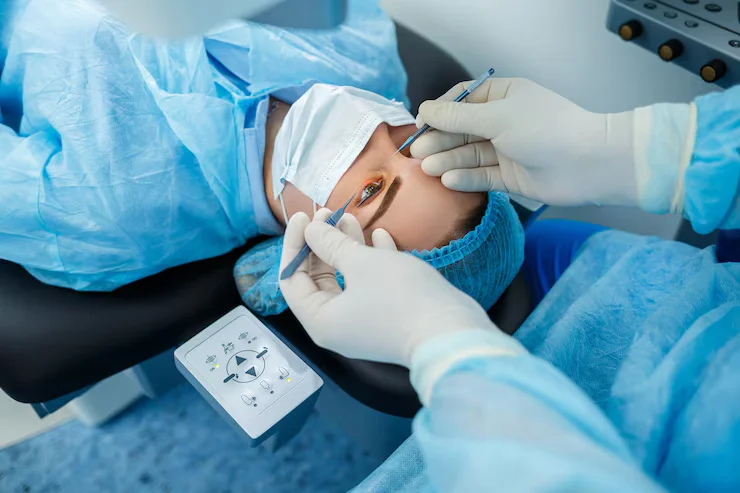
Oculoplasty, or simply oculoplastic surgery, aims at the correction of structural defects, functional issues, and aesthetic concerns in the eye area. This specialty ranges from correcting eyelid malformations, abnormalities of the tear ducts, to corrections of the eye sockets.

Besides offering better vision and comfort, oculoplasty surgery can often enhance the aesthetic appeal as well, giving a client more refreshed, natural-appearing eyelids. This combination of functional and cosmetic benefits is one reason it is so often used by many patients.

Why Consider Oculoplastic Surgery?

1. Functional Benefits

Many oculoplasty procedures are meant to correct vision problems by fixing physical issues that may be present with the eyelids or tear ducts. Many common issues that are treated include:

  • Ptosis (droopy eyelid): Blocks the vision and may create an impression of being tired.
  • Entropion or ectropion (eyelids out of their places): These diseases bring discomfort to the eyes and, eventually, damage to them.
  • Blocked tear ducts: It may lead to watery eyes and recurrent infections.

These abnormalities fix this condition that enhances vision but makes eyes feel very comfortable in everyday life.

2. It Also Improves Appearance

Aesthetic benefits: Oculoplasty is, of course, appreciated aesthetically. When it corrects sagging or drooping skin around the eyes, it regains a more youthful and vibrant appearance. This may be especially appealing in people now experiencing age-related changes, such as:

  • Eye bags, puffy eyelids
  • Drooping skin near the brow or lower eyelid
  • Sunken or tired-looking eyes

For those who want an age-defying solution, the best eye hospital in Kolkata is offering oculoplasty, through which eyes can be rejuvenated.

3. Treats a Variety of Conditions

Oculoplasty contains a wide range of eye-related problems, such as congenital disabilities, trauma-related injuries, and tumors. Some common conditions for which oculoplasty may be required include:

  • Orbital fractures or injuries: These can result in functional and aesthetic impairments of the eye.
  • Benign or malignant tumors: There may be the surgical need for removal or reconstruction around the eye based on health and aesthetics.
  • Facial nerve palsy-related issues: In oculoplasty, restoration of symmetry and function can be achieved.

4. Encourages Good Eye Health

At times, cosmetic issues can potentially threaten the health of your eyes. For example, eyelids that droop too low may get some debris trapped, enhancing the chances of infections or dry eye. Therefore, oculoplasty helps to ensure that such issues are properly sorted out and the chances of recurrences are minimized.

5. Minimal Invasiveness

Thanks to advances in modern technology, most oculoplasty surgeries do not necessarily call for invasive procedures. This, in most cases, means:

  • Shorter recovery times
  • Chances of complications are minimized
  • Much less visible scarring

Oculoplasty procedures by the top eye hospital in Kolkata primarily involve the comfort and safety of patients using advanced technology.

Read here for more:- How Do UV Rays Impact Your Cornea

Best Eye Hospital In Kolkata , Oculoplastic Surgery in Kolkata , Best ophthalmologist in Kolkata , Best Eye specialists in Kolkata , Top eye hospital in Kolkata , best Glaucoma treatment in Kolkata , Best Lasik surgery in Kolkata , Best Cataract Treatment in Kolkata , best cataract surgery in Kolkata , Lasik Surgery Cost in Kolkata , Cataract surgery in Kolkata , Cataract surgery cost in Kolkata , Glaucoma specialist in Kolkata , Refractive surgery in Kolkata , Lasik surgery in Kolkata

Types of Oculoplastic Surgery Procedures

1. Eyelid Surgery or Blepharoplasty

Purpose: Correcting sagging or droopy eyelids.

Benefits: Revives the appearance and vision.

Procedure: Removes excessive fat, skin, or repositions muscles around the eyelid.

2. Tear Duct Surgery or Dacryocystorhinostomy

Purpose: Obstruction removal in the tear duct to prevent chronic watery eyes or infections.

Benefits: Relief from watering and irritated eyes.

Procedure: Creates a tear drainage pathway that avoids the blockage.

3. Orbital Surgery

Aim: Manages the disease conditions inside the orbit.

Advantages: Returns the anatomical anatomy and physiology to the orbit.

Procedure: This depends on the pathology in question.

4. Ptosis Surgery

Objective: Relieves drooping eyelids interfering with vision.

Advantages: Vision and cosmetics improve.

Procedure: Manipulates the muscles of the eyelid.

5. Eye Rejuvenation using Botox and Fillers

Objective: Eradication of wrinkles and fine lines and loss of volume without undergoing surgery.

Benefits: A person looks better with the least possible downtime.

Procedure: Injections of botulinum toxin or hyaluronic acid fillers to give a youthful appearance by lessening wrinkles and fine lines or providing volume to the skin.

What to Expect from an Oculoplasty Consultation

If you pay a visit to the best eye hospital in Kolkata, like those working here, your oculoplasty consultation will generally include:

  • Thorough review of the eye and medical history
  • Discussion of goals and concerns for you
  • Personalized recommendation based on your needs

Understanding the procedure, risks, and recovery time is very important for a smooth experience and getting the best outcome.

Best Eye Hospital In Kolkata , Oculoplastic Surgery in Kolkata , Best ophthalmologist in Kolkata , Best Eye specialists in Kolkata , Top eye hospital in Kolkata , best Glaucoma treatment in Kolkata , Best Lasik surgery in Kolkata , Best Cataract Treatment in Kolkata , best cataract surgery in Kolkata , Lasik Surgery Cost in Kolkata , Cataract surgery in Kolkata , Cataract surgery cost in Kolkata , Glaucoma specialist in Kolkata , Refractive surgery in Kolkata , Lasik surgery in Kolkata

Frequently Asked Questions on Oculoplastic Surgery

Q1. Is oculoplasty safe?

Generally, oculoplasty is a pretty safe procedure if done by a qualified specialist. Always discuss your specific concerns with your physician.

Q2. How long is the recovery time for oculoplasty?

Recovery time varies, but most operations take a few weeks to fully recover. Most minimally invasive techniques shorten the recovery period.

Q3. Will insurance cover the oculoplasty?

If oculoplasty is considered medically necessary, this may extend partially to either ptosis with impaired vision or others in consideration for the appropriate management. Cosmetic procedures normally are not covered by insurance.

Q4. How long will I have to wait until I see results?

The results of oculoplasty vary with the procedure. For instance, functional improvements such as improved eyesight become apparent immediately after recovery. However, aesthetic results take a couple of weeks before they are appreciated.

Q5. Can oculoplasty prevent signs of aging?

While oculoplasty cannot halt the process of aging, it is known to conceal signs of aging close to the eyes, which include sagging or wrinkles, leading to giving a person the look of an older person.

Conclusion

Oculoplastic Surgery is surgery that corrects both cosmetic conditions of the eyes such as drooping eyelids to functional problems, like tear duct blockage. Its extensive provision extends to benefits in both function and cosmetics in concerns for many various reasons. Under a proper and highly skilled provider, such as those available at the best eye hospital in Kolkata, you can be sure of a holistic patient-centered experience tailored to your needs.

Whether it is the desire to look great or reduce discomfort in the eyes or maintain optimal functionality, oculoplasty can work as a breakthrough solution to practical and aesthetic aspects of the eye.
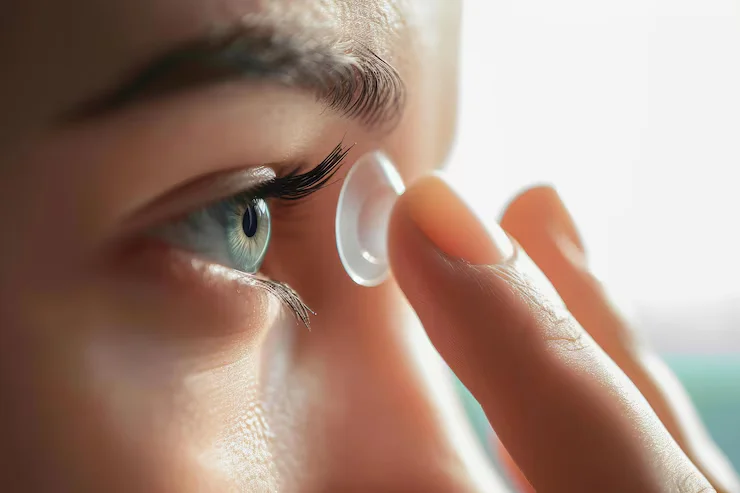
How Can Contact Lens Wearers Protect Corneal Health?

Learn the safest ways of corneal health while wearing contact lenses. The guidance is provided by a person who works at one of the best eye care facilities.

Introduction

Contact lenses provide fantastic freedom and convenience but come with certain responsibilities, especially when dealing with your corneal health. The cornea refers to that part of the eye that is transparent, sensitive, and quite fragile. Improper use of contact lenses can lead to complications ranging from mild irritation to severe infections or even loss of vision.

Here, we shall cover a few tips that have come straight from the practice of some of the best eye hospitals in Kolkata. Therefore, you can be assured of the quality and accuracy of the information!

Understanding Corneal Health for Contact Lens Wearers

What Is the Cornea, and Why Is It Important?

The cornea is the clear outer layer of the eye and serves as its main defense against dust, bacteria, and other possible irritants. It also plays a very important role in directing light to the retina, ensuring proper vision.

For contact lens wearers, the cornea is particularly sensitive and will become irritated and prone to infection if improper use and care of the lenses occur.

How Do Contact Lenses Affect Corneal Health?

Contact lenses cover the cornea, thereby reducing oxygen flow somewhat. If used for prolonged periods or improperly, your cornea may become dry, irritated, or prone to infections. Using proper care routines will help protect your eyes so that you can enjoy the use of contact lenses.

Clean Your Hands:

Before you touch your lenses, wash your hands with soap and dry them with a lint-free cloth.

Routine Cleaning Schedule:

Clean, rinse, and store your lenses using appropriate lens solutions. Never use tap water; its bacteria are dangerous.

Change Your Solution Daily:

Never use old solution. Fresh solution ensures that all the bacteria or debris is effectively eliminated.

Replace According to Schedule

Replace as Prescribed:

Wear daily, bi-weekly, or monthly lenses based on the replacement cycle. Wearing your contact lens for a period longer than recommended for wear heightens your chances of contracting an infection.

Do Not Overuse Daily Lenses:

Avoid reusing your daily contact lenses. This prolongs contact with bacteria and debris accumulation.

Save Extended Wear

Don’t Sleep in Lenses:

Even extended-wear lenses approved for overnight wear decrease oxygen delivery to the cornea and increase the risk of infections.

Rest Your Eyes:

From time to time, use glasses to rest your eyes. This will give your corneas time to breathe and decrease your chances of dryness and irritation.

Hydrate Your Eyes and Lenses

Apply Eye Drops:

Specific re-wetting drops for the contact lens user facilitate moistening of the eyes.

Hydrate:

Rationally drinking water hydrates the whole body including the eyes.

Correct Fit and Consultation

Get Your Lenses Fitted by an Eye Specialist:

A poorly fitting lens can rub against the cornea which is painful or even cause abrasion.

Regular Check-Ups:

Regular visits to the best eye hospital in Kolkata may expose any symptoms of corneal stress in time.

Pay Attention to Discomfort

Watch Out for Symptoms:

Do not ignore redness, pain, or blurry vision. This could mean you have an infection or irritation that must be treated.

If you find anything unusual, it is always recommended to take off your lenses, clean them, and then refit them. If you still suffer, you can also approach an eye care professional.

Read here for more

Contact Lens Use FAQs

Q1: Can I wear contact lenses if I have dry eyes?

A1: You definitely can. Though, at times, you would be required to wear specific lenses. For knowing which one is the best for preventing dryness, get in touch with a professional at the Best Eye Hospital Kolkata.

Q2: How frequently should I have my eyes checked?

A2: If you wear contacts, then one should have a comprehensive eye exam at least once every year. This means that you are healthy and that your prescription is current.

Q3: Can I swim or shower with my contacts in?

A3: No, water may carry pathogens to your lenses. You should not insert your lenses when swimming or showering, and risk scratching your corneas.

Q4: What should I do when my eyes become red and irritated?

A4: Stop wearing your contacts and seek help from a specialist if irritation continues. Redness and soreness could be signs of infections and corneal damage.

Q5: How would you prevent infections as a wearer of contact lenses?

A5: Maintenance of rigorous hygiene, adequate storage products, and proper replacement lenses according to instructions are prescribed. Regular check-ups by a good eye clinic also, such as the Best Eye Hospital in Kolkata.

Benefits with Professional Help to Contact Lens Users

While it is important to be meticulous about the care of contacts at home, a routine follow-up with an expert eye care provider offers additional assurance. Clinics like Pushpanjali Eye Care, which is regarded as the Best Eye Hospital in Kolkata, personalize their treatment for contact lens users. These services include fitting the right contacts specific to the particular curvature of your eyes and general health conditions, tailored advice to suit individual needs, wherein you may experience dryness or often find that your eyes get infected.

  • Advanced eye health screenings to check for any long-term impact of contact lens use on your corneas.
  • Professional advice and treatment options that are specifically designed to maintain healthy eyesight and clear vision.

Conclusion: Maintaining Healthy Corneas as a Contact Lens Wearer

As a contact lens user, maintaining corneal health is all about daily hygiene practices, following the recommended wear schedule, and being attentive to any discomfort. With just a few habits, you can significantly reduce the risk of infections or dryness.

If you feel uneasy or want to take the steps to be proactive in making your eyes healthy, then consulting the Best Eye Hospital in Kolkata could really make all the difference. You can get the most customized solutions from skilled professionals so that you will surely be enjoying your lenses with peace of mind.

These techniques, combined with continuous knowledge about them, will let you fully gain all the advantages offered by contact lenses without damaging your cornea. Recall that your eyes are a part of your body and are worth much more than your daily discomfort and unhealthy eyes.

What are the Common Corneal Diseases and How to Prevent Them

Hello Reader!

Welcome to the blog page of Pushpanjali Eye Care, one of the best eye hospital in Kolkata. 

At Pushpanjali Eye Care, the best eye hospital in Kolkata, we understand that corneal health is fundamental to maintaining clear and healthy vision. The cornea, the transparent outer layer of the eye, is critical in focusing light and protecting the eye from dust, germs, and other potential threats. Corneal diseases can significantly impact daily life, but with awareness and preventive measures, many corneal conditions can be effectively managed or even prevented.

In this guide, we’ll discuss some of the most common corneal dystrophy, their symptoms, causes, and preventive tips.

corneal diseases

1. Keratitis

Keratitis is the inflammation of the cornea, often due to bacterial, viral, fungal, or parasitic infections. It can cause redness, pain, tearing, and in severe cases, vision loss. So you need Corneal Surgery which is essential of your eyes.

Causes of Keratitis:

  • Contact Lenses: Prolonged wear or improper cleaning can lead to infection.
  • Injuries: Minor injuries or abrasions can expose the cornea to infections.
  • Contaminated Water: Swimming or showering with contact lenses can introduce harmful microorganisms.

Prevention Tips:

  • Maintain proper hygiene when handling contact lenses; always clean them and avoid sleeping with lenses on.
  • Wear protective eyewear when engaging in activities that could harm your eyes.
  • Refrain from using tap water to clean lenses; instead, use a sterile solution.

2. Dry Eye Syndrome

Dry eye occurs when the eyes fail to produce enough tears or when the tears evaporate too quickly. Common symptoms include burning, itching, and a gritty sensation in the eyes.

Causes of Dry Eye Syndrome:

  • Environmental Factors: Exposure to dry air or wind.
  • Prolonged Screen Time: Staring at screens without blinking adequately.
  • Aging: Tear production naturally decreases with age.

Prevention Tips:

  • Take frequent breaks when using screens, and follow the 20-20-20 rule (look away every 20 minutes for 20 seconds at something 20 feet away).
  • Use a humidifier to maintain moisture in the air.
  • Wear sunglasses outdoors to protect against wind and sunlight.

3. Corneal Ulcers

A corneal ulcer is an open sore on the cornea, usually caused by infection. Symptoms include severe pain, redness, blurred vision, and sensitivity to light.

To know more visit our blog: https://pushpanjalieyecare.com/blogs/corneal-diseases-by-best-eye-hospital-in-kolkata/

Causes of Corneal Ulcers:

  • Bacterial Infections: Often associated with contact lens wear.
  • Viral Infections: Herpes simplex virus (HSV) can cause recurrent corneal ulcers.
  • Fungal Infections: Can occur after an injury involving organic matter, such as a tree branch.

Prevention Tips:

  • Promptly treat any eye infections to avoid complications.
  • Avoid touching or rubbing your eyes with unclean hands.
  • Remove makeup completely before sleeping and avoid sharing eye cosmetics.
Best Eye Hospital In Kolkata , Best ophthalmologist in Kolkata , Best Eye specialists in Kolkata , Top eye hospital in Kolkata , best Glaucoma treatment in Kolkata , Best Lasik surgery in Kolkata , Best Cataract Treatment in Kolkata , best cataract surgery in Kolkata , Lasik Surgery Cost in Kolkata , Cataract surgery in Kolkata , Cataract surgery cost in Kolkata , Glaucoma specialist in Kolkata , Refractive surgery in Kolkata , Lasik surgery in Kolkata

4. Corneal Dystrophies

Corneal dystrophies are a group of genetic disorders that lead to abnormal material accumulation in the cornea. Types include Fuchs’ Dystrophy and Keratoconus.

Causes of Corneal Dystrophies:

  • Genetics: Many corneal dystrophies are inherited.
  • Structural Abnormalities: Keratoconus, a type of dystrophy, weakens the cornea’s structure, causing it to thin and bulge.

Prevention Tips: While genetic factors can’t be prevented, regular eye check-ups at the best eye hospital in Kolkata can help in early diagnosis and management. In the case of Keratoconus, wearing specially fitted contact lenses and using corneal cross-linking treatment can manage progression.

5. Herpes Simplex Keratitis

This is a recurrent viral infection caused by the herpes simplex virus. It can lead to corneal scarring, and without proper treatment, it may even result in vision loss.

Causes of Herpes Simplex Keratitis:

  • Viral Reactivation: Stress, sun exposure, or a weakened immune system can trigger reactivation.
  • Direct Contact: The virus can be transferred from cold sores near the mouth to the eyes.

Prevention Tips:

  • Avoid touching your eyes if you have cold sores or an active herpes infection.
  • Wear UV-protective sunglasses outdoors.
  • Follow your doctor’s guidance on antiviral treatments if you experience recurrent infections.

6. Corneal Abrasions

Corneal abrasions are superficial scratches on the cornea, often caused by foreign objects, improper contact lens use, or accidental injury.

Causes of Corneal Abrasions:

  • Foreign Bodies: Dust, sand, or even eyelashes.
  • Improper Lens Handling: Rubbing or touching your eyes while wearing contact lenses.
  • Accidental Injuries: Contact sports or mishaps with household items.

Prevention Tips:

  • Wear protective eyewear during sports or while working in environments where eye injuries are likely.
  • Handle contact lenses carefully, and avoid touching your eyes frequently.
  • Seek immediate medical attention if an object enters your eye to avoid infections.

Also Read: 5 Corneal Transplant Myths: What Does the Best Eye Hospital in Kolkata Say?

Best Eye Hospital In Kolkata , Best ophthalmologist in Kolkata , Best Eye specialists in Kolkata , Top eye hospital in Kolkata , best Glaucoma treatment in Kolkata , Best Lasik surgery in Kolkata , Best Cataract Treatment in Kolkata , best cataract surgery in Kolkata , Lasik Surgery Cost in Kolkata , Cataract surgery in Kolkata , Cataract surgery cost in Kolkata , Glaucoma specialist in Kolkata , Refractive surgery in Kolkata , Lasik surgery in Kolkata

How Can Pushpanjali Eye Care Help?

As the best eye hospital in Kolkata, we offer comprehensive treatment for various corneal diseases. Our advanced diagnostic tools and skilled eye specialists are here to provide personalized care that prioritizes your vision health. For each of these conditions, prompt medical intervention can make a significant difference. We recommend regular eye check-ups, especially for contact lens wearers, and encourage proactive eye care habits to prevent corneal issues.

How can I differentiate between corneal diseases and other eye problems as per best eye hospital in Kolkata?

Differentiating between corneal diseases and other eye problems involves understanding the specific symptoms, causes, and diagnostic methods associated with corneal conditions compared to other ocular issues.

Corneal Diseases

Corneal diseases primarily affect the cornea, the clear front layer of the eye, and can lead to significant vision impairment. Common keratitis include:

  • Keratoconus: A condition where the cornea thins and bulges into a cone shape, leading to distorted vision. Symptoms include blurry vision, sensitivity to light, and double vision.
  • Fuchs’ Dystrophy: This inherited condition affects the endothelial cells of the cornea, causing swelling and clouding. Symptoms often worsen in the morning and may include glare and halos around lights.
  • Corneal Dystrophies: A group of genetic disorders that cause material buildup in the cornea, leading to cloudy vision. Symptoms can vary widely depending on the specific type of dystrophy.
  • Keratitis: Inflammation of the cornea, which can be infectious (due to bacteria or viruses) or non-infectious (due to injury or dryness). Symptoms include redness, pain, and blurred vision.

Symptoms Specific to Corneal Diseases

  • Cloudy or distorted vision
  • Eye pain or irritation
  • Light sensitivity
  • Redness in the eyes
  • Blurry vision that may fluctuate.
corneal diseases

Other Eye Problems

Other eye conditions may not specifically involve the cornea but can still affect vision. These include:

  • Conjunctivitis (Pink Eye): Inflammation of the conjunctiva, leading to redness, itching, and discharge. Unlike corneal diseases, conjunctivitis typically does not cause significant changes in vision.
  • Cataracts: Clouding of the lens inside the eye, resulting in blurry vision and glare. Symptoms differ from corneal issues as they primarily affect clarity rather than surface integrity.
  • Glaucoma: Increased pressure within the eye that can damage the optic nerve. Symptoms may include peripheral vision loss and halos around lights but do not typically involve corneal symptoms.

Distinguishing Factors

To differentiate between corneal diseases and other eye problems:

  1. Location of Symptoms: Corneal ectasia often present with symptoms directly related to the surface of the eye (pain, light sensitivity), while other issues like cataracts or glaucoma may not involve surface symptoms.
  2. Visual Distortion Type: Corneal conditions often lead to specific types of distortion (e.g., halos or blurriness due to irregular shape), whereas cataracts typically cause overall haziness.
  3. Response to Treatment: Corneal diseases may improve with specific treatments like contact lenses or surgical procedures targeting the cornea (e.g., cross-linking for keratoconus), while other conditions like glaucoma require different management strategies. Visit Pushpanjali Eye care, one of the best eye hospital in Kolkata to get immediate Eye treatments by eye specialists.

Diagnosis

A comprehensive eye examination is crucial for accurate diagnosis. Eye specialists will use various tests such as:

  • Slit Lamp Examination: To visualize the structures of the eye in detail.
  • Fluorescein Staining: To highlight any abrasions or damage on the cornea.
  • Corneal Topography: To map the curvature of the cornea for conditions like keratoconus.

Are there any preventive measures for corneal diseases?

Preventing corneal diseases is essential for maintaining good eye health and preserving vision. Here are some effective preventive measures based on the latest insights:

1. Regular Eye Exams

Routine eye examinations with an ophthalmologist or optometrist are crucial for early detection of corneal diseases. Regular check-ups can help identify issues before they become serious, allowing for timely intervention and treatment.

2. Proper Contact Lens Care

If you wear contact lenses, adhere strictly to hygiene practices:

  • Always wash your hands before handling lenses.
  • Clean and disinfect your lenses as recommended.
  • Avoid sleeping in contact lenses unless specifically designed for extended wear.
  • Replace your lens case every three months and avoid exposing lenses to water.

3. UV Protection

Protect your eyes from harmful ultraviolet (UV) rays by wearing sunglasses that block 100% of UV light when outdoors. This can help prevent conditions like pterygium and photokeratitis, which can damage the cornea.

4. Maintain Good Eye Hygiene

Keep the area around your eyes clean to prevent infections. Avoid touching your eyes with unwashed hands, and ensure that any makeup or products used around the eyes are clean and safe.

5. Healthy Diet

Incorporate a nutrient-rich diet that includes vitamins A, and C, omega-3 fatty acids, and antioxidants. Foods like leafy greens, carrots, fish, and nuts support overall eye health and can help prevent corneal diseases.

6. Avoid Smoking

Smoking is a significant risk factor for various eye diseases, including corneal disorders. Quitting smoking can greatly reduce your risk of developing these conditions.

7. Protective Eyewear

When engaging in activities that pose a risk of eye injury—such as sports, yard work, or working with chemicals—wear appropriate protective eyewear. This can prevent injuries that might lead to corneal abrasions or other damage.

8. Manage Underlying Health Conditions

Conditions such as diabetes and autoimmune disorders can increase susceptibility to corneal issues. Work with healthcare providers to manage these conditions effectively and consult with the best eye hospital in Kolkata for the best eye treatments.

Best Eye Hospital In Kolkata , Best ophthalmologist in Kolkata , Best Eye specialists in Kolkata , Top eye hospital in Kolkata , best Glaucoma treatment in Kolkata , Best Lasik surgery in Kolkata , Best Cataract Treatment in Kolkata , best cataract surgery in Kolkata , Lasik Surgery Cost in Kolkata , Cataract surgery in Kolkata , Cataract surgery cost in Kolkata , Glaucoma specialist in Kolkata , Refractive surgery in Kolkata , Lasik surgery in Kolkata

What specific nutrients are essential for corneal health?

1. Vitamin A

  • Role: Essential for maintaining healthy epithelial tissues, including those in the cornea. It aids in the production of tears and helps prevent dryness.
  • Sources: Carrots, sweet potatoes, spinach, and other orange or dark green vegetables.

2. Vitamin C

  • Role: Acts as a powerful antioxidant, protecting the cornea from oxidative stress and aiding in wound healing. It is also crucial for collagen synthesis, which supports the corneal structure.
  • Sources: Citrus fruits (oranges, lemons), strawberries, bell peppers, and broccoli.

3. Vitamin E

  • Role: Another antioxidant that protects eye cells from oxidative damage. It helps maintain the integrity of cell membranes in the cornea.
  • Sources: Nuts (especially almonds), seeds, avocados, and vegetable oils.

4. Omega-3 Fatty Acids

  • Role: Important for maintaining tear production and preventing dry eyes. Omega-3s support the structural integrity of cell membranes in the eye.
  • Sources: Fatty fish (salmon, tuna), flaxseeds, chia seeds, and walnuts.

5. Lutein and Zeaxanthin

  • Role: These carotenoids filter harmful blue light and protect against oxidative damage in the retina and cornea. They are associated with reducing the risk of age-related macular degeneration.
  • Sources: Leafy greens (spinach, kale), corn, and eggs.

6. Zinc

  • Role: Vital for transporting vitamin A from the liver to the retina to produce melanin, a protective pigment in the eyes. Zinc also supports overall eye health by contributing to immune function.
  • Sources: Meat, shellfish, legumes, seeds, nuts, and dairy products.

7. B Vitamins

  • Role: B vitamins (such as B1, B2, B3, B6, B9, and B12) support energy metabolism in ocular tissues and help maintain nerve health.
  • Sources: Whole grains, eggs, dairy products, meat, and leafy vegetables.
Best Eye Hospital In Kolkata , Best ophthalmologist in Kolkata , Best Eye specialists in Kolkata , Top eye hospital in Kolkata , best Glaucoma treatment in Kolkata , Best Lasik surgery in Kolkata , Best Cataract Treatment in Kolkata , best cataract surgery in Kolkata , Lasik Surgery Cost in Kolkata , Cataract surgery in Kolkata , Cataract surgery cost in Kolkata , Glaucoma specialist in Kolkata , Refractive surgery in Kolkata , Lasik surgery in Kolkata

FAQ

1. What are common corneal diseases?

Common corneal diseases include keratitis, dry eye syndrome, corneal ulcers, corneal dystrophies, and herpes simplex keratitis. Each affects corneal health differently and may lead to vision issues if untreated.

2. How can I prevent keratitis?

To prevent keratitis as per the eye specialists in the best eye hospital in Kolkata, maintain proper contact lens hygiene, avoid sleeping with lenses on, and protect your eyes from potential injuries or contaminants like contaminated water.

3. What causes dry eye syndrome, and how can I prevent it?

Dry eye syndrome is often caused by prolonged screen time, environmental dryness, and aging. To prevent it, take breaks from screens, use humidifiers, and wear protective eyewear outdoors.

4. Are corneal ulcers dangerous?

Yes, corneal ulcers are serious and can cause severe pain and vision loss if untreated. To prevent them, follow good hygiene practices with contact lenses and avoid touching your eyes with unwashed hands.

5. Can genetic factors cause corneal diseases?

Yes, conditions like corneal dystrophies are often hereditary. Regular check-ups at the best eye hospital in Kolkata, like Pushpanjali Eye Care, can help in early diagnosis and management.

Conclusion

Corneal diseases can pose serious risks to eye health, but with awareness and preventive measures, many of these conditions can be managed or avoided. By choosing Pushpanjali Eye Care, the best eye hospital in Kolkata, for your eye health needs, you’re ensuring access to world-class care for your vision.

Prevention is always the best course, but should you need treatment, our team is here to help guide you on the path to recovery and improved eye health. Schedule a consultation with us today and take the first step towards a lifetime of clear vision.

How Does UV Rays Impact Your Cornea Health?

How Does Ultraviolet Light Damage Your Cornea Health? Learn ways to properly take care of your eyes and keep your corneas healthy by reading on from one of the Best Eye Hospital in Kolkata

Introduction

Sunshine is essential for life, but it also brings along certain health risks. While everyone is familiar with the harm UV rays can cause to the skin, many are unaware of how ultraviolet light can also damage the eye, particularly the cornea. Prolonged exposure to UV rays can lead to serious eye conditions, including corneal damage, cataracts, and even permanent vision loss. In this article, we’ll explore the connection between UV rays and corneal health, along with ways to protect your eyes from harm.

Image Source: Freepik

What is the Cornea and Its Function?

It is the clear, dome-shaped front part of the eye that focuses light onto the retina, hence enabling you to see properly. It acts like a shield against dust, germs, and harmful UV rays. However, this protection is not fail-safe. Prolonged exposure to UV rays causes inflammation, damage, or other serious conditions affecting the cornea.

How do UV Rays Affect the Cornea?

Short-term effects

Photokeratitis (Corneal Sunburn)

What It Is: A burning sensation caused by intense UV exposure that’s like when people get sunburned, but on the cornea.
Symptoms: Redness, tearing, blur vision, sensitivity to light, and gritty feeling in the eyes.
Cause: Prolonged periods of time in the sun without proper eye protection (sunglasses, hats) can cause photokeratitis.

Temporary Vision ImpairmentWhat It Is: Prolonged UV exposure can create something like “halos” around bright objects or blur vision.
Symptoms: Sudden blurry vision, eye fatigue, or temporary blurring.

Long Term Effects

Pterygium, also called Surfer’s Eye
What It Is: A form of tissue growth on the cornea caused by overexposure to UV, which is naturally found in people who spend a lot of time in the sun.
Symptoms: Irritation, redness, and as if something is caught in your eye.

Risk of Cataracts
What It Is: UV rays are implicated in the causation of cataracts, where the lens inside the eye becomes cloudy, and it deteriorates your eyesight.
Symptoms: Watered-down vision, not being able to see at night, and decreased color intensity.

Corneal Degeneration
What It Is: UV rays can break down the cornea over time, which makes it delicate and may make your eye susceptible to degenerative changes that could require surgery.
Symptoms: Gradual degeneration of vision and increased photosensitivity.

How to Defend Your Cornea against UV Rays

The protection of your eyes from the harmful radiation of UV does not go like rocket science; however, it calls for some very proactive steps. Here are some practical ways for safeguarding your cornea against UV-related damage:

  • Wear Sun-Glasses with 100% UV Protection: Make sure you look for such sunglasses that block 100% UVA and UVB radiation so the exposure of the harmful radiation to your eyes will be minimized as much as possible.
  • Use UV-Protective Contact Lenses: Some contact lenses have built-in UV protection, which serves as another protective layer against the harmful effects of rays.
  • Wear a Wide-Brimmed Hat: A wide-brimmed hat serves as another cover-up against direct sunlight, especially when engaging in outdoor activities.
  • Avoid Exposure Directly During Peak Hours: The sun is most powerful between 10 AM and 4 PM. As much as possible, avoid exposure at these hours or make sure you are well protected.
  • Wearing Polarized Lenses: Polarized sunglasses will block UV rays and at the same time help in reducing glare that may cause strain on your eyes, and exposure to UV becomes more lethal.

Why the Best Eye Hospital in Kolkata Should be Your Choice for Corneal Health?

For saving vision, consultation from vision specialists is required. Besides this, a visit to the Best Eye Hospital in Kolkata would ensure you’re treated with the latest diagnostic tools and treatment options if there are eye problems connected with UV. Specialized care might be helpful in early catchings of damage and offer the right solutions to preserve your eyesight.

At Pushpanjali Eye Care, expert professionals can provide an in-depth corneal evaluation to identify problems at the earliest and then customized solutions can be provided for the protection and care of your eyes.

Read here for more:- What are the 5 Corneal Transplant Surgery Myths?

Cornea Health

Questions Frequently Asked About UV Rays and Corneal Health

1. Can UV rays cause damage to your eye even when it is a cloudy day?
Answer: Absolutely, because the UV rays are thin enough to pass through clouds. So, eye protection is required even on overcast days. Do not venture out outdoors without wearing UV-blocking sunglasses.

2. Is UV exposure equal for all?
Answer: No, more those who spend extended periods outdoors, especially in reflective surfaces that are due to snow or water. In addition, children and those with light-colored eyes are specifically at risk to UV-related corneal injury.

3. What should I do if I think I have damage to my cornea from UV?
Answer: If within a few days after sun exposure you have redness, irritation and/or blurry vision, get emergency evaluation. The sooner the treatment, the less damage you are likely to incur.

4. Can artificial UV sources also cause damage to the cornea?
Answer: Yes, sources of artificial UV include tanning beds, welding equipment and certain industrial lighting—all of which can cause damage as dangerous as that caused by natural sunlight. Great eye protection is important in these settings.

5. How often should I get an eye exam to prevent UV-induced damage to the cornea?
Answer: Regular eye checkup, regular eye examination would help patients maintain their corneal health. It is advised that a visit to your eye doctor at least every year or more frequently if suffering from higher UV exposure.

Conclusion about Cornea Health

Your cornea may be severely damaged due to prolonged exposure to UV rays. From photokeratitis—a condition that you can feel within minutes of exposure—to cataracts and pterygium, the effects can be devastating if not prevented or treated early on. Preventive measures are simple acts, including wearing sunglasses that protect your cornea from UV rays and avoiding peak sun hours, all of which can be consulted with specialists.

Looking for professional care at the Best Eye Hospital in Kolkata— may let you avail professional guidance and care that is needed if one concerns related to UV damage or wants to ensure well-being of his eyes. Protect your eyes today for a brighter, healthier tomorrow!

What are the 5 Corneal Transplant Surgery Myths?

Hello Reader!

Welcome to the blog page of Pushpanjali Eye Hospital, one of the best eye hospitals in Kolkata.

Corneal transplant surgery are an extremely important surgery for most patients with damaged or diseased corneas, but, like most clinical and medical procedures, so are the myths and misconceptions surrounding them. It is with this particular interest that this article tries to address five common myths regarding keratoplasty, providing accurate information that will guide you through decisions regarding your eye health from the Best Eye care in Kolkata.

Understanding facts on such myths is an essential part of taking up this life-changing procedure or if someone close to you is making a consideration.

Corneal Transplant  Surgery
Corneal Transplant Surgery

What is a Corneal Transplant?

Before we embark on the myths, let us try a brief explanation of what a corneal transplant is. The cornea is the semi-transparent, dome-shaped surface at the front of your eye. It focuses light and protects your eye from dust and bacteria. When the cornea becomes damaged or diseased, a Corneal grafting may be necessary to restore vision. In this procedure, the damaged cornea is replaced with healthy tissue from a donor. People must be aware of Corneal Transplant Surgery.

Myth #1: Corneal Grafting: are Very Hazardous

  • The Truth
    Though any surgery does carry some dangers, the risk factor of corneal transplants has been largely reduced. Medical science and surgical techniques have minimized the risks associated with this procedure to a great extent.
  • .Fact: The success rate of modern keratoplasty is considerably over 90 percent.
  • Reality Check: Even today, infection or rejection can happen, and that too can be tackled in time.

Care needs to be taken to strictly follow post-surgical guidelines for closely guided operations, as suggested by your eye care specialist. In the event of complications, the earlier they can be identified, then the sooner treatment can be started and one’s recovery will be the better. keratoplasty is need for eye patient.

Myth #2: The Body Always Rejects Corneas Donated By Other Individuals

  • Reality
    Rejection of donor corneas is quite a nuisance but not as much of an issue as people feel. With the latest advancements in anti-rejection drugs and proper protocols on matching donors, rejection of the donor cornea by the body has reduced to a large extent.
  • Fact: Less than 10% of patients have the experience of their cornea being rejected.
  • Reality Check: Pain, redness or a change in vision are signs of rejection, which are usually medicated if detected early.

It is important to track closely to see how well the transplanted cornea is healing. Early indications of rejection will easily be detected by your doctor, hence there can be treatments to prevent further complications. Corneal Transplant Surgery essential for eye treatment.

Myth #3: Only the Aged Need Corneal Transplant Surgery

  • Reality
    As corneal diseases and damage can occur to anyone of any age, it is rather common for the elderly, of course. However, there are young patients who would require a corneal transplant due to trauma, infections, or for example, in keratoconus.
  • Fact: Patients of all ages, including children and young adults, undergo a corneal transplant.
  • Reality Check: Eye health is essential for all ages, and treatment in time will restore eye vision even after a long age.

Myth #4: You’ll Have to Wait Years for a Donor Cornea

  • Reality
    While some regions certainly have waiting lists longer than others, corneal tissue tends to be viewed as one of the more available organ donations. In many areas of the world, cornea donation is well coordinated, reducing waiting times.
  • Fact: Corneas are also readily available due to the proliferation of donation programs across most parts of the world.
  • Reality Check: Even though a waiting list exists, advances in eye banking and the availability of donors suggest that a patient waits far less time for a cornea than for an organ to become available.

If you are concerned about the waiting time, raise this with your ophthalmologist who should be in a position to communicate to you the details of donor cornea availability in your locality. Corneal grafting is common myth now a days. People also searched best cornea treatment in Kolkata then Pushpanjali Eye Care is one of the best name for this.

Myth #5: Vision is Instantly Restored After Corneal Transplant Surgery

  • Reality
    Improvement in vision after corneal transplantation also occurs gradually. One may expect this process of complete recovery to take a few months, and patience is truly a virtue during these times as one’s eyes are healing. The cornea needs its time to adapt and over this period, steady improvement in vision occurs as the healing process continues.
  • Fact: Improvement in vision is gradual and can even take up to a year for full recovery.
  • Reality Check: During the first hours or day following surgery, your vision will be blurry, but it will improve progressively in the months ahead.

Post-operative care, including adhering to your physician’s follow-up instructions, return visits, and caution in heavy eyes activities, is critical for a hassle-free recovery process.

Best Eye Hospital In Kolkata , Best ophthalmologist in Kolkata , Best Eye specialists in Kolkata , Top eye hospital in Kolkata , best Glaucoma treatment in Kolkata , Best Lasik surgery in Kolkata , Best Cataract Treatment in Kolkata , best cataract surgery in Kolkata , Lasik Surgery Cost in Kolkata , Cataract surgery in Kolkata , Cataract surgery cost in Kolkata , Glaucoma specialist in Kolkata , Refractive surgery in Kolkata , Lasik surgery in Kolkata

Why visit the Best Eye Hospital in Kolkata for Corneal Transplant Surgery?

A trusted medical provider must be sought in searching for corneal transplant surgery. The Best Eye Hospital in Kolkata, being advanced in treatment and services with the most qualified ophthalmologists, can provide the latest techniques in keratoplasty procedures. Support system is given according to the needs and requirements of each patient to ensure the best outcomes.

Here at the Best Eye Hospital in Kolkata, the experienced medical team with special skills in performing corneal transplants with a high success rate is committed to providing state-of-the-art care so that its patients may have access to the latest in medical technology and surgical expertise.

Read here for more:- What is Cornea: Its function and importance for vision

FAQs About Corneal Transplant Surgery

  1. How long does a corneal transplant last?

    Although a corneal transplant can last for many decades in a healthy manner, there are instances where further surgery is necessary later in life.

  2. Does the procedure of corneal transplant hurt?

    The surgical procedure itself does not cause any pain since anesthesia is administered. However, after surgery, you may feel some pain, and your doctor would guide you on the use of certain medications prescribed for alleviation of it.

  3. Do I need glasses even after the corneal transplant?

    Most patients will need corrective glasses or contact lenses after a corneal transplant. The need for the use of these devices will depend on how successful your transplant is and heals.

  4. When will I return to work after undergoing a corneal transplant?

    Recovery will take some time; for at least a couple of weeks following surgery, you will be required to avoid vigorous activities. Your surgeon will advise you of the specific periods once you can return to normal life activities.

  5. Are there alternatives to a corneal transplant?

    For example, more simplified treatment for some patients would be much-needed corneal cross-linking. However, for more serious cases, a transplant may be the last resort. Be sure to sit down and discuss with your eye doctor what works best for your condition.

Conclusion

For people whose loss of vision is due to the damaged or diseased cornea, a corneal transplant may be the word that describes a life-changing experience. Although there are myths and misconceptions that make it sound daunting, knowledge of facts will indeed calm down patients’ concerns and thus lead them to make the right decisions.

By removing all these myths, we have proved that the corneal transplant is safe and effective and accessible. So, if you are planning to undergo this treatment, then consult a trusted doctor, the Best Eye Hospital in Kolkata. Here one can get every modern treatment facility and personalized care for each and every patient.

What is Cornea: Its Function and Importance for Vision

Hello Reader!

Welcome to the blog page of Pushpanjali Eye Care, one of the best eye care center in Kolkata.

The human eye is a remarkable organ, functioning as our window to the world by capturing light and transmitting signals to the brain, allowing us to perceive our surroundings. One of the most critical components of the eye, often overlooked, is the cornea. At Pushpanjali Eye Care hospital, the best eye hospital in Kolkata, we believe in educating our patients about the eye’s anatomy and how vital the cornea is for maintaining good vision. This blog will explore what the cornea is, its functions, and why it is so essential for clear and healthy vision.

Best Eye Hospital In Kolkata , Best ophthalmologist in Kolkata , Best Eye specialists in Kolkata , Top eye hospital in Kolkata , best Glaucoma treatment in Kolkata , Best Lasik surgery in Kolkata , Best Cataract Treatment in Kolkata , best cataract surgery in Kolkata , Lasik Surgery Cost in Kolkata , Cataract surgery in Kolkata , Cataract surgery cost in Kolkata , Glaucoma specialist in Kolkata , Refractive surgery in Kolkata , Lasik surgery in Kolkata

What is the Cornea?

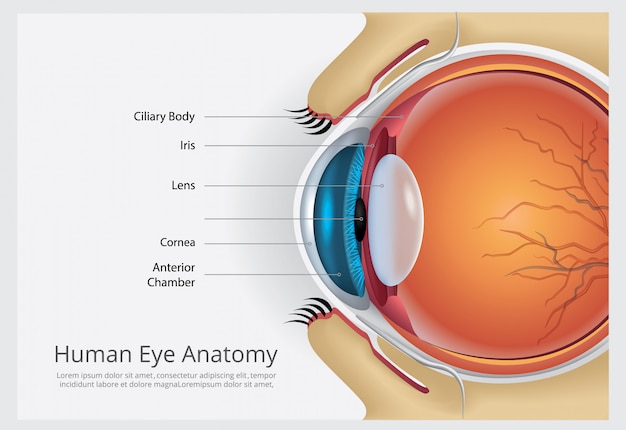
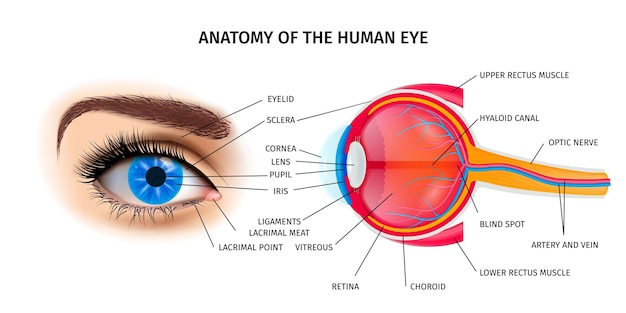
The cornea is the transparent, dome-shaped outermost layer of the eye that covers the iris, pupil, and anterior chamber. It plays a crucial role in your ability to see clearly by focusing light onto the retina, much like the lens of a camera. Despite being just about 0.5 millimeters thick, the cornea is incredibly strong and consists of five distinct layers, each contributing to its strength, flexibility, and transparency. Cornea Treatment include Laser Treatment which is phototherapeutic keratectomy which is surgical process like glass and contact lenses.

Layers of the Cornea

  1. Epithelium: This is the outermost layer of the cornea that protects the eye from dust, dirt, and bacteria. It also absorbs oxygen and nutrients from tears to nourish the rest of the cornea.
  2. Bowman’s Layer: Below the epithelium is Bowman’s layer, a strong barrier that helps protect the corneal stroma.
  3. Stroma: This is the thickest layer of the cornea, providing structural support and clarity due to its orderly arrangement of collagen fibers.
  4. Descemet’s Membrane: A thin but strong film that acts as a protective barrier against injury or infection.
  5. Endothelium: The innermost layer, responsible for pumping excess fluid out of the stroma to keep the cornea clear.

If any of these layers are damaged or compromised, vision can be affected, which is why corneal health is vital.

The Function of the Cornea

The cornea performs several essential functions:

Best Eye Hospital In Kolkata , Best ophthalmologist in Kolkata , Best Eye specialists in Kolkata , Top eye hospital in Kolkata , best Glaucoma treatment in Kolkata , Best Lasik surgery in Kolkata , Best Cataract Treatment in Kolkata , best cataract surgery in Kolkata , Lasik Surgery Cost in Kolkata , Cataract surgery in Kolkata , Cataract surgery cost in Kolkata , Glaucoma specialist in Kolkata , Refractive surgery in Kolkata , Lasik surgery in Kolkata

1. Light Refraction

One of the most critical functions of the cornea is to refract or bend light. As light enters the eye, the curved surface of the cornea refracts it toward the retina. The cornea provides approximately 65-75% of the eye’s total focusing power. Without the cornea’s ability to properly focus light, our vision would be blurry or distorted. When refractive errors occur, such as myopia (nearsightedness) or hyperopia (farsightedness), treatments like corrective lenses or surgery can help adjust the way light is refracted.


2. Protection and Barrier

The cornea serves as the eye’s first line of defense against environmental damage. It helps shield the eye from dust, germs, and other harmful particles. The epithelium, the outermost layer, also contains pain receptors, making the cornea extremely sensitive to foreign bodies, infections, or injuries. If you experience irritation or redness in your eye, it’s important to seek medical advice from experts at one of the best eye hospital in Kolkata, such as Pushpanjali Eye Care, to prevent further damage.

3. Filtering UV Light

The cornea also filters some of the harmful ultraviolet (UV) light from the sun, acting as a protective shield for the inner eye structures. Although the cornea blocks a portion of UV rays, it is essential to wear proper sunglasses to protect the eyes from long-term UV damage.

4. Transparency

For the cornea to properly perform its refractive function, it must remain transparent. Unlike other tissues in the body, the cornea contains no blood vessels. Instead, it receives nourishment from the tear film and the aqueous humor, a clear fluid in the eye’s anterior chamber. The precise arrangement of collagen fibers in the stroma ensures that the cornea remains clear, allowing light to pass through it unobstructed.

Best Eye Hospital In Kolkata , Best ophthalmologist in Kolkata , Best Eye specialists in Kolkata , Top eye hospital in Kolkata , best Glaucoma treatment in Kolkata , Best Lasik surgery in Kolkata , Best Cataract Treatment in Kolkata , best cataract surgery in Kolkata , Lasik Surgery Cost in Kolkata , Cataract surgery in Kolkata , Cataract surgery cost in Kolkata , Glaucoma specialist in Kolkata , Refractive surgery in Kolkata , Lasik surgery in Kolkata

Importance of the Cornea for Vision

The cornea’s health is directly linked to the clarity and quality of your vision. Since it is the first structure that light passes through, any damage or irregularity in the cornea can result in vision problems, such as blurriness, glare, or sensitivity to light. Better to visit Pushpanjali Eye Hospital, one best eye hospital in Kolkata.

Corneal Conditions and Their Impact on Vision

Several conditions can affect the cornea, impairing vision. Some of the most common ones include:

  1. Corneal Abrasions: Scratches on the cornea can cause pain, redness, and light sensitivity. Immediate treatment is necessary to prevent infections.
  2. Keratoconus: A progressive condition in which the cornea thins and bulges outward in a cone shape, causing distorted vision. Treatments such as corneal cross-linking or corneal transplant may be necessary in advanced cases.
  3. Fuchs’ Dystrophy: A condition where the innermost layer of the cornea (endothelium) deteriorates, leading to swelling and clouded vision.
  4. Corneal Ulcers: Often caused by infections, ulcers can lead to scarring and permanent vision loss if left untreated.
  5. Dry Eyes: Inadequate tear production can cause the cornea to dry out, leading to discomfort and blurry vision.

At Pushpanjali Eye Care, one of the best eye hospital in Kolkata, we offer advanced diagnostics and treatments for various corneal conditions to help patients restore and maintain clear vision.

Best Eye Hospital In Kolkata , Best ophthalmologist in Kolkata , Best Eye specialists in Kolkata , Top eye hospital in Kolkata , best Glaucoma treatment in Kolkata , Best Lasik surgery in Kolkata , Best Cataract Treatment in Kolkata , best cataract surgery in Kolkata , Lasik Surgery Cost in Kolkata , Cataract surgery in Kolkata , Cataract surgery cost in Kolkata , Glaucoma specialist in Kolkata , Refractive surgery in Kolkata , Lasik surgery in Kolkata

Corneal Surgery and Treatments

In cases where the cornea becomes significantly damaged, several surgical options are available:

  • Corneal Transplant (Keratoplasty): For severe corneal scarring or diseases like keratoconus, a corneal transplant may be necessary. In this procedure, the damaged cornea is replaced with healthy donor tissue.
  • LASIK Surgery: For refractive errors, LASIK is a popular procedure that reshapes the cornea to correct vision issues like myopia, hyperopia, and astigmatism.
  • Corneal Cross-Linking: This is a minimally invasive procedure to treat keratoconus by strengthening the corneal tissue and halting its progression.

Corneal Care and Maintenance

Maintaining good corneal health is essential for preserving vision. Here are some tips:

  • Wear Sunglasses: Protect your eyes from UV rays to prevent corneal damage.
  • Use Eye Protection: Always wear protective eyewear when engaging in activities that could expose your eyes to injury.
  • Avoid Rubbing Your Eyes: Rubbing your eyes can introduce bacteria and lead to corneal abrasions.
  • Keep Your Eyes Hydrated: Use artificial tears or lubricating eye drops to prevent dry eyes, especially if you spend long hours in front of screens.

If you notice any changes in your vision or experience discomfort, it’s crucial to seek immediate medical attention. At Pushpanjali Eye Care, we provide expert consultation and advanced treatments to ensure the health of your cornea and overall eye well-being.

Also Read: Conjunctivitis vs. Eye Flu: What Does the Best Eye Hospital in Kolkata Say?

Best Eye Hospital In Kolkata , Best ophthalmologist in Kolkata , Best Eye specialists in Kolkata , Top eye hospital in Kolkata , best Glaucoma treatment in Kolkata , Best Lasik surgery in Kolkata , Best Cataract Treatment in Kolkata , best cataract surgery in Kolkata , Lasik Surgery Cost in Kolkata , Cataract surgery in Kolkata , Cataract surgery cost in Kolkata , Glaucoma specialist in Kolkata , Refractive surgery in Kolkata , Lasik surgery in Kolkata

What are common conditions affecting the cornea?

1. Corneal Infections (Keratitis)

Keratitis is an inflammation of the cornea, often caused by infections from bacteria, fungi, or viruses. It can also arise from injuries or prolonged contact lens wear. Symptoms include pain, redness, and blurred vision. There are two main types:

  • Infectious Keratitis: Caused by pathogens, often linked to poor contact lens hygiene.
  • Noninfectious Keratitis: Resulting from trauma or environmental factors like UV exposure.

2. Dry Eye Syndrome

This condition occurs when the eyes do not produce enough tears or when the tears evaporate too quickly. Symptoms include a scratchy sensation, burning, and excessive tearing followed by dryness. While usually not severe, it can lead to discomfort and an increased risk of infections.

3. Corneal Dystrophies

Corneal dystrophies are a group of genetic disorders that lead to the accumulation of abnormal material in the cornea, affecting its clarity and function. Common types include:

  • Fuchs’ Dystrophy: Causes swelling and clouding of the cornea.
  • Keratoconus: Characterized by thinning and bulging of the cornea into a cone shape, distorting vision.
Best Eye Hospital In Kolkata , Best ophthalmologist in Kolkata , Best Eye specialists in Kolkata , Top eye hospital in Kolkata , best Glaucoma treatment in Kolkata , Best Lasik surgery in Kolkata , Best Cataract Treatment in Kolkata , best cataract surgery in Kolkata , Lasik Surgery Cost in Kolkata , Cataract surgery in Kolkata , Cataract surgery cost in Kolkata , Glaucoma specialist in Kolkata , Refractive surgery in Kolkata , Lasik surgery in Kolkata

4. Corneal Scarring

Scarring can result from various causes such as infections, injuries, or previous surgeries. The severity can range from mild to severe, potentially leading to significant vision impairment.

5. Corneal Abrasions

These are scratches on the surface of the cornea, often caused by foreign objects or improper contact lens use. Symptoms include pain, redness, and sensitivity to light. Most abrasions heal on their own but may require treatment if severe.

6. Corneal Ectasia

This condition involves a progressive thinning and bulging of the cornea, which can occur after laser eye surgery or due to genetic factors. It leads to distorted vision and may require specialized contact lenses or surgical intervention.

7. Allergic Reactions

Allergies affecting the eyes can lead to symptoms such as itching, redness, and tearing. Common allergens include pollen and dust mites. Treatment often involves avoiding allergens and using antihistamines or topical medications.

Best Eye Hospital In Kolkata , Best ophthalmologist in Kolkata , Best Eye specialists in Kolkata , Top eye hospital in Kolkata , best Glaucoma treatment in Kolkata , Best Lasik surgery in Kolkata , Best Cataract Treatment in Kolkata , best cataract surgery in Kolkata , Lasik Surgery Cost in Kolkata , Cataract surgery in Kolkata , Cataract surgery cost in Kolkata , Glaucoma specialist in Kolkata , Refractive surgery in Kolkata , Lasik surgery in Kolkata

How can corneal diseases be treated at Pushpanjali Eye Care?

1. Advanced Diagnostic Techniques

Accurate diagnosis is the first step in effectively treating corneal diseases. At Pushpanjali Eye Care, we utilize advanced diagnostic equipment, including:

  • Optical Coherence Tomography (OCT): This non-invasive imaging test provides high-resolution images of the cornea, allowing for a detailed examination of its layers.
  • Corneal Topography: This technique maps the surface curvature of the cornea, helping to identify irregularities that may affect vision.
  • Fundus Photography and Visual Field Analyzers: These tools assist in assessing overall eye health and detecting any associated conditions.

These advanced technologies enable our expert ophthalmologists to accurately diagnose corneal issues and tailor treatment plans accordingly.

2. Specialized Treatment Options

At Pushpanjali Eye Care, one of the best eye hospital in Kolkata we provide a variety of specialized treatments for corneal diseases:

  • Corneal Transplantation (Keratoplasty): For patients with severe corneal damage or disease, a corneal transplant may be necessary. This procedure involves replacing the diseased or damaged cornea with healthy donor tissue.
  • Cross-Linking: This treatment is particularly effective for keratoconus, a condition where the cornea becomes thin and cone-shaped. Cross-linking strengthens the corneal tissue using ultraviolet light and riboflavin (vitamin B2).
  • Management of Corneal Infections: We offer specialized therapies for bacterial, viral, and fungal infections affecting the cornea. This may include topical antibiotics or antiviral medications tailored to the specific type of infection.
  • Surgical Interventions: Our facility is equipped to perform various surgical procedures aimed at correcting corneal abnormalities and restoring vision. These may include laser treatments to reshape the cornea or surgical repairs for traumatic injuries.

3. Post-treatment care by best eye hospital in Kolkata

Post-operative care is crucial for successful recovery after any corneal procedure. At Pushpanjali Eye Care, we ensure that our patients receive thorough follow-up care, which includes:

  • Regular check-ups to monitor healing progress.
  • Guidance on medication use and eye care practices.
  • Education on lifestyle modifications to protect and maintain corneal health.

4. Patient-Centric Approach

As one of the best eye hospital in Kolkata, we pride ourselves on our patient-centric approach. Our team of experienced ophthalmologists works closely with each patient to understand their unique needs and concerns, ensuring personalized care throughout their treatment journey.

Best Eye Hospital In Kolkata , Best ophthalmologist in Kolkata , Best Eye specialists in Kolkata , Top eye hospital in Kolkata , best Glaucoma treatment in Kolkata , Best Lasik surgery in Kolkata , Best Cataract Treatment in Kolkata , best cataract surgery in Kolkata , Lasik Surgery Cost in Kolkata , Cataract surgery in Kolkata , Cataract surgery cost in Kolkata , Glaucoma specialist in Kolkata , Refractive surgery in Kolkata , Lasik surgery in Kolkata

Can Pushpanjali Eye Care treat complex corneal conditions?

Comprehensive Diagnostic Evaluation

Before any treatment, our expert team conducts a thorough evaluation of the cornea using state-of-the-art diagnostic tools. This includes:

  • Corneal Topography: To map the cornea’s surface and detect irregularities.
  • Pachymetry: To measure corneal thickness, which is crucial for diagnosing conditions like keratoconus.
  • Slit-Lamp Examination: For a detailed view of the cornea and its layers.

These assessments help us accurately diagnose complex conditions such as corneal dystrophies, infections, and trauma-related injuries.

Advanced Treatment Options

At Pushpanjali Eye Care, we offer a variety of specialized treatments for complex corneal diseases:

  • Corneal Transplantation (Keratoplasty): For severe cases where the cornea is damaged beyond repair, we perform corneal transplants using donor tissue.
  • Corneal Cross-Linking: This innovative procedure strengthens the cornea in patients with keratoconus by using riboflavin and ultraviolet light to enhance collagen cross-linking.
  • Specialized Contact Lenses: For conditions that cannot be corrected with standard lenses, we provide custom-fit contact lenses that improve vision while ensuring comfort.
  • Management of Corneal Infections: Our team is skilled in treating various infections affecting the cornea, employing targeted therapies to eliminate pathogens and restore health.

Surgical Interventions

Our facility is equipped for various surgical procedures aimed at correcting corneal abnormalities. These include:

  • Laser Treatments: Such as LASIK or PRK to reshape the cornea for refractive errors.
  • Amniotic Membrane Grafting: Used in cases of severe corneal injury or disease to promote healing and restore surface integrity.

Patient-Centric Care

At Pushpanjali Eye Care, we prioritize personalized care. Our experienced ophthalmologists work closely with each patient to develop tailored treatment plans based on their specific needs and conditions. We ensure that every step of the process—from diagnosis to post-treatment care—is handled with compassion and expertise.

Best Eye Hospital In Kolkata , Best ophthalmologist in Kolkata , Best Eye specialists in Kolkata , Top eye hospital in Kolkata , best Glaucoma treatment in Kolkata , Best Lasik surgery in Kolkata , Best Cataract Treatment in Kolkata , best cataract surgery in Kolkata , Lasik Surgery Cost in Kolkata , Cataract surgery in Kolkata , Cataract surgery cost in Kolkata , Glaucoma specialist in Kolkata , Refractive surgery in Kolkata , Lasik surgery in Kolkata

FAQ

1. What is the cornea, and why is it important for vision?

The cornea is the transparent, outermost layer of the eye that helps focus light onto the retina, enabling clear vision. It also acts as a protective barrier against dust, germs, and other foreign particles.

2. What role does the cornea play in focusing light?

The cornea refracts or bends light as it enters the eye, directing it toward the retina. This process provides about 65-75% of the eye’s focusing power, making it essential for clear vision.

3. How does the cornea protect the eye?

The cornea acts as the eye’s first line of defense, protecting it from dust, debris, and harmful UV rays. It also contains nerve endings that make it highly sensitive to injuries, ensuring quick reflexes to protect the eye.

4. What are common corneal conditions that can affect vision?

Common corneal issues include keratoconus, corneal ulcers, and dry eye. If untreated, these conditions can lead to blurred or distorted vision. Pushpanjali Eye Care, one of the best eye hospital in Kolkata, offers specialized treatments for these conditions.

5. How can I keep my cornea healthy?

To maintain corneal health, protect your eyes from UV rays by wearing sunglasses, avoid rubbing your eyes, and keep them hydrated. Regular eye check-ups at the best eye hospital in Kolkata, like Pushpanjali Eye Care, can help detect any issues early.

Conclusion

The cornea is a small but vital part of the eye, playing a key role in focusing light and protecting the eye from external harm. Its health is essential for clear vision, and any issues with the cornea can lead to serious vision impairment. At Pushpanjali Eye Care, one of the best eye hospital in Kolkata, we specialize in diagnosing and treating corneal diseases to help you maintain optimal eye health.

Whether you need a routine check-up or specialized treatment for corneal issues, trust the experts at Pushpanjali Eye Care to provide the best care for your eyes. Reach out to us today to schedule an appointment and take the first step toward a better vision.

How Pediatric Ophthalmologists Check And Treat Early Vision Problem

Learn the early warning signs of vision problems in children and get those little eyes checked by the best eye hospital in Kolkata.

As parents, we always make sure our child’s holistic health is up to the mark. While we work towards these general aspects of health, nutrition and developmental prerequisites, often the sensitive aspect of eye health catches a backseat. On the other hand, children’s eyes are as fragile as any other, and early detection of vision problems may be so vital for the educational and social, even physical, development of children.  Pediatric Opthamology for children visual development of eyes.This piece of writing will walk you through identifying early vision issues in kids and the importance of frequent eye check-ups for young ones’ good eye health.

Best Eye Hospital In Kolkata , Best ophthalmologist in Kolkata , Best Eye specialists in Kolkata , Top eye hospital in Kolkata , best Glaucoma treatment in Kolkata , Best Lasik surgery in Kolkata , Best Cataract Treatment in Kolkata , best cataract surgery in Kolkata , Lasik Surgery Cost in Kolkata , Cataract surgery in Kolkata , Cataract surgery cost in Kolkata , Glaucoma specialist in Kolkata , Refractive surgery in Kolkata , Lasik surgery in Kolkata

Why is Early Detection of Vision Problems for kids?

Children have a great dependence on their eyesight to learn and understand their surroundings. It is estimated that up to 80% of what the children learn occurs through their eyes, whether reading, writing, or even understanding one’s surroundings. Vision impairment among children goes unnoticed, as children may not realize or complain that something is wrong with their vision.

Left uncorrected, vision problems may result in psychological frustration at school, social shyness, and even irreversible loss of sight. If these problems are detected early enough and treated, many long-term complications are prevented. Regular check-ups are the best way to ensure healthy development in children’s eyes – ideally when they start school.

Common Signs of Vision Problems in Children

Parents and guardians are equally entitled to know all possible signs that would reflect kids’ vision problems. Here are some common symptoms that could indicate your child is struggling with their sight:

  • Squinting: If your child often squints, it might indicate that they are adjusting their focus and clarity.
  • Sitting close to the screens: Any child with vision problems sits extremely close to the TV, tablets, or computers because one can’t see properly from a distance.
  • Frequent eye rubbing: It can denote eye strain, fatigue, or pain—all of which are associated with poor vision.
  • Headaches as complaints: In some cases, undiagnosed vision problems can cause strain, thus leading to headaches after reading or other visually demanding tasks.
  • Cover one eye: Some children would cover an eye to see when reading or watching TV if they have poor vision in one eye.
  • Difficulty in School: If your child finds it difficult to read, write or remain in class, then the cause could be in his eye. He or she may not view what is written on the board clearly or read their books.
  • Turning Their Head: Some children do this in order to look at things better by inclining their angle of view. However, this can also be an indication of a problem like astigmatism or other vision disorders.

If one of the above symptoms appears in your child, then it would be best to schedule an eye exam with a trusted specialist. Detecting and treating problems in vision early can really improve the quality of life in a child.

Best Eye Hospital In Kolkata , Best ophthalmologist in Kolkata , Best Eye specialists in Kolkata , Top eye hospital in Kolkata , best Glaucoma treatment in Kolkata , Best Lasik surgery in Kolkata , Best Cataract Treatment in Kolkata , best cataract surgery in Kolkata , Lasik Surgery Cost in Kolkata , Cataract surgery in Kolkata , Cataract surgery cost in Kolkata , Glaucoma specialist in Kolkata , Refractive surgery in Kolkata , Lasik surgery in Kolkata

Common Vision Problems in Kids

There are a number of vision problems that can affect a child. Some may have these since birth, and others develop later. Here are some of the most common:

  1. Nearsightedness, or Myopia

    The child with myopia cannot see objects that are a distance away. Myopia typically begins in childhood and worsens as the child grows. Unless treated, it will cause problems in school and other endeavors.

  2. Farsightedness, or Hyperopia

    Myopia is the opposite of hyperopia. Myopic children will have a clear view from a far distance while objects near them, like reading and writing, trouble them a lot. Most kids with myopia do not realize the problem immediately so it is very important for them to have an eye exam sometimes.

  3. Astigmatism

    Astigmatism—the cornea or lens is irregularly shaped. Leaves a blurred or distorted condition at all distances. A child with astigmatism may complain of headaches, eyestrain, or trouble with reading.

  4. Amblyopia (Lazy Eye)

    Amblyopia means that one eye is weaker than the other. If left untreated, it results in permanent blindness in the weaker eye. Early detection and treatment—mostly by patching or corrective lenses—for correction of amblyopia.

  5. Strabismus (Crossed Eyes)

    It means that the little one has crossed or misaligned eyes, wherein either double vision or difficulty in perceiving depth may occur. Similar to amblyopia, since it impacts both eyes, getting treatment as soon as possible is crucial to avoid long-term vision problems.

Read here for more.

How to Prevent and Manage Vision Problems

Prevention is better than cure, and the following are a few ways to be supportive of your child’s eye health:

  • Control Time Spent Displaying on a Screen: Prolonged viewing of a screen will increase the risk of developing eye strain and myopia progression. Always remind the child to take breaks, especially while using digital devices.
  • Recommend Outdoor Play: Studies indicated that outdoor play as well as exposure to natural light have been found to slow down the onset of myopia progression in children.
  • Good Nutrition: Ensure that your child eats a healthy diet that provides the necessary nutrient requirements for eye health, including vitamin A, omega-3 fatty acids, and antioxidants.
  • Regular Eye Checks: Schedule regular eye checks by an eye specialist to catch even slight early signs of vision trouble. Routine exams will help detect and manage problems before they impact your child’s life quite substantially.

Best Eye Hospital In Kolkata , Best ophthalmologist in Kolkata , Best Eye specialists in Kolkata , Top eye hospital in Kolkata , best Glaucoma treatment in Kolkata , Best Lasik surgery in Kolkata , Best Cataract Treatment in Kolkata , best cataract surgery in Kolkata , Lasik Surgery Cost in Kolkata , Cataract surgery in Kolkata , Cataract surgery cost in Kolkata , Glaucoma specialist in Kolkata , Refractive surgery in Kolkata , Lasik surgery in Kolkata

Why Choose the Best Eye Hospital in Kolkata for Your Child’s Eye Care?

There are many problems one might have with their eyes; therefore, it is essential to take proper care of your eyes. There are numerous hospitals in Kolkata that offer pediatric eye care services. Some eye hospitals have state-of-the-art technology and have highly qualified doctors who provide integral services for the treatment of different tests and the proper path of treatment for your child.

At Pushpanjali Eye Care, we understand the specific needs of the eye for children and have developed an area friendly to a child so that children can feel the maximum comfort in our tiny patients.

Frequently Asked Questions from the Best Eye Hospital in Kolkata

  1. How often should my child have an eye exam?

    The second recommendation for children is to have their first comprehensive eye exam by six months of age, another by age three, and then just before they begin school. Once a child is in school, annual exams are recommended unless otherwise recommended by an eye care professional.

  2. Can poor vision affect my child’s school performance?

    Yes, vision problems can very seriously affect your child’s ability to learn. Many classroom activities such as reading, writing, and even playing are visually demanding. Identifying the vision problems and getting these issues treated early can improve their school experience.

  3. What are some available treatments for some of the most common vision problems in kids?

    The treatment will depend on the condition but may include correction with glasses or contact lenses, patching for lazy eye, or even surgery for some cases of strabismus. It’s really important to see a pediatric eye specialist in order to diagnose correctly and have an effective plan of treatment.

  4. What if my child refuses to wear glasses?

    If your child is having misgivings about wearing glasses, you can make this process fun by making them choose frames they like. At times, explaining to them how the glasses will help them see better makes them want to wear the glasses all the time.

Conclusion

The eye health of a child is never taken seriously. However, it is probably one of the most important factors in the life of a child regarding vision. Early detection of vision problems and proper care may make all the difference in the world for your child to learn and act in everyday life. Regular check-ups and the right precautions will ensure healthy vision for your child throughout their lifetime.

If you feel that something is not right with your child’s vision, take your child to one of the best eye hospitals in Kolkata, and seek a professional from there. Years of experience in pediatric eye care have equipped our team to deal with everything and anything that comes across the table when treating a child’s eyes—from diagnosis to treatment.

Conjunctivitis vs. Eye Flu: Know from Best Eye Hospital in Kolkata

Conjunctivitis vs Eye Flu It is better to know the most common issues of the eyes that need to be treated efficiently. Amidst the common conditions and problems are conjunctivitis and eye flu, which people usually confuse with each other. They may share some symptoms, but causes, implications, and treatments are not the same. Here in this post, we will find out what makes these two different and gain insights from experts at the best eye hospital in Kolkata.

Best Eye Hospital In Kolkata , Best ophthalmologist in Kolkata , Best Eye specialists in Kolkata , Top eye hospital in Kolkata , best Glaucoma treatment in Kolkata , Best Lasik surgery in Kolkata , Best Cataract Treatment in Kolkata , best cataract surgery in Kolkata , Lasik Surgery Cost in Kolkata , Cataract surgery in Kolkata , Cataract surgery cost in Kolkata , Glaucoma specialist in Kolkata , Refractive surgery in Kolkata , Lasik surgery in Kolkata

Know Basic facts  Eye Flu vs Conjunctivitis


Understanding Conjunctivitis 

What is Conjunctivitis?

Conjunctivitis, also called “pink eye,” is the inflammation of the conjunctiva, a thin, translucent membrane covering the white part of the eye and the inner surfaces of the eyelids. Its cause can be attributed to various agents, including:

  • Viral: is generally associated with common colds or other respiratory infections.
  • Bacterial: caused by bacteria, which often manifest with yellow or green discharge.
  • Allergies: It can be due to pollen, dander dust mites, and many other allergens.
  • Irritants: Chemical irritation also includes chlorine, which is encountered in pools, and smoke; these can cause conjunctivitis.

Conjunctivitis Symptoms

The symptoms might vary according to the cause, but in most cases, the following symptoms are included:

  • Redness in the white part of the eye
  • Itching or irritability, which may lead to the excessive production of tears
  • Discharge may be clear or yellow or green.
  • Photophobia and gritty feeling to the eyes
  • Scaly eyelids in the morning due to overnight discharge

Types of Conjunctivitis

  • Viral Conjunctivitis: Typically self-limiting, this type is usually highly contagious and tends to epidemic in a community setting.
  • Bacterial Conjunctivitis: This is usually antibiotic responsive, and it is also infectious characterized by being marked exudative.
  • Allergic Conjunctivitis: This is not infectious and tends to be seasonal or to specific allergens, often responds to antihistamines.
  • Chemical Conjunctivitis: This is caused by exposure to irritants or toxic substances and is also usually treated with eye flushing and warning the patient to avoid further exposure.


Best Eye Hospital In Kolkata , Best ophthalmologist in Kolkata , Best Eye specialists in Kolkata , Top eye hospital in Kolkata , best Glaucoma treatment in Kolkata , Best Lasik surgery in Kolkata , Best Cataract Treatment in Kolkata , best cataract surgery in Kolkata , Lasik Surgery Cost in Kolkata , Cataract surgery in Kolkata , Cataract surgery cost in Kolkata , Glaucoma specialist in Kolkata , Refractive surgery in Kolkata , Lasik surgery in Kolkata

Eye Flu Facts

What is Eye Flu?

Viral conjunctivitis, or commonly referred to as eye flu, is specifically a form of conjunctivitis caused by viral infections. It is worth pointing out that although eye flu is a term used for conjunctivitis, not all conjunctivitis conditions are eye flu. The viruses behind eye flu are usually the same viruses responsible for common colds and influenza. Cornea Treatment need for inflammation of  eye and related to Eye Flu disease.

Eye Flu Symptoms

The symptoms of eye flu typically overlap with those of other types of conjunctivitis but tend to include:

  • Redness and tearing of the eyes
  • Itchy or burning feeling
  • Clear or a type of mucous
  • Swollen eyelids or feeling of pressure around the eyes
  • Sensitivity to light, which can be painful

How Eye Flu Is Spread

Eye flu is highly contagious. It often is spread by:

  • Direct contact with an infected person
  • Touching contaminated surfaces, such as doorknobs, towels, or computer keyboards, and then touching your eyes
  • Respiratory droplets from sneezing or coughing also can pass along the virus

Read here for more:- How Eye Flu Spreads: Causes, Symptoms, and Prevention?

conjunctivitis vs eye flu

Conjunctivitis vs. Eye Flu: What’s the Difference?

Knowing the difference between conjunctivitis and eye flu is important in making an accurate diagnosis and treatment. Here is a side-by-side comparison:

AttributeConjunctivitisEye Flu
CauseBacterial, viral, allergic, irritantsViral infection (usually same as cold)
DischargeCan be watery, yellow, or greenUsually watery or mucoid
Contagious  Viral and bacterial types are contagiousHighly contagious
TreatmentEffective by causative agent. Often includes antibioticsSelf-limiting. No specific treatment

How Are They Diagnosed?

Diagnosis at the Best Eye Hospital in Kolkata

When you visit an authentic eye hospital for diagnosis, the following are what your doctor will include:

  • Eye examination using various equipment to assess the condition of your eyes
  • A detailed medical history to know whether you have a specific allergy or medical condition.
  • Swab tests for discharge identification of bacterial infections, which determines further appropriate treatment.

It is, therefore, important to visit a doctor whenever you suspect that you are developing conjunctivitis or eye flu, especially when the symptoms continue to worsen and persist.

Treatment Options

General Treatment for Conjunctivitis

  • Bacterial Conjunctivitis: Treatment is mainly on antibiotic eye drops or ointments. This is quite effective in reducing symptoms and preventing further transmission.
  • Viral Conjunctivitis (Eye Flu): This type of conjunctivitis usually self-limiting. As an adjunctive measure, a patient with this type may be advised to use cold compresses and artificial tears as well as available over-the-counter antihistamines.
  • Allergic Conjunctivitis: It is best treated by avoiding allergens. It may require antihistamines or anti-inflammatory eye drops for relief.
  • Chemical Conjunctivitis: the main treatment is to irrigate the eyes with saline or clean water. Further follow-up may be necessary depending on the level of exposure.

Eye Flu Medication

There is no treatment for eye flu, but it is possible to alleviate symptoms using:

  • Cool compresses applied to the eyes to assist in the discomfort and swelling of the eyes
  • Artificial tears helping the eye to have a lubricating effect and reduce the feeling of dryness in the eyes.
  • Antiviral medications if it is somehow linked to a serious viral infection, though this is more rare.

Best Eye Hospital In Kolkata , Best ophthalmologist in Kolkata , Best Eye specialists in Kolkata , Top eye hospital in Kolkata , best Glaucoma treatment in Kolkata , Best Lasik surgery in Kolkata , Best Cataract Treatment in Kolkata , best cataract surgery in Kolkata , Lasik Surgery Cost in Kolkata , Cataract surgery in Kolkata , Cataract surgery cost in Kolkata , Glaucoma specialist in Kolkata , Refractive surgery in Kolkata , Lasik surgery in Kolkata

Preventive Measures

How to prevent conjunctivitis and eye flu

To avoid getting conjunctivitis or spreading it to someone else, some of the tips on preventing conjunctivitis and eye flu are as follows:

Maintaining Good Hygiene:

  • Always ensure you wash your hands with soap and water as much as you can, especially after touching your face or eyes.
  • Avoid touching the eyes, as it will introduce some bacteria or viruses into the system.

Avoid Sharing Personal Items:

  • Do not share towels, pillows, or makeup products to prevent cross-infection.

Avoid Allergens:

  • Keep windows closed during pollen seasons; if that cannot be done, use an air purifier to reduce allergens in the house.

Avoid Close Contact:

  • If you, or someone close to you, has conjunctivitis, avoid close contact until your symptoms improve.

Practice Safe Swimming:

  • Do not swim in swimming pools of poor water quality; wear goggles in chlorinated swimming to reduce irritation.

FAQs about Conjunctivitis and Eye Flu

  1. Is conjunctivitis contagious?
    Yes, both viral and bacterial conjunctivitis can be contagious. Good hygiene can help prevent the spread of the infection to others.
  2. How long does the eye flu last?
    Eye flu symptoms last from a few days up to two weeks. It is usually self-limiting, meaning it resolves without special treatment.
  3. Do I need to see a doctor for conjunctivitis?
    If symptoms persist or worsen, see a health care professional, especially if there is severe pain, blurring of vision, or marked redness.
  4. Should I wear contact lenses when experiencing conjunctivitis?
    You should avoid wearing contact lenses until symptoms have improved because this may exacerbate irritation and increase the risk for secondary infection.
  5. Is there a vaccine for eye flu?
    There is no vaccine for eye flu as of date. The only available preventive measure in terms of hygiene is actually the best defense against such a condition.
  6. What are some home remedies that help one alleviate symptoms?
    Some of the home remedies include warm or cold compresses that could help ease symptoms, and one of them keeps the eyes lubricated by applying artificial tears, making the discomfort tolerable without the need for medication.
  7. What are the complications of having conjunctivitis if it is left untreated?
    It heals without complications in most cases. In case the bacterial infection of the conjunctiva is not treated, it might cause other infections in the eyes or may affect vision in various ways.

Conclusion

Conjunctivitis and eye flu are conditions that must be understood in order for them to be managed and treated effectively. Though conjunctivitis can be caused by many things, eye flu is caused by a viral infection. In case you notice any sign or symptom of either condition, you should see a medical professional.

Visits to the best eye care center in Kolkata for the most expert care and personalized treatments mean finding and receiving the best medical attention there is. Knowledge is power when it comes to eye health and keeps you well-informed on how best to protect your vision.

How Eye Flu Spreads: Causes, Symptoms, and Prevention?

Hello Reader!

Welcome to the blog page of Pushpanjali Eye Care, the best eye hospital in Kolkata.

Eye flu, or conjunctivitis, is a highly contagious eye infection that can spread rapidly, especially in crowded areas and during specific seasons. As the best eye hospital in Kolkata, Pushpanjali Eye Care aims to raise awareness about this common condition to help you protect your eyes and maintain good eye health.

What is Eye Flu?

Best Eye Hospital In Kolkata , Best ophthalmologist in Kolkata , Best Eye specialists in Kolkata , Top eye hospital in Kolkata , best Glaucoma treatment in Kolkata , Best Lasik surgery in Kolkata , Best Cataract Treatment in Kolkata , best cataract surgery in Kolkata , Lasik Surgery Cost in Kolkata , Cataract surgery in Kolkata , Cataract surgery cost in Kolkata , Glaucoma specialist in Kolkata , Refractive surgery in Kolkata , Lasik surgery in Kolkata, Eye Flu

Eye flu is an inflammation of the thin transparent layer covering the white part of the eye and the inside of the eyelids, known as the conjunctiva. The infection can cause redness, irritation, and discharge, making it uncomfortable for the affected person. While it is not typically a serious condition, untreated cases can lead to complications, especially in vulnerable populations.

How Does Eye Flu Spread?

Eye flu spreads easily through direct or indirect contact with the infected person’s eye secretions. Here are the primary ways it spreads:

  1. Direct Contact: If you touch your eyes after contacting someone with conjunctivitis, you can catch the infection.
  2. Contaminated Objects: Shared items like towels, pillows, cosmetics, or eye drops can spread the virus or bacteria causing the infection.
  3. Airborne Particles: Eye flu can also spread through droplets from coughing or sneezing by an infected person.
  4. Poor Hygiene: Rubbing your eyes with unclean hands can introduce germs, which may cause eye flu.

At the best eye hospital in Kolkata, we’ve observed that eye flu cases spike during certain seasons, especially in monsoon and summer months when viral infections are more rampant.

Causes of Eye Flu

Best Eye Hospital In Kolkata , Best ophthalmologist in Kolkata , Best Eye specialists in Kolkata , Top eye hospital in Kolkata , best Glaucoma treatment in Kolkata , Best Lasik surgery in Kolkata , Best Cataract Treatment in Kolkata , best cataract surgery in Kolkata , Lasik Surgery Cost in Kolkata , Cataract surgery in Kolkata , Cataract surgery cost in Kolkata , Glaucoma specialist in Kolkata , Refractive surgery in Kolkata , Lasik surgery in Kolkata, Eye Flu

There are several causes of eye flu, which include:

  • Viral Infections: Most cases of eye flu are viral, often associated with the same viruses that cause the common cold.
  • Bacterial Infections: Bacteria such as Staphylococcus or Streptococcus can cause bacterial conjunctivitis.
  • Allergies: Allergens like pollen, dust, and pet dander can lead to allergic conjunctivitis, though this type is not contagious.
  • Irritants: Exposure to smoke, chemicals, or foreign particles can irritate the eyes and result in conjunctivitis.

Symptoms of Eye Flu

Understanding the symptoms of eye flu can help you catch it early and prevent spreading it to others. Common symptoms include:

  • Redness: The whites of the eye become visibly red or pink.
  • Itching and Burning: Constant irritation and the urge to rub the eyes.
  • Watery or Sticky Discharge: A clear, watery discharge in viral cases or thick, yellow discharge in bacterial cases.
  • Swollen Eyelids: Puffiness around the eyes, making them appear swollen.
  • Sensitivity to Light: Eye flu can make your eyes more sensitive to light.

If you experience any of these symptoms, it’s essential to consult an eye specialist. At Pushpanjali Eye Care, the best eye hospital in Kolkata, we offer prompt and accurate diagnosis to ensure that your eye flu is treated effectively.

Prevention Tips for Eye Flu

Best Eye Hospital In Kolkata , Best ophthalmologist in Kolkata , Best Eye specialists in Kolkata , Top eye hospital in Kolkata , best Glaucoma treatment in Kolkata , Best Lasik surgery in Kolkata , Best Cataract Treatment in Kolkata , best cataract surgery in Kolkata , Lasik Surgery Cost in Kolkata , Cataract surgery in Kolkata , Cataract surgery cost in Kolkata , Glaucoma specialist in Kolkata , Refractive surgery in Kolkata , Lasik surgery in Kolkata, Eye Flu

Preventing the spread of eye flu is possible with good hygiene and some simple precautions. Here’s how you can protect yourself and others:

  1. Wash Your Hands Frequently: Proper hand hygiene is key to preventing the spread of infections.
  2. Avoid Touching Your Eyes: Refrain from rubbing or touching your eyes, especially with unwashed hands.
  3. Don’t Share Personal Items: Avoid sharing towels, pillows, and cosmetics, as they can carry the infection.
  4. Keep Your Environment Clean: Regularly disinfect surfaces that may be contaminated with germs.
  5. Wear Protective Eyewear: If you’re exposed to dust, chemicals, or allergens, use goggles to protect your eyes.
  6. Consult an Eye Specialist: At the first sign of any symptoms, seek professional medical advice to prevent complications and stop the spread of infection.

At Pushpanjali Eye Care, we prioritize your eye health. As the best eye hospital in Kolkata, we provide comprehensive care for all eye conditions, including the diagnosis and treatment of eye flu.

Also read Puspanjali Eye Care Blog section.

What are the best home remedies for treating eye flu?

Best Eye Hospital In Kolkata , Best ophthalmologist in Kolkata , Best Eye specialists in Kolkata , Top eye hospital in Kolkata , best Glaucoma treatment in Kolkata , Best Lasik surgery in Kolkata , Best Cataract Treatment in Kolkata , best cataract surgery in Kolkata , Lasik Surgery Cost in Kolkata , Cataract surgery in Kolkata , Cataract surgery cost in Kolkata , Glaucoma specialist in Kolkata , Refractive surgery in Kolkata , Lasik surgery in Kolkata, Eye Flu

Here are some of the best home remedies for treating eye flu (viral conjunctivitis):

Warm Compresses

Applying a warm compress to the affected eye can help soothe irritation, reduce redness, and alleviate discomfort by promoting blood circulation in the area. Soak a clean cloth in warm water, wring out excess water, and gently hold it over the closed eye for a few minutes, several times a day.

Cold Compresses

Cold compresses can help reduce swelling and relieve itching in the eyes, providing a soothing effect on the inflamed conjunctiva. Soak a clean cloth in cold water, wring out excess water, and gently hold it over the closed eye.

Saline Solution Rinse

Gently rinsing the eyes with a homemade saline solution (a mixture of salt and water) can help cleanse the eyes, removing discharge and reducing bacterial load.

Artificial Tears

Best Eye Hospital In Kolkata , Best ophthalmologist in Kolkata , Best Eye specialists in Kolkata , Top eye hospital in Kolkata , best Glaucoma treatment in Kolkata , Best Lasik surgery in Kolkata , Best Cataract Treatment in Kolkata , best cataract surgery in Kolkata , Lasik Surgery Cost in Kolkata , Cataract surgery in Kolkata , Cataract surgery cost in Kolkata , Glaucoma specialist in Kolkata , Refractive surgery in Kolkata , Lasik surgery in Kolkata, Eye Flu

Over-the-counter artificial tears can help alleviate dryness and irritation. These eye drops can be used multiple times a day to keep the eyes lubricated and comfortable.

Good Hygiene Practices

Maintain good hygiene to prevent the spread of infection. This includes washing hands frequently, avoiding touching the eyes, and not sharing personal items like towels or makeup.

Avoid Irritants

Stay away from smoke, dust, and other irritants that can worsen eye inflammation.

While these home remedies can provide relief from symptoms, it’s essential to seek medical advice if symptoms are severe, persistent, or accompanied by vision changes. Most cases of viral conjunctivitis resolve on their own within 7-10 days with proper care


How effective are warm compresses for treating eye flu?

Best Eye Hospital In Kolkata , Best ophthalmologist in Kolkata , Best Eye specialists in Kolkata , Top eye hospital in Kolkata , best Glaucoma treatment in Kolkata , Best Lasik surgery in Kolkata , Best Cataract Treatment in Kolkata , best cataract surgery in Kolkata , Lasik Surgery Cost in Kolkata , Cataract surgery in Kolkata , Cataract surgery cost in Kolkata , Glaucoma specialist in Kolkata , Refractive surgery in Kolkata , Lasik surgery in Kolkata, Eye Flu

Benefits of Warm Compresses for Eye Flu

  1. Soothing Irritation: Applying a warm compress can help soothe irritation in the affected eye. The warmth promotes blood circulation, which may alleviate discomfort and reduce redness associated with inflammation caused by viral or bacterial infections.
  2. Reducing Discomfort: Warm compresses can provide immediate relief from symptoms such as itching and a gritty sensation in the eyes, which are common with eye flu. This soothing effect can make it easier for individuals to avoid rubbing their eyes, a behavior that can exacerbate the condition.
  3. Promoting Drainage: The heat from a warm compress can help to unclog any blocked glands in the eyelids, which is beneficial for conditions like blepharitis that may accompany eye flu. This action can help reduce swelling and discomfort in the eyelids.
  4. Complementary Treatment: While warm compresses do not cure eye flu, they can complement other treatments such as saline rinses or prescribed medications (antiviral or antibiotic) by alleviating symptoms and promoting comfort during recovery.

Application Guidelines

  • How to Use: To apply a warm compress, soak a clean washcloth in warm (not hot) water, wring it out, and place it gently over the closed eyelid for several minutes. This can be repeated multiple times a day as needed.
  • Hygiene Considerations: It’s important to use clean materials for each application to prevent any potential spread of infection between eyes if both are affected

Are there any herbal remedies that work well for eye flu?

Best Eye Hospital In Kolkata , Best ophthalmologist in Kolkata , Best Eye specialists in Kolkata , Top eye hospital in Kolkata , best Glaucoma treatment in Kolkata , Best Lasik surgery in Kolkata , Best Cataract Treatment in Kolkata , best cataract surgery in Kolkata , Lasik Surgery Cost in Kolkata , Cataract surgery in Kolkata , Cataract surgery cost in Kolkata , Glaucoma specialist in Kolkata , Refractive surgery in Kolkata , Lasik surgery in Kolkata, Eye Flu

Herbal Remedies for Eye Flu

1. Triphala Eye Wash

Triphala is a traditional Ayurvedic formulation made from three fruits: Amla, Haritaki, and Bibhitaki. It possesses potent antimicrobial and anti-inflammatory properties. To prepare a Triphala eye wash, boil 1 teaspoon of Triphala powder in 2 cups of water for about 10 minutes, strain it, and let it cool. This solution can be used to wash the eyes twice daily to help reduce inflammation and promote healing.

2. Aloe Vera

Aloe vera gel has cooling and soothing effects, making it beneficial for irritated eyes. Applying a small amount of aloe vera gel around the eyes can help alleviate symptoms such as itching and burning while reducing inflammation.

3. Turmeric Eye Drops

Turmeric contains curcumin, known for its antibacterial and anti-inflammatory properties. To create turmeric eye drops, mix a pinch of turmeric powder in warm water and use a dropper to apply a few drops to each eye. This remedy may help combat bacteria causing the infection.

4. Neem Eye Drops

Best Eye Hospital In Kolkata , Best ophthalmologist in Kolkata , Best Eye specialists in Kolkata , Top eye hospital in Kolkata , best Glaucoma treatment in Kolkata , Best Lasik surgery in Kolkata , Best Cataract Treatment in Kolkata , best cataract surgery in Kolkata , Lasik Surgery Cost in Kolkata , Cataract surgery in Kolkata , Cataract surgery cost in Kolkata , Glaucoma specialist in Kolkata , Refractive surgery in Kolkata , Lasik surgery in Kolkata, Eye Flu

Neem is recognized for its antibacterial and antiviral properties. To make neem eye drops, mix a few drops of neem oil in warm water and apply this solution to the eyes using a dropper. This can help reduce inflammation and fight infection.

5. Chamomile

Chamomile has anti-inflammatory properties that can soothe irritated eyes. An eyewash made from chamomile tea can help reduce redness and swelling associated with eye flu.

6. Green Tea Bags

Using cooled green tea bags with closed eyes can provide anti-inflammatory benefits due to the polyphenols present in green tea. Steep two bags for about 10 minutes, cool them and place them over your eyelids for relief.

7. Rose Water Compress

Rose water is known for its soothing properties. Soaking cotton pads in pure rose water and placing them on closed eyes can help reduce inflammation and discomfort

How effective are over-the-counter medications for eye flu?

Best Eye Hospital In Kolkata , Best ophthalmologist in Kolkata , Best Eye specialists in Kolkata , Top eye hospital in Kolkata , best Glaucoma treatment in Kolkata , Best Lasik surgery in Kolkata , Best Cataract Treatment in Kolkata , best cataract surgery in Kolkata , Lasik Surgery Cost in Kolkata , Cataract surgery in Kolkata , Cataract surgery cost in Kolkata , Glaucoma specialist in Kolkata , Refractive surgery in Kolkata , Lasik surgery in Kolkata, Eye Flu

Over-the-counter (OTC) medications are drugs that you can buy without a prescription from a doctor. These medications are typically used to treat common, minor health issues such as headaches, colds, allergies, and indigestion. OTC medications are considered safe and effective for use by the general public when taken as directed on the label.

Types of Eye Flu and Corresponding OTC Treatments

Viral Conjunctivitis:

Effectiveness of OTC Medications: Viral conjunctivitis typically resolves on its own within 7 to 10 days. OTC lubricating eye drops (artificial tears) can help alleviate dryness and irritation, providing symptomatic relief but not directly treating the viral infection. Cold compresses may also soothe discomfort.

Limitations: Since viral infections do not respond to antibiotics, the focus remains on symptom management rather than curing the infection itself.

Bacterial Conjunctivitis:

Effectiveness of OTC Medications: Bacterial conjunctivitis often requires prescription antibiotic eye drops or ointments for effective treatment. While some OTC options exist, they are generally not sufficient for treating bacterial infections. Using antibiotics is crucial to prevent complications and ensure complete recovery.

Limitations: Relying solely on OTC medications for bacterial conjunctivitis may lead to prolonged symptoms and potential complications.


Allergic Conjunctivitis:


Effectiveness of OTC Medications: For allergic conjunctivitis, OTC antihistamine eye drops can significantly reduce itching and inflammation caused by allergens. Artificial tears can also help wash away allergens from the eyes.

Limitations: While these medications can alleviate symptoms, avoiding exposure to allergens is essential for long-term relief.

General Recommendations for Using OTC Medications

  • Artificial Tears: These are safe to use multiple times a day and can help keep the eyes lubricated, especially in cases of viral or allergic conjunctivitis.
  • Antihistamine Drops are effective for allergic reactions; however, they should be used as directed and may not be suitable for all patients.
  • Cold Compresses: Applying a cold compress can reduce swelling and provide comfort, particularly in cases of viral or allergic conjunctivitis.

Are there any natural or herbal alternatives to over-the-counter eye drops for eye flu?

Best Eye Hospital In Kolkata , Best ophthalmologist in Kolkata , Best Eye specialists in Kolkata , Top eye hospital in Kolkata , best Glaucoma treatment in Kolkata , Best Lasik surgery in Kolkata , Best Cataract Treatment in Kolkata , best cataract surgery in Kolkata , Lasik Surgery Cost in Kolkata , Cataract surgery in Kolkata , Cataract surgery cost in Kolkata , Glaucoma specialist in Kolkata , Refractive surgery in Kolkata , Lasik surgery in Kolkata, Eye Flu

Honey Solution

Honey possesses antibacterial properties that may help with infections:

  • Mix two teaspoons of honey in a glass of warm water and use it as an eye wash to relieve pain and irritation.

Cool Compresses

Applying a cool compress can reduce swelling and provide comfort:

  • Soak a clean cloth in cool water, wring it out, and place it over your closed eyes for several minutes multiple times a day.

Tulsi (Holy Basil)

Tulsi has antioxidant and antibacterial properties that may help relieve symptoms:

  • Soak basil leaves in water overnight, then use this water to wash your eyes.


FAQ

Best Eye Hospital In Kolkata , Best ophthalmologist in Kolkata , Best Eye specialists in Kolkata , Top eye hospital in Kolkata , best Glaucoma treatment in Kolkata , Best Lasik surgery in Kolkata , Best Cataract Treatment in Kolkata , best cataract surgery in Kolkata , Lasik Surgery Cost in Kolkata , Cataract surgery in Kolkata , Cataract surgery cost in Kolkata , Glaucoma specialist in Kolkata , Refractive surgery in Kolkata , Lasik surgery in Kolkata, Eye Flu

1. What is Eye Flu?

Eye flu, also known as conjunctivitis, is an inflammation of the conjunctiva, the thin membrane covering the eye. It causes redness, itching, and discharge.

2. How does Eye Flu spread?

Eye flu spreads through direct contact with an infected person’s eye secretions or by touching contaminated surfaces like towels, pillows, or hands.

3. What are the main causes of Eye Flu?

Eye flu is mainly caused by viral or bacterial infections, allergens, or exposure to irritants such as dust or smoke.

4. What are the common symptoms of Eye Flu?

Symptoms include redness, itching, swelling, watery or sticky discharge from the eyes, and sensitivity to light.

5. Is Eye Flu contagious?

Yes, viral and bacterial eye flu is highly contagious, especially through physical contact or shared personal items.

6. How long does Eye Flu last?

Eye flu usually lasts for 7–10 days, but with proper care and treatment, recovery can be quicker.

7. How can I prevent Eye Flu?

Prevent eye flu by maintaining good hand hygiene, avoiding touching your eyes, and not sharing personal items like towels or cosmetics.

8. When should I visit a doctor for Eye Flu?

Consult a doctor if symptoms worsen, persist for more than a few days, or if there’s thick yellow discharge or severe pain, to prevent complications.


When to Visit Pushpanjali Eye Care

If you or your family members are experiencing symptoms of eye flu, it’s important to seek medical attention to prevent the worsening of the condition. Early intervention can help control the spread and ensure quicker recovery.

Our team of expert ophthalmologists at Pushpanjali Eye Care, the best eye hospital in Kolkata, is well-equipped to treat various eye infections, including eye flu. We provide personalized care, ensuring you receive the right diagnosis and treatment for your condition.

Take Care of Your Eyes!
To schedule an appointment or learn more about how we can help you with your eye health, contact Pushpanjali Eye Care today. Remember, eye flu can spread quickly, but with the right care and prevention measures, you can protect your eyes and stay healthy.