Learn whether refractive errors can be prevented. Discover the facts about refractive errors, eye protection, and how to manage them effectively, with insights from the Best Eye Hospital in Kolkata.
Table of Contents
Introduction
When it comes to eye health, refractive errors are some of the most common conditions people experience. These conditions, which include myopia (nearsightedness), hyperopia (farsightedness), astigmatism, and presbyopia, affect millions globally. While many wonder if these errors can be prevented, there is a lot of confusion surrounding this topic. In this post, we will separate fact from fiction by addressing common myths and providing clear information on whether refractive errors can indeed be prevented.
What Are Refractive Errors?
Before diving into prevention, it’s important to understand what refractive errors are. These are conditions that occur when the shape of the eye prevents light from focusing directly on the retina. Depending on the type of refractive error, individuals might experience blurred vision, eye strain, or discomfort while reading or performing other tasks.
Some of the most common refractive errors include:
Myopia (Nearsightedness): The inability to see distant objects clearly.
Hyperopia (Farsightedness): Difficulty focusing on nearby objects.
Astigmatism: Distorted or blurry vision at all distances.
Presbyopia: Age-related loss of the ability to focus on close objects.
Myths About Refractive Errors
There are numerous myths and misconceptions about refractive errors, which can lead to confusion and misguided actions. Let’s take a look at some of the most common myths:
Myth 1: Refractive Errors Can Be Completely Prevented
Many people believe that refractive errors are entirely preventable. While certain lifestyle changes can help reduce the risk of worsening refractive errors, they cannot be entirely prevented. Genetics plays a large role in the development of refractive errors, meaning that if you have a family history of vision issues, you might be more likely to develop them too.
Myth 2: Refractive Errors Are Caused by Poor Reading Habits
Some people think that reading in dim light or sitting too close to the screen will cause refractive errors. While these habits can contribute to eye strain and discomfort, they do not directly cause refractive errors. These conditions are primarily linked to the shape of the eye, which is largely determined by genetics.
Myth 3: Refractive Errors Are Only Found in Children
While refractive errors are commonly diagnosed in childhood, they can also develop or worsen in adulthood. For example, presbyopia, which is the difficulty in focusing on close objects, typically develops after the age of 40.
Facts About Preventing Refractive Errors
Now that we’ve debunked some myths, let’s explore what we know about the prevention and management of refractive errors.
Fact 1: Regular Eye Exams Are Essential for Early Detection
Regular eye exams are crucial for detecting refractive errors early on. Even if you don’t experience any noticeable symptoms, an eye care professional can diagnose refractive issues before they significantly affect your quality of life. Early intervention can also help prevent worsening of the condition.
Fact 2: Eye Protection Can Help Prevent Worsening Vision
While refractive errors themselves may not be preventable, protecting your eyes from harmful UV rays can prevent further damage and slow the progression of other eye conditions like cataracts. Wearing sunglasses with UV protection can safeguard your eyes from the sun’s harmful effects.
Fact 3: Healthy Habits May Help Preserve Your Vision
Maintaining a healthy lifestyle can support eye health, even if it doesn’t prevent refractive errors. Some habits that help protect your eyes include:
Eating a balanced diet rich in antioxidants, vitamins, and minerals (e.g., vitamin A, C, E, and zinc).
Exercising regularly to promote good circulation and overall health.
Staying hydrated to keep your eyes moist and healthy.
Fact 4: Corrective Measures Can Manage Refractive Errors Effectively
Although refractive errors may not be preventable, they can be managed effectively with corrective lenses (glasses or contact lenses) or surgical treatments (e.g., LASIK). These solutions help individuals achieve clear vision and lead normal lives despite refractive errors.
Refractive Error Treatment in Kolkata: How to Seek the Right Care
While refractive errors may not always be preventable, there are steps you can take to reduce the risk or slow down the progression. Let’s look at some practical tips:
Get regular eye exams to monitor any changes in your vision.
Practice the 20-20-20 rule if you work in front of screens for long periods. Every 20 minutes, look at something 20 feet away for at least 20 seconds to reduce eye strain.
Avoid excessive screen time to prevent digital eye strain, which can worsen symptoms of refractive errors.
Ensure proper lighting when reading or using screens to reduce strain on your eyes.
Eat a diet rich in eye-healthy nutrients like leafy greens, fish high in omega-3 fatty acids, and citrus fruits.
The Role of Genetics in Refractive Errors
As mentioned earlier, genetics play a major role in determining whether you will develop refractive errors. If one or both of your parents have a refractive error, you may be at an increased risk. While lifestyle changes can help reduce the impact of these errors, genetic predisposition cannot be avoided.
It’s important to note that refractive errors in children can sometimes be detected early, so it’s vital to have regular eye exams for your little ones. If your child exhibits signs like squinting, frequent eye rubbing, or difficulty seeing the board at school, it’s time to visit an eye care professional.
Frequently Asked Questions (FAQs)
1. Can refractive errors be corrected without surgery?
Yes, refractive errors can be corrected using glasses, contact lenses, or other non-surgical treatments. Surgery, such as LASIK, is an option for some individuals who wish to permanently correct their refractive errors.
2. Are there any natural ways to improve refractive errors?
While there are no natural remedies that can cure refractive errors, maintaining a healthy lifestyle and eating nutrient-rich foods can help reduce the strain on your eyes and potentially slow down the progression of these conditions.
3. Can children develop refractive errors?
Yes, children can develop refractive errors. In fact, it’s quite common for children to experience nearsightedness (myopia). Early detection through regular eye exams is key to managing these conditions.
4. Can refractive errors worsen over time?
Yes, refractive errors can worsen over time, especially if left untreated. Regular eye exams and corrective measures can help manage the condition and slow down progression.
Conclusion
In conclusion, while refractive errors cannot be entirely prevented due to their genetic nature, there are steps you can take to reduce the risk of developing or worsening these conditions. Regular eye exams, protecting your eyes from UV light, maintaining a healthy lifestyle, and using corrective lenses are all essential parts of managing refractive errors.
Refractive errors are common, but understanding the myths and facts surrounding them can help you take proactive steps to safeguard your vision. While prevention may not be entirely possible for all types of refractive errors, early detection, proper eye care, and regular eye check-ups can minimize their impact. If you experience symptoms such as blurry vision or eye strain, it’s essential to seek professional care for a proper diagnosis and treatment. For comprehensive and personalized refractive error treatment in Kolkata, visiting the Best Eye Hospital in Kolkata can provide you with the best options to correct your vision and improve your overall eye health. Always remember that your eyes deserve the best care to maintain optimal vision throughout your life.
Welcome to the blog page of Pushpanjali Eye Care, one of the best eye hospitals in Kolkata.
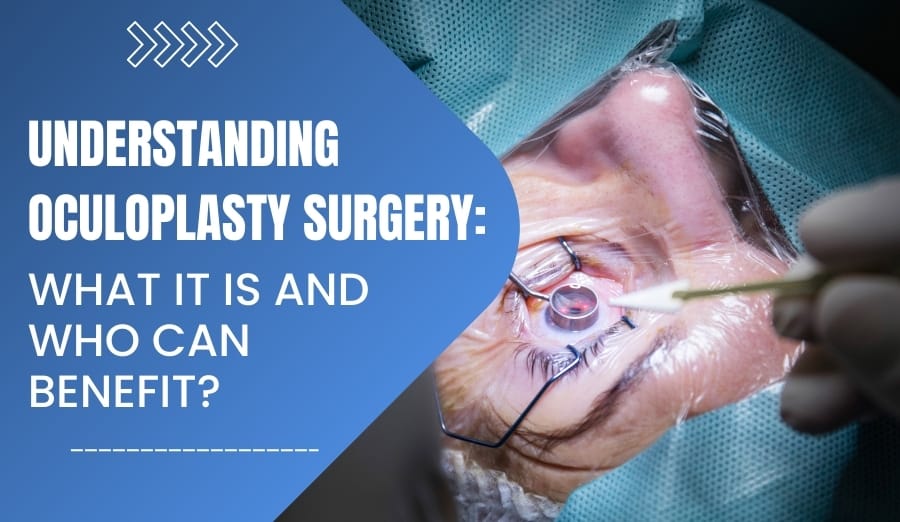
At Pushpanjali Eye Care, recognized as the best eye hospital in Kolkata, we take pride in offering specialized treatments that cater to various eye-related needs. One such advanced treatment is Oculoplasty Surgery, a branch of ophthalmology dedicated to addressing cosmetic and reconstructive issues around the eyes. Let’s explore what this surgery entails and who can benefit from it.
Table of Contents
What Is Oculoplasty Surgery?
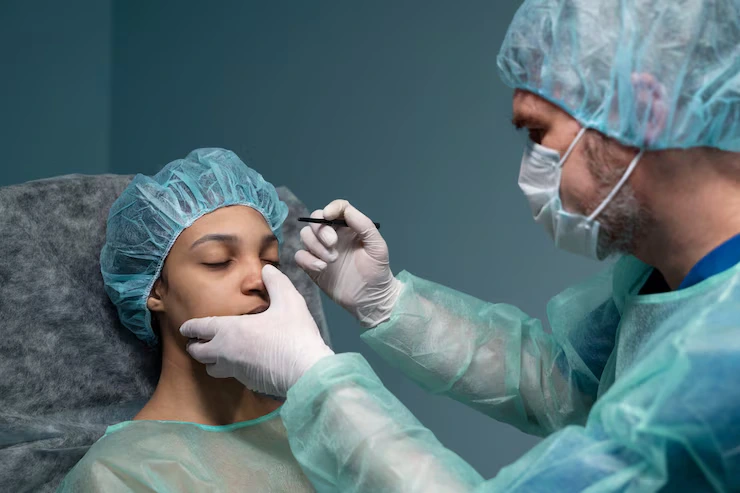
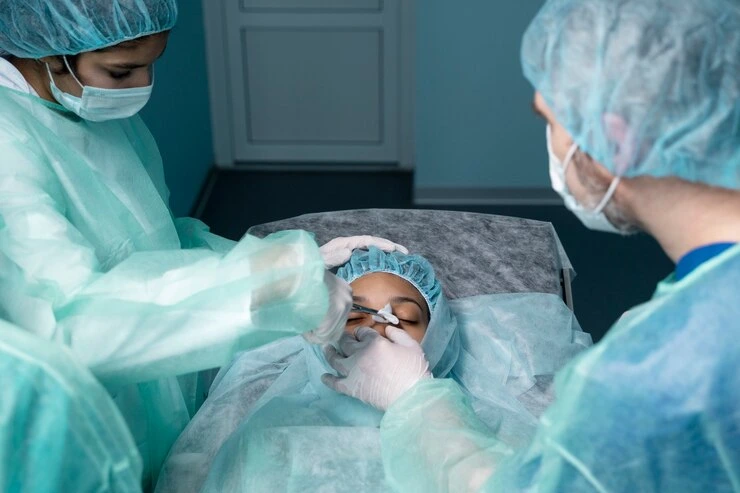
Oculoplasty Surgery, also known as ophthalmic plastic surgery, focuses on the eye’s surrounding structures, including the eyelids, tear ducts, orbit (eye socket), and facial areas. It combines medical expertise with aesthetic considerations to improve functionality, enhance appearance, or restore damaged areas caused by trauma or disease.
This surgery is performed by trained ophthalmologists specializing in oculoplastic procedures, ensuring a balance between cosmetic outcomes and vision health.
Who Can Benefit from Oculoplasty Surgery?
1. Individuals with Eyelid Abnormalities Conditions like drooping eyelids (ptosis), entropion (inward turning of eyelids), or ectropion (outward turning of eyelids) can impair vision and cause discomfort. Oculoplasty Surgery corrects these issues, restoring both function and aesthetics.
2. Patients with Tear Duct Problems Blocked tear ducts can lead to excessive tearing, infections, and discomfort. Surgical interventions like dacryocystorhinostomy (DCR) can address these problems effectively.
3. Those with Orbital Issues Injury, tumors, or diseases affecting the eye socket can require reconstructive surgery to restore structure and function. Oculoplasty Surgery helps manage these conditions with precision.
4. Individuals Seeking Cosmetic Enhancements For those looking to rejuvenate their appearance, procedures like blepharoplasty (eyelid surgery) can remove excess skin or fat, giving the eyes a youthful look.
5. Trauma and Tumor Patients Traumatic injuries or tumors around the eye can cause significant damage. Oculoplasty Surgery helps repair these areas, improving both appearance and function.
What are the most common conditions treated with oculoplastic surgery?
Oculoplastic surgery addresses various conditions affecting the eyelids, tear ducts, and surrounding facial structures. Here are some of the most common conditions treated with oculoplastic procedures:
Droopy Eyelids (Ptosis):
This condition involves the sagging of the upper eyelids, obstructing vision and creating a fatigued appearance. Oculoplastic surgery can lift the eyelids, restoring both function and aesthetics.
Eyelid Malpositions:
Conditions such as entropion (inward-turning eyelids) and ectropion (outward-turning eyelids) can lead to discomfort and visual disturbances. Surgical correction realigns the eyelids, enhancing eye protection and overall comfort.
Blocked Tear Ducts:
Obstructions in the tear ducts can cause excessive tearing, infections, and discomfort. Oculoplastic procedures such as dacryocystorhinostomy help clear or bypass these blockages, restoring proper tear drainage.
Orbital Fractures:
Trauma to the eye socket can lead to fractures that may cause vision problems and facial asymmetry. Oculoplastic surgery reconstructs the orbital bones, restoring functionality and aesthetics.
Thyroid Eye Disease:
This condition can cause bulging eyes, double vision, and eyelid retraction. Oculoplastic surgeons work alongside other specialists to manage these symptoms through surgical interventions like orbital decompression or eyelid repositioning.
Skin Lesions:
Eyelid lesions such as cysts or tumors may require surgical removal to prevent complications. Oculoplastic surgeons carefully excise these lesions while preserving eyelid structure and function.
Cosmetic Concerns:
Many individuals seek oculoplasty for aesthetic improvements, including removing excess skin from the upper lids (blepharoplasty) or addressing under-eye bags and sagging eyebrows.
How long does the recovery process typically take after oculoplastic surgery?
Recovery from oculoplastic surgery, particularly eyelid surgery (blepharoplasty), varies based on individual circumstances and the specific procedures performed. Here’s a detailed overview of the typical recovery timeline and considerations:
General Recovery Timeline
Initial Recovery (Days 1-7):
Swelling and Bruising: Most patients experience significant swelling and bruising, which typically peaks within the first few days post-surgery. Ice compresses are recommended to reduce swelling during this period.
Rest: Patients should prioritize rest and keep their heads elevated to minimize swelling. Normal daily activities can generally resume after about 7 to 10 days, although strenuous activities should be avoided.
First Two Weeks:
By the end of the first week, many patients feel comfortable enough to return to work or social engagements, although this depends on individual comfort levels.
Suture Removal: If applicable, sutures are often removed within this timeframe, typically around the end of the first week.
Weeks 2-4:
Continued Healing: Swelling and bruising should gradually diminish, with most visible effects subsiding by two weeks. Patients may begin light exercises around this time but should avoid heavy lifting or strenuous workouts for at least four weeks.
Diet and Care: A balanced diet rich in protein is recommended to aid healing, alongside prescribed medications and eye drops to manage discomfort and dryness.
Long-Term Recovery (1-6 Months):
Final Results: While initial improvements are noticeable within the first two weeks, complete healing and optimal results can take several months. Final results may become fully apparent between three to six months post-surgery.
Scarring: Scars from surgical incisions will continue to mature and improve over time, with maximum improvement often seen after a year.
Key Considerations for Recovery
Follow-Up Care: Regular follow-up appointments with the surgeon are crucial to monitor healing progress and address any concerns.
Avoiding Complications: Patients should refrain from smoking, drinking alcohol, and exposing the surgical area to excessive heat or sunlight during recovery to prevent complications.
Individual Variability: Recovery times can vary significantly based on factors such as age, overall health, and adherence to post-operative care instructions.
How do oculoplastic surgeons treat orbital fractures?
Oculoplastic surgeons treat orbital fractures through a combination of assessment, surgical intervention, and careful post-operative management. Here’s a detailed overview of the process:
Initial Assessment
Clinical Examination: The surgeon begins with a thorough examination of the eye and surrounding structures. This includes checking eye movement, and visual acuity, and looking for signs of swelling or bruising.
Imaging Studies: Imaging techniques such as X-rays or CT scans are commonly employed to determine the extent and specific location of the fracture. This information is crucial for planning the surgical approach.
Surgical Intervention
Timing of Surgery: In many cases, oculoplastic surgeons may opt to wait for a period after the injury to allow swelling to decrease before performing surgery. This can lead to better surgical outcomes and minimize complications.
Surgical Techniques: The approach taken by the surgeon depends on the type and severity of the fracture:
Transconjunctival Approach: This method involves making an incision inside the lower eyelid, which leaves no visible scar. It is preferred for many orbital floor fractures due to its low complication rate.
Subciliary or Subtarsal Approaches: These involve incisions made below the eyelashes or along the eyelid margin. While they can be effective, they carry a higher risk of complications such as ectropion (outward turning of the eyelid).
Repairing the Fracture: During surgery, the surgeon carefully repositions any herniated orbital tissue back into place and repairs the fractured bone using implants if necessary. The goal is to restore both function and aesthetics while ensuring that ocular motility is not compromised.
Closure: After addressing the fracture, the incisions are closed with sutures and antibiotic ointments may be applied to prevent infection.
Post-operative Care
Monitoring: Following surgery, patients are monitored for any complications such as orbital hemorrhage or infection. Vision is closely observed to ensure that there are no new issues arising from the procedure.
Recovery Guidance: Patients are typically advised on post-operative care, including avoiding strenuous activities and following up with their surgeon for routine checks.
Why Choose Pushpanjali Eye Care for Oculoplasty Surgery?
As the best eye hospital in Kolkata, Pushpanjali Eye Care is committed to providing cutting-edge solutions tailored to each patient’s needs. Here’s what sets us apart:
Expertise: Our team includes highly skilled oculoplastic surgeons with extensive experience in both reconstructive and cosmetic procedures.
Advanced Technology: We utilize state-of-the-art equipment to ensure precise and effective surgeries.
Personalized Care: Each treatment plan is designed to keep the patient’s unique condition and goals in mind.
Comprehensive Support: From diagnosis to post-surgery care, we are with you every step of the way.
Preparing for Oculoplasty Surgery
Before the procedure, a thorough evaluation is conducted to assess the condition and understand the patient’s goals. This includes:
Medical history review
Imaging tests, if necessary
Discussion of expected outcomes and potential risks
Following surgery, patients may need to follow specific aftercare instructions to ensure a smooth recovery and optimal results.
FAQ
1. What is Oculoplasty Surgery?
Oculoplasty Surgery is a specialized procedure focusing on the eyelids, tear ducts, eye sockets, and facial areas around the eyes. It can address both functional and cosmetic issues.
2. Who can benefit from Oculoplasty Surgery?
People with eyelid abnormalities, blocked tear ducts, orbital issues, trauma, tumors, or those seeking cosmetic enhancements like eyelid rejuvenation can benefit from this surgery.
3. Is Oculoplasty Surgery safe?
Yes, when performed by experienced oculoplastic surgeons, it is a safe and effective procedure. Choosing a trusted facility like the best eye hospital in Kolkata ensures optimal care.
4. What conditions can Oculoplasty Surgery treat?
It treats drooping eyelids, tear duct blockages, orbital injuries, tumors, and offers cosmetic procedures like blepharoplasty for a youthful appearance.
5. How long is the recovery process for Oculoplasty Surgery?
Recovery time varies depending on the procedure, but most patients can resume normal activities within 1–2 weeks with proper post-operative care.
Conclusion
Oculoplasty Surgery is a versatile and effective solution for various functional and cosmetic issues around the eyes. Whether addressing a medical condition or enhancing your appearance, this surgery can significantly improve your quality of life.
If you’re considering Oculoplasty Surgery, trust Pushpanjali Eye Care, the best eye hospital in Kolkata, to provide expert guidance and exceptional care. Schedule your consultation today and let us help you see—and look—your best!
Explore effective eye exercises to boost focus and reduce strain from experts at the Best Eye Hospital in Kolkata. Improve your eye health with easy practices.
Table of Contents
Introduction
Digital devices appear to have taken over our lives, and very many people end up with eye strain, discomfort, and even headaches. These are caused by spending much time on screens, little resting time, and having low exposure to natural lighting. The cause of strain from viewing relates to one’s productivity generally, the concentration of the person and his well-being generally, especially for those working for long hours in front of a screen. This can eventually result in a significant reduction in that amount of stress brought on by the eyes, enhance one’s focal ability, and promote the long-term health of the eye.
The guide introduces several eye exercises recommended by experts, including insights from the Best Eye Hospital in Kolkata, which will help you keep your eyes in the best shape possible and support your eye health.
Why Eye Health Matters in Today’s Digital World
Our eyes make constant adjustments daily, adjusting to different kinds of lights, distances, and colors. The advent of digital screens has made our eyes stare intensely and at close range for such long periods, causing such conditions as:
Blurry vision
Dryness or irritation in the eyes
Headaches and fatigue
Inability to focus on distant objects
Over time, these symptoms become chronic and interfere with our ability to work, relax, and sleep. Regular practice of eye exercises can help in reducing eye muscle tension, improving focus and visual flexibility, relieving symptoms of digital eye strain, and maintaining long-term eye health.
Top Eye Exercises to Reduce Strain and Improve Focus
1. The 20-20-20 Rule
The 20-20-20 rule is one of the most basic ways to help relieve digital eye strain and give your eyes a regular break from close-up tasks.
How To Do It:
Every 20 minutes, look up at an object about 20 feet away for 20 seconds.
You can set an alarm or a timer on your device to remind you to take these breaks throughout the day.
2. Palming
Palming is a great exercise to relax the tension in the eyes, freeing it up, and creates a feeling of relaxation. It can be a really useful wind-down exercise after many sessions of screen time.
How to Do It:
Rub your hands together and gently lay them over your closed eyes without any pressure.
Sit comfortably, and allow the heat as well as the darkness soothe your eyes down for 1-2 minutes.
3. Eye Rolling
This can be a very simple technique to stretch as well as strengthen the muscles that surround the eyes. It aids in relaxing them and making them capable of mobility and flexibility.
How to Do It:
Sit comfortably then roll your eyes in a slow clockwise direction. Then roll it counterclockwise direction as well.
Perform this exercise 5 to 10 times on each direction.
4. Focus Shifting
This one makes the eyes focus between near and far objects, thereby assisting in quick and comfortable adaptation.
How to Do It:
Take a thumb and hold a few inches in front of your face. Fixate on that.
Then look at something 10-20 feet away and fixate on that.
Alternate for 10 cycles.
5. Figure Eight Eye Exercise
Tracing an imaginary figure-eight pattern in your eyes can build eye muscles as well as coordination.
How to Do It:
Imagine a huge figure-eight or infinity sign about 10 feet in front of you.
Slowly trace the shape in one direction with your eyes, and then reverse.
Repeat this exercise 3-5 times.
6. Near and Far Focusing
This exercise helps build flexibility in focusing and relieves eye strain by training the eye muscles.
How to Do It:
Put your thumb about 10 inches from your face.
Try focusing on it for a few seconds then, refocusing on an object 10 feet away for another few seconds.
Repeat, focusing on your thumb, for some 2-3 minutes.
7. Blinking Exercise
Blinking sounds very straightforward, but when you’re focusing on a screen, you become less likely to blink. Dryness or irritation in the eyes is an effect of this. This is meant to help keep the eyes moist, as well as reduce fatigue.
How It’s Done:
Set your timer for 2 minutes and consciously blink every 4-5 seconds.
Feel your eyes moisten and relax with each blink, stimulating tear production and comforting it.
Supporting Eye Health: Healthy Habits to Reduce Strain
Though eye exercises are highly beneficial, other healthy practices may also be of support to your eye health:
Adjust Screen Brightness: Keep the brightness of your screen at the same intensity as your surrounding environment to avoid overglaring.
Minimize Glare and Use Filters: Employ anti-glare filters, and position your screen such that light sources will not create reflections.
Maintain Proper Lighting: Steer clear of dim or extremely bright light when using screens; even ambient lighting is quite best.
Practice the 20-20-20 Rule: Take breaks through the day to rest your eyes.
Limit Screen Time: Consider longer breaks from screens while trying to avoid blue light exposure to your eyes.
Insights from the Best Eye Hospital in Kolkata on Eye Health
According to the Best Eye Hospital in Kolkata, regular eye exercises coupled with proper practices of caring for one’s eyes can avoid turning vision disorders into serious issues. Advance planning regarding the health of one’s eyes can help prevent many conditions, including myopia and astigmatism, especially in people whose lifestyles are more screen-centric.
Consultation with eye care specialists, such as Pushpanjali Eye Care, should be done in case of symptoms from eye strain so that a tailored solution can be acquired for eye care.
FAQs
Do eye exercises help improve vision?
Eye exercises do decrease strain on the eye and allow relaxation for muscles around the eyes but do not treat refractive errors. You can consult a professional at Best Eye Hospital in Kolkata to get a complete evaluation.
How often should I perform these eye exercises?
Try these exercises every day, especially if you work on a computer regularly. The 20-20-20 rule can be done as often as every 20 minutes when on the computer.
Can eye exercises be used by children?
Yes, especially children who use digital devices. Children can benefit from eye exercises such as focus shifting and blinking. Always supervise children and ensure proper technique.
Do eye exercises help everyone?
For the most part, people consider eye exercises beneficial. But, of course, these exercises should not be mistaken for a substitute for corrective lenses. Only visit an expert if you have specific problems with your eyes.
How soon will I see benefits?
The more often you do them, the better they are for your eyes. For most, it is instant relaxation, though reduced tension within several weeks.
Conclusion
Simple yet accessible exercises for eyes can enhance eye comfort, focus, and strength, especially with their frequent repetition. They are priceless for a viewer who has to endure much stress on the eyes from screens and for those who would like to maximize the visual potential of the eye. The performance of these exercises and habits from a healthy lifestyle can support the eyes every day. For Expert Advice and comprehensive care, visit the Best Eye Hospital Kolkata, professionals who specialize in advising you on the building of an active approach towards eye health.
Welcome to the blog page of Pushpanjali Eye Care, one of the best eye hospital in Kolkata. In this blog, our main spotlight will be on how to keep your cornea healthy and tips for healthy eyes. We hope you will take back something from it.
Your eyes are your window to the world, and the cornea—the transparent, dome-shaped outer layer of your eye—plays a critical role in clear vision. At Pushpanjali Eye Care, one of the best eye care center in Kolkata, we understand the importance of maintaining corneal health to ensure sharp and comfortable eyesight. In this blog, we’ll share essential tips for healthy eyes, focusing on caring for your cornea.
Table of Contents
Understanding the Cornea’s Role in Vision
The cornea helps focus light onto the retina, contributing to two-thirds of the eye’s focusing power. A healthy cornea is clear and smooth, which ensures optimal vision. Damage or diseases affecting the cornea can lead to blurriness, discomfort, or even vision loss. Knowing the Tips for Healthy Eyes will help you to cure the issues too. So you need Cornea Treatment in Kolkata for better heath for your eyes.
Common Corneal Issues
Dry Eye Syndrome: A lack of sufficient tear production can cause corneal dryness and irritation.
Keratitis: Inflammation due to infections, contact lenses, or injuries.
Corneal Abrasion: Scratches on the cornea caused by foreign objects.
Corneal Dystrophies: Genetic conditions that may cloud or distort the cornea.
Essential Tips for Healthy Eyes and Corneas
To protect your cornea and maintain overall eye health, follow these expert-recommended steps:
1. Practice Proper Hygiene
Always wash your hands before touching your eyes or wearing contact lenses.
Clean and store contact lenses as per your eye care professional’s guidelines to avoid infections like keratitis.
2. Protect Your Eyes from Harm
Use protective eyewear during activities like sports, construction work, or gardening to prevent injuries.
Sunglasses with UV protection shield the cornea from harmful ultraviolet rays. Knowing the Tips for Healthy Eyes is a must for all.
3. Stay Hydrated
Dehydration can lead to reduced tear production, affecting corneal moisture. Drink plenty of water daily to maintain hydration for healthy eyes.
4. Follow a Balanced Diet
Foods rich in omega-3 fatty acids, vitamins A, C, and E, and zinc support corneal and retinal health. Include leafy greens, carrots, nuts, and fish in your diet.
5. Avoid Overuse of Digital Devices
Excessive screen time can lead to eye strain and dryness. Follow the 20-20-20 rule: every 20 minutes, look at something 20 feet away for at least 20 seconds.
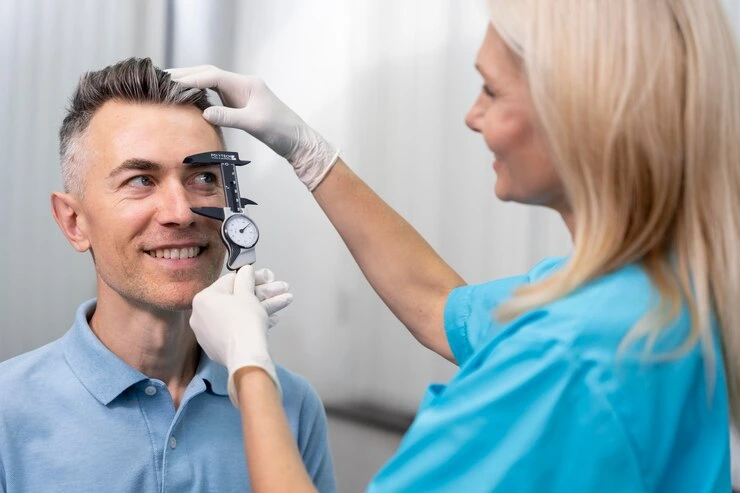
6. Regular Eye Check-ups
Routine eye examinations help detect early signs of corneal issues or other eye problems. At Pushpanjali Eye Care, recognized as the best eye hospital in Kolkata, we provide comprehensive eye check-ups tailored to your needs.
7. Don’t Ignore Symptoms
If you experience redness, pain, light sensitivity, or blurred vision, consult an eye specialist immediately. Delaying treatment can worsen corneal conditions.
What are the most common corneal disorders and how can they be prevented?
Common Corneal Disorders
Corneal disorders can significantly impact vision and eye health. The most prevalent conditions affecting the cornea include:
Keratoconus: This is the most common corneal dystrophy, characterized by a progressive thinning of the cornea, leading to a cone-like shape that distorts vision. It typically begins in the late teens or early twenties and affects about 1 in 2,000 people in the U.S.
Fuchs’ Dystrophy: A condition where endothelial cells in the cornea deteriorate, causing swelling and visual distortion. Symptoms may include pain and severe visual impairment due to fluid accumulation and blister formation on the cornea. All should know the Tips for Healthy Eyes and hence when to contact a doctor.
Lattice Dystrophy: This involves amyloid deposits in the cornea, leading to cloudiness and potential vision loss. It can cause scarring beneath the epithelium, resulting in pain and visual impairment.
Iridocorneal Endothelial Syndrome (ICE): This rare condition involves the movement of endothelial cells from the cornea to the iris, causing corneal swelling and distortion, which can lead to glaucoma.
Keratitis: An inflammation of the cornea often caused by infections (bacterial, viral, or fungal) or injuries. Symptoms include pain, redness, and blurred vision. Everyone should know the common symptoms and the Tips for Healthy Eyes to act right at the right time.
Dry Eye Syndrome: A common condition where insufficient tear production leads to dryness and discomfort. It can result from environmental factors or underlying health issues.
Prevention Strategies
Preventing corneal disorders involves a combination of good eye care practices and lifestyle choices:
Regular Eye Exams: Routine check-ups with an eye care professional can help detect early signs of corneal disorders.
Proper Contact Lens Care: Follow guidelines for cleaning and wearing contact lenses to prevent infections like keratitis. Avoid wearing them for extended periods and ensure they are properly sanitized.
Protective Eyewear: Use sunglasses with UV protection outdoors to shield your eyes from harmful rays that can exacerbate conditions like Fuchs’ dystrophy.
Manage Allergies: For those with allergic reactions affecting the eyes, minimizing exposure to allergens and using appropriate medications can help reduce symptoms.
Hydration and Nutrition: Staying hydrated and maintaining a balanced diet rich in vitamins A, C, and E can support overall eye health.
Avoid Eye Rubbing: This is particularly important for individuals with keratoconus, as it can worsen the condition.
As the best eye hospital in Kolkata, we specialize in diagnosing and treating corneal disorders with advanced technology and personalized care. From dry eye treatments to corneal transplants, our experts ensure the best outcomes for our patients.
How does diet influence corneal health?
Diet plays a significant role in maintaining corneal health and overall eye function. The cornea, being the transparent front part of the eye, is essential for focusing light and protecting the inner structures. A balanced diet rich in specific nutrients can enhance corneal integrity, reduce the risk of eye diseases, and promote clear vision.
Key Nutrients for Corneal Health
Vitamins A, C, and E:
Vitamin A is crucial for maintaining good vision and preventing dry eyes, which can lead to corneal damage. Foods rich in vitamin A include carrots, sweet potatoes, and dark leafy greens.
Vitamin C supports collagen production in the cornea, aiding in its repair and maintenance. Citrus fruits like oranges and grapefruits are excellent sources of vitamin C.
Vitamin E acts as an antioxidant that protects cells in the eyes from oxidative stress. Nuts, seeds, and whole grains are good sources of vitamin E.
Omega-3 Fatty Acids:
Omega-3 fatty acids found in fatty fish (such as salmon and mackerel) and plant sources like flaxseeds are vital for maintaining the integrity of cell membranes in the eyes, including those in the cornea. These fatty acids help reduce inflammation and support overall eye health.
Antioxidants:
Antioxidants such as lutein and zeaxanthin found in leafy greens (spinach, kale) help protect the eyes from harmful light exposure and oxidative damage. These compounds are particularly beneficial for maintaining corneal health.
Zinc:
This mineral is essential for transporting vitamin A from the liver to the retina to produce melanin, which protects the eyes. Foods high in zinc include eggs, nuts, and legumes.
Dietary Patterns Impacting Eye Health
Adopting a diet rich in fruits, vegetables, whole grains, fish, and nuts can significantly benefit corneal health. The Mediterranean diet is often recommended due to its emphasis on these food groups along with healthy fats like olive oil. This diet has been linked to a lower risk of developing age-related macular degeneration (AMD) and other eye diseases.
How can I tell if my cornea is damaged?
To determine if your cornea is damaged, watch for the following common symptoms associated with corneal injuries or disorders:
Pain: Experiencing pain, especially when opening or closing your eye, is a strong indicator of corneal damage. The pain can vary from mild to severe depending on the extent of the injury.
Blurred or Decreased Vision: If you notice blurred vision or a decrease in visual clarity, it may suggest damage to the cornea. Persistent blurriness can indicate deeper injuries that require medical attention.
Sensation of a Foreign Object: A gritty feeling, as if something is stuck in your eye, often accompanies corneal injuries. This sensation may intensify with blinking or eye movement.
Excess Tearing: Increased tear production can occur as a response to corneal injury, helping to flush out debris and soothe irritation.
Redness: Red eyes can result from irritation or injury to the cornea. Rubbing the eye may exacerbate this symptom.
Sensitivity to Light: Increased sensitivity to light (photophobia) is common with corneal damage, making bright environments uncomfortable.
Discharge: You may notice mucus or discharge from the eye, which serves as a protective response to injury.
Dry Eyes: A scratched cornea can disrupt normal tear production, leading to dry eye symptoms.
What are the best practices for cleaning contact lenses to avoid corneal issues?
Maintaining proper hygiene and care for contact lenses is essential to avoid corneal issues and ensure overall eye health. Here are the best practices for cleaning contact lenses effectively:
Best Practices for Cleaning Contact Lenses
Wash Your Hands Thoroughly:
Always wash your hands with soap and water before handling your contact lenses. This step is crucial to prevent transferring bacteria and other germs to your lenses, which can lead to infections and corneal complications.
Use the Rub and Rinse Method:
After removing your lenses, place a few drops of contact lens solution in the palm of your hand. Gently rub each lens for about 10-15 seconds on both sides to remove debris and deposits. This method helps dislodge any contaminants that may have accumulated during wear.
Rinse with Fresh Solution:
Rinse each lens thoroughly with fresh contact lens solution after rubbing. Avoid using tap water, as it can introduce harmful microorganisms that may cause infections.
Soak Lenses Properly:
After cleaning and rinsing, place your lenses in a clean lens case filled with fresh solution. Soak them for at least 4-6 hours to ensure effective disinfection. This step is vital for killing any remaining germs.
Use Fresh Solution Every Time:
Never reuse old solutions or “top off” the solution in your lens case. Always use fresh solution to clean and store your lenses, as this reduces the risk of contamination.
Clean Your Lens Case Regularly:
Rinse your contact lens case with fresh solution daily and allow it to air dry completely before storing your lenses again. Replace the case every three months to minimize bacterial growth.
Follow the Recommended Replacement Schedule:
Adhere to the replacement schedule prescribed by your eye care professional. Overwearing contact lenses can increase the risk of corneal damage and infections.
Avoid Water Exposure:
Remove your contact lenses before swimming, showering, or bathing, as water can introduce bacteria that may lead to serious eye infections.
Do Not Sleep in Lenses Unless Approved:
Unless you are using lenses specifically designed for extended wear, avoid sleeping in your contact lenses, as this increases the risk of corneal hypoxia (lack of oxygen) and other complications.
Regular Eye Exams:
Schedule regular check-ups with an eye care professional to monitor your eye health and ensure that your contact lenses fit properly. This proactive approach can help detect any potential issues early on.
When should I see a doctor for a corneal injury?
You should seek medical attention for a corneal injury under the following circumstances:
Severe Pain: If you experience significant pain in your eye, especially if it worsens or does not improve with home care, it’s important to see a doctor.
Changes in Vision: Any sudden changes in your vision, such as blurriness or loss of vision, warrant immediate medical evaluation.
Increased Sensitivity to Light: If your eye becomes increasingly sensitive to light after an injury, this could indicate a more serious issue that needs professional assessment.
Foreign Object in the Eye: If there is a foreign object lodged in your eye or under your eyelid that you cannot remove safely, you should see a healthcare provider promptly.
Persistent Symptoms: If symptoms such as tearing, redness, or the sensation of something in your eye persist despite rinsing and basic care, it’s advisable to consult an eye care specialist.
High-Impact Injury: If your eye has been subjected to high-speed trauma (e.g., from a projectile), you should seek emergency care immediately.
Signs of Infection: Symptoms like increased redness, discharge, or swelling around the eye can indicate an infection that requires prompt treatment to prevent complications.
Why Choose Pushpanjali Eye Care?
Experienced ophthalmologists dedicated to providing the best eye care.
State-of-the-art diagnostic and treatment facilities.
Compassionate staff who prioritize patient comfort and well-being.
FAQ
1. What is the primary function of the cornea in eye health?
The cornea focuses light onto the retina, playing a vital role in clear and sharp vision.
2. How can I protect my cornea from damage?
Wear UV-protective sunglasses, use safety goggles during risky activities, and avoid rubbing your eyes to prevent injury or irritation.
3. What are some signs of corneal issues I should watch for?
Symptoms like redness, pain, blurred vision, light sensitivity, or excessive tearing could indicate corneal problems.
4. Can diet help maintain corneal health?
Yes, a balanced diet rich in omega-3 fatty acids, vitamins A, C, E, and zinc supports corneal and overall eye health.
5. How often should I have an eye check-up to ensure corneal health?
Regular eye check-ups are recommended annually or as advised by your eye specialist to detect and treat corneal issues early.
Conclusion
Caring for your cornea is essential for maintaining clear and healthy vision. By following these tips for healthy eyes, you can protect your cornea from damage and enjoy a lifetime of good eyesight. For advanced eye care and expert guidance, visit Pushpanjali Eye Care, the best eye hospital in Kolkata. Book your appointment today to give your eyes the care they deserve!
Let your vision shine bright—because healthy eyes lead to a brighter life.
Know more about Corneal Transplant. Welcome to the blog page of Pushpanjali Eye Hospital, one of thebest eye care in Kolkata.
Preparing for a corneal transplant? Here are the top questions you should ask your surgeon to ensure a successful procedure. Learn insights from the Best Eye Hospital in Kolkata.
Table of Contents
A Corneal Transplant: Everything You Need to Know Before Surgery
A corneal transplant, medically termed keratoplasty, is a life-changing surgery for those who have developed such blindfolds or obstructions in their vision due to the cornea. During this surgery, the diseased or damaged cornea of the patient is replaced with a healthy donor’s cornea so that the normalcy of vision is regained by the patient. Yet, it should not be taken for granted prior to such surgery so that the patient makes informed decisions.
Asking the right questions will always assist you in making a very good decision. Therefore, we will talk about the top questions you may want to ask your surgeon before your corneal transplant. Also, in addition to that, we have also outlined some guidelines to prepare for surgery as well as a smooth recovery.
Why is it Important to Ask Questions Before a Corneal Transplant?
Understanding the procedure as well as the risks and benefits of corneal transplantation is a must. As with this surgery regarding the sensitive eye structure, asking your surgeon key questions enables clarification of things and alleviation of anxiety, allowing for realistic expectations of the outcome. Let’s get into some of the must-ask questions.
1. What Are the Risks and Benefits of Corneal Transplantation?
It is important to know the advantage and risks of any surgery before agreeing to take it. The surgeon you are to see should be able to discuss with you the following:
Benefits: He or she should explain how a corneal transplantation could improve your vision, your quality of life, or both, especially if you are being treated for certain conditions: keratoconus, corneal scarring, Fuchs’ dystrophy, among others.
Risks: These include infection, rejection of the donor tissue, failure of the transplant, or complications arising from post-operative healing.
Having this information will enable you to make an informed decision as to whether the procedure is suitable for you.
2. Am I a Good Candidate for a Corneal Transplant?
No one with corneal problems is automatically considered for corneal transplantation. Several factors can influence your eligibility to undergo transplantation, which your surgeon evaluates based on the following:
Condition of the Cornea: The extent of damage or disease to the cornea.
General Health: Any previous conditions such as diabetes or autoimmune disease that may affect recovery.
Age and Lifestyle: Cornea transplant may be more appropriate for a certain age group or active lifestyle.
Having this question will help you ensure that a corneal transplant is the best course of action for your case.
3. What Type of Corneal Transplant Is Recommended for Me?
Corneal transplantation is not routine. There are several types of corneal transplants, and your surgeon will often refer to the most relevant type of the condition. Some of them include the following:
Full-thickness Corneal Transplant (Penetrating Keratoplasty): This involves the removal of the entire whole damaged cornea.
Partial-thickness Corneal Transplant: This includes Descemet’s Stripping Endothelial Keratoplasty (DSEK) or Descemet Membrane Endothelial Keratoplasty (DMEK), in which only the inner layer of the cornea is replaced.
Each has its advantages and disadvantages, so it’s nice to understand what is the best one for your requirements.
4. What Is the Recovery Process Going to Be Like?
The recovery process after a corneal transplant will differ from patient to patient, but in most cases, the following applies:
Initial Recovery: During the first several weeks after surgery, you may need to wear a protective eye shield; initially, you may have blurry vision.
Follow-up Visits: The patient may require follow-up appointments with the ophthalmologist to ensure good healing and early detection of complications.
Restoration of Vision: Patients’ vision may improve further even up to months after the surgery. In some cases, patients can fully recover one year following the surgery.
Having an idea of what to expect from the recovery period will help you prepare for the road ahead and manage your expectations as you heal.
5. How Long Does It Take for My Eyesight to Clear Up After Surgery?
The length of time during which clear vision occurs ranges from weeks to months since most of the patients experience an improvement within a few weeks to months, while in some cases, clear vision can take up to a year following surgery. Some factors affecting recovery include:
Age: It is slower for older patients than younger patients to heal.
Overall Health: A patient with minor health issues tends to heal faster.
Corneal Rejection: The complication of rejection can be taken care of early if it is treated on time so that the healing can be facilitated in a better way.
If you ask this question, you will know what to expect about how fast you are going to recover in terms of vision.
6. What Are the Symptoms of Complications or Rejection?
Although very rare, corneal transplant rejection does occur. Being aware of early symptoms will ensure you do not delay consulting the doctor. Some of the symptoms that may develop in relation to rejection include:
Sudden worsening of vision or blurry to see
Redness with inflammation inside the eye
Eye pain or a feeling of discomfort in the eye
These signs will keep you informed so that you become watchful for any changes as you heal and at an appropriate time get medical attention.
7. What Medications Should I Expect to Use Post-Op?
Once discharged from the hospital, your surgeon will prescribe you medications to promote healing and prevent graft rejection. These include such as:
Drugs to Inhibit Bacterial Growth: usually in the form of eye drops that are antibiotics
Steroid eye drops to reduce inflammation and prevent graft rejection
Immunosuppressives to suppress the immune response and minimize graft rejection.
You would like to be questioned about such drugs so you would know your position in recovery, as well as what side effects to expect.
8. How Would My Lifestyle Change After Surgery?
Since a corneal transplant is manageable, the lifestyle after surgery may have to undergo changes. A few of the common ones include:
Avoid strenuous exercise or activities that could strain your eye or cause you an injury, such as heavy lifting, contact sports, or swimming, during the healing period.
Avoid dust and debris from entering your eye; this could cause injury or infection as a result of wearing protective eyewear.
Nutrition: Dietary guidelines for healthy eating can help promote effective healing of the eye. Inquire about recommendations.
This means that by asking these questions you will be better prepared to adjust your lifestyle during recovery.
9. Success Rate for Corneal Transplants
The rate of corneal transplantation is relatively high although this depends on the success that is achieved regarding some factors:
Age: usually, younger patients get a much better success rate.
State of Cornea: that is, the extent of damage and what caused the disease.
Quality of Donor Tissue: the condition of the cornea donated.
This will give you an idea of how successfully the procedure was performed by the doctor. That way, you can weigh the benefits of the surgery and set in your mind realistic expectations.
10. How Do I Prepare for Corneal Transplant Surgery?
Proper preparation is very important to ensure a smooth surgical process and recovery. Here is what you should discuss with your surgeon:
Pre-surgery tests: To evaluate the health of your eyes and overall health.
Pre-surgery: Some medications, including blood thinners, may need to be stopped pre-surgery.
Post-op care: Understand what you will do right after surgery, such as resting, keeping out of light, or using eye drops.
Preparation will make you feel more confident about the process and maximizes your chances of success.
Frequently Asked Questions About Corneal Transplants
What should I do if my corneal transplant is rejected?
One of the very common causes of rejection of the transplanted corneal tissue is an automatic immune reaction wherein the body recognizes the foreign tissue. Still, it is usually reversible, if identified in time and proper medication is used.
How long will the corneal transplant last?
A corneal transplant can last for many decades: most patients maintain improved vision for decades after the surgery. Some may need a second transplant because the first one did not work or became damaged.
Is a corneal transplant very painful to undergo?
Pain is seldomly reported by most patients after the corneal transplant surgery since the process is always carried out under local anesthesia. You may still have some discomfort in the process of recovery, but this is partly manageable through drugs.
Conclusion: Questions to Ask the Best Eye Hospital in Kolkata
The corneal transplant is a giant step toward recovery and sight. It’s attained by asking the right questions, which gives an understanding of the procedure, risks, recovery, and overall process awaiting someone. Such recommendations help in the process of making better decisions and developing a more successful outcome.
It could also make a difference depending on the choice of the Best Eye Hospital in Kolkata. You would be comfortable knowing that you are under the comprehensive experience of advanced technology and the finest personalized care for your corneal transplant journey.
The more knowledgeable and understanding of the surgery, the better to cope with the whole process and prepare you for the long-term success of your vision.
Know more about of cornea transplant. Welcome to the blog page of Pushpanjali Eye Care, one of the best eye hospital in Kolkata,
Corneal transplantation, or corneal grafting, is a procedure that replaces damaged or diseased corneal tissue with healthy tissue from a donor. This surgery can restore vision, reduce pain, and improve the appearance of the affected eye. At Pushpanjali Eye Care, a renowned eye care in Kolkata, we’re committed to supporting patients through every step of their corneal transplant journey. Here’s a comprehensive guide to help you understand the recovery process and tips for healing effectively after surgery. Corneal Transplantat is a process where replaced damaged Cornea with a healthy tissue from a donor.
Table of Contents
What to Expect Right After Corneal Transplant
Immediately following your corneal transplant, you may experience some discomfort, blurriness, and sensitivity to light. These are common post-surgery sensations as your eye begins to heal. Our team at Pushpanjali Eye Care, the best ophthalmology center in Kolkata, will provide you with medications to ease these symptoms and prevent infection. You’ll likely need to wear an eye patch or protective shield for the first few days, ensuring the new tissue remains undisturbed during the initial healing phase. Corneal transplant is a process used to help prevent vision loss resulting from damage to the cornea.
Tips for a Smooth Recovery Process
Follow Medication Schedules Diligently Your doctor will prescribe antibiotic and anti-inflammatory eye drops to prevent infection and reduce swelling. These drops are essential for a safe recovery, so ensure you follow the prescribed schedule closely. Missing doses could compromise healing or lead to complications.
Limit Physical Activities Avoid strenuous activities, heavy lifting, and any form of exercise that might increase eye pressure, such as bending over or lifting weights. Corneal transplant recovery requires minimal physical stress on the body to avoid complications. Pushpanjali Eye Care, your trusted eye care center in Kolkata, recommends following all activity restrictions to support optimal healing.
Protect Your Eye It’s crucial to keep your eye shielded from dust, debris, and bright light. Sunglasses with UV protection are ideal for outdoor activities, while an eye shield may be required while sleeping to avoid accidental rubbing. Protecting your eye from any form of trauma is essential during the first few weeks after surgery.
Avoid Rubbing Your Eyes After corneal transplantation, rubbing your eyes can dislodge the graft, leading to serious complications. Even if you feel itchy or uncomfortable, resist the urge to touch your eye. Our specialists at Pushpanjali Eye Care, a leading eye hospital in Kolkata, advise using lubricating drops if dryness or itchiness persists. Corneal grafting has related to from the replacement of full-thickness cornea to the replacement of particular diseased layers of the cornea.
Adhere to Follow-Up Appointments Regular follow-up appointments allow your doctor to monitor the healing process and detect any signs of graft rejection or complications early on. These check-ups are essential for ensuring your eye is responding well to the transplant, and adjustments to medications may be made based on your healing progress.
Manage Screen Time and Visual Stress Excessive screen time can strain the eye, leading to discomfort and prolonged recovery. Limit your use of digital devices, especially in the initial recovery phase, and take frequent breaks to rest your eyes. Pushpanjali Eye Care advises patients to increase screen time to avoid overexertion gradually.
Potential Complications to Watch For
While corneal transplants are generally safe, it’s important to be aware of potential signs of complications:
Persistent pain or redness: Although some discomfort is normal, significant pain or redness may indicate infection or graft rejection.
Vision loss or haziness: If your vision worsens or becomes hazy, consult your doctor immediately.
Increased sensitivity to light or glare: This could be a sign of inflammation that needs to be addressed.
If you experience any of these symptoms, contact your healthcare provider at Pushpanjali Eye Care, the best eye hospital in Kolkata, for a prompt evaluation.
After the initial recovery period, you’ll still need to take certain precautions to protect your vision:
Routine eye check-ups: Periodic check-ups will ensure your eye remains healthy and the graft continues to function well.
Maintain a healthy lifestyle: Nutrition and hydration play a role in eye health. Eating a balanced diet and staying hydrated can support long-term recovery.
Limit exposure to smoke and pollutants: Air pollution and smoke can irritate the eye. Consider wearing protective eyewear in environments with high levels of dust or chemicals.
What are the first steps to take immediately after a corneal transplant?
Immediately after a corneal transplant, taking the right steps is crucial for a smooth recovery and optimal healing. Here are the essential actions to follow:
1. Post-Operative Care in the Hospital
Stay in the Hospital: Most patients will need to stay overnight after a full-thickness corneal transplant (penetrating keratoplasty). Some may be able to go home the same day if they had a partial-thickness transplant.
Eye Protection: After surgery, your eye may be covered with a patch or shield, which is typically removed the day after the procedure. This protection is vital to prevent any accidental injury to the new cornea.
2. Initial Recovery at Home
Rest and Recovery: Plan to rest at home for several days. Avoid strenuous activities and heavy lifting during this period to allow your eye to heal properly.
Avoid Rubbing Your Eye: It’s crucial not to touch or rub your eye, as this can disrupt the healing process and potentially damage the new cornea.
3. Medication Management
Use Eye Drops as Prescribed: You will likely be given steroid and antibiotic eye drops to prevent infection and reduce inflammation. Follow your doctor’s instructions carefully regarding dosage and frequency, as these medications are essential for recovery.
4. Follow-Up Appointments
Regular Check-Ups: Schedule follow-up appointments with your ophthalmologist to monitor your healing process. These visits are critical for ensuring that your eye is recovering well and for addressing any potential complications early on.
5. Lifestyle Adjustments
Avoid Strenuous Activities: For at least a few weeks, refrain from activities that could increase eye pressure or risk injury, such as contact sports or swimming. If you have a job that involves physical labor, you may need to wait several months before returning.
Wear Sunglasses Outdoors: Protect your eyes from bright light and UV exposure by wearing sunglasses when outside, especially if you experience light sensitivity.
6. Monitoring Symptoms
Watch for Complications: Be alert for any signs of complications such as increased redness, swelling, or sudden vision changes. If you notice any concerning symptoms, contact your healthcare provider immediately
What kind of activities should I avoid in the first few weeks?
After a corneal transplant, certain activities should be avoided in the first few weeks to ensure proper healing and minimize the risk of complications. Here’s a list of activities to steer clear of during this critical recovery period:
1. Strenuous Physical Activities
Heavy Lifting: Avoid lifting heavy objects, as this can increase pressure in the eyes and hinder healing.
Intense Exercise: Refrain from high-impact exercises or sports that could lead to injury or strain, such as running, aerobics, or weightlifting.
2. Contact Sports
Avoid Contact Sports: Activities like football, basketball, or any sport where there is a risk of getting hit in the face should be avoided to protect the eye from trauma.
3. Swimming and Water Activities
No Swimming: Stay away from swimming pools, hot tubs, and natural bodies of water for at least a few weeks post-surgery to prevent infection.
4. Activities that Increase Eye Pressure
Bending Over: Avoid bending over or any position that puts pressure on your eyes.
Straining: Activities that require straining, such as heavy coughing or sneezing without proper eye protection, should be minimized.
5. Driving
Limit Driving: Depending on your vision stability, it may be advisable to avoid driving until your doctor confirms it is safe to do so.
6. Rubbing or Touching the Eye
Do Not Rub Your Eyes: It’s crucial not to touch or rub your eye, as this can disrupt the healing process and lead to complications.
7. Exposure to Irritants
Avoid Dusty or Polluted Environments: Stay away from environments with dust, smoke, or other irritants that could harm your healing eye.
8. Screen Time
Limit Screen Use: Reduce time spent on screens (computers, phones, TVs) as it can cause eye strain and discomfort during the initial recovery phase.
FAQ
1. How long does recovery take after a corneal transplant?
Recovery can vary, but most patients experience significant healing within 6-12 weeks. Full visual recovery, however, may take several months to a year.
2. What activities should I avoid during recovery?
Avoid strenuous activities, heavy lifting, bending over, and rubbing your eyes. These can increase eye pressure or dislodge the graft, which may impact healing.
3. How can I prevent infections after a corneal transplant?
Use prescribed antibiotic eye drops as directed, keep your hands clean before touching your eyes, and avoid exposure to dust, smoke, or pollutants.
4. Are follow-up appointments necessary after surgery?
Yes, follow-ups are essential to monitor healing and detect any early signs of graft rejection or complications, ensuring a smooth recovery.
5. What are signs of complications I should watch for?
Persistent redness, severe pain, vision loss, or increased sensitivity to light could indicate complications. Contact your doctor immediately if these symptoms occur.
Why Choose Pushpanjali Eye Care for Corneal Transplant Recovery Support?
At Pushpanjali Eye Care, an esteemed eye hospital in Kolkata, we understand that each patient’s recovery journey is unique. Our team of highly skilled ophthalmologists and eye care specialists provide personalized guidance, compassionate support, and top-notch medical expertise to ensure your recovery is smooth and successful. With modern and advanced facilities and advanced surgical techniques, we offer the highest standards of care to all our patients.
Final Thoughts
Corneal transplantation can greatly improve your quality of life, restoring your vision and confidence. By following your doctor’s instructions, protecting your eye, and attending follow-up appointments, you can maximize the success of your corneal transplant recovery. For any questions or to book a consultation, reach out to Pushpanjali Eye Care—the trusted eye hospital in Kolkata. Our team is here to support your journey to a clear, healthy vision.
Know How vitreo retinal surgery help for eye patient. Welcome to the blog page of Pushpanjali Eye Hospital, the best ophthalmogy care in Kolkata.
The development in vitreo-retinal surgery helps to provide results with minimal invasion required for eye health. To learn more, visit the Best Eye care in Kolkata.
Table of Contents
With the advancement in medical technology, better avenues have opened up in the treatment of complex eye disorders, and most of the common ones fall in the category of the vitreo-retinal region of the eye. It is a part of the eye which houses the retina—an important component of our vision. The retina is the most prominent part of an eye, and it is in charge of changing light rays into neural impulses. Such disorders as retinal detachment, macular degeneration, and diabetic retinopathy can severely damage one’s vision if left untreated. Vitreo retinal surgery need if your retina has been damaged.
This paper discusses some of the latest advances in vitreo-retinal surgery: it offers patients a safer, less invasive means to preserve or regain their vision.
Understanding the Vitreo-Retinal Area
What is Vitreo-Retinal Surgery?
Vitreo-retinal surgery is a category of surgical procedures that correct anomalies with the retina and the vitreous—a gel-like material that fills up the eye. The most common reasons for performing the vitreo-retinal surgery are as follows:
Retinal Detachment
Macular Holes and Puckers
Diabetic Retinopathy
Severe Eye Trauma
Why the Innovations?
Today, with the availability of sophisticated present technology, all these operations have become far more precise, and more or less the same operations are turning to be minimally invasive with lesser recoveries and a quite good prognosis. Now a days the patient who have been suffering from Retina disease must need to searching for Vitreoretinal Diseases Treatment In Kolkata .
Recent Advances in Vitreo-Retinal Surgery
1. 3D Digital Visualization Systems
In the 3D digital visualization system, this is the most revolutionary technology attached to vitreo-retinal surgery. The surgeons perform their operations with high-definition images three-dimensionally very accurately. Vitrectomy is he method for an eye treatment.
Sharper Visualization:
The surgeon views the retina and vitreous much clearer than ever, making him have the chance of a magnified view of delicate structures.
Procedures:
The procedures are safer in the sense that surgeons clearly know what they are working with.
2. Microincision Vitrectomy Surgery (MIVS)
Microincision vitrectomy surgery is less invasive, thus allowing patients to recover more quickly and experience less pain post-surgery.
Smaller Gauges:
This surgery utilizes 23 to 27 gauge incisions and therefore lowers the risks of infection and recovery. Vitreo retinal surgery is always need for retina patient.
Less Painful:
Patients are more comfortable and experience fewer discomforts after undergoing this procedure compared to patients who underwent the traditional vitrectomy.
3. Laser-Assisted Retinal Procedures
Lasers have transformed the retinal surgeries, particularly regarding diseases like diabetic retinopathy and retinal tears. Laser-assisted vitreo-retinal procedures have several advantages:
Non-Surgical Intervention:
Most laser interventions are done on an outpatient basis, and the eye does not have to be opened to allow treatment. Vitreoretinal Retinal Surgery is a process of laser treatment.
Rapid and Effective:
Lasers can be used to close off blood vessels or repair retinal tears in as little as five minutes.
4. Gene Therapy for Retinal Diseases
Gene therapy is one of the newer treatments that is known to exist for hereditary eye diseases such as retinitis pigmentosa.
Focused Therapy:
Gene therapy is believed to focus its therapeutic efforts at the molecular level by trying to correct the genetic mutations. This provides a direct manner for the restoration of retinal function.
Permanent Results:
Gene therapy does not just treat patients for the short period that any treatment may take effect but is known to offer long-term results in vision improvement.
5. Artificial Retina and Bionic Vision
Artificial retina and bionic vision are still in the experimental phase but offer great promise of restoring functionality in eyes that are beyond repair due to severe retinal damage. Vitreoretinal eye surgery is essential for eyye help.
Restoration of Vision:
This uses an implanted device in the eye to stimulate residual cells of the retina so patients can regain partial vision again.
High-Tech Research:
Scientists are working very hard to make this technology available to society at large.
6. Stem Cell Therapy
Potential for Regeneration:
Stem cell therapy can possibly rebuild the lost or damaged retinal cells that will, in turn, give patients suffering from degenerative diseases like macular degeneration, back their eyes with new vision. Injections of stem cells into the retina can restore vision to patients whose cells have been lost.
Personalized Medicine:
Treatment might be aimed at specific genetic and biological profiles.
What to Expect From Vitreo-Retinal Surgery
Consultation and Diagnosis
Your ophthalmologist will perform a complete eye exam that can be supplemented by imaging studies, such as OCT (Optical Coherence Tomography) or ultrasound.
Preoperative Preparation
Virtually all vitreo-retinal surgeries are done on an ambulatory basis, and you should be advised to have no oral intake for some hours prior to the surgery.
Recovery
Recovery time may vary according to types. For example, compared to other options, minimally invasive procedures like MIVS may have a better chance of recovery. Still, however, they claim that patients should not undertake heavy exercises or exertion for most cases for a couple of weeks.
How to Select a Suitable Eye Hospital for Vitreo-Retinal Surgery
To reap the best outcome of treatment, you can surely look forward to choosing the best eye hospital in Kolkata to make all the difference with your treatment. Look for hospitals which have the following:
State-of-the-Art Facilities:
The hospital needs to be equipped with the latest surgical equipment and treatment modalities including 3D visualization and laser technology.
Specialized Specialists:
For complicated surgeries, one needs specialized surgeons who are trained for vitreo-retinal surgeries.
Patient-Centered Approach:
The ideal hospital would be the one that gives due respect to patient education and personalized treatment plans.
Pushpanjali Eye Care is one of the Best Eye Hospitals in Kolkata, offering avant-garde care for vitreo-retinal conditions as well as patient-centered approaches.
Vitreo-Retinal Surgery: FAQs
1. How long does vitreo-retinal surgery take?
It varies upon cases. Usually, most surgeries take 30 minutes to 2 hours.
2. Is vitreo-retinal surgery painful?
No pain is experienced during the treatment since the local anesthetic would be in play; however, slight discomfort can be endured post-procedure due to minor pain or distension following the procedure.
3. How long will it take to resume my usual activities?
Recovery time mostly varies. It is only generally possible once a minimally invasive procedure allows for quick recovery with an authoritative warning from the doctor about restrictions on any type of activity that has to be followed.
4. Will vitreo-retinal surgery make my eyesight perfect?
Most patients benefit from the surgery largely, and only the condition and severity determine how far the surgery may recover the eyesight. The earlier the treatment, the better the prospects for optimal outcomes.
5. Are there risks in regard to vitreo-retinal surgery?
The side effects can range from infection, bleeding, or recurrence of retinal detachment at the period and postoperative intervals. Specialist services help minimize such risks.
Conclusion
Modern vitreo-retinal surgery has taken leaps and bounds literally towards the betterment of humans suffering from retinal conditions. From less invasive techniques to the most advanced therapies, progress in eye care has enabled patients to live life at its full capacity.
In addition, trusted professionals at the Best Eye Hospital in Kolkata regarding proper diagnosis and selection for their procedures have benefited from vitreo-retinal treatment, along with extended support through recovery.
The best hospital allows access to modern medical technology and proper care, thereby offering more possibilities for positive results.
Welcome to the blog page of Pushpanjali Eye Care, the best eye hospital in Kolkata.
Corneal transplantation, also known as corneal grafting, is a surgical procedure where damaged or diseased corneal tissue is replaced with healthy tissue from a donor. The cornea, the eye’s clear outer layer, plays a crucial role in focusing vision, and when it becomes cloudy or scarred, vision impairment can occur. Corneal transplantation offers hope for individuals who have lost vision due to corneal diseases or injuries. At Pushpanjali Eye Care Hospital, the best ophthalmology in Kolkata, we specialize in advanced corneal transplant techniques to help restore sight.
Table of Contents
Types of Corneal Transplantation
Corneal transplantation can be categorized into several types, depending on the extent and part of the cornea being replaced. Each type addresses specific conditions and needs, and at our hospital, we offer various procedures tailored to each patient’s unique requirements.
Penetrating Keratoplasty (PK)
This is the traditional form of corneal transplant, where the entire cornea is replaced with a donor cornea. It is typically used when there is extensive corneal damage, such as deep scarring or severe disease. Penetrating keratoplasty has a high success rate, and our experienced surgeons at Pushpanjali Eye Care, a leading center forrecovercorneal transplantation in Kolkata, ensure that each procedure is carried out with precision.
Endothelial Keratoplasty (EK)
This modern method is ideal for patients with endothelial layer damage, which is the inner layer of the cornea. In this type, only the damaged inner layer is replaced, leaving the rest of the cornea intact. Variants like Descemet’s Stripping Endothelial Keratoplasty (DSEK) and Descemet Membrane Endothelial Keratoplasty (DMEK) are less invasive and have a quicker recovery period. Patients often choose Pushpanjali Eye Care for EK procedures, as we are recognized as the best eye hospital in Kolkata with cutting-edge surgical facilities.
Anterior Lamellar Keratoplasty (ALK)
ALK involves replacing only the damaged front layers of the cornea, which is suitable for patients whose inner layers are unaffected. It’s especially beneficial for those with conditions like keratoconus or superficial corneal scars. By keeping the innermost layer intact, ALK allows for a faster healing process and a lower risk of rejection.
The Corneal Transplantation Procedure
Corneal transplantation is typically an outpatient procedure. Here’s an overview of the steps involved:
Pre-Surgery Preparation
Patients are evaluated thoroughly, and diagnostic tests are conducted to ensure they are suitable candidates. Our team at Pushpanjali Eye Care takes the time to explain the process and answer any questions to ensure you feel comfortable and informed.
Anesthesia and Incision
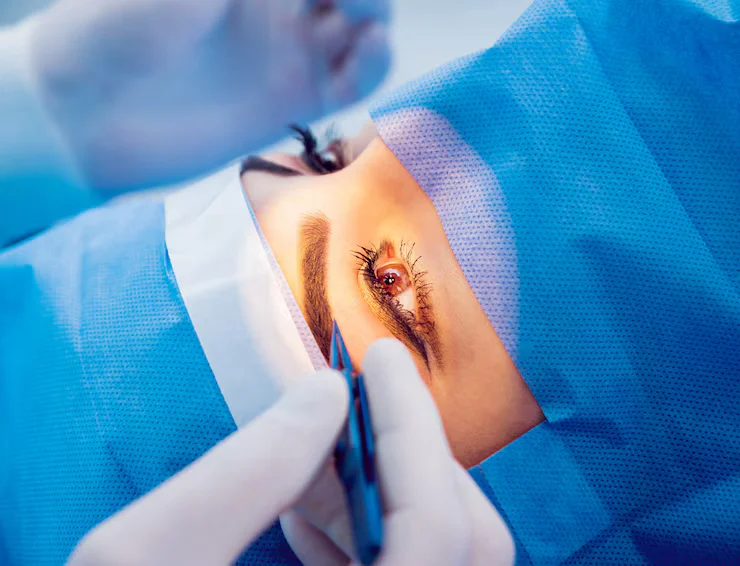
The surgery usually begins with local or general anesthesia, depending on the patient’s needs. An incision is made to access the cornea, and the damaged tissue is carefully removed.
Transplantation and Suturing
The donor cornea is then precisely shaped and positioned into place, where it is secured with fine stitches. Our skilled surgeons at Pushpanjali Eye Care use advanced techniques to minimize any risks and ensure the best possible results for corneal transplantation in Kolkata.
Post-Surgery Care
After the procedure, patients are monitored to ensure their eye is responding well. The recovery process is crucial, and follow-up visits are scheduled to check for signs of healing and any potential issues.
Recovery and Aftercare for Corneal Transplantation
The recovery process after a corneal transplant can take several months to a year for complete vision restoration. Here’s what patients can expect and some aftercare tips to ensure optimal healing.
Initial Healing
In the first few weeks, patients may experience some discomfort, light sensitivity, or mild redness. These symptoms are normal and usually subside with time. Our team provides specific medications and eye drops to aid healing and prevent infection.
Stitch Removal and Follow-Ups
Depending on the type of transplant, stitches may need to be removed several months after the surgery. Regular check-ups are scheduled at Pushpanjali Eye Care, the best eye hospital in Kolkata, to monitor the healing process and address any concerns.
Avoiding Strenuous Activities
During recovery, patients should avoid heavy lifting, bending, or activities that put strain on the eye. Wearing protective eyewear is also recommended to shield the eye from accidental injuries.
Vision Rehabilitation
Some patients may need vision correction after their transplant. Glasses or contact lenses are often recommended to refine vision as the eye heals and stabilizes. Our experienced optometrists at Pushpanjali Eye Care provide customized solutions to help patients achieve the best vision possible post-surgery.
Risks and Benefits of Corneal Transplantation
Corneal transplantation has a high success rate, especially when performed by skilled surgeons. However, like any surgery, there are potential risks, including infection, rejection, and astigmatism. At Pushpanjali Eye Care, we prioritize patient safety and take every precaution to minimize these risks, providing the highest standard of care.
The benefits of corneal transplantation are life-changing, offering improved vision and enhanced quality of life. For patients in Kolkata and beyond, our hospital remains a trusted destination for successful corneal transplants.
How long does the recovery process typically take after a corneal transplant?
The recovery process after a corneal transplant can vary significantly among individuals, but generally, it takes up to a year for full recovery. Here’s a detailed overview of what to expect during the recovery period:
Initial Recovery Phase
First Few Days: After the surgery, patients typically wear an eye patch or shield to protect the eye. Vision may be blurry initially, and some discomfort or irritation is common.
Follow-Up Appointments: Regular check-ups with an ophthalmologist are crucial to monitor healing and detect any complications early.
Short-Term Recovery (Weeks to Months)
Vision Fluctuations: Patients may experience fluctuations in vision quality for several weeks as the eye adjusts to the new cornea. Most people can return to work within 1 to 2 weeks, depending on their job and how quickly their vision improves.
Activity Restrictions: Heavy lifting and strenuous activities should be avoided for at least 4 weeks post-surgery. Patients are advised to refrain from swimming and contact sports until cleared by their doctor.
Long-Term Recovery (Months to a Year)
Full Vision Stabilization: It can take anywhere from a few weeks to over a year for vision to stabilize fully. Even after the initial recovery, patients may need corrective lenses like glasses or contact lenses for optimal clarity.
Ongoing Care: Patients will likely need to use prescribed eye drops for several months to prevent infection and reduce inflammation. Some may require these drops for more than a year.
What are the risks and complications associated with corneal transplantation?
Corneal transplantation, while generally a safe and effective procedure, carries certain risks and potential complications. Understanding these can help patients make informed decisions and prepare for their recovery. Here are the primary risks associated with corneal transplantation:
1. Corneal Graft Rejection
Corneal graft rejection is one of the most significant complications, occurring in about 10% to 30% of cases, depending on the type of transplant performed. The body’s immune system may recognize the donor cornea as foreign and attempt to attack it. Symptoms of rejection can include:
Redness of the eye
Increased sensitivity to light (photophobia)
Cloudy or hazy vision
Eye pain
If caught early, rejection can often be treated effectively with steroid eye drops, but delayed treatment may lead to graft failure.
2. Infection
Infections can occur either on the surface of the eye (corneal ulcers) or inside the eye (endophthalmitis). These infections can pose serious threats to vision and may require additional treatment or surgery.
3. Glaucoma
Some patients may experience increased intraocular pressure, leading to glaucoma. This condition can develop as a result of fluid buildup in the eye and may require medication or further surgical intervention.
4. Cataracts
The development of cataracts is another potential complication following corneal transplantation. Patients may need cataract surgery if significant clouding occurs over time.
5. Retinal Complications
There is a risk of retinal detachment or other retinal issues post-surgery, which can severely impact vision if not addressed promptly.
6. Astigmatism
Astigmatism may develop due to irregularities in the cornea’s shape after surgery, often requiring corrective lenses or additional procedures to address vision issues.
7. Bleeding and Fluid Leakage
Bleeding within the eye or fluid leakage around the stitches used to secure the donor cornea can occur, potentially complicating recovery and necessitating further surgical intervention.
8. Eye Inflammation
Postoperative inflammation is common and can affect healing. While it is typically manageable with medication, severe inflammation might require additional treatments.
What are the different types of corneal transplants available?
Corneal transplantation is a critical surgical procedure designed to restore vision by replacing damaged or diseased corneal tissue with healthy donor cornea. There are several types of corneal transplants, each suited for specific conditions affecting the cornea. Here’s an overview of the different types available:
1. Penetrating Keratoplasty (PK)
Penetrating keratoplasty, also known as full-thickness keratoplasty, involves the complete removal of the damaged cornea and replacement with a full-thickness donor cornea. This method is commonly used for conditions that affect multiple layers of the cornea, such as severe scarring, keratoconus, or corneal dystrophies. PK has been a standard treatment for over a century and remains effective for many patients.
2. Deep Anterior Lamellar Keratoplasty (DALK)
DALK is a partial thickness transplant that replaces only the outer layers of the cornea while preserving the healthy inner endothelial layer. This technique is particularly beneficial for patients with conditions like keratoconus or anterior stromal scars, as it reduces the risk of graft rejection and complications associated with full-thickness transplants. DALK is technically challenging but offers excellent visual outcomes when performed successfully.
3. Endothelial Keratoplasty (EK)
Endothelial keratoplasty focuses on replacing only the innermost layer of the cornea (the endothelium). There are two main types of EK:
Descemet Stripping Automated Endothelial Keratoplasty (DSAEK): This method involves removing the damaged endothelial layer and replacing it with a thicker donor tissue. It typically results in quicker recovery times and less astigmatism compared to PK.
Descemet MembraneEndothelial Keratoplasty (DMEK): A more recent advancement, DMEK uses a thinner graft, which allows for even faster recovery and better visual outcomes. It is primarily used for conditions like Fuchs’ dystrophy and bullous keratopathy.
4. Keratoprosthesis
Keratoprosthesis is a specialized type of transplant used in cases where traditional corneal transplants have failed or are not viable due to severe ocular surface disease. This procedure involves implanting an artificial cornea made from biocompatible materials alongside donor tissue. It is reserved for patients with significant scarring or damage that cannot be corrected through standard transplantation methods.
What are the long-term vision outcomes after a corneal transplant?
Long-term vision outcomes after corneal transplantation can vary widely based on several factors, including the type of transplant performed, the underlying condition being treated, and individual patient characteristics. Here’s a summary of what to expect regarding vision outcomes following this procedure:
General Outcomes
Visual Improvement: A significant majority of patients experience improved vision after corneal transplantation. Studies indicate that around 65% to 75% of patients achieve a Snellen acuity of 20/40 or better, which is generally considered sufficient for most daily activities. Some patients may even reach 20/20 vision depending on their preoperative condition and post-surgical rehabilitation.
Timeframe for Recovery: The timeline for achieving optimal vision can differ:
Penetrating Keratoplasty (PK): Full recovery may take up to 12 months, with gradual improvement noted over this period.
Endothelial Keratoplasty (e.g., DMEK or DSAEK): Patients often see significant visual improvements within 3 to 6 months post-surgery.
Factors Influencing Outcomes
Preoperative Conditions: The nature and severity of the corneal disease significantly impact long-term results. Patients with severe preoperative visual impairment may have different expectations and outcomes compared to those with less severe conditions.
Patient Age and Health: Younger patients tend to have better healing responses and visual outcomes. Additionally, overall eye health and the presence of other ocular conditions can affect recovery.
Postoperative Care: Adherence to follow-up appointments and prescribed medications is crucial for preventing complications like graft rejection, which can adversely affect vision outcomes.
Complications Affecting Vision
Astigmatism: Some patients may develop irregular astigmatism due to the surgical technique or healing process, which can require corrective lenses or additional procedures to manage.
Graft Rejection: While rare, graft rejection can occur and may lead to decreased vision if not managed promptly. Approximately 10% to 30% of patients experience some form of rejection, which can often be treated successfully if detected early.
Cataracts and Glaucoma: The development of cataracts post-transplant is common and may necessitate further surgery. Similarly, some patients may experience increased intraocular pressure leading to glaucoma, which requires ongoing monitoring and treatment.
Patient Satisfaction
Overall, patient satisfaction with corneal transplantation is high, with many reporting significant improvements in quality of life due to restored vision. Studies show that satisfaction correlates strongly with better visual acuity in the grafted eye compared to the non-grafted eye.
FAQ
What is corneal transplantation?
Corneal transplantation is a surgical procedure where damaged or diseased corneal tissue is replaced with healthy donor tissue to restore vision and improve eye health.
What are the types of corneal transplantation?
The main types are Penetrating Keratoplasty (full corneal replacement), Endothelial Keratoplasty (inner layer replacement), and Anterior Lamellar Keratoplasty (front layer replacement).
Who is a candidate for corneal transplantation?
People with corneal diseases, injuries, or conditions like keratoconus or corneal scarring may be candidates for corneal transplantation.
What is the recovery process like after corneal transplantation?
Recovery may take several months, requiring follow-ups, medication, and careful post-op care to ensure proper healing and avoid complications.
Are there risks associated with corneal transplantation?
As with any surgery, risks include infection, rejection, and vision issues, but these are minimized with proper surgical care and follow-up.
Why Choose Pushpanjali Eye Care for Corneal Transplantation in Kolkata?
As the best eye hospital in Kolkata, Pushpanjali Eye Care is dedicated to providing compassionate and comprehensive eye care solutions. Our state-of-the-art facilities, experienced surgeons, and commitment to personalized care make us a top choice for corneal transplantation in Kolkata. We guide each patient through every step, from diagnosis to recovery, ensuring that they feel supported and well-informed.
If you or a loved one is experiencing vision problems due to corneal damage, don’t hesitate to reach out to make an appointment. Our dedicated team is here to answer your questions and provide the specialized treatment you deserve.
Corneal transplantation can be a transformative solution for individuals suffering from corneal damage. With the expertise of Pushpanjali Eye Care, the best eye hospital in Kolkata, patients can rest assured that they are in capable hands for this critical procedure. Contact us today to learn more about corneal transplantation in Kolkata and how we can help you regain the gift of clear vision.
Welcome to the blog page of Pushpanjali Eye Hospital, the best eye hospital in Kolkata.
Discover the essential nutrients that can enhance your eye health. Learn how a balanced diet can make a difference, with insights from the Best opthamology in Kolkata.
Table of Contents
Maintaining optimal eye health is crucial, yet often overlooked in our daily routines. As we age, the importance of caring for our eyes becomes even more evident. Diet plays a significant role in eye health, and certain nutrients can help protect and improve vision. In this article, we’ll explore the essential nutrients you should incorporate into your diet for better eye health, with insights from experts at the Best Eye care in Kolkata.
Understanding Eye Health
Before diving into specific nutrients, it’s essential to understand what factors affect eye health. Our eyes are exposed to various environmental stresses, including pollution, UV light, and digital screens. Moreover, aging can lead to conditions such as cataracts, age-related macular degeneration (AMD), and dry eyes. By understanding the role of nutrition, we can take proactive steps to safeguard our vision.
The Role of Nutrition in Eye Health
Nutrition is the foundation of overall health, and it significantly influences our eyes. Just as certain nutrients can bolster the immune system or support heart health, they can also play a critical role in preserving and enhancing vision. Here are some vital nutrients that contribute to eye health:
Essential Nutrients for Eye Health
1. Vitamin A
Why It Matters: Vitamin A is vital for maintaining good vision, particularly in low-light conditions. It helps form the pigments in the retina, enabling us to see in dim light. Deficiency in vitamin A can lead to night blindness and other severe visual impairments.
Sources:
Carrots
Sweet potatoes
Spinach
Kale
Eggs
2. Vitamin C
Why It Matters: As a powerful antioxidant, vitamin C protects the eyes against damage from free radicals, potentially reducing the risk of cataracts and AMD. It also helps in collagen production, which is essential for the health of the cornea.
Sources:
Oranges
Strawberries
Kiwi
Bell peppers
Broccoli
3. Vitamin E
Why It Matters: Vitamin E plays a role in protecting the eyes from oxidative stress. It can help slow down the progression of age-related eye diseases. This fat-soluble vitamin is crucial for maintaining the health of the cell membranes in the eye.
Sources:
Nuts (especially almonds)
Seeds
Spinach
Avocado
Whole grains
4. Lutein and Zeaxanthin
Why They Matter: These carotenoids are found in high concentrations in the retina. They protect the eyes from harmful light waves and oxidative stress, potentially lowering the risk of AMD and cataracts. Lutein and zeaxanthin also help filter blue light, which can damage retinal cells.
Sources:
Green leafy vegetables (kale, spinach)
Peas
Corn
Egg yolks
5. Omega-3 Fatty Acids
Why They Matter: Omega-3s are essential for retinal health and may help reduce the risk of dry eyes and AMD. They play a crucial role in maintaining proper tear production and can help alleviate symptoms of dry eye syndrome.
Sources:
Fatty fish (salmon, sardines, mackerel)
Walnuts
Flaxseeds
Chia seeds
6. Zinc
Why It Matters: Zinc is vital for transporting vitamin A from the liver to the retina, where it helps produce melanin, a protective pigment in the eyes. Adequate zinc levels are linked to better night vision and may help prevent AMD.
Sources:
Oysters
Beef
Pumpkin seeds
Lentils
Chickpeas
7. Beta-Carotene
Why It Matters: Beta-carotene, a precursor to vitamin A, is another important nutrient for eye health. It helps improve vision in low-light conditions and protects against macular degeneration.
Sources:
Carrots
Sweet potatoes
Butternut squash
Cantaloupe
8. Anthocyanins
Why They Matter: These powerful antioxidants can help improve night vision and reduce the risk of cataracts. They protect the blood vessels in the eyes and promote better circulation.
Incorporating these nutrients into your diet doesn’t have to be complicated. Here are some practical tips to create an eye-healthy eating plan:
Balance Your Plate: Include a variety of colorful fruits and vegetables, whole grains, and healthy fats. Aim to fill half your plate with fruits and vegetables to ensure you’re getting a range of nutrients.
Snack Smart: Choose nuts and seeds for snacks instead of processed foods. Not only are they nutrient-dense, but they also provide healthy fats that are beneficial for eye health.
Stay Hydrated: Drinking plenty of water is essential for maintaining eye moisture and overall health. Dehydration can lead to dry eyes and discomfort, so aim for at least 8 glasses of water a day.
Limit Processed Foods: Reduce your intake of sugary and processed foods, which can contribute to inflammation and overall health issues. Instead, focus on whole, unprocessed foods that provide essential nutrients.
Cook with Healthy Oils: Use olive oil or avocado oil for cooking and salad dressings. These oils contain healthy fats that support eye health.
Lifestyle Factors That Impact Eye Health
While nutrition plays a significant role in eye health, several lifestyle factors can also influence your vision. Here are some essential tips:
Regular Eye Exams: Regular check-ups with professionals at the Best Eye Hospital in Kolkata can help monitor your eye health. Early detection of potential problems can lead to more effective treatment.
Protect Your Eyes from UV Rays: Wearing sunglasses that block 100% of UVA and UVB rays can protect your eyes from sun damage. Look for sunglasses with polarized lenses for added protection.
Limit Screen Time: Extended screen time can lead to digital eye strain, resulting in dry eyes and discomfort. Take regular breaks using the 20-20-20 rule: every 20 minutes, look at something 20 feet away for at least 20 seconds.
Quit Smoking: Smoking is linked to a higher risk of cataracts and AMD. Quitting smoking can significantly reduce these risks and improve overall health.
Exercise Regularly: Physical activity improves circulation and may help lower the risk of chronic diseases that can affect your eyes.
FAQs About Nutrients and Eye Health
Q1: Can supplements replace food sources for these nutrients?
While supplements can be beneficial, whole foods provide a complex mix of nutrients that work together for optimal health. It’s best to get your vitamins and minerals from a varied diet.
Q2: How can I tell if my eyes are healthy?
Regular eye exams by professionals at the Best Eye Hospital in Kolkata can help monitor your eye health. Signs of trouble may include blurred vision, dry eyes, or difficulty seeing at night.
Q3: Are there specific foods I should avoid for better eye health?
Limiting foods high in sugar, unhealthy fats, and sodium can help reduce the risk of eye problems. Focus on a balanced diet rich in antioxidants and essential nutrients.
Q4: How often should I get my eyes checked?
It’s recommended to have an eye exam every one to two years, but those with existing eye conditions or risk factors may need more frequent visits.
Q5: Can my diet help prevent age-related eye diseases?
A balanced diet rich in eye-friendly nutrients can lower the risk of developing age-related eye diseases, but it’s essential to combine a healthy diet with regular eye care.
Q6: Is it possible to improve my vision through diet?
While diet alone cannot correct refractive errors like nearsightedness or farsightedness, it can help maintain overall eye health and potentially prevent degenerative conditions that affect vision.
Q7: Do I need to eat a lot of fish to get enough omega-3s?
If you’re not a fan of fish, there are plant-based sources of omega-3s, such as flaxseeds, chia seeds, and walnuts. You can also consider algae-based supplements for a vegetarian option.
Conclusion
Incorporating essential nutrients into your diet is a proactive step toward maintaining good eye health. By focusing on foods rich in vitamins A, C, and E, as well as lutein, zeaxanthin, omega-3 fatty acids, and zinc, you can help protect your eyes against potential diseases and maintain your vision for years to come.
Ultimately, adopting a balanced diet and making informed lifestyle choices will contribute to long-term eye health. Remember, for personalized advice and eye care, visiting the Best Eye Hospital in Kolkata is always a wise choice. Prioritize your eye health today for a brighter tomorrow!
 Golpark-Gariahat,Kolkata 700029
  pushpanjalieyecare@gmail.com


 9051155660
  All cashless eye surgery facilities available