Prime Eyesight Hospital Near Me Golpark-Gariahat,Kolkata 700029

|

Prime Eyesight Hospital Near Me Baguihati, Vip Road, Kolkata 700059

Best Eye Care Kolkata West Bengal All cashless eye surgery facilities available Top Eye Hospital In Kolkata
Best Eye Care Kolkata

Why Your Vision Blurs After Too Much Screen Time – And How to Fix It?

Hello Reader!

Welcome to the blog page of Pushpanjali Eye Care, one of the best eye hospital in Kolkata. 

In today’s digital age, our reliance on screens has significantly increased. Whether it’s for work, entertainment, or social interaction, we spend hours staring at computers, smartphones, and tablets. However, too much screen time often leads to vision blur, eye strain, and discomfort. If you frequently experience blurred vision after prolonged screen use, it’s essential to understand the causes and solutions to maintain optimal eye health. As the best eye hospital in Kolkata, Pushpanjali Eye Care is here to guide you on why this happens and how to fix it.

vision blur, Best Eye Hospital In Kolkata , Best ophthalmologist in Kolkata , Best Eye specialists in Kolkata , Top eye hospital in Kolkata , best Glaucoma treatment in Kolkata , Best Lasik surgery in Kolkata , Best Cataract Treatment in Kolkata , best cataract surgery in Kolkata , Lasik Surgery Cost in Kolkata , Cataract surgery in Kolkata , Cataract surgery cost in Kolkata , Glaucoma specialist in Kolkata , Refractive surgery in Kolkata , Lasik surgery in Kolkata

Why Does Too Much Screen Time Cause Vision Blur?

1. Digital Eye Strain (Computer Vision Syndrome)

Spending long hours in front of screens can cause Digital Eye Strain, also known as Computer Vision Syndrome (CVS). The constant focus on the screen without breaks leads to fatigue in the eye muscles, resulting in vision blur.

2. Reduced Blinking

Normally, we blink about 15-20 times per minute. However, while staring at screens, the blink rate reduces significantly. This leads to dry eyes, irritation, and temporary vision blur.

3. Blue Light Exposure

Digital screens emit blue light, which can disrupt our natural sleep-wake cycle and strain the eyes. Prolonged exposure to blue light can contribute to vision blur and discomfort.

4. Poor Screen Positioning

Incorrect screen placement, such as holding your phone too close or positioning your computer too high, forces your eyes to overwork, causing strain and vision blur.

5. Underlying Vision Problems

Too much screen time can exacerbate existing eye conditions like myopia (nearsightedness) or hyperopia (farsightedness), making vision blur more noticeable.

vision blur, Best Eye Hospital In Kolkata , Best ophthalmologist in Kolkata , Best Eye specialists in Kolkata , Top eye hospital in Kolkata , best Glaucoma treatment in Kolkata , Best Lasik surgery in Kolkata , Best Cataract Treatment in Kolkata , best cataract surgery in Kolkata , Lasik Surgery Cost in Kolkata , Cataract surgery in Kolkata , Cataract surgery cost in Kolkata , Glaucoma specialist in Kolkata , Refractive surgery in Kolkata , Lasik surgery in Kolkata

How does blue light from screens affect our sleep patterns?

Exposure to blue light from screens has a significant impact on sleep patterns, primarily due to its effect on the hormone melatonin, which regulates our sleep-wake cycles. Here’s how blue light affects sleep and some strategies to mitigate its effects.

How Blue Light Affects Sleep Patterns

  1. Disruption of Melatonin Production:
    Blue light exposure, especially in the evening, suppresses the secretion of melatonin more than any other type of light. Melatonin is crucial for signaling to the body that it is time to wind down and prepare for sleep. When blue light enters our eyes, it signals the brain that it is still daytime, inhibiting melatonin production and making it harder to fall asleep.
  2. Circadian Rhythm Interference:
    Our circadian rhythm, or internal body clock, is influenced by light exposure. Blue light from screens can confuse this clock, leading to misalignment with our natural sleep cycles. This misalignment can result in difficulties falling asleep at night and waking up in the morning.
  3. Increased Alertness:
    Blue light enhances alertness and cognitive function during the day, which is beneficial. However, when exposed at night, it can lead to increased wakefulness when the body should be preparing for sleep. This can result in longer times taken to fall asleep and reduced overall sleep quality.
  4. Negative Health Implications:
    Chronic exposure to blue light at night can lead to long-term health issues, including increased risk of metabolic disorders and mental health conditions like anxiety and depression, due to disrupted sleep patterns.
vision blur, Best Eye Hospital In Kolkata , Best ophthalmologist in Kolkata , Best Eye specialists in Kolkata , Top eye hospital in Kolkata , best Glaucoma treatment in Kolkata , Best Lasik surgery in Kolkata , Best Cataract Treatment in Kolkata , best cataract surgery in Kolkata , Lasik Surgery Cost in Kolkata , Cataract surgery in Kolkata , Cataract surgery cost in Kolkata , Glaucoma specialist in Kolkata , Refractive surgery in Kolkata , Lasik surgery in Kolkata

Strategies to Mitigate Blue Light Effects

  1. Limit Screen Time Before Bed:
    It’s advisable to avoid screens for at least one hour before bedtime. Engaging in non-screen activities such as reading a physical book or practicing relaxation techniques can help your body prepare for sleep.
  2. Use Blue Light Filters:
    Many devices now come with built-in blue light filters or “night mode” settings that reduce blue light emission during evening hours. Consider using these features to minimize exposure.
  3. Wear Blue Light Blocking Glasses:
    These glasses are designed to filter out blue light and can be particularly useful for individuals who must use screens in the evening.
  4. Adjust Lighting:
    Use dim, warm lighting in your home during the evening hours instead of bright white or blue-toned lights. This helps signal your body that it is time to wind down.
  5. Establish a Sleep Routine:
    Creating a consistent bedtime routine can help signal your body that it’s time for sleep. This includes going to bed and waking up at the same time every day, even on weekends.
vision blur, Best Eye Hospital In Kolkata , Best ophthalmologist in Kolkata , Best Eye specialists in Kolkata , Top eye hospital in Kolkata , best Glaucoma treatment in Kolkata , Best Lasik surgery in Kolkata , Best Cataract Treatment in Kolkata , best cataract surgery in Kolkata , Lasik Surgery Cost in Kolkata , Cataract surgery in Kolkata , Cataract surgery cost in Kolkata , Glaucoma specialist in Kolkata , Refractive surgery in Kolkata , Lasik surgery in Kolkata

How to Fix Vision Blur Due to Too Much Screen Time?

1. Follow the 20-20-20 Rule

Every 20 minutes, take a 20-second break and look at something 20 feet away. This simple practice helps relax your eye muscles and reduce vision blur.

2. Adjust Screen Brightness and Contrast

Ensure your screen brightness matches the ambient lighting to reduce strain. Increasing text size and contrast can also minimize eye fatigue.

Make a conscious effort to blink frequently to keep your eyes moist. Using artificial tears can also help prevent dryness and vision blur.

4. Use Blue Light Filters

Consider using blue light filter glasses or enabling night mode on your devices to reduce blue light exposure and ease strain on your eyes.

5. Maintain Proper Screen Distance

Keep your screen at least an arm’s length away and position it slightly below eye level to reduce unnecessary strain on your eyes.

6. Stay Hydrated & Maintain Eye Health

Drink plenty of water and consume eye-friendly foods rich in Vitamin A, C, and Omega-3 fatty acids to support overall eye health.

7. Get Regular Eye Check-ups

If vision blur persists despite following these tips, it’s essential to consult an eye specialist. At Pushpanjali Eye Care, the best eye hospital in Kolkata, our expert ophthalmologists provide comprehensive eye exams to diagnose and treat eye-related vision problems effectively.

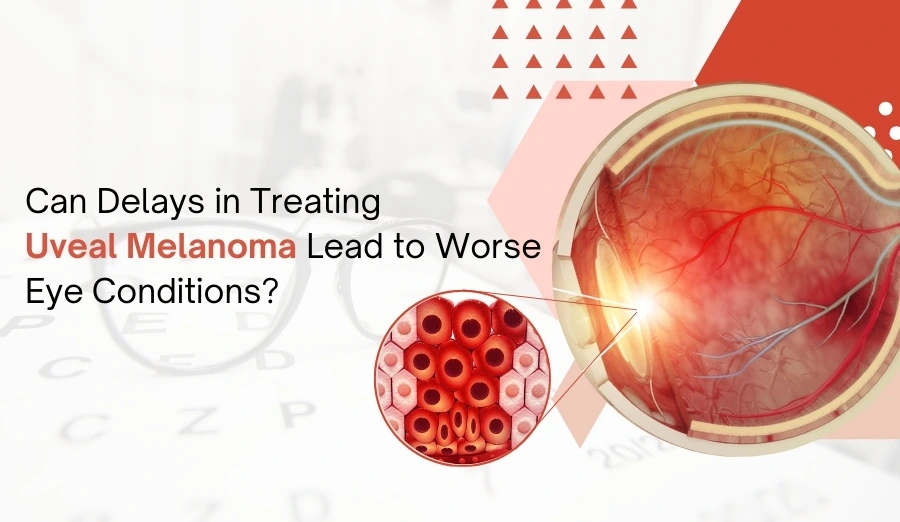
Also Read: Can Delays in Treating Uveal Melanoma Lead to Worse Eye Conditions?

vision blur, Best Eye Hospital In Kolkata , Best ophthalmologist in Kolkata , Best Eye specialists in Kolkata , Top eye hospital in Kolkata , best Glaucoma treatment in Kolkata , Best Lasik surgery in Kolkata , Best Cataract Treatment in Kolkata , best cataract surgery in Kolkata , Lasik Surgery Cost in Kolkata , Cataract surgery in Kolkata , Cataract surgery cost in Kolkata , Glaucoma specialist in Kolkata , Refractive surgery in Kolkata , Lasik surgery in Kolkata

What are the most effective ways to alleviate digital eye strain?

Digital eye strain, also known as computer vision syndrome, has become increasingly common due to the extensive use of screens in our daily lives. Fortunately, there are several effective strategies to alleviate this condition. Here are the most effective ways to reduce digital eye strain:

1. Follow the 20-20-20 Rule

One of the simplest and most effective methods for reducing eye strain is the 20-20-20 rule. Every 20 minutes, take a break from your screen and look at something 20 feet away for at least 20 seconds. This practice helps relax the eye muscles and reduces fatigue caused by prolonged focus on digital devices.

2. Adjust Your Screen Settings

Optimizing your screen settings can significantly reduce eye strain. Ensure that your screen brightness matches the ambient lighting in your environment. Increasing contrast can also help make text easier to read. Additionally, consider using a larger font size and adjusting the color temperature to warmer tones, which can be easier on the eyes.

3. Maintain Proper Ergonomics

Position your computer screen at eye level and about an arm’s length away to minimize strain on your eyes and neck. Ensure that you are seated comfortably with good posture, using a chair that supports your back.

4. Use Proper Lighting

Lighting plays a crucial role in reducing glare and eye strain. Aim for ambient lighting that is about half as bright as typical office lighting. Avoid working under harsh fluorescent lights; instead, opt for soft white LED lamps or natural light when possible. Position your screen so that windows are to the side rather than directly in front or behind it.

5. Minimize Glare

Glare from screens can exacerbate eye strain. Use anti-glare screens or filters, and consider adjusting your workspace to reduce reflections from windows or overhead lights. If you wear glasses, lenses with an anti-reflective coating can also help minimize glare.

When using digital devices, people tend to blink less frequently, leading to dry eyes. Make a conscious effort to blink more often to keep your eyes moist. If necessary, use artificial tears or lubricating eye drops to relieve dryness.

In addition to the 20-20-20 rule, take regular breaks throughout your workday. Stand up, stretch, and move around every hour to reduce muscle fatigue and improve circulation.

8. Exercise Your Eyes

Incorporate simple eye exercises into your routine to help alleviate strain. For example, after focusing on a screen for a while, look at a distant object for several seconds before returning your gaze to close-up tasks.

9. Stay Hydrated

Dehydration can contribute to dry eyes and discomfort. Drink plenty of water throughout the day to maintain moisture levels in your body and eyes.

10. Schedule Regular Eye Exams

Regular visits to an eye care professional are essential for maintaining eye health and addressing any issues related to digital eye strain. Comprehensive eye exams can help identify underlying problems and allow for tailored recommendations based on individual needs.

vision blur, Best Eye Hospital In Kolkata , Best ophthalmologist in Kolkata , Best Eye specialists in Kolkata , Top eye hospital in Kolkata , best Glaucoma treatment in Kolkata , Best Lasik surgery in Kolkata , Best Cataract Treatment in Kolkata , best cataract surgery in Kolkata , Lasik Surgery Cost in Kolkata , Cataract surgery in Kolkata , Cataract surgery cost in Kolkata , Glaucoma specialist in Kolkata , Refractive surgery in Kolkata , Lasik surgery in Kolkata

To alleviate digital eye strain, several effective eye exercises can be implemented. These exercises help relax the eye muscles, improve focus, and reduce discomfort associated with prolonged screen time. Here are some specific eye exercises that can help:

1. Palming

  • How to Do It: Rub your hands together to generate warmth, then gently place your palms over your closed eyes. Ensure no light enters, and take deep breaths for 3-5 minutes.
  • Benefits: This technique helps relax the eye muscles and reduces strain and fatigue.

2. Blinking Exercise

  • How to Do It: Blink your eyes rapidly for about 30 seconds, then close them and relax for a few seconds. Repeat this several times.
  • Benefits: This exercise helps keep the eyes lubricated and reduces dryness caused by prolonged screen use.

3. Eye Rolling

  • How to Do It: Sit comfortably and slowly roll your eyes in a circular motion, first clockwise and then counterclockwise. Repeat this several times.
  • Benefits: Eye rolling helps relieve tension and soreness in the eye area.

4. Focus Shifting

  • How to Do It: Hold a pen or your finger about 6 inches away from your face and focus on it. Then, shift your focus to a distant object (approximately 20 feet away) for a few seconds before returning to the pen.
  • Benefits: This exercise improves the ability of the eyes to adjust focus between near and far distances, reducing strain.

5. The 20-20-20 Rule

  • How to Do It: For every 20 minutes spent looking at a screen, take a break for at least 20 seconds and look at something 20 feet away.
  • Benefits: This practice helps relax the eye muscles and reduces fatigue associated with extended screen time.

6. Near and Far Focusing

  • How to Do It: Hold an object close to your face, then gradually move it away while maintaining focus on it. Repeat this several times.
  • Benefits: This exercise enhances the flexibility of the eye muscles and helps improve focusing ability.

7. Zooming Exercise

  • How to Do It: Hold your thumb in front of your face and focus on it. Slowly move your thumb away from you while keeping it in focus, then bring it back closer.
  • Benefits: This exercise strengthens the eye’s focusing power.

8. Distance Gazing

  • How to Do It: Look out of a window or at a distant object for several seconds.
  • Benefits: This simple exercise helps relax the eye muscles after long periods of close-up work.
vision blur, Best Eye Hospital In Kolkata , Best ophthalmologist in Kolkata , Best Eye specialists in Kolkata , Top eye hospital in Kolkata , best Glaucoma treatment in Kolkata , Best Lasik surgery in Kolkata , Best Cataract Treatment in Kolkata , best cataract surgery in Kolkata , Lasik Surgery Cost in Kolkata , Cataract surgery in Kolkata , Cataract surgery cost in Kolkata , Glaucoma specialist in Kolkata , Refractive surgery in Kolkata , Lasik surgery in Kolkata

FAQ

1. Why does too much screen time cause vision blur?

Excessive screen use leads to digital eye strain, reduced blinking, and blue light exposure, all of which can result in temporary vision blur.

2. How can I prevent vision blur from screen time?

Follow the 20-20-20 rule, blink frequently, adjust screen brightness, and maintain a proper screen distance to reduce eye strain.

3. Does blue light from screens affect vision?

Yes, prolonged exposure to blue light can contribute to eye fatigue, disrupt sleep patterns, and cause temporary vision blur.

4. Can dehydration cause vision blur while using screens?

Yes, dehydration can lead to dry eyes, which worsens strain and increases the risk of vision blur. Drinking plenty of water helps maintain eye moisture.

5. When should I see an eye doctor for vision blur?

If vision blur persists despite lifestyle changes, consult an eye specialist at Pushpanjali Eye Care, the best eye hospital in Kolkata, for a thorough check-up and treatment.

Final Thoughts

Excessive screen time is an unavoidable part of modern life, but it shouldn’t come at the cost of your eye health. By making small adjustments and prioritizing regular eye check-ups, you can prevent vision blur and maintain healthy eyesight. If you’re experiencing persistent eye strain or blurred vision, visit Pushpanjali Eye Care, the best eye hospital in Kolkata, for expert guidance and treatment.

​Uveal Melanoma: Risk Factors and Prevention Strategies

Uveal Melanoma is a rare but serious eye cancer. Learn about its risk factors and prevention strategies to safeguard your vision.

When we think of melanoma, our minds often jump to skin cancer. However, melanoma can develop in the eyes as well, specifically in the uvea, the pigmented layer of the eye. Uveal melanoma is a rare yet potentially life-threatening condition that requires early detection and expert care. Understanding its risk factors and possible prevention strategies can significantly improve outcomes for individuals at risk.

While it may not always be possible to prevent this condition entirely, being aware of its causes and taking proactive steps can go a long way in protecting your vision.

Uveal melanoma

What Is Uveal Melanoma?

Uveal melanoma / Intraocular Melanoma is a type of cancer that originates in the uvea, which consists of three parts:

  • Iris (colored part of the eye)
  • Ciliary body (controls the lens of the eye)
  • Choroid (layer with blood vessels that supplies oxygen to the retina)

This form of melanoma develops when pigment-producing cells in the uvea grow uncontrollably, forming a tumor. If left untreated, the tumor can spread to other parts of the body, most commonly the liver.

Risk Factors for Intraocular Melanoma

While Intraocular Melanoma can develop without any clear cause, researchers have identified several risk factors that may increase the likelihood of its occurrence.

1. Genetic and Hereditary Factors

  • Individuals with mutations in specific genes, such as BAP1, may have a higher risk.
  • A family history of melanoma, particularly eye melanoma, can increase susceptibility.

2. Skin and Eye Color

  • People with lighter-colored eyes (blue or green) are more prone to uveal melanoma compared to those with brown eyes.
  • Fair-skinned individuals with a tendency to freckle or burn easily in the sun also have an elevated risk.

3. Age and Gender

  • The risk of developing uveal melanoma increases with age, with most cases diagnosed in people over 50.
  • Men are slightly more likely to develop this condition compared to women.

4. Sunlight and UV Exposure

  • Although not as directly linked as with skin melanoma, prolonged UV exposure may play a role in increasing the risk of uveal melanoma.
  • Regular exposure to artificial UV sources, such as tanning beds, may also contribute.

5. Certain Eye Conditions and Syndromes

  • Individuals with dysplastic nevus syndrome (a condition causing abnormal moles) may be more prone to developing eye melanoma.
  • People with congenital ocular melanocytosis (excess pigment in the uvea) are at a higher risk.

6. Occupational and Environmental Factors

  • Exposure to industrial chemicals, particularly those found in petroleum, welding fumes, and other hazardous environments, has been linked to increased risks.
  • Living in higher latitudes (closer to the poles) has also been associated with a slightly higher prevalence.
Uveal melanoma

Can Uveal Melanoma Be Prevented?

While uveal melanoma cannot be entirely prevented, there are certain lifestyle modifications and protective measures that can reduce the risk.

1. Regular Eye Exams

  • Routine eye check-ups can help detect early signs of uveal melanoma before symptoms appear.
  • A dilated eye exam can help identify unusual pigmentation or tumors at an early stage.

2. Protecting Your Eyes from UV Exposure

  • Wearing UV-blocking sunglasses can help protect the eyes from harmful radiation.
  • Avoid prolonged exposure to direct sunlight, especially during peak hours.

3. Genetic Testing and Family History Review

  • If you have a family history of melanoma, consider genetic testing to assess your risk.
  • Discussing your concerns with an ophthalmologist can help determine if additional screening is needed.

4. Healthy Lifestyle Choices

  • Eating a nutrient-rich diet with antioxidants (found in leafy greens, fish, and nuts) may help support eye health.
  • Avoid smoking and excessive alcohol consumption, as these habits can negatively impact overall health and potentially increase cancer risks.

5. Workplace Safety Measures

  • If you work in environments with chemical exposure, wear protective eyewear and follow safety guidelines.
  • Ensure proper ventilation in industrial settings to reduce prolonged exposure to harmful substances.

How to Identify Symptoms of Uveal Melanoma?

Early detection plays a crucial role in managing uveal melanoma. Some warning signs include:

  • Blurry or distorted vision
  • Flashes of light or floating spots in vision (floaters)
  • A dark spot on the iris that grows over time
  • Loss of peripheral vision
  • Pain or pressure in the eye (in rare cases)

Since these symptoms can also be associated with other eye conditions, seeking professional medical advice is essential if you notice any changes in your vision.

The Importance of Expert Care

When it comes to conditions as serious as Intraocular Melanoma, early diagnosis, and specialized treatment can make all the difference. Seeking expert care at a well-equipped eye hospital ensures that you receive accurate diagnosis, advanced treatment options, and long-term monitoring for any eye-related concerns.

Experienced ophthalmologists use advanced technology to detect and manage complex eye conditions. Their commitment to early detection and personalized treatment plans helps patients safeguard their vision effectively.

Uveal melanoma

Frequently Asked Questions (FAQs)

1. Can uveal melanoma be cured?

Treatment success depends on the stage at which the tumor is detected. Early-stage uveal melanoma can often be treated with radiation therapy, laser therapy, or surgery.

2. Is uveal melanoma hereditary?

In some cases, genetic mutations can increase the risk, but most cases occur sporadically without a direct family history.

3. How is uveal melanoma diagnosed?

A dilated eye exam, ultrasound, optical coherence tomography (OCT), and biopsy may be used for diagnosis.

4. What are the treatment options for uveal melanoma?

  • Radiation therapy (brachytherapy)
  • Laser therapy (TTT – transpupillary thermotherapy)
  • Surgical removal of the tumor
  • Enucleation (removal of the eye in advanced cases)

5. Can wearing sunglasses reduce the risk of uveal melanoma?

Yes, UV-protective sunglasses can help minimize exposure to harmful ultraviolet rays, reducing potential risks.

Protect Your Vision: Stay Informed and Take Preventive Measures

Although uveal melanoma is a rare and serious condition, understanding its risk factors and taking proactive preventive measures can make a significant difference. Regular eye check-ups, UV protection, and a healthy lifestyle can help lower the risk of developing this condition.

If you experience any unusual vision changes or have concerns about your eye health, seeking expert guidance is the best course of action. A reputed eye hospital offers comprehensive diagnostic and treatment services, ensuring that your eye health is in safe hands.

Your eyes are irreplaceable—prioritize their care today!

Can Delays in Treating Uveal Melanoma Lead to Worse Eye Conditions?

Hello Reader!

Welcome to the blog page of Pushpanjali Eye Hospital in Kolkata, one of the best eye hospital in Kolkata. 

Uveal melanoma is a rare but serious form of eye cancer that affects the uveal tract, which includes the iris, ciliary body, and choroid. Although it is not as common as other types of cancer, it can lead to severe complications if not diagnosed and treated promptly. Delays in treating uveal melanoma can result in serious eye conditions, vision loss, and even life-threatening complications. At Pushpanjali Eye Care, recognized as one of the best eye hospitals in Kolkata, we emphasize early detection and timely treatment to prevent complications associated with uveal melanoma.

Best Eye Hospital In Kolkata , Best ophthalmologist in Kolkata , Best Eye specialists in Kolkata , Top eye hospital in Kolkata , best Glaucoma treatment in Kolkata , Best Lasik surgery in Kolkata , Best Cataract Treatment in Kolkata , best cataract surgery in Kolkata , Lasik Surgery Cost in Kolkata , Cataract surgery in Kolkata , Cataract surgery cost in Kolkata , Glaucoma specialist in Kolkata , Refractive surgery in Kolkata , Lasik surgery in Kolkata, Treating Uveal Melanoma

Understanding Uveal Melanoma

Uveal melanoma develops in the melanocytes, the pigment-producing cells of the eye. It is often asymptomatic in its early stages, making regular eye check-ups essential for early detection. As the tumor grows, it may cause:

  • Blurred or distorted vision
  • Floaters or flashes of light
  • Dark spots on the iris
  • A change in pupil shape
  • Eye pain (in advanced cases)

What are the early symptoms of uveal melanoma?

Uveal melanoma, a rare type of eye cancer that arises from the pigment-producing cells in the uveal tract, often presents few to no symptoms in its early stages. However, as the tumor grows, various signs may emerge that can indicate the presence of this condition. Here are some early symptoms to be aware of:

  • Dark Spot on the Iris: One of the most common early indicators is the appearance of a dark spot on the colored part of the eye (iris). This spot may gradually increase in size.
  • Changes in Vision: Patients may experience blurred vision or distorted vision. Some might notice a blind spot in their peripheral vision.
  • Floaters: The presence of floaters—small specks or lines that drift through your field of vision—can also be an early symptom.
  • Pupil Changes: A change in the size or shape of the pupil may occur, which can be noticeable during routine eye examinations.
  • Bulging Eye: In some cases, there may be a noticeable change in the position of the eye within its socket, leading to a bulging appearance.
  • Flashes of Light: Some individuals report seeing flashes of light or experiencing visual disturbances as the tumor affects the retina.
  • Eye Pain: Although less common in the early stages, some patients may experience discomfort or pain in or around the eye as the condition progresses.

It is important to note that many of these symptoms can also be associated with other eye conditions. Therefore, regular eye examinations are crucial for early detection and diagnosis. If any changes in vision or appearance of the eye are noticed, it is essential to consult with an ophthalmologist promptly.

Best Eye Hospital In Kolkata , Best ophthalmologist in Kolkata , Best Eye specialists in Kolkata , Top eye hospital in Kolkata , best Glaucoma treatment in Kolkata , Best Lasik surgery in Kolkata , Best Cataract Treatment in Kolkata , best cataract surgery in Kolkata , Lasik Surgery Cost in Kolkata , Cataract surgery in Kolkata , Cataract surgery cost in Kolkata , Glaucoma specialist in Kolkata , Refractive surgery in Kolkata , Lasik surgery in Kolkata, Treating Uveal Melanoma

What are the risk factors for developing uveal melanoma?

Uveal melanoma is a rare but serious form of eye cancer that arises from the uveal tract of the eye. Understanding the risk factors associated with developing uveal melanoma is crucial for early detection and prevention. Here are some key risk factors identified through research:

1. Skin and Eye Color

Individuals with fair skin, light-colored eyes (blue or green), and those who burn easily in the sun are at a higher risk of developing uveal melanoma. The lack of melanin in lighter skin and eyes may contribute to increased susceptibility to UV radiation, which is thought to play a role in the development of this cancer.

2. Age

Uveal melanoma is more commonly diagnosed in older adults, with the average age of diagnosis being around 60 years. The risk increases with age, making regular eye examinations essential for older individuals.

3. Race and Ethnicity

Caucasians are significantly more likely to develop uveal melanoma compared to individuals of other racial or ethnic backgrounds, such as African Americans or Asians. This disparity highlights the importance of awareness and screening in populations at higher risk.

4. Genetic Factors

Certain genetic predispositions can increase the risk of uveal melanoma. For instance, mutations in the BAP1 gene are associated with a hereditary cancer syndrome that heightens the risk for various cancers, including uveal melanoma. Additionally, individuals with a family history of melanoma or other skin cancers may also be at increased risk.

5. Oculodermal Melanocytosis

This congenital condition, characterized by slate-grey pigmentation around the eye, significantly raises the likelihood of developing uveal melanoma. Individuals with oculodermal melanocytosis have a lifetime risk estimated at 1 in 400 for developing this type of cancer.

6. Exposure to Ultraviolet (UV) Radiation

While the link between UV exposure and uveal melanoma is less clear than for skin melanoma, some studies suggest that chronic exposure to UV light may be a contributing factor. Occupational exposure, such as that experienced by welders, has been associated with an increased risk due to high levels of UV radiation.

7. Presence of Nevi

The presence of atypical moles or nevi on the skin can also indicate a higher risk for developing uveal melanoma. Those with numerous dysplastic nevi are particularly at risk for both cutaneous and ocular melanomas.

Best Eye Hospital In Kolkata , Best ophthalmologist in Kolkata , Best Eye specialists in Kolkata , Top eye hospital in Kolkata , best Glaucoma treatment in Kolkata , Best Lasik surgery in Kolkata , Best Cataract Treatment in Kolkata , best cataract surgery in Kolkata , Lasik Surgery Cost in Kolkata , Cataract surgery in Kolkata , Cataract surgery cost in Kolkata , Glaucoma specialist in Kolkata , Refractive surgery in Kolkata , Lasik surgery in Kolkata, Treating Uveal Melanoma

Consequences of Delaying Treatment for Uveal Melanoma

Timely medical intervention is crucial when dealing with treating uveal melanoma. Delays can lead to severe complications, including:

1. Tumor Growth and Vision Loss

If left untreated, the tumor continues to grow, exerting pressure on the retina and optic nerve. This can result in progressive vision loss, eventually leading to blindness in the affected eye.

2. Increased Risk of Metastasis

One of the most serious risks of delaying treatment is the spread of cancer beyond the eye. Uveal melanoma can metastasize, primarily to the liver, significantly reducing life expectancy and making treatment more complex.

3. Secondary Eye Conditions

Delays in treating uveal melanoma can trigger secondary conditions such as:

  • Glaucoma: Increased intraocular pressure due to tumor growth
  • Retinal Detachment: The tumor may pull the retina away from its normal position
  • Cataracts: Radiation therapy used for late-stage melanoma may cause clouding of the lens

4. Limited Treatment Options

Early detection offers multiple treatment options, including radiation therapy, laser therapy, and in some cases, surgery. Delayed diagnosis may require more aggressive treatment, such as enucleation (removal of the eye), to prevent further health risks.

Best Eye Hospital In Kolkata , Best ophthalmologist in Kolkata , Best Eye specialists in Kolkata , Top eye hospital in Kolkata , best Glaucoma treatment in Kolkata , Best Lasik surgery in Kolkata , Best Cataract Treatment in Kolkata , best cataract surgery in Kolkata , Lasik Surgery Cost in Kolkata , Cataract surgery in Kolkata , Cataract surgery cost in Kolkata , Glaucoma specialist in Kolkata , Refractive surgery in Kolkata , Lasik surgery in Kolkata, Treating Uveal Melanoma

How does uveal melanoma progress over time?

Uveal melanoma progresses through several stages, and understanding this progression is crucial for early detection and effective treatment. Here’s how uveal melanoma typically advances over time:

Initial Development

Uveal melanoma often begins as a small tumor in the uveal tract, which includes the iris, ciliary body, and choroid. Many times, these tumors are asymptomatic in their early stages, making regular eye examinations critical for detection.

Tumor Growth

As the tumor grows, it can increase in size and may become more noticeable through changes in vision or the appearance of a dark spot on the iris. The tumor’s growth can be classified based on its size:

  • Small Tumors (Stage 1): These tumors are typically less than 2 mm in thickness and have a low risk of metastasis.
  • Medium Tumors (Stage 2): These tumors range from 2 mm to 5 mm in thickness and have an increased risk of spreading.
  • Large Tumors (Stage 3): Tumors greater than 5 mm are associated with a higher likelihood of metastasis, particularly to the liver.

Metastasis

One of the most concerning aspects of uveal melanoma is its potential to metastasize. Research indicates that approximately 40% of patients may develop liver metastases within ten years of diagnosis. The progression to metastatic disease often occurs as follows:

  • Micrometastases Formation: Micrometastases can form years before the primary tumor is detected. This means that by the time symptoms appear or a diagnosis is made, cancer cells may already be present in other parts of the body.
  • Detection of Metastases: Clinically detectable metastases typically appear within five years after primary tumor treatment. The liver is the most common site for metastasis, with studies showing that up to 93% of metastatic cases involve hepatic spread.

Prognosis and Survival

The prognosis for patients with uveal melanoma largely depends on the tumor size at diagnosis and its genetic characteristics. For instance:

  • Small Tumors: Generally have a better prognosis with lower rates of metastasis.
  • Large Tumors: Associated with higher rates of metastasis and poorer survival outcomes.

Studies have shown that each millimeter increase in tumor thickness correlates with an approximately 5% increased risk for spread at ten years.

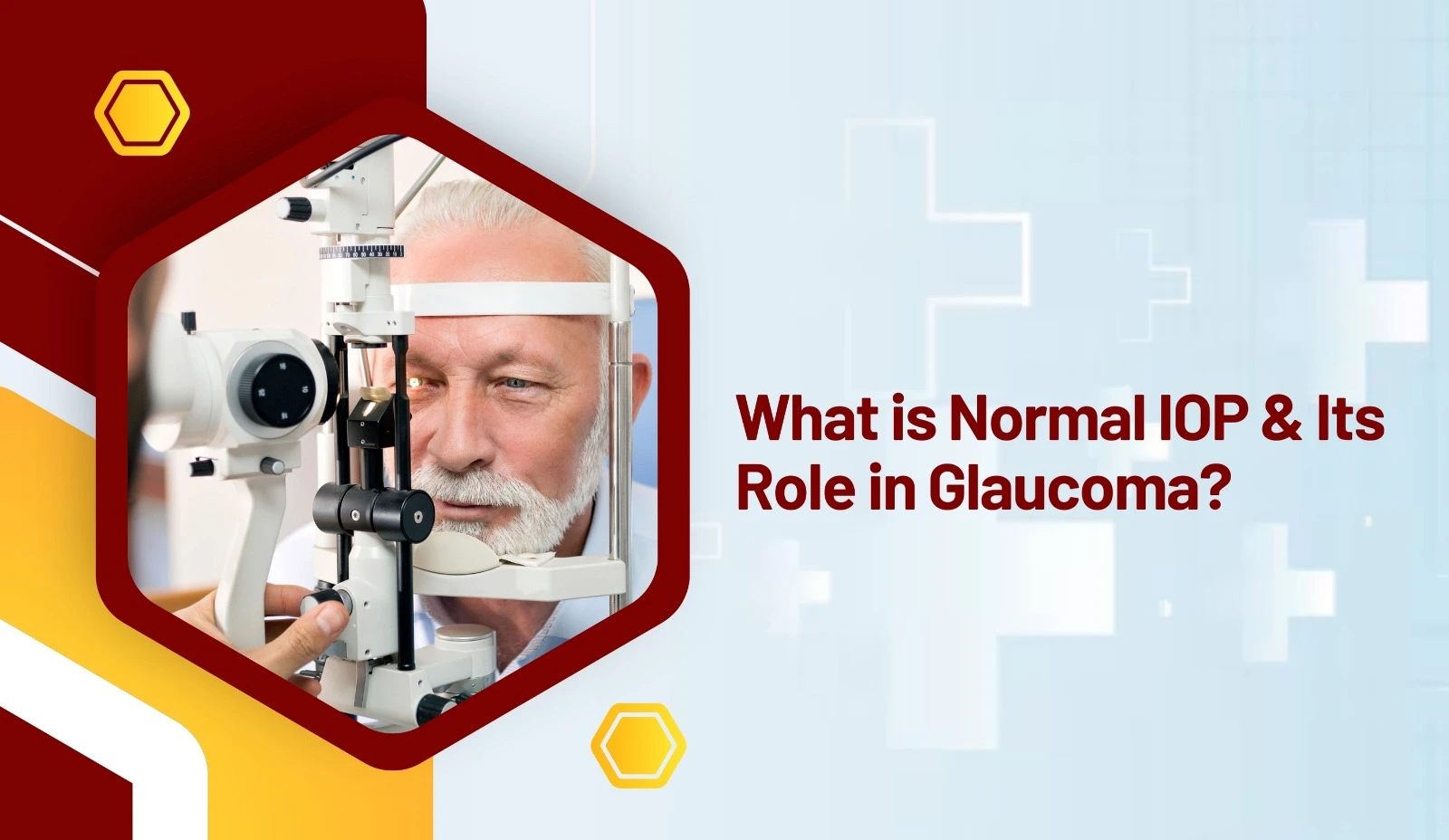
Also Read: What is Normal IOP & Its Role in Glaucoma?

Best Eye Hospital In Kolkata , Best ophthalmologist in Kolkata , Best Eye specialists in Kolkata , Top eye hospital in Kolkata , best Glaucoma treatment in Kolkata , Best Lasik surgery in Kolkata , Best Cataract Treatment in Kolkata , best cataract surgery in Kolkata , Lasik Surgery Cost in Kolkata , Cataract surgery in Kolkata , Cataract surgery cost in Kolkata , Glaucoma specialist in Kolkata , Refractive surgery in Kolkata , Lasik surgery in Kolkata, Treating Uveal Melanoma

What are the most common treatments for uveal melanoma?

The treatment of uveal melanoma, a rare but serious form of eye cancer, involves several approaches depending on the tumor’s size, location, and whether it has metastasized. Here are the most common treatments used for uveal melanoma:

1. Plaque Brachytherapy

Plaque brachytherapy is the most widely used treatment for uveal melanoma. In this procedure, a small radioactive plaque is surgically placed on the eye over the tumor. This localized radiation treatment allows for high doses of radiation to target the tumor while minimizing exposure to surrounding healthy tissues. The plaque is typically left in place for several days before being removed in a follow-up procedure. This method is preferred in many cases due to its effectiveness and the ability to preserve the eye.

2. Surgery

Surgical options vary based on the tumor’s characteristics:

  • Local Resection: This involves removing the tumor along with a small margin of healthy tissue. It is suitable for smaller tumors that have not spread significantly.
  • Enucleation: In cases where the tumor is large or has spread extensively, enucleation (removal of the entire eye) may be necessary. This procedure is often considered when vision cannot be preserved.
  • Exenteration: For tumors that have invaded surrounding structures beyond the eye, exenteration may be performed, which involves removing the eye and surrounding orbital tissues.

3. Radiation Therapy

In addition to plaque brachytherapy, other forms of radiation therapy may be employed:

  • Particle Beam Radiation: This technique uses charged particles (like protons) to target tumors with precision, reducing damage to surrounding tissues.
  • Gamma Knife Therapy: This non-invasive option uses focused gamma rays to treat small tumors effectively.

4. Thermotherapy

Thermotherapy involves applying heat to the tumor using laser technology. This technique can help destroy cancer cells and is often used in conjunction with other treatments like brachytherapy.

5. Photodynamic Therapy (PDT)

PDT combines a photosensitizing agent with light exposure to target and kill cancer cells. This approach is generally reserved for smaller tumors or those that are difficult to treat with traditional methods.

6. Watchful Waiting

For small tumors that are indeterminate and not cause symptoms, a strategy known as watchful waiting may be employed. This involves regular monitoring without immediate intervention until there are changes in size or symptoms.

7. Systemic Treatments

For patients with metastatic uveal melanoma, systemic therapies such as targeted therapy or immunotherapy may be considered. These treatments aim to activate the immune system against cancer cells or inhibit specific pathways that allow cancer growth.

The Importance of Early Diagnosis at the Best Eye Hospital in Kolkata

At Pushpanjali Eye Care, our team of specialists focuses on early detection and personalized treatment plans to ensure the best outcomes. As one of the best eye hospitals in Kolkata, we offer:

  • Advanced diagnostic techniques, including ultrasound biomicroscopy and optical coherence tomography.
  • State-of-the-art treatment methods, including plaque radiotherapy and laser photocoagulation.
  • Comprehensive post-treatment care to monitor and manage potential complications.
Best Eye Hospital In Kolkata , Best ophthalmologist in Kolkata , Best Eye specialists in Kolkata , Top eye hospital in Kolkata , best Glaucoma treatment in Kolkata , Best Lasik surgery in Kolkata , Best Cataract Treatment in Kolkata , best cataract surgery in Kolkata , Lasik Surgery Cost in Kolkata , Cataract surgery in Kolkata , Cataract surgery cost in Kolkata , Glaucoma specialist in Kolkata , Refractive surgery in Kolkata , Lasik surgery in Kolkata, Treating Uveal Melanoma

FAQ

  • What happens if uveal melanoma is not treated on time?
    Delayed treatment can lead to tumor growth, vision loss, secondary eye conditions, and even the spread of cancer to other organs.
  • Can uveal melanoma cause blindness?
    Yes, if left untreated, uveal melanoma can grow and damage the retina or optic nerve, leading to permanent vision loss.
  • Does uveal melanoma spread to other parts of the body?
    Yes, in advanced stages, it can metastasize, primarily to the liver, making treatment more complicated and reducing life expectancy.
  • What are the common complications of untreated uveal melanoma?
    Complications include glaucoma, retinal detachment, increased intraocular pressure, and, in some cases, the need for eye removal (enucleation).
  • Why is early detection crucial for uveal melanoma?
    Early diagnosis allows for less invasive treatment options, improves survival rates, and helps preserve vision, reducing severe complications.

Final Thoughts

Delays in treating uveal melanoma can lead to devastating consequences, including vision loss and metastasis. Seeking early medical intervention at a trusted facility like Pushpanjali Eye Care, the best eye hospital in Kolkata, ensures accurate diagnosis and timely treatment, improving patient outcomes. If you experience any unusual eye symptoms, schedule an appointment with our specialists today for a thorough examination and expert guidance.

Glaucoma Awareness: Discussing Common Myths

Glaucoma Awareness is essential to prevent vision loss. Learn about common myths, facts, and early detection strategies to protect your eyesight.

Glaucoma is one of the leading causes of irreversible blindness worldwide. However, there are many misconceptions about the condition that prevent people from seeking timely medical care. Due to its slow progression and lack of early symptoms, glaucoma is often called the “silent thief of sight.” Without proper awareness and regular eye check-ups, individuals may not realize they have glaucoma until significant vision loss has occurred.

Understanding the realities of glaucoma is crucial for early detection and effective treatment. In this article, we will address common myths, provide factual insights, and highlight why regular eye exams are essential for maintaining eye health.

What is Glaucoma?

Glaucoma is a group of eye diseases that damage the optic nerve, often due to increased intraocular pressure (IOP). This damage can lead to gradual vision loss and, if untreated, complete blindness.

There are different types of glaucoma, including:

  • Primary Open-Angle Glaucoma (POAG): The most common form, where drainage channels in the eye become gradually clogged, leading to increased eye pressure.
  • Angle-Closure Glaucoma: A sudden blockage of drainage canals that results in a rapid increase in eye pressure, requiring immediate medical attention.
  • Normal-Tension Glaucoma: Optic nerve damage occurs despite normal eye pressure levels.
  • Congenital Glaucoma: Present at birth due to improper eye development.

Despite the variations in glaucoma types, the key to prevention and management remains the same—regular eye check-ups and Glaucoma Awareness.

Common Myths and the Facts Behind Them

Myth 1: Glaucoma Only Affects Older Adults

  • Fact: While aging increases the risk of glaucoma, the condition can develop at any age. Even infants and young adults can be affected. Individuals with a family history of glaucoma should start eye check-ups earlier.

Myth 2: Clear Vision Means Healthy Eyes

  • Fact: Many people believe that as long as they can see clearly, their eyes are healthy. However, glaucoma progresses silently without noticeable symptoms in the early stages. A person can have perfect vision while glaucoma is damaging their optic nerve.

Myth 3: High Eye Pressure Always Means Glaucoma

  • Fact: While increased intraocular pressure is a major risk factor, not all individuals with high eye pressure develop glaucoma. Conversely, some people develop normal-tension glaucoma, where damage occurs despite normal pressure levels.

Myth 4: Glaucoma is Completely Curable

  • Fact: There is currently no cure for glaucoma. However, with early detection and treatment, its progression can be controlled, and vision loss can be minimized. Treatment options include eye drops, laser therapy, and surgery.

Myth 5: Glaucoma Only Affects One Eye

  • Fact: In most cases, glaucoma affects both eyes, although one eye may be affected more severely than the other. Regular monitoring ensures that both eyes are properly cared for.

Myth 6: If It Doesn’t Hurt, It’s Not Glaucoma

  • Fact: Most types of glaucoma, including open-angle glaucoma, do not cause pain or discomfort. Symptoms only appear once significant damage has occurred. Regular eye exams are essential for early detection.

Why Regular Eye Exams Are Essential

Since glaucoma can develop silently, routine eye exams are the best defense against vision loss. A comprehensive eye check-up typically includes:

  • Tonometry: Measures intraocular pressure to detect abnormalities.
  • Optic Nerve Examination: Assesses the health of the optic nerve for early signs of glaucoma.
  • Visual Field Test: Determines if there are blind spots or loss of peripheral vision.
  • Gonioscopy: Examines the drainage angle of the eye to classify the type of glaucoma.

The Role of Early Detection in Glaucoma Awareness

Early detection is critical in managing glaucoma and preventing permanent vision loss. Regular screenings help identify risk factors and initiate treatment before significant damage occurs.

Individuals at higher risk include:

  • People over the age of 40
  • Those with a family history of glaucoma
  • Individuals with diabetes or high blood pressure
  • People who have experienced eye injuries
  • Long-term users of steroid medications

Raising Glaucoma Awareness ensures that more individuals recognize these risks and take proactive steps toward maintaining their vision.

How to Reduce the Risk of Glaucoma

Although glaucoma cannot always be prevented, adopting a healthy lifestyle can lower the risk and slow its progression.

  • Schedule Regular Eye Exams: Early detection is key to preventing severe vision loss.
  • Maintain a Balanced Diet: Foods rich in vitamins A, C, and E, as well as omega-3 fatty acids, help support eye health.
  • Exercise Regularly: Moderate exercise improves blood circulation, including to the optic nerve.
  • Limit Caffeine and Avoid Smoking: Caffeine can cause temporary eye pressure spikes, while smoking increases the risk of optic nerve damage.
  • Protect Your Eyes: Wearing sunglasses and reducing screen exposure can help maintain overall eye health.
Glaucoma Awareness

FAQs on Glaucoma Awareness

Q1: Can glaucoma be prevented?

  • While it cannot be fully prevented, early detection and proper management can significantly slow its progression.

Q2: How often should I get my eyes checked for glaucoma?

  • If you are over 40 or have risk factors, an eye exam every 1-2 years is recommended. Those at higher risk may need more frequent check-ups.

Q3: Does glaucoma always lead to blindness?

  • No, but if left untreated, it can cause permanent vision loss. Early treatment helps preserve sight.

Q4: Can glaucoma be treated with eye drops alone?

  • In early stages, prescription eye drops may help control eye pressure. However, advanced cases may require laser therapy or surgery.

Q5: Is glaucoma hereditary?

  • Yes, having a family history of glaucoma increases the risk. Regular screenings are essential for early detection.

Don’t Let Glaucoma Steal Your Sight – Act Early!

Glaucoma is a serious eye condition that can lead to irreversible blindness if left untreated. The myths surrounding glaucoma often prevent individuals from seeking timely medical attention, making Glaucoma Awareness more important than ever.

By understanding the facts and recognizing the importance of regular eye check-ups, individuals can take proactive steps to protect their vision. Early detection and proper management can slow the progression of the disease and preserve eyesight for years to come.

If you or someone you know is at risk, scheduling an eye exam with a trusted eye specialist is the best course of action. Regular monitoring and early intervention remain the most effective strategies for preventing glaucoma-related vision loss.

Understanding Pediatric Glaucoma: Early Signs and Treatment

Glaucoma is commonly associated with older adults, but it can also affect children. Pediatric glaucoma is a rare yet serious eye disease that increases intraocular pressure (IOP), which can damage the optic nerve and lead to vision loss if left untreated. Since young children cannot always express vision problems, it is essential for parents and caregivers to recognize early symptoms and seek timely medical intervention.

This guide explores understanding pediatric glaucoma, its causes, warning signs, available treatments, and the importance of early diagnosis.

Pediatric Glaucoma

What is Pediatric Glaucoma?

Pediatric glaucoma, also referred to as congenital or childhood glaucoma, occurs due to improper development of the eye’s drainage system. This results in fluid buildup, leading to increased intraocular pressure that can permanently damage the optic nerve.

Types of Pediatric Glaucoma

Pediatric glaucoma is classified into different types based on its cause and the child’s age at diagnosis:

  • Primary Congenital Glaucoma (PCG)
    • Occurs due to an abnormal development of the eye’s drainage system before birth.
    • Typically diagnosed within the first year of life.
    • More common in boys than girls.
  • Secondary Pediatric Glaucoma
    • Develops as a result of another condition, eye injury, or previous eye surgery.
    • Associated with systemic diseases like Sturge-Weber Syndrome or neurofibromatosis.
    • Can also occur due to steroid use or trauma.
  • Juvenile Open-Angle Glaucoma (JOAG)
    • Develops in older children and teenagers.
    • Similar to adult open-angle glaucoma but progresses faster.
    • Often linked to genetic factors.

While pediatric glaucoma is uncommon, affecting approximately 1 in 10,000 births, it requires immediate attention to prevent long-term vision impairment.

Causes of Pediatric Glaucoma

The exact cause of pediatric glaucoma varies, but some common factors include:

  • Genetic Mutations – Some cases are inherited, especially primary congenital glaucoma.
  • Developmental Abnormalities – Incomplete development of the trabecular meshwork, which drains eye fluid.
  • Eye Trauma – Injuries that disrupt the normal function of the drainage system.
  • Underlying Medical Conditions – Certain syndromes and metabolic disorders increase the risk of glaucoma.
  • Use of Steroid Medications – Prolonged use of steroid eye drops or systemic steroids can elevate IOP.

Understanding these causes can help parents and healthcare providers take proactive steps in managing the condition.

Early Signs and Symptoms of Pediatric Glaucoma

Since children, especially infants, cannot describe vision problems, parents should watch for the following symptoms:

  • Excessive tearing (epiphora) – Persistent watery eyes without infection.
  • Light sensitivity (photophobia) – The child frequently avoids bright light.
  • Cloudy or hazy cornea – The normally clear cornea appears white or grayish.
  • Abnormally large eyes (buphthalmos) – One or both eyes may appear bigger than normal.
  • Frequent eye rubbing or squinting – Suggests discomfort or difficulty seeing clearly.
  • Poor visual tracking – The child struggles to follow objects or focus on people.
  • Unusual blinking patterns – Excessive blinking, especially in response to light.

If a child exhibits any of these symptoms, it is crucial to consult an eye specialist immediately.

Pediatric Glaucoma

How is Pediatric Glaucoma Diagnosed?

Diagnosing pediatric glaucoma involves a series of comprehensive eye tests, often requiring sedation for younger children. These include:

  • Intraocular Pressure (IOP) Measurement – Determines the pressure inside the eye.
  • Corneal Examination – Detects abnormalities like cloudiness or enlargement.
  • Gonioscopy – Examines the drainage angle of the eye to assess fluid flow.
  • Optic Nerve Evaluation – Checks for signs of damage to the optic nerve.
  • Ocular Ultrasound – Used when corneal clouding prevents direct examination of the eye’s internal structures.

Early diagnosis significantly improves the chances of managing the disease and preserving vision.

Treatment Options for Pediatric Glaucoma

Surgical Treatments (Preferred for Most Pediatric Cases)

Since medication alone is rarely effective, surgery is often required to create proper drainage pathways for fluid to exit the eye. The most common surgical procedures include:

  • Goniotomy – A small incision is made in the trabecular meshwork to improve fluid drainage.
  • Trabeculotomy – Similar to goniotomy but performed externally to enhance outflow.
  • Trabeculectomy – A tiny flap is created in the eye’s wall to allow excess fluid to drain.
  • Glaucoma Drainage Devices – Tiny implants are inserted to regulate eye pressure.

Surgical success rates are generally high, but some children may require multiple procedures.

Medications (Used in Mild Cases or Pre-Surgery)

Although medications cannot cure pediatric glaucoma, they help lower eye pressure temporarily before or after surgery. Commonly used medications include:

  • Beta-Blockers – Reduce fluid production in the eye.
  • Carbonic Anhydrase Inhibitors – Decrease intraocular pressure.
  • Prostaglandin Analogs – Improve drainage through alternative pathways.

Post-Treatment and Long-Term Care

  • Regular follow-up visits to monitor eye pressure and optic nerve health.
  • Vision therapy or prescription glasses if vision impairment occurs.
  • Ongoing parental education on managing symptoms and recognizing complications.

Since pediatric glaucoma is a lifelong condition, continuous care is necessary to prevent vision deterioration.

Can Pediatric Glaucoma Be Prevented?

While pediatric glaucoma itself cannot always be prevented, parents can take steps to minimize risks:

  • Schedule routine pediatric eye exams for early detection.
  • Monitor for symptoms if there is a family history of glaucoma.
  • Avoid prolonged steroid use without medical supervision.
  • Seek immediate medical attention if signs of eye discomfort appear.

Early diagnosis and intervention remain the best ways to prevent severe vision loss.

Understanding Pediatric Glaucoma and Finding the Best Treatment

Since pediatric glaucoma requires specialized care, parents should seek treatment at an experienced eye hospital with advanced pediatric ophthalmology services. Choosing a facility equipped with state-of-the-art diagnostic tools and skilled ophthalmologists ensures accurate diagnosis and effective treatment. Advanced surgical techniques and continuous monitoring play a crucial role in managing the condition and preserving a child’s vision.

Pediatric Glaucoma

Frequently Asked Questions (FAQs)

1. Can pediatric glaucoma be cured?

There is no complete cure, but with early treatment, the disease can be managed effectively to preserve vision.

2. What is the success rate of glaucoma surgery in children?

Surgical success rates are high, but some children may require multiple procedures.

3. Is pediatric glaucoma hereditary?

In some cases, genetic factors play a role, particularly in primary congenital glaucoma.

4. Can a child with glaucoma lead a normal life?

Yes, with proper treatment and ongoing monitoring, many children with glaucoma can have good vision and lead normal lives.

5. How often should a child with glaucoma have eye checkups?

Regular follow-ups every 3 to 6 months are essential to monitor eye pressure and prevent complications.

Ensuring a Brighter Future with Early Pediatric Glaucoma Care

Understanding pediatric glaucoma is crucial for early diagnosis and treatment. Although rare, this condition can lead to permanent vision loss if left untreated. Parents should be aware of the warning signs and seek prompt medical attention if they notice any symptoms.
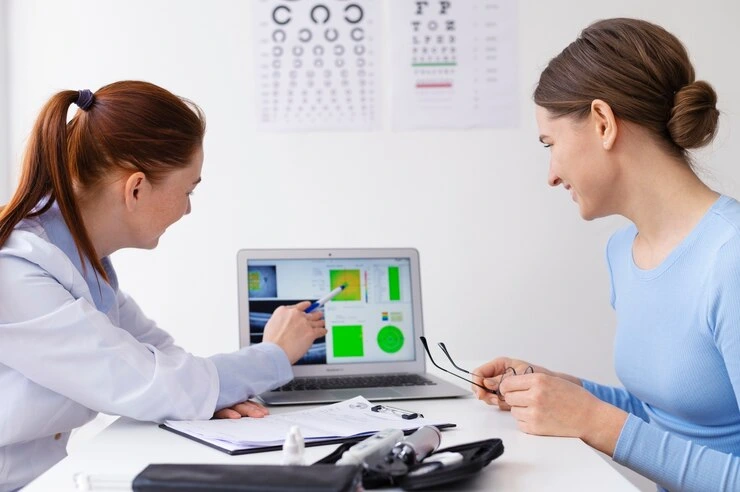
With advancements in surgical techniques and specialized pediatric eye care, children diagnosed with glaucoma can still enjoy a healthy visual future. Early intervention, regular monitoring, and expert medical care are key to preserving their vision.

For those seeking specialized pediatric glaucoma treatment, it is essential to choose a trusted eye care center that offers expert diagnosis and comprehensive care. Access to experienced pediatric ophthalmologists, advanced diagnostic tools, and personalized treatment plans can significantly improve outcomes and help preserve a child’s vision.

What is Normal IOP & Its Role in Glaucoma?

Hello Reader!

Welcome to the blog page of Pushpanjali Eye Care, one of the best eye hospital in Kolkata.

Eye health is crucial for overall well-being, and one of the key factors in maintaining good vision is monitoring intraocular pressure (IOP). At Pushpanjali Eye Care, the best eye hospital in Kolkata, we emphasize the importance of understanding Normal IOP and its role in detecting and managing glaucoma.

Best Eye Hospital In Kolkata , Best ophthalmologist in Kolkata , Best Eye specialists in Kolkata , Top eye hospital in Kolkata , best Glaucoma treatment in Kolkata , Best Lasik surgery in Kolkata , Best Cataract Treatment in Kolkata , best cataract surgery in Kolkata , Lasik Surgery Cost in Kolkata , Cataract surgery in Kolkata , Cataract surgery cost in Kolkata , Glaucoma specialist in Kolkata , Refractive surgery in Kolkata , Lasik surgery in Kolkata, Normal IOP

What is Intraocular Pressure (IOP)?

Intraocular pressure (IOP) is the fluid pressure inside the eye, essential for maintaining the eye’s shape and function. It results from the balance between the production and drainage of aqueous humor, the clear fluid inside the eye.

  • Normal IOP: Typically ranges between 10-21 mmHg (millimeters of mercury).
  • High IOP: Readings above 21 mmHg may indicate a risk for glaucoma.
  • Low IOP: Readings below 10 mmHg can also be concerning, potentially indicating ocular hypotony.

What is the Role of Normal IOP in Glaucoma?

Glaucoma is a group of eye diseases that damage the optic nerve, often due to increased IOP. However, not all cases of glaucoma are linked to high IOP.

1. Primary Open-Angle Glaucoma (POAG)

  • The most common type of glaucoma.
  • Develops gradually with an increase in IOP in glaucoma, damaging the optic nerve.
  • No early symptoms, making regular eye check-ups crucial.

2. Normal-Tension Glaucoma (NTG)

  • Optic nerve damage occurs even when IOP remains within the normal range.
  • Believed to be caused by poor blood flow to the optic nerve.
  • Regular monitoring of Normal IOP is necessary for early detection.

3. Angle-Closure Glaucoma

  • A sudden increase in IOP due to blocked drainage channels.
  • It can cause severe pain, headaches, and vision loss if untreated.
Best Eye Hospital In Kolkata , Best ophthalmologist in Kolkata , Best Eye specialists in Kolkata , Top eye hospital in Kolkata , best Glaucoma treatment in Kolkata , Best Lasik surgery in Kolkata , Best Cataract Treatment in Kolkata , best cataract surgery in Kolkata , Lasik Surgery Cost in Kolkata , Cataract surgery in Kolkata , Cataract surgery cost in Kolkata , Glaucoma specialist in Kolkata , Refractive surgery in Kolkata , Lasik surgery in Kolkata, Normal IOP

Why is Monitoring IOP in Glaucoma Important?

Maintaining normal IOP is vital to prevent optic nerve damage. Early detection through regular eye exams at Pushpanjali Eye Care, the best eye hospital in Kolkata, can help prevent vision loss.

Methods to Measure IOP

Various techniques are used to measure IOP, including:

  • Goldmann Applanation Tonometry – The most accurate and widely used method.
  • Non-contact tonometry (NCT) – Uses a puff of air to measure IOP.
  • Tono-Pen – A portable device that provides quick readings.

How to Maintain Normal IOP and Reduce the Risk of Glaucoma?

To keep IOP in a healthy range and reduce the risk of glaucoma:

  1. Regular Eye Check-Ups – These are Essential for early detection and monitoring.
  2. Healthy Diet – Foods rich in antioxidants and omega-3s can support eye health.
  3. Exercise – Moderate exercise can help regulate eye pressure.
  4. Avoid Excessive Screen Time – Reduces eye strain and maintains optimal fluid balance.
  5. Proper Hydration Helps maintain overall eye health.

Also Read: How to identify between Glaucoma or Cataract?

Best Eye Hospital In Kolkata , Best ophthalmologist in Kolkata , Best Eye specialists in Kolkata , Top eye hospital in Kolkata , best Glaucoma treatment in Kolkata , Best Lasik surgery in Kolkata , Best Cataract Treatment in Kolkata , best cataract surgery in Kolkata , Lasik Surgery Cost in Kolkata , Cataract surgery in Kolkata , Cataract surgery cost in Kolkata , Glaucoma specialist in Kolkata , Refractive surgery in Kolkata , Lasik surgery in Kolkata, Normal IOP

What are the risk factors for developing normal tension glaucoma?

Normal Tension Glaucoma (NTG) is a type of glaucoma where optic nerve damage occurs despite normal intraocular pressure (IOP). Several risk factors contribute to the development of NTG:

1. Demographic Factors

  • Age: NTG patients tend to be older than those with primary open-angle glaucoma (POAG).
  • Gender: Women have a higher prevalence of NTG.
  • Ethnicity: Individuals of Japanese ancestry are at a higher risk, with studies showing that up to 92% of glaucoma cases in this population are NTG.

2. Systemic Health Conditions

  • Vascular Dysregulation: Conditions like migraine headaches, Raynaud’s syndrome, and nocturnal systemic hypotension are associated with NTG.
  • Diabetes: The Presence of diabetes is linked to structural progression in NTG.
  • Systemic Hypertension: Over-treated systemic hypertension can contribute to NTG.

3. Ocular Characteristics

  • Thin Cornea: A thin cornea is a risk factor for both NTG and high-pressure glaucoma.
  • Structural Anomalies: Features such as disc torsion, thinner lamina cribrosa, and larger axial length are predictive of NTG development.
  • Disc Hemorrhages: Occurrence of disc hemorrhages is associated with structural progression in NTG.

4. Family History

  • Genetic Predisposition: A family history of glaucoma increases the risk of developing NTG.

5. Other Factors

  • Sleep Apnea: This condition is associated with both NTG and POAG.
  • Low Blood Pressure: Low diastolic blood pressure and low minimum systolic blood pressure are risk factors for NTG progression.
Best Eye Hospital In Kolkata , Best ophthalmologist in Kolkata , Best Eye specialists in Kolkata , Top eye hospital in Kolkata , best Glaucoma treatment in Kolkata , Best Lasik surgery in Kolkata , Best Cataract Treatment in Kolkata , best cataract surgery in Kolkata , Lasik Surgery Cost in Kolkata , Cataract surgery in Kolkata , Cataract surgery cost in Kolkata , Glaucoma specialist in Kolkata , Refractive surgery in Kolkata , Lasik surgery in Kolkata, Normal IOP

How can diurnal fluctuations in IOP affect glaucoma management?

Diurnal fluctuations in intraocular pressure (IOP) play a significant role in glaucoma management. These fluctuations refer to the changes in IOP throughout the day, which can impact the progression of glaucoma.

Impact of Diurnal Fluctuations on Glaucoma

  1. Risk of Visual Field Loss: Studies have shown that large diurnal fluctuations in IOP increase the risk of visual field loss in patients with glaucoma. For example, a study found that patients with a diurnal IOP range of 5.4 mmHg had a six times higher risk of disease progression compared to those with a range of 3.1 mmHg.
  2. Glaucoma Progression: Diurnal IOP fluctuations are considered an independent risk factor for glaucoma progression. Even if the mean IOP is within a target range, significant fluctuations can still lead to optic nerve damage and visual field deterioration.
  3. Monitoring and Management: Monitoring diurnal IOP fluctuations can improve glaucoma management. By identifying patterns of IOP variation, healthcare providers can tailor treatment strategies to minimize fluctuations and reduce the risk of glaucoma progression.
  4. Treatment Adjustments: Understanding diurnal IOP patterns can help in adjusting treatment timing and dosage. For instance, medications can be timed to coincide with periods of expected IOP peaks, ensuring better control throughout the day.

Practical Considerations for Glaucoma Management

  • 24-Hour IOP Monitoring: Ideally, monitoring IOP over a full 24-hour cycle provides the most comprehensive data. However, this is often impractical outside of clinical settings. Diurnal IOP curves, which include measurements at different times of the day, can serve as a useful alternative.
  • Office Hour Measurements: Traditional office hour measurements may not capture the full extent of IOP fluctuations. Including supine measurements, especially in the early morning, can help identify nocturnal IOP peaks that might not be evident during daytime visits.
Best Eye Hospital In Kolkata , Best ophthalmologist in Kolkata , Best Eye specialists in Kolkata , Top eye hospital in Kolkata , best Glaucoma treatment in Kolkata , Best Lasik surgery in Kolkata , Best Cataract Treatment in Kolkata , best cataract surgery in Kolkata , Lasik Surgery Cost in Kolkata , Cataract surgery in Kolkata , Cataract surgery cost in Kolkata , Glaucoma specialist in Kolkata , Refractive surgery in Kolkata , Lasik surgery in Kolkata, Normal IOP

What diagnostic tests are most effective for detecting normal tension glaucoma?

Detecting Normal Tension Glaucoma (NTG) requires a combination of diagnostic tests to identify optic nerve damage and assess visual field loss despite normal intraocular pressure (IOP). Here are some of the most effective diagnostic tests for NTG:

1. Ophthalmoscopy (Dilated Eye Exam)

This test involves dilating the pupil to examine the optic nerve for signs of damage, such as cupping or thinning of the nerve fiber layer. It is crucial for assessing the health of the optic nerve and detecting early changes associated with NTG.

2. Optical Coherence Tomography (OCT)

OCT is a non-invasive imaging technique that measures the thickness of the retinal nerve fiber layer (RNFL) and optic disc parameters. It is highly effective for detecting subtle changes in the optic nerve and RNFL, which are indicative of glaucoma progression.

3. Visual Field Testing (Perimetry)

This test maps the field of vision to detect any areas of vision loss, which is a hallmark of glaucoma progression. Regular perimetry tests help monitor changes in vision over time.

4. Gonioscopy

Although NTG is typically associated with an open drainage angle, gonioscopy is still performed to rule out other types of glaucoma and assess the angle’s status.

5. Pachymetry

Measuring corneal thickness is important because it can affect IOP readings. A thin cornea may lead to the underestimation of true IOP, which is relevant in NTG patients where IOP is already within the normal range.

Best Eye Hospital In Kolkata , Best ophthalmologist in Kolkata , Best Eye specialists in Kolkata , Top eye hospital in Kolkata , best Glaucoma treatment in Kolkata , Best Lasik surgery in Kolkata , Best Cataract Treatment in Kolkata , best cataract surgery in Kolkata , Lasik Surgery Cost in Kolkata , Cataract surgery in Kolkata , Cataract surgery cost in Kolkata , Glaucoma specialist in Kolkata , Refractive surgery in Kolkata , Lasik surgery in Kolkata, Normal IOP

How is normal tension glaucoma diagnosed?

Normal Tension Glaucoma (NTG) is diagnosed using a combination of clinical examinations and tests, focusing on identifying characteristic changes in the optic nerve and visual field despite normal intraocular pressure (IOP). Here are the key diagnostic methods:

1. Ophthalmoscopy (Dilated Eye Exam)

A dilated eye exam allows the doctor to inspect the optic nerve for signs of damage, such as cupping or thinning of the nerve fiber layer. This is crucial for assessing the health of the optic nerve and detecting early changes associated with NTG.

2. Visual Field Testing (Perimetry)

This test maps the field of vision to detect any areas of vision loss, which is a hallmark of glaucoma progression. NTG patients often have visual field abnormalities closer to the center of vision.

3. Tonometry

IOP is measured using tonometry to confirm that it falls within the normal range (typically 10-21 mmHg). Multiple measurements throughout the day may be taken to ensure that IOP remains normal at all times.

4. Optical Coherence Tomography (OCT)

OCT is used to measure the thickness of the retinal nerve fiber layer and assess optic disc parameters, providing detailed images of the optic nerve’s structure.

5. Gonioscopy

Although NTG is characterized by an open drainage angle, gonioscopy is performed to rule out other types of glaucoma and confirm the angle’s status.

6. Pachymetry

Measuring corneal thickness is important because it can affect IOP readings and is part of a comprehensive diagnostic approach.

Additional Considerations

  • Vascular and Systemic Factors: NTG patients often have signs of vascular dysregulation, such as migraines, low blood pressure, or cold hands and feet. These factors can indicate increased susceptibility to optic nerve damage.
  • Family History: A family history of glaucoma is a significant risk factor for NTG.
Best Eye Hospital In Kolkata , Best ophthalmologist in Kolkata , Best Eye specialists in Kolkata , Top eye hospital in Kolkata , best Glaucoma treatment in Kolkata , Best Lasik surgery in Kolkata , Best Cataract Treatment in Kolkata , best cataract surgery in Kolkata , Lasik Surgery Cost in Kolkata , Cataract surgery in Kolkata , Cataract surgery cost in Kolkata , Glaucoma specialist in Kolkata , Refractive surgery in Kolkata , Lasik surgery in Kolkata, Normal IOP

What treatments are available for normal tension glaucoma?

Normal Tension Glaucoma (NTG) is treated similarly to other forms of glaucoma, with the primary goal of reducing intraocular pressure (IOP) to slow disease progression. Here are some available treatments for NTG:

1. Medications

  • Prostaglandin Analogs: These are often used as first-line therapy due to their effectiveness in reducing IOP. Examples include latanoprost, travoprost, and bimatoprost.
  • Alpha2 Agonists: Brimonidine is another option, which may offer neuroprotective benefits.
  • Carbonic Anhydrase Inhibitors (CAIs): These can be used alone or in combination with other medications.
  • Beta Blockers: While effective in lowering IOP, they may have systemic side effects and are often used as a second-line treatment.

2. Laser Treatments

  • Laser Trabeculoplasty: This procedure can provide better diurnal control than some medications but may have limited effectiveness in NTG patients with very low baseline IOP.
  • Selective Laser Trabeculoplasty (SLT): Studies have shown that SLT can reduce the number of medications needed and lower IOP in NTG patients.
  • Micropulse Laser Cyclophotocoagulation: This treatment has shown promise in reducing IOP in NTG patients with minimal side effects.

3. Surgery

  • Trabeculectomy: Surgical intervention may be necessary if medical and laser treatments are insufficient to control IOP.

4. Neuroprotective Strategies

While not yet proven effective in humans, research into neuroprotective treatments aims to address IOP-independent risk factors in NTG.

Best Eye Hospital In Kolkata , Best ophthalmologist in Kolkata , Best Eye specialists in Kolkata , Top eye hospital in Kolkata , best Glaucoma treatment in Kolkata , Best Lasik surgery in Kolkata , Best Cataract Treatment in Kolkata , best cataract surgery in Kolkata , Lasik Surgery Cost in Kolkata , Cataract surgery in Kolkata , Cataract surgery cost in Kolkata , Glaucoma specialist in Kolkata , Refractive surgery in Kolkata , Lasik surgery in Kolkata, Normal IOP

FAQ

1. What is considered Normal IOP?

Normal intraocular pressure ranges between 10-21 mmHg. Readings above or below this range may require medical attention.

2. Can glaucoma occur even if my IOP is normal?

Yes, Normal-Tension Glaucoma (NTG) occurs when optic nerve damage happens despite IOP being within the normal range.

3. How often should I get my IOP checked?

It is recommended to have an eye check-up at least once a year, especially if you have risk factors for glaucoma.

4. What symptoms indicate high IOP or glaucoma?

The early stages may have no symptoms, but later stages can cause blurred vision, eye pain, and vision loss.

5. Where can I get the best glaucoma screening in Kolkata?

Pushpanjali Eye Care, the best eye hospital in Kolkata, offers advanced glaucoma screening and treatment.

Why Choose Pushpanjali Eye Care?

  • One of the best eye hospitals in Kolkata, equipped with advanced diagnostic tools.
  • Expert ophthalmologists specializing in IOP management and glaucoma treatment.
  • Comprehensive eye care services for early detection and prevention.

Conclusion

Understanding Normal IOP and its role in IOP in Glaucoma is essential for preventing vision loss. Regular monitoring and timely intervention can protect your eyesight. If you are at risk or experiencing symptoms of glaucoma, visit Pushpanjali Eye Care, the best eye hospital in Kolkata, for expert consultation and treatment. Your vision is our priority!
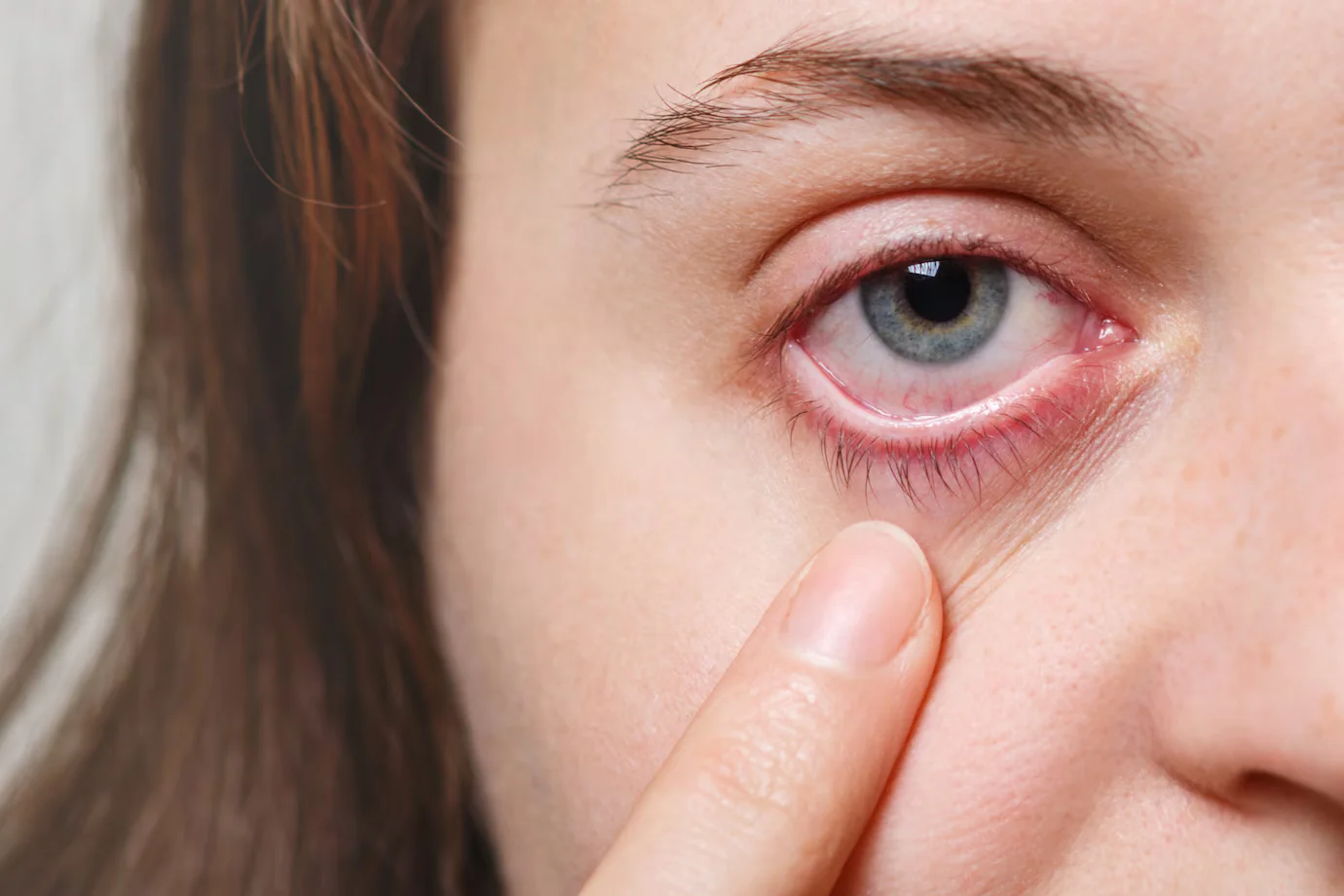
How Diabetes Increases the Risk of Glaucoma and Cataract?

Diabetes is a chronic condition that affects tens of millions of people globally. While its impact on blood sugar levels is well-known, many are unaware of the diabetes and eye health risks it poses. Individuals with diabetes are at a significantly higher risk of developing serious eye conditions such as glaucoma and cataracts.

Understanding the connection between diabetes and eye health risks is essential for preventing long-term vision problems and ensuring overall well-being. Let’s explore how diabetes influences these conditions and what steps you can take to protect your eyes.

diabetes and eye health risks

How Does Diabetes Affect Eye Health?

Diabetes can cause damage to various parts of the eye, increasing the risk of several vision-related complications. Elevated blood sugar levels affect the delicate blood vessels in the eyes, potentially leading to conditions such as:

  • Diabetic Retinopathy – Damage to the retina due to leaking blood vessels.
  • Diabetic Macular Edema (DME) – Swelling in the macula that impairs vision.
  • Glaucoma – A condition that damages the optic nerve, often due to pressure buildup.
  • Cataracts – Clouding of the eye’s natural lens, affecting clarity.

Among these, glaucoma and cataracts are two major concerns for people with diabetes.

Understanding Glaucoma: Why Diabetes Increases the Risk

Glaucoma occurs when increased pressure within the eye (intraocular pressure) damages the optic nerve. This condition often develops gradually, showing no symptoms in the early stages.

Why Diabetes Increases Glaucoma Risk

People with diabetes are more prone to developing neovascular glaucoma, a rare but serious form of glaucoma. Here’s why:

Poor Blood Circulation: Diabetes can restrict blood flow to the retina, prompting the growth of abnormal blood vessels that block eye drainage channels.

Increased Eye Pressure: Diabetes can lead to fluid buildup inside the eye, raising intraocular pressure and damaging the optic nerve.

Weakened Blood Vessels: Damaged blood vessels are more prone to leaking and inflammation, further contributing to glaucoma risks.

Symptoms of Glaucoma to Watch For

Since glaucoma often shows no early signs, regular eye checkups are crucial. However, watch for these symptoms:

  • Blurred vision
  • Severe eye pain
  • Headaches
  • Halos around lights
  • Sudden vision loss

Understanding Cataracts: Why Diabetes Increases the Risk

Cataracts motive the lens of the eye to become cloudy, impairing vision. While cataracts are common with aging, individuals with diabetes are at risk of developing them earlier and at a faster rate.

Why Diabetes Increases Cataract Risk

High Blood Sugar Levels: Excess glucose can accumulate in the eye’s lens, causing it to swell and become cloudy.

Oxidative Stress: Diabetes increases oxidative damage in eye tissues, accelerating cataract formation.

Protein Build-up: Elevated sugar levels may lead to protein deposits on the lens, reducing clarity.

Symptoms of Cataracts to Watch For

  • Blurred or dim vision
  • Sensitivity to light
  • Difficulty seeing at night
  • Fading or yellowing of colors
  • Frequent changes in prescription glasses

Proactive measures can help you manage diabetes and eye health risks effectively. Here are key strategies:

1. Maintain Healthy Blood Sugar Levels

  • Monitor your blood sugar regularly and aim to keep it within your target range.
  • Follow a balanced diet with minimal processed sugar and refined carbs.

2. Schedule Regular Eye Exams

  • People with diabetes should have comprehensive eye checkups at least once a year.
  • Early detection of glaucoma, cataracts, or other eye conditions improves treatment outcomes.

3. Control Blood Pressure and Cholesterol

  • Elevated blood pressure and cholesterol can worsen diabetic eye complications.
  • Lifestyle changes and prescribed medications can help keep these levels in check.

4. Wear UV-Protective Sunglasses

  • Prolonged exposure to UV rays can accelerate cataract development.
  • Choose sunglasses that block 100% of UVA and UVB rays for optimal protection.

5. Adopt a Healthy Lifestyle

  • Engage in regular physical activity to improve circulation and overall eye health.
  • Quit smoking, as it can increase the risk of diabetic eye complications.

Also read:- How to identify between Glaucoma or Cataract?

1. Glaucoma Treatment

Managing glaucoma often involves:

  • Prescription Eye Drops: To reduce intraocular pressure.
  • Laser Therapy: Helps improve fluid drainage.
  • Surgical Procedures: For severe cases to create new drainage channels.

2. Cataract Treatment

  • Mild cataracts may be managed with stronger glasses or improved lighting.
  • In advanced cases, cataract surgery is the only effective solution. This procedure replaces the cloudy lens with an artificial one to restore clear vision.
Diabetes and Eye Health Risks

FAQs About Diabetes and Eye Health Risks

1. How often should people with diabetes have their eyes checked?

Individuals with diabetes should schedule a comprehensive eye exam at least once a year, even if their vision seems fine.

2. Can controlling blood sugar completely prevent glaucoma or cataracts?

While proper blood sugar management greatly reduces the risk, it may not eliminate it entirely. Regular eye exams remain essential.

3. Are diabetic eye conditions reversible?

Conditions like early-stage cataracts may be improved with lifestyle changes, but advanced cases often require medical intervention.

Maintaining a healthy diet, exercising regularly, and avoiding smoking can significantly reduce your risk.

5. Can children with diabetes develop glaucoma or cataracts?

While rare, children with type 1 diabetes may be at risk. Regular pediatric eye exams are crucial.

Protect Your Vision: Manage Diabetes and Eye Health Risks Wisely

Diabetes can significantly increase the risk of glaucoma, cataracts, and other eye conditions. However, with proper blood sugar control, regular eye checkups, and a healthy lifestyle, you can minimize these risks effectively.

Consulting with specialists at the Best Eye Hospital in Kolkata ensures you receive expert care tailored to your needs. By staying proactive about your eye health, you can protect your vision and enjoy a clearer, healthier future.

How to identify between Glaucoma or Cataract?

Hello Reader!

Welcome to the blog page of Pushpanjali Eye Care, one of the best eye hospital in Kolkata.

When it comes to vision problems, two of the most common yet often misunderstood conditions are Glaucoma and Cataract. Both affect eyesight, particularly in aging individuals, but they have distinct causes, symptoms, and treatments. Early diagnosis is crucial in both cases, as timely intervention can prevent severe vision impairment. If you are experiencing blurry vision or other visual disturbances, it is essential to know how to identify between Glaucoma or Cataract to seek the right treatment at the best eye hospital in Kolkata.

Best Astrologer in India , Dr Sohini Sastri , Best Astrologer in Kolkata , Best Astrologer in West Bengal , best Bengali Astrologer, Glaucoma or Cataract

Understanding Glaucoma and Cataract

Before learning how to identify between Glaucoma or Cataract, let’s briefly understand what these conditions are:

  • Glaucoma is a group of eye diseases that damage the optic nerve, usually due to high intraocular pressure. If left untreated, it can cause permanent vision loss.
  • Cataract is the clouding of the eye’s natural lens, which gradually reduces vision. It develops over time and can be treated with surgery.

Key Differences: Glaucoma vs Cataract

FeatureGlaucomaCataract
CauseHigh eye pressure damaging the optic nerveClouding of the eye’s lens due to aging or other factors
Vision SymptomsPeripheral vision loss, tunnel vision, blurry vision, eye painBlurred vision, faded colors, difficulty seeing at night, glare sensitivity
OnsetGradual, often unnoticed until significant damage occursSlowly progressing, causing noticeable visual clouding
PainMay cause eye pain, headaches (in acute cases)Painless but results in cloudy vision
TreatmentEye drops, laser treatment, or surgery to reduce pressureSurgery to replace the clouded lens with an artificial one

How to Identify Between Glaucoma or Cataract?

If you are unsure whether you have Glaucoma or Cataract, here are some signs to help differentiate:

  1. Blurry Vision vs Peripheral Vision Loss
    • If you experience blurry, cloudy vision that gradually worsens, it may be a cataract.
    • If you notice loss of peripheral (side) vision or tunnel vision, it is more likely glaucoma.
  2. Eye Pressure and Pain
    • Glaucoma can cause eye pain, pressure, and headaches, especially in acute cases.
    • Cataracts do not cause pain but can make your vision appear foggy.
  3. Light Sensitivity and Halos
    • If you see halos around lights, it can be a sign of glaucoma or cataracts.
    • Glaucoma causes glare sensitivity due to optic nerve damage, while cataract leads to glare due to lens clouding.
  4. Color Perception
    • Cataracts can cause faded or yellowed colors over time.
    • Glaucoma does not directly affect color perception but can cause vision dimming.
  5. Progression and Treatment Response
    • Cataracts worsen gradually but can be fully corrected with surgery.
    • Glaucoma requires continuous management to prevent further vision loss, as lost vision cannot be restored.
Best Astrologer in India , Dr Sohini Sastri , Best Astrologer in Kolkata , Best Astrologer in West Bengal , best Bengali Astrologer, Glaucoma or Cataract

How can I tell if my vision loss is due to glaucoma or cataracts?

Determining whether your vision loss is due to Glaucoma or Cataracts involves understanding the distinct symptoms and diagnostic methods for each condition. Here’s a guide to help you differentiate between them:

Symptoms

  • Cataracts:
    • Cloudy or Blurred Vision: Gradual onset, often described as a veil over the eyes.
    • Faded Colors: Colors appear less vibrant.
    • Glare Sensitivity: Difficulty with bright lights.
    • Night Vision Problems: Difficulty seeing in low light conditions.
    • Double Vision: In some cases, you might see double images.
  • Glaucoma:
    • Peripheral Vision Loss: Gradual loss of side vision, often described as tunnel vision.
    • Halos Around Lights: Seeing rainbow-colored circles around lights.
    • Eye Pain or Pressure: Especially in acute angle-closure Glaucoma.
    • Headaches: Accompanying severe eye pain.
    • Blurred Vision: May occur in advanced stages.

Diagnostic Methods

  • Cataracts:
    • Visual Acuity Test: Measures the sharpness of your vision.
    • Slit-Lamp Examination: Examines the lens for clouding.
    • Dilated Eye Exam: Allows a comprehensive view of the lens and retina.
  • Glaucoma:
    • Tonometry: Measures intraocular pressure.
    • Ophthalmoscopy: Examines the optic nerve for damage.
    • Visual Field Test (Perimetry): Assesses peripheral vision.
    • Gonioscopy: Evaluates the drainage angle of the eye.

Treatment and Outcome

  • Cataracts: Vision loss can be reversed with surgical removal of the cloudy lens and replacement with an artificial lens.
  • Glaucoma: Vision loss is irreversible, but treatment can prevent further damage by reducing intraocular pressure.
Best Astrologer in India , Dr Sohini Sastri , Best Astrologer in Kolkata , Best Astrologer in West Bengal , best Bengali Astrologer, Glaucoma or Cataract

What lifestyle changes can help manage cataracts?

Managing cataracts effectively involves a combination of lifestyle changes that can help slow their progression and maintain overall eye health. Here are some key lifestyle modifications that can support cataract management:

1. Nutritious Diet

  • Antioxidant-Rich Foods: Include plenty of fruits and vegetables high in vitamins C and E, beta-carotene, and lutein/zeaxanthin. Foods like citrus fruits, leafy greens, carrots, and berries are beneficial.
  • Omega-3 Fatty Acids: Consume foods rich in omega-3s, such as salmon, tuna, and nuts, to support eye health.

2. UV Protection

  • Wear Sunglasses: Use sunglasses that offer 100% UV protection to prevent UV-related damage. Wide-brimmed hats can provide additional protection.

3. Smoking Cessation

  • Quit Smoking: Smoking increases the risk of cataracts. Quitting can significantly reduce this risk and slow progression.

4. Regular Exercise

  • Physical Activity: Engage in regular exercise to improve overall health and support eye health by enhancing blood circulation.

5. Manage Chronic Conditions

  • Control Diabetes and Blood Pressure: These conditions can increase cataract risk. Managing them is crucial for maintaining eye health.

6. Hydration and Stress Management

  • Stay Hydrated: Drink plenty of water to keep your eyes moisturized and healthy.
  • Manage Stress: Stress can impact overall health, including eye health. Practice stress-reducing techniques like meditation or yoga.

7. Regular Eye Exams

  • Schedule Regular Check-Ups: Regular eye exams can help monitor cataract progression and address any risk factors early.

What are the early signs of glaucoma?

Glaucoma is often referred to as the “sneak thief of vision” because it typically progresses without noticeable symptoms in its early stages. However, some signs and conditions can indicate the presence of glaucoma, especially in its more acute forms. Here are the early signs of glaucoma:

Primary Open-Angle Glaucoma (POAG)

  • No Early Symptoms: POAG develops slowly and often without noticeable symptoms until significant vision loss has occurred.
  • Late Symptoms: Gradual loss of peripheral vision, which may not be noticeable until late in the disease.
  • Vision Changes: Difficulty seeing in low-light conditions or changes in lighting may be early indicators, though these are not always present.

Acute Angle-Closure Glaucoma

  • Sudden Onset: This type of glaucoma can present with sudden and severe symptoms, making it a medical emergency.
  • Symptoms Include:
    • Severe Eye Pain: Often described as intense and throbbing.
    • Headaches: Typically on the same side as the affected eye.
    • Blurred Vision: Sudden onset of blurry or hazy vision.
    • Nausea and Vomiting: accompany severe eye pain.
    • Halos Around Lights: Seeing rainbow-colored circles around lights.
    • Red Eye: The affected eye may appear red or inflamed.

Other Types of Glaucoma

  • Pigmentary Glaucoma: May cause halos around lights and blurred vision after exercise.
  • Congenital Glaucoma: In infants, symptoms include tearing, sensitivity to light, and a larger cornea.
Best Astrologer in India , Dr Sohini Sastri , Best Astrologer in Kolkata , Best Astrologer in West Bengal , best Bengali Astrologer, Glaucoma or Cataract

What lifestyle changes can help manage glaucoma?

Managing glaucoma effectively involves a combination of medical treatment and lifestyle changes. Here are some key lifestyle modifications that can help manage glaucoma:

1. Regular Exercise

  • Aerobic Exercise: Activities like brisk walking, swimming, or cycling can help reduce intraocular pressure (IOP) and improve overall eye health.
  • Avoid Certain Exercises: Steer clear of exercises that involve heavy lifting or head-down positions, such as some yoga poses, as they can increase IOP.

2. Dietary Changes

  • Antioxidant-Rich Foods: Include plenty of fruits and vegetables in your diet, as they are rich in antioxidants that may help protect against glaucoma.
  • Mediterranean Diet: This diet, rich in olive oil, legumes, and fish, is beneficial for overall health and may also support eye health.
  • Avoid High-Sodium and High-Caffeine Foods: These can potentially increase IOP.

3. Stress Management

  • Mindfulness and Meditation: Practicing mindfulness and meditation can help manage stress, which may influence glaucoma progression.

4. Hydration and Lifestyle Habits

  • Stay Hydrated: Adequate hydration is important for overall health.
  • Quit Smoking: Smoking is harmful to eye health and can accelerate glaucoma progression.
  • Limit Alcohol Consumption: Excessive alcohol can raise IOP and worsen glaucoma.

5. Adherence to Medication

  • Regular Use of Prescribed Medications: Consistently taking prescribed eye drops and medications is crucial for managing glaucoma.

6. Regular Check-Ups

  • Regular Eye Exams: Regular visits to your eye care provider are essential for monitoring glaucoma progression and adjusting treatment as needed.

Importance of Regular Eye Exams

Given that many forms of glaucoma have no early symptoms, regular eye exams are crucial for early detection and treatment. These exams can help identify increased intraocular pressure or optic nerve damage before noticeable vision loss occurs.

Best Astrologer in India , Dr Sohini Sastri , Best Astrologer in Kolkata , Best Astrologer in West Bengal , best Bengali Astrologer, Glaucoma or Cataract

How can I prepare for a comprehensive eye exam for glaucoma?

To prepare for a comprehensive eye exam for glaucoma, here are some steps you can take:

  1. Gather your medical history: Bring information about your personal and family medical history, as glaucoma can be hereditary. If possible, determine if any family members have had glaucoma, what type, and at what age they were diagnosed.
  2. List current medications: Inform your doctor about all medications you are currently taking, including eye drops, as some medications can affect eye pressure.
  3. Note any vision changes or concerns: Make a list of any vision changes or symptoms you’ve noticed since your last exam. This could include blurriness, difficulty seeing at night, or halos around lights.
  4. Inquire about dilation: Ask if the exam will include pupil dilation, as dilating drops can cause blurred vision and sensitivity to light. If dilation is expected, arrange for someone to drive you home. Consider bringing sunglasses to wear after the appointment, as your eyes may be light-sensitive.
  5. List questions for your doctor: Prepare a list of questions to ask your eye doctor. This might include questions about your risk factors, the tests being performed, and what to expect during and after the exam.
  6. Understand testing procedures: Be aware of the different tests that may be performed during a glaucoma exam. These may include:
    • Tonometry: This test measures the pressure inside your eye.
    • Ophthalmoscopy: To examine the optic nerve for any signs of damage.
    • Perimetry (Visual Field Test): To check your peripheral vision and detect any blind spots.
    • Gonioscopy: To examine the drainage angle of your eye.
    • Pachymetry: To measure the thickness of your cornea.
    • Optical Coherence Tomography (OCT): To take cross-sectional images of the retina and optic nerve.
Best Astrologer in India , Dr Sohini Sastri , Best Astrologer in Kolkata , Best Astrologer in West Bengal , best Bengali Astrologer, Glaucoma or Cataract

How often should I get my eyes checked if I have a family history of glaucoma?

If you have a family history of glaucoma, it is recommended that you get your eyes checked more frequently than the general population. Here’s a guideline on how often you should have your eyes examined:

  • General Recommendation: The American Academy of Ophthalmology suggests that individuals with a family history of glaucoma should have a comprehensive eye exam every 1 to 2 years.
  • Risk Factors Consideration: If you have additional risk factors, such as high eye pressure or other health issues, your eye doctor may recommend exams every six to twelve months for early detection.
  • Age Consideration: While age-specific guidelines vary, generally, adults aged 40 and above with risk factors should have regular exams. For those under 40 with no risk factors, exams every 5 to 10 years are typically advised.

Regular eye exams are crucial for the early detection and management of glaucoma, as they allow for the monitoring of intraocular pressure and optic nerve health. Early intervention can significantly impact the progression of the disease and help prevent vision loss. Consult with an eye care professional to determine the best schedule for your specific situation.

Also Read: How Squint Eyes Can Impact Mental Health and Confidence in Kids?

When to Visit an Eye Specialist?

If you are experiencing any of the symptoms mentioned above, it is crucial to consult the best eye hospital in Kolkata for a comprehensive eye examination. Early detection can prevent complications and preserve vision.

Diagnosis and Treatment at Pushpanjali Eye Care

At Pushpanjali Eye Care, the best eye hospital in Kolkata, we provide advanced diagnostic tools to accurately diagnose Glaucoma or Cataract. Our experienced ophthalmologists offer:

  • Comprehensive eye exams with advanced imaging techniques
  • Glaucoma treatment, including medication, laser therapy, and surgery
  • Cataract surgery with the latest intraocular lens implants
  • Personalized eye care plans to maintain optimal vision health
Best Astrologer in India , Dr Sohini Sastri , Best Astrologer in Kolkata , Best Astrologer in West Bengal , best Bengali Astrologer, Glaucoma or Cataract

FAQ

  • How can I differentiate between Glaucoma and Cataract?

Glaucoma causes peripheral vision loss and increased eye pressure, while Cataract results in cloudy vision and difficulty seeing at night.

  • Does Glaucoma or Cataract cause eye pain?

Glaucoma can cause eye pain and headaches, especially in acute cases, whereas cataracts is usually painless but leads to blurred vision.

  • Which condition progresses faster, Glaucoma or Cataract?

Glaucoma can progress silently and lead to permanent vision loss, while Cataract develops gradually and can be corrected with surgery.

  • Can Cataract and Glaucoma occur together?

Yes, it is possible to have both conditions at the same time, and proper diagnosis by an eye specialist is essential for treatment.

  • What should I do if I experience vision loss or blurry vision?

Visit an eye specialist immediately for a comprehensive eye exam to determine whether you have Glaucoma or cataracts and receive appropriate treatment.

Conclusion

Understanding how to identify between Glaucoma or Cataract is essential for early treatment and vision preservation. While both conditions affect eyesight, their causes, symptoms, and treatments differ significantly. Seeking expert medical advice at Pushpanjali Eye Care, the best eye hospital in Kolkata, ensures you receive the best possible care for your eye health.

If you or a loved one experience vision problems, don’t wait—schedule an appointment today and protect your eyesight for the future!

LASIK Surgery Preparation: A Detailed Step-by-Step Guide

LASIK Surgery Preparation is crucial for a smooth experience and the best results. Learn step-by-step how to get ready for your vision correction journey.

The present process of LASIK surgical treatment may be an existing selection, imparting freedom from glasses and contact lenses. However, proper preparation is essential to ensure a successful procedure and smooth recovery. Whether you’re considering LASIK for the first time or have already scheduled your appointment, this detailed guide will walk you through the essential steps to prepare effectively.

LASIK Surgery Preparation

Understanding LASIK Surgery

LASIK (Laser-Assisted In Situ Keratomileusis) is a popular vision correction procedure that reshapes the cornea using a laser. It is designed to correct refractive errors such as nearsightedness, farsightedness, and astigmatism. While the procedure itself is quick and painless, proper LASIK Surgery Preparation is essential to maximize results and minimize potential risks. Understanding the necessary steps before surgery can significantly enhance the effectiveness of the procedure and ensure a smoother recovery.

The way to put together for LASIK surgical procedure: A Step-by-Step manual

1. Schedule a Comprehensive Eye Exam

Before proceeding with LASIK, you must undergo a thorough eye examination with an experienced ophthalmologist. This exam determines:

  • Your overall eye health
  • The thickness of your cornea
  • Your refractive error
  • Whether you are a suitable candidate for LASIK

If your doctor identifies any pre-existing conditions like dry eyes or infections, these should be treated before the surgery.

2. Stop Wearing Contact Lenses Before Surgery

Contact lenses can alter the shape of your cornea, affecting the accuracy of your pre-surgery eye measurements. Doctors typically recommend:

  • Soft contact lenses: Stop wearing them at least one to two weeks before the procedure.
  • Rigid gas-permeable (RGP) lenses: Discontinue use three to four weeks in advance.

Switching to glasses during this period helps your cornea return to its natural shape.

3. Avoid Eye Makeup and Skincare Products

To prevent any risk of infection:

  • Stop using eye makeup, creams, and lotions at least 24 hours before surgery.
  • Clean your eyelashes daily to remove debris and reduce the risk of irritation.

4. Adjust Your Medication Routine

Certain medications can impact the healing process. Speak with your doctor about:

  • Prescription drugs: Inform your surgeon about any medications you are taking.
  • Over-the-counter drugs: Avoid aspirin and ibuprofen a few days before surgery to reduce bleeding risks.
  • Herbal supplements: Stop taking them at least a week before as some can affect blood clotting.

5. Plan for Transportation

Since your vision will be blurry immediately after surgery, arrange for someone to drive you home. Avoid driving for at least 24 hours post-surgery or until your doctor gives clearance.

6. Eat a Light Meal on Surgery Day

  • Avoid caffeine as it can cause dehydration and anxiety.
  • Eat a light, non-greasy meal before surgery.
  • Do not consume alcohol for 24 hours before and after the procedure.

7. Dress Comfortably

Wear comfortable, loose-fitting clothing. Avoid wool or fabrics that shed, as these particles can irritate your eyes. Additionally, avoid wearing perfume or strong fragrances that could interfere with the sterile environment in the surgical room.

8. Stay Hydrated and Rest Well

Good hydration and sleep help your body heal faster. Ensure you:

  • Drink plenty of water the day before surgery.
  • Get 7-8 hours of sleep the night before the procedure.
LASIK Surgery Preparation

what to anticipate on the Day of LASIK surgery

LASIK surgery is a quick procedure, typically lasting around 10-15 minutes per eye. Here’s what you can expect:

1. Arrival and Pre-Surgical Preparation

  • Your eyes will be numbed using special anesthetic drops.
  • Your surgeon may mark your cornea for precision.
  • You will be asked to lie down comfortably in the treatment room.

2. The LASIK Procedure Itself

  • A special instrument will keep your eyes open.
  • A laser will create a thin flap on the cornea, which will then be lifted.
  • A second laser will reshape the corneal tissue to correct vision.
  • The flap is carefully repositioned, and the healing process begins.

3. Immediate Post-Surgery Care

  • Your vision may be blurry for the first 24 hours.
  • You will receive protective eye shields to prevent accidental rubbing.
  • Follow-up appointments will be scheduled to monitor healing.

Post-Surgery Recovery Tips

After LASIK surgery, proper care is essential for a smooth recovery:

Avoid Rubbing Your Eyes – This can dislodge the corneal flap.
Wear Sunglasses – Protect your eyes from bright light and UV rays.
Use Prescribed Eye Drops – These prevent infection and keep your eyes moist.
Limit Screen Time – Reduce eye strain by minimizing screen exposure for the first few days.
Avoid Water Exposure – Stay away from swimming pools, hot tubs, and direct water splashes for at least two weeks.

LASIK Surgery Preparation

FAQs About LASIK Surgery Preparation

1. Can I drink coffee before LASIK surgery?

It’s best to avoid caffeine on the day of surgery as it can cause dehydration and increase anxiety levels.

2. How long should I stop wearing contact lenses before LASIK?

Soft contact lenses should be stopped one to two weeks before surgery, while rigid lenses require three to four weeks of discontinuation.

3. Can I exercise before my LASIK surgery?

Light exercise is fine, but avoid any strenuous activities that may increase eye pressure.

4. Should I bring someone with me on the day of surgery?

Yes, since your vision will be blurry after the procedure, having someone to drive you home is highly recommended.

5. When can I resume my daily activities after LASIK?

Most people can return to normal activities within 24-48 hours, but activities like swimming and contact sports should be avoided for a few weeks.

LASIK Surgery Preparation: Final Steps for a Safe and Successful Outcome

Proper LASIK Surgery Preparation plays a crucial role in ensuring the best results and a smooth recovery. By following the steps outlined in this guide—such as avoiding makeup, discontinuing contact lenses, staying hydrated, and arranging for post-surgery care—you can enhance your LASIK experience.

If you’re considering LASIK surgery, always consult with a reputable eye care provider to receive expert guidance tailored to your eye health needs. With the right preparation, your journey toward a clearer vision will be seamless and rewarding!