With modern proliferation, digital devices surround a great deal of our time day in and day out staring at the screen—some form of a computer at work, a tablet, or a smartphone. Technology brings great conveniences with it; at the same time, it also extends a very common problem for most people—digital eye strain. Whether your discomfort is dryness or blurred vision after using the screen for too long, you are not alone. At Pushpanjali Eye Care, recognized as the Best Eye Hospital In Kolkata, we care for eye health and are here to help you through these modern challenges.
Table of Contents
Understanding Digital Eye Strain
Digital eye strain, also known as computer vision syndrome, sets in when one focuses on digital screens for a very long period. Symptoms can be:
Dry or itchy eyes
Blurred or double vision
Headaches
Neck and shoulder pain
Difficulty focusing
Why It Happens
Several causes precipitate digital eye strain:
Continuous Screen Time: Continuous use of digital devices, if used without breaks, leads to fatigue.
Poor Lighting: Glare and poor conditions of lighting may heighten eye strain.
Screen Position: Poor positioning of screens leads to poor postures, hence putting extra strain on your eyes.
Screen Glare: Reflection from your screen makes it more difficult for your eyes to focus.
At Pushpanjali Eye Care, expert eye examinations will treat and offer personalized solutions to digital eye strain.
Tips for Reducing Digital Eye Strain
Herein are some practical tips summarized to help in the alleviation and prevention of digital eye strain:
Use the 20-20-20 Rule
What it is: Every 20 minutes, glance at something 20 feet away for a period of at least 20 seconds.
Why it helps: Well, this gives your eyes some rest and time to refocus; hence, some fatigue is worked out.
Adjust Your Screen Settings
Brightness: Brightness of the screen should match the ambient lighting of the environment.
Contrasts: Make use of high contrast to read comfortably.
Text Size: Set the size of your text to a size that doesn’t make you squint.
Proper Lighting
Ambient Lighting: Avoid working in a poorly lit area as much as possible; instead, use proper ambient lighting to cut down glare.
Avoid Glare: Place the screen so it creates less glare from windows or ceiling lights.
Position of the Screen: The top of your screen should be at or just below eye level.
Blink More Often
Why Blink: Blinking serves to help prevent drying of the eyes by keeping them moist.
How to Remember: Just remind yourself that you need to blink a lot more often, especially when you happen to stare hard at the screen.
Artificial Tears
What They Do: Artificial tears comfort dry eyes and keep them moist.
When to Use: Throughout the day whenever comfort is needed.
Take Breaks Often
Brief Breaks: Take 5-10 minute breaks every hour to give your eyes some rest.
Body Movement: Take this chance to get up and relieve your body of tension.
Computer Glasses
What it is: Pairs of glasses specially designed to reduce glare and enhance contrast.
When to wear: If you are experiencing considerable pain, then an eye expert may be able to recommend some.
Healthy Diet
Healthy Eye Food: Vitamin A, C, E, and omega-3 fatty acid.
Hydration: Enough water intake is required for wholeness and cleanliness of the eyes.
Undergo Eye Check-ups Periodically
Why: Quite a few defects in vision can be detected in time and cured in time.
How: Consult experts and undergo thorough eye check-ups at the Best Eye Hospital In Kolkata, Pushpanjali Eye Care.
Frequently Asked Questions
What causes Digital Eye Strain?
The main digital eye strain includes, primarily and predominantly, prolonged use of the screen, improper lighting, and poor positioning of the screen. All these can create a lot of discomfort and visual fatigue.
How will I know whether I have Digital Eye Strain?
Among many symptoms, some of them are dry or itchy eyes, blurred vision, headaches, and neck pain. If you find that these things are happening regularly, then you are suffering from digital eye strain.
Are there eye exercises to alleviate eye strain?
Yes, the 20-20-20 rule, along with rolling of eyes and glancing at distant objects, may be helpful in alleviating eye strain.
What are artificial tears, and how do they help?
Artificial tears keep the eye moist with moisturizing drops to soothe dryness and irritation. They can be used both day and night.
When should I see a specialist about digital eye strain?
If all these tips are followed and yet the symptoms persist, or one experiences significant discomfort, it would be time to go to an eye specialist. One could get the proper assessment and personal care at the Best Eye Hospital In Kolkata – Pushpanjali Eye Care.
Pushpanjali Eye Care is the Best Eye Hospital In Kolkata offering professional assessments and treatments for Digital Eye Strain.
Conclusion
Digital eye strain is one of the major complaints in today’s world of technology. You can reduce the impact of digital eye strain with a few strategies. Just a few easy settings changes to your screen, proper posture, and breaks can make a significant difference. For detailed information about best practices regarding eye health, log in to the Best Eye Hospital In Kolkata
As your trusted partner in attaining and maintaining the best eye health, let Pushpanjali Eye Care assist you in seeing the world around you with clarity and comfort.
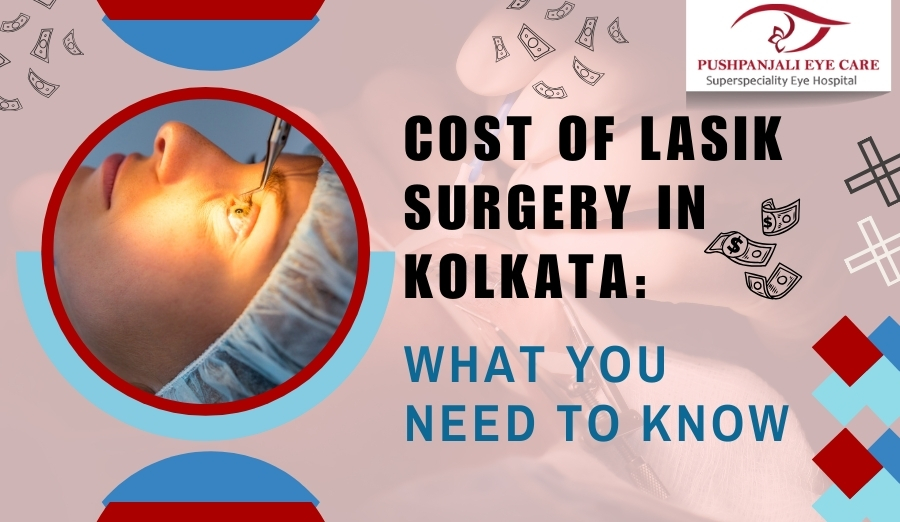
Welcome to the blog page of Pushpanjali Eye Care, the best Lasik treatment in Kolkata. Here we will share some of the benefits & costs of Lasik surgery for you.
LASIK (Laser-Assisted in Situ Keratomileusis) surgery is one of the most popular and effective vision correction procedures globally. It has helped millions achieve clearer vision without the need for glasses or contact lenses. At Pushpanjali Eye Care, a leading eye hospital in Kolkata, we offer state-of-the-art LASIK surgery to help you see the world more clearly. In this comprehensive guide, we will discuss what laser eye surgery is, its numerous benefits, and the costs associated with it.
Table of Contents
What is LASIK Surgery?
LASIK surgery is a refractive eye procedure that reshapes the cornea—the transparent front part of the eye—to correct vision problems such as myopia (nearsightedness), hyperopia (farsightedness), and astigmatism. The procedure involves using a laser to create a thin flap in the cornea, which is then lifted to reshape the underlying corneal tissue. This reshaping allows light entering the eye to be properly focused onto the retina, leading to improved vision.
Who is a Candidate for LASIK Surgery?
LASIK surgery is suitable for most individuals who:
Are over the age of 18.
Have a stable vision for at least one year.
Suffer from common refractive errors such as myopia, hyperopia, or astigmatism.
Have healthy corneas and overall eye health.
Are not pregnant or nursing.
It is essential to undergo a thorough eye examination by a qualified ophthalmologist to determine if you are a good candidate for photorefractive keratectomy.
The LASIK Surgery Procedure: A Step-by-Step Overview
Preparation: The eye is numbed using anesthetic eye drops, and the area is cleaned to prevent any infection.
Creating the Corneal Flap: A femtosecond laser or microkeratome is used to create a thin flap in the cornea. This flap is gently lifted to expose the underlying corneal tissue.
Reshaping the Cornea: An excimer laser is used to reshape the corneal tissue based on your specific refractive error. This process is quick, usually lasting only a few minutes per eye.
Flap Repositioning: The corneal flap is then repositioned back onto the eye without the need for stitches, as it naturally adheres to the reshaped cornea.
Post-Operative Care: After the procedure, the patient is given protective shields and eye drops to prevent infection and promote healing.
Benefits of LASIK Surgery
Improved Vision: Most patients achieve 20/20 vision or better after LASIK surgery, significantly reducing or eliminating the need for glasses or contact lenses.
Quick Recovery: LASER Eye Treatment is a quick procedure, typically completed within 15 minutes for both eyes, and recovery is equally swift. Many patients return to their daily activities within 24 to 48 hours.
Long-Lasting Results: The results of refractive surgery are generally permanent, as the reshaping of the cornea corrects the vision permanently. However, normal age-related vision changes may still occur.
Minimal Pain and Discomfort: The procedure is virtually painless due to the use of numbing eye drops. Some patients may experience mild discomfort or dryness post-surgery, which usually subsides within a few days.
High Success Rate: LASIK surgery boasts a high success rate, with over 95% of patients satisfied with their results. Advances in laser technology have further improved the safety and accuracy of the procedure.
Cost-Effective in the Long Run: While the initial cost of Retina eye surgery may seem high, it can save money in the long term by eliminating the need for prescription glasses, contact lenses, and their associated maintenance costs.
Costs of LASIK Surgery
The costs of LASIK surgery can vary based on factors such as the surgeon’s experience, the technology used, and the level of correction required. At Pushpanjali Eye Care, we offer competitive pricing with a focus on quality and safety. Here’s what you need to consider regarding the costs:
Average Cost: In Kolkata, the average cost of laser vision correctionranges between INR 25,000 to INR 50,000 per eye. This cost includes pre-operative evaluations, the surgery itself, and post-operative care.
Factors Affecting Cost:
Technology Used: Advanced technologies like bladeless or femtosecond LASIK may cost slightly more but offer enhanced precision.
Surgeon’s Expertise: Highly experienced surgeons may charge higher fees, but their skill and precision often result in better outcomes.
Pre- and Post-Operative Care: Comprehensive care, including follow-up visits and medications, can also influence the overall cost.
Financing Options: Many eye hospitals, including Pushpanjali Eye Care, offer flexible payment plans or financing options to make the surgery accessible to more patients.
Insurance Coverage: LASIK is generally considered a cosmetic procedure and may not be covered by insurance. However, it is always advisable to check with your insurance provider regarding any potential coverage or discounts.
Common Complications After Lasik Surgery
1. Dry Eyes
One of the most frequently reported complications is dry eye syndrome. Following LASIK, many patients experience a temporary decrease in tear production, leading to discomfort, blurred vision, and sensitivity to light. This condition can often be managed with artificial tears or medicated eye drops, but in some cases, further treatment may be necessary.
2. Visual Disturbances
Patients may experience various visual disturbances post-surgery, including:
Halos and Glare: Many individuals notice halos around lights, particularly at night, and increased glare in bright conditions. These symptoms are usually temporary and improve as the eyes heal.
Starbursts: This phenomenon involves seeing star-like patterns around lights, especially in low-light situations.
3. Flap Complications
During LASIK, a thin flap is created on the cornea. Complications related to this flap can include:
Flap Dislocation: If the flap does not adhere properly after surgery, it can lead to visual distortions.
Flap Striae: These are wrinkles in the flap that can cause irregular vision. They may require additional treatment to correct.
Epithelial Ingrowth: This occurs when cells from the outer layer of the cornea grow under the flap. While often self-limiting, it can cause discomfort or blurred vision, necessitating further intervention in some cases.
4. Undercorrection or Overcorrection
Some patients may not achieve the desired vision correction, leading to under-correction (not enough tissue removed) or overcorrection (too much tissue removed). This is more common in individuals with severe refractive errors. In such cases, enhancement surgery may be required to achieve the desired results.
5. Regression
In some instances, patients may experience regression, where their vision gradually reverts to its pre-surgery state. This is a rare complication but can be frustrating for patients who have undergone LASIK to achieve clear vision.
6. Inflammation
Postoperative inflammation is a normal response to surgery, but if it is uncontrolled, it can lead to complications such as diffuse lamellar keratitis (DLK), which may interfere with healing and potentially cause vision loss. Treatment typically involves medications to reduce inflammation.
7. Keratectasia
This rare condition involves a bulging of the cornea, which can occur if too much tissue is removed during LASIK or if the cornea is inherently weak. Treatment options may include corneal implants or specialized contact lenses
How effective is LASIK enhancement surgery
LASIK enhancement surgery, also known as LASIK touch-up or retreatment, is performed to improve vision after an initial LASIK procedure that may not have fully corrected refractive errors or if the patient’s vision has changed over time. Here’s an overview of its effectiveness based on recent studies and expert opinions.
Effectiveness and Success Rates
High Success Rates: Studies indicate that LASIK enhancement procedures have a success rate of approximately 93% to 96%. Most patients achieve 20/20 vision or better following the enhancement, which is comparable to outcomes from the initial LASIK surgery.
Visual Acuity Improvements: Research shows that 86% of eyes undergoing LASIK enhancement achieved uncorrected distance visual acuity of 20/20 or better at 12 months post-procedure. Additionally, 93% of eyes were within ±0.50 diopters of the target.
Safety and Predictability: LASIK enhancements meet FDA benchmarks for safety and efficacy. The procedure is generally considered safe, with a manageable risk of complications such as epithelial ingrowth, which occurs in about 6.1% of cases.
Reasons for Enhancement
Enhancements may be recommended for several reasons:
Residual Refractive Errors: If the initial LASIK surgery did not completely correct nearsightedness, farsightedness, or astigmatism.
Vision Changes Over Time: Natural changes in the eye due to aging or other factors can lead to a decline in vision quality, necessitating a touch-up.
Patient Dissatisfaction: If a patient is not satisfied with their vision post-initial surgery, an enhancement may be considered.
Procedure Overview
The LASIK enhancement procedure is similar to the original LASIK surgery, involving the following steps:
Pre-Operative Evaluation: A thorough eye examination is conducted to assess the patient’s current vision and suitability for enhancement.
Flap Creation: The existing corneal flap is lifted to expose the underlying cornea.
Laser Reshaping: An excimer laser is used to reshape the cornea based on the patient’s updated prescription.
Flap Replacement: The corneal flap is repositioned and allowed to heal.
Recovery and Post-Operative Care
Recovery from LASIK enhancement is generally quick, with many patients noticing immediate improvements in vision. Discomfort and visual fluctuations may occur initially but typically resolve within a few days. Follow-up care is essential to monitor healing and ensure optimal outcomes.
How to know if you are a good candidate for LASIK?
Determining whether you are a good candidate for LASIK (Laser-Assisted In Situ Keratomileusis) surgery is crucial for ensuring the best possible outcomes. As you consider this transformative procedure, here are the key factors to assess your candidacy based on expert guidelines.
Key Criteria for LASIK Candidacy
Before you know about the benefits & costs of Lasik surgery you should learn about whether you are eligible for it or not.
1. Age Requirements
To be eligible for LASIK, you must be at least 18 years old. This age requirement ensures that your eyes have reached ocular maturity, meaning your vision prescription is more likely to be stable. Some surgeons recommend waiting until you are in your mid-20s to further ensure that your prescription has stabilized.
2. Stable Vision Prescription
A stable vision prescription is essential. Ideally, your prescription should not have changed significantly for at least one to two years before the procedure. This stability is crucial because LASIK corrects your current prescription, and if your vision continues to change, you may need glasses or contacts again.
3. Overall Eye Health
Good eye health is a prerequisite for LASIK. Patients should be free from any eye diseases or conditions that could affect healing or vision quality post-surgery. Common conditions that may disqualify you include:
Dry Eye Syndrome: Existing dry eyes can complicate recovery and may require treatment before LASIK.
Corneal Diseases: Conditions like keratoconus or corneal scarring can affect the cornea’s ability to heal properly.
Retinal Issues: Any history of retinal detachment or other retinal conditions may also disqualify you.
4. Corneal Thickness and Shape
The thickness and shape of your cornea are critical in determining LASIK candidacy. Your cornea must be thick enough to allow for the creation of a flap and subsequent reshaping. During your consultation, your surgeon will measure your corneal thickness and assess its shape using advanced imaging techniques.
5. Prescription Range
LASIK can effectively treat a wide range of vision problems, including:
Up to -12.00 diopters of nearsightedness
Up to +6.00 diopters of farsightedness
Up to 6.00 diopters of astigmatism
If your prescription falls outside these parameters, LASIK may not be suitable for you, but alternative procedures might be available.
6. General Health Considerations
Your overall health plays a significant role in your candidacy for LASIK. Certain medical conditions, such as uncontrolled diabetes or autoimmune diseases, can complicate the healing process. It’s essential to discuss your complete medical history with your surgeon to determine if LASIK is a safe option for you.
7. Realistic Expectations
Having realistic expectations about the outcomes of LASIK is vital. While many patients achieve excellent results, some may still need glasses for specific tasks, such as reading or driving at night. Discussing your goals and expectations with your surgeon can help ensure that you are mentally prepared for the results.
The Consultation Process
The only way to definitively determine if you are a good candidate for LASIK is through a comprehensive consultation with an experienced eye surgeon. During this evaluation, your surgeon will conduct a series of tests to assess your eye health, vision prescription, corneal thickness, and overall suitability for the procedure.
What to Expect During Your Consultation:
Vision Tests: Your current vision will be assessed, including both corrected and uncorrected vision.
Corneal Measurements: Advanced technology will be used to measure your cornea’s thickness and shape.
Pupil Size Assessment: Your pupil size will be evaluated, as larger pupils may lead to night vision issues post-surgery.
Discussion of Medical History: Your surgeon will review your medical history and any medications you are currently taking.
What is LASIK surgery? LASIK (Laser-Assisted in Situ Keratomileusis) surgery is a laser eye procedure that reshapes the cornea to correct vision problems like myopia, hyperopia, and astigmatism, reducing the need for glasses or contact lenses.
What are the main benefits of LASIK surgery? The benefits of LASIK surgery include improved vision, quick recovery, minimal pain, long-lasting results, and reduced dependence on corrective eyewear, making it a cost-effective option in the long term.
How much does LASIK surgery cost? The cost of LASIK surgery typically ranges from INR 25,000 to INR 50,000 per eye in Kolkata, depending on the technology used, the surgeon’s experience, and the level of vision correction required.
Is LASIK surgery painful? No, LASIK surgery is virtually painless. Numbing eye drops are used during the procedure, and any post-operative discomfort is usually mild and temporary.
Is LASIK surgery covered by insurance? LASIK is generally considered a cosmetic procedure and is not covered by most insurance plans. However, some hospitals offer financing options to make the costs more manageable.
Conclusion: Is LASIK Surgery Worth It?
LASIK surgery is a life-changing procedure that offers a clear, hassle-free vision for those tired of relying on glasses or contact lenses. Understanding the benefits and costs of LASIK surgery helps in making an informed decision. At Pushpanjali Eye Care, we are committed to providing the highest standard of care, ensuring that our patients achieve the best possible outcomes.
If you’re considering LASIK surgery, visit us for a consultation to discuss your specific needs and get personalized advice on the benefits and costs of LASIK surgery. Our experienced team is here to guide you through every step of the process, helping you achieve the clear vision you deserve.
For more information on the benefits and costs of LASIK surgery, contact Pushpanjali Eye Care, the leading eye hospital in Kolkata, and take the first step toward a brighter, clearer future!
Welcome to the blog page of Pushpanjali Eye Care, the best eye hospital in Kolkata.
Cataract surgery is one of the most common and successful surgical procedures performed worldwide, with millions of people regaining their vision each year. At Pushpanjali Eye Care in Kolkata, we understand the significance of this surgery and the importance of proper post-operative care to ensure a smooth recovery. While the surgery itself is relatively straightforward, the recovery process requires careful attention to prevent complications and achieve the best possible outcome. In this blog, we will discuss the essential post-surgery care of cataract surgery and the potential complications that patients should be aware of.
Table of Contents
Understanding Cataract Surgery
Cataract surgery involves the removal of the clouded lens of the eye and its replacement with an artificial intraocular lens (IOL). This procedure is typically performed on an outpatient basis and takes about 15 to 30 minutes per eye. While cataract surgery has a high success rate, proper post-surgical care is crucial to prevent complications and ensure a full recovery.
Post-Surgery Cares of Cataract Surgery
1. Follow Your Doctor’s Instructions
The most important aspect of post-surgery care is following the instructions provided by your ophthalmologist. These instructions are tailored to your specific needs and are designed to minimize the risk of complications. You may receive guidance on how to use prescribed eye drops when to resume normal activities, and what to avoid during the recovery period.
2. Use Prescribed Eye Drops as Directed
After cataract surgery, your doctor will prescribe eye drops to prevent infection, reduce inflammation, and promote healing. These drops are essential in preventing complications such as infections or swelling. It’s important to use the eye drops exactly as prescribed and to complete the full course of treatment, even if your eye feels better before the drops are finished.
3. Avoid Rubbing or Pressing Your Eye
One of the key post-surgery cares of cataract surgery is to avoid any pressure on the eye. Rubbing, pressing, or touching the eye can disrupt the healing process and increase the risk of infection. If your eye feels itchy or irritated, use the prescribed eye drops or gently dab around the eye with a clean tissue.
4. Protect Your Eye from Irritants
In the days following cataract surgery, your eye will be more sensitive to light and other environmental factors. Wearing sunglasses outdoors can help protect your eyes from bright sunlight and reduce discomfort. Additionally, avoid dusty or windy environments, and refrain from using eye makeup or creams near the eye until your doctor gives you the green light.
5. Rest and Avoid Strenuous Activities
Rest is a vital part of the healing process after cataract surgery. For at least the first week after surgery, avoid strenuous activities such as heavy lifting, bending over, or any actions that could increase pressure in your eye. Most patients can return to their normal routine within a few days, but it’s essential to ease back into activities gradually.
6. Attend Follow-Up Appointments
Follow-up appointments are an important part of the post-surgery care of cataract surgery. Your doctor will monitor your recovery, check for any signs of complications, and ensure that the artificial lens is properly positioned. These appointments are crucial for detecting and addressing any issues early on, so be sure to attend all scheduled visits.
Potential Complications and How to Address Them
While cataract surgery is generally safe, like any surgical procedure, it carries the risk of complications. Understanding these potential issues and knowing how to address them is an essential part of the post-surgery care of cataract surgery.
1. Infection (Endophthalmitis)
Infection is a rare but serious complication that can occur after cataract surgery. Symptoms include severe pain, redness, decreased vision, and pus in the eye. If you experience any of these symptoms, contact your doctor immediately. Prompt treatment with antibiotics or surgery may be necessary to prevent permanent damage.
2. Increased Eye Pressure (Ocular Hypertension)
Some patients may experience increased pressure in the eye after cataract surgery. This can lead to glaucoma if not treated promptly. Symptoms include eye pain, headache, nausea, and blurry vision. Regular use of prescribed eye drops and close monitoring by your doctor can help manage this condition.
Retinal detachment is another rare but serious complication that can occur after cataract surgery. Symptoms include flashes of light, a sudden increase in floaters, or a shadow over part of your vision. Immediate medical attention is required to repair the detachment and prevent vision loss.
4. Posterior Capsular Opacification (PCO)
PCO, also known as secondary cataract, is a common complication that can occur months or years after surgery. It happens when the back of the lens capsule becomes cloudy, causing vision to blur. Fortunately, PCO can be easily treated with a quick and painless laser procedure called YAG laser capsulotomy, which restores clear vision.
5. Cystoid Macular Edema (CME)
CME is a swelling of the central retina (macula) that can occur after cataract surgery, leading to blurred or distorted vision. It is typically treated with anti-inflammatory eye drops, and in some cases, additional procedures may be required. Early detection and treatment are key to preventing long-term vision problems.
1. What are the essential post-surgery care of cataract surgery? The essential post-surgery care includes using prescribed eye drops to prevent infection and inflammation, avoiding rubbing or pressing the eye, protecting the eye from irritants, and attending all follow-up appointments with your doctor. These steps help ensure a smooth recovery and reduce the risk of complications.
2. How long should I use eye drops after cataract surgery? Typically, eye drops are used for a few weeks after cataract surgery. They include antibiotics to prevent infection and anti-inflammatory drops to reduce swelling. It’s crucial to follow your doctor’s instructions and complete the full course to ensure proper healing.
3. What activities should I avoid after cataract surgery? After cataract surgery, you should avoid strenuous activities such as heavy lifting, bending over, and vigorous exercise for at least a week. Additionally, avoid swimming, using hot tubs, and exposing your eyes to dust or potential irritants to prevent complications.
4. What are common complications after cataract surgery? While cataract surgery is generally safe, potential complications can include infection, increased eye pressure, retinal detachment, and posterior capsular opacification (secondary cataract). Early detection and treatment are crucial for addressing these issues effectively.
5. How can I recognize signs of complications after cataract surgery? Signs of complications may include severe eye pain, redness, sudden vision changes, flashes of light, or increased floaters. If you experience any of these symptoms, contact your eye doctor immediately for evaluation and treatment. Prompt action can prevent long-term issues.
Conclusion
Cataract surgery is a highly effective procedure that can restore vision and improve quality of life. However, the success of the surgery largely depends on the post-surgery care of cataract surgery. By following your doctor’s instructions, using prescribed eye drops, protecting your eye from irritants, and attending follow-up appointments, you can minimize the risk of complications and ensure a smooth recovery.
At Pushpanjali Eye Care in Kolkata, we are committed to providing comprehensive care for our patients before, during, and after cataract surgery. If you have any questions or concerns about your recovery, our experienced team is here to help. Remember, proper post-surgery care is the key to achieving the best possible outcome and enjoying a clear, healthy vision for years to come.
Let Know LASIK eye surgery from this blog. Welcome to the blog page of Pushpanjali Eye Care, the Best Eye Hospital in Kolkata, where we prioritize your vision and eye health. If you are considering LASIK surgery in Kolkata, you might have many questions about the procedure, especially its cost. In this blog, we’ll provide a comprehensive guide on the cost of LASIK treatment in Kolkata, what factors influence the pricing, and how to make an informed decision. So, stay with us as we explore everything you need to know.
LASIK Eye Surgery
Understanding LASIK Surgery in Kolkata
LASIK surgery, or Laser-Assisted In Situ Keratomileusis, is a popular refractive eye surgery that corrects vision problems such as myopia, hyperopia, and astigmatism. It’s a quick, safe, and effective procedure that has helped millions around the world achieve better vision without the need for glasses or contact lenses. When considering laser eye surgery in Kolkata, it’s crucial to understand the various factors that contribute to the overall cost.
Why is it Called LASIK?
LASIK is an acronym for Laser Assisted In Situ Keratomileusis. The term “in situ” is Latin for “in its original place,” reflecting how the surgery reshapes the cornea without moving it from its natural position. “Keratomileusis” refers to the process of carving or sculpting the cornea to correct refractive errors. This precise terminology underscores the surgical technique’s ability to correct vision by reshaping the cornea directly, providing clarity to those who suffer from myopia (nearsightedness), hyperopia (farsightedness), and astigmatism.
The Evolution of LASIK Eye Surgery Techniques
The journey of laser vision correction began decades ago and has evolved significantly over the years. The concept of corneal reshaping was first introduced in the mid20th century, with Dr. José Ignacio Barraquer from Colombia being one of the pioneers. He developed the technique of keratomileusis, where a section of the cornea was removed, frozen, reshaped, and then reattached to the eye. This technique laid the foundation for modern eye surgery.
In the 1980s, the advent of the excimer laser revolutionized refractive surgery. The excimer laser could precisely remove corneal tissue without causing thermal damage to surrounding areas. This led to the development of photorefractive keratectomy (PRK), the precursor to laser eye treatment. PRK involved reshaping the cornea by removing tissue from its surface.
photorefractive keratectomy surgery, as we know it today, was developed in the 1990s. It combined the precision of the excimer laser with the concept of creating a corneal flap, which allowed for faster recovery and less discomfort compared to PRK. The first LASIK procedure was performed in 1991, and since then, millions of people worldwide have benefited from this lifechanging surgery.
Factors Affecting the Cost of LASIK Surgery in Kolkata
Types of LASIK Surgery
When considering LASIK surgery in Kolkata, it’s important to understand the different types of laser eye surgery procedures available. The cost of LASIK surgery can vary depending on the specific technique chosen. Here’s a detailed exploration of each type:
Standard LASIK
Overview: Standard LASIK, also known as conventional laser vision correction, is the most commonly performed laser eye surgery. In this procedure, a microkeratome (a specialized surgical blade) is used to create a thin flap in the cornea. The excimer laser is then applied to reshape the corneal tissue underneath the flap, correcting vision by altering the way light is focused on the retina. After the laser reshaping, the flap is repositioned to heal naturally.
Pros: Standard LASIK is effective for most patients with common refractive errors like myopia, hyperopia, and astigmatism. It is relatively quick, with a short recovery time.
Cons: While effective, standard laser eye treatment may not be suitable for patients with irregular corneas or more complex vision issues. Additionally, the microkeratome blade can sometimes result in minor complications.
Custom LASIK
Overview: Custom LASIK, also known as Wavefrontguided LASIK, takes the standard procedure a step further by using advanced wavefront technology to create a detailed map of the patient’s eye. This map allows the surgeon to perform a more personalized correction by addressing not just the basic refractive errors but also higher order aberrations (subtle imperfections in the eye’s optical system).
Pros: Custom laser eye surgery offers a higher level of precision, potentially leading to better visual outcomes, especially in lowlight conditions. It’s particularly beneficial for patients with unique or complex vision issues.
Cons: The procedure tends to be more expensive than standard LASIK due to the advanced technology involved. However, the enhanced precision and tailored approach often justify the additional cost.
Bladeless LASIK (Femto LASIK)
Overview: Bladeless LASIK, also known as Femto LASIK or AllLaser LASIK, eliminates the need for a microkeratome blade. Instead, a femtosecond laser is used to create the corneal flap. The excimer laser then reshapes the cornea in the same way as in standard LASIK.
Pros: The use of a femto second laser increases the precision and safety of the flap creation process, reducing the risk of complications. The procedure is typically more comfortable for patients, and the recovery time may be faster.
Cons: Bladeless LASIK generally comes with a higher price tag compared to standard LASIK due to the use of advanced laser technology. However, many patients find the increased safety and precision worth the cost.
Contoura Vision LASIK
Overview: Contoura Vision is the most advanced form of refractive eye surgery, also known as Topography-guided LASIK. This procedure uses detailed topographic mapping of the cornea to provide an even more precise correction than custom LASIK. Contoura Vision can correct both refractive errors and irregularities on the corneal surface that standard LASIK might not address.
Pros: Contoura Vision is designed to provide the sharpest vision possible by not only correcting vision but also improving the quality of vision by addressing corneal irregularities. It’s ideal for patients who have previously undergone LASIK and are looking for an enhancement or those with particularly irregular corneal surfaces.
Cons: As the most advanced LASIK option, Contoura Vision is typically the most expensive. However, the superior visual outcomes and enhanced quality of life often make it a preferred choice for those who want the best results.
Choosing the right type of Laser eye surgery is crucial for achieving the best possible results. Whether you opt for Standard LASIK, Custom LASIK, Bladeless LASIK, or Contoura Vision, each procedure offers unique benefits tailored to different vision needs. At Pushpanjali Eye Care, we offer all these advanced Laser eye treatment options to ensure you receive the best care possible. To learn more or to discuss which laser vision correction option is right for you, book an online appointment with our best LASIK surgeon in Kolkata today.
Surgeon’s Expertise
The expertise of the surgeon is a critical factor in the success of LASIK surgery. Surgeons with years of experience and specialized training in refractive surgery are better equipped to deliver precise results and minimize risks. Their reputation, often reflected in high success rates and positive patient reviews, underscores their ability to achieve optimal visual outcomes. While these top surgeons may charge more for their services, the investment is justified by the enhanced safety, precision, and personalized care they offer.
Choosing a skilled and experienced LASIK surgeon ensures that the procedure is tailored to your specific needs, leading to better results and a smoother recovery. At Pushpanjali Eye Care, we have some of the best LASIK surgeons in Kolkata, committed to providing the highest standard of care. Book an online appointment today to explore your LASIK options and take the first step toward a clearer vision.
Pre and Post Operative Care
The overall cost of LASIK surgery in Kolkata includes preoperative consultations, diagnostic tests, and postoperative follow-ups. Comprehensive care before and after surgery ensures the best possible outcome and can affect the total price.
Average Cost of LASIK Surgery in Kolkata
The cost of eye refractive surgery in Kolkata typically ranges from ₹25,000 to ₹1,00,000 per eye. The variation in pricing depends on the type of LASIK procedure, the surgeon’s expertise, and the hospital’s facilities. While standard Laser eye surgery might be on the lower end of the spectrum, advanced procedures like Contoura Vision could be on the higher side.
Is LASIK Surgery in Kolkata Worth the Cost?
Many patients wonder if photorefractive keratectomy in Kolkata is worth the investment. The answer depends on your individual vision needs and lifestyle. Photorefractive keratectomy offers long-term savings by reducing or eliminating the need for glasses or contact lenses. Additionally, the convenience and improved quality of life that come with a clear vision make the procedure a worthwhile investment for many.
Payment Options and Insurance Coverage
Some hospitals offer flexible payment options, including EMI plans, to make ophthalmic surgery in Kolkata more affordable. It’s also advisable to check with your insurance provider to see if they cover any part of the eye surgery cost, although most insurance companies do not cover elective surgeries like LASIK.
Conclusion
In conclusion, the cost of LASIK eye surgery in Kolkata varies depending on several factors, but the investment is often justified by the long-term benefits of improved vision and a glassesfree lifestyle. If you’re considering Laser eye surgery, it’s essential to choose an experienced surgeon and a reputable hospital like Pushpanjali Eye Care. We encourage you to book an online appointment with the best LASIK surgeon in Kolkata at Pushpanjali Eye Care to discuss your options and take the first step towards better vision.
FAQs For Cost of LASIK Surgery in Kolkata
What is the average cost of LASIK surgery in Kolkata?
The average cost of LASIK surgery in Kolkata ranges from ₹25,000 to ₹1,00,000 per eye, depending on the type of procedure and the hospital.
Is LASIK surgery in Kolkata covered by insurance?
Most insurance companies do not cover LASIK surgery as it is considered an elective procedure, but it’s best to check with your provider.
What factors affect the cost of LASIK surgery in Kolkata?
Factors such as the type of LASIK procedure, the surgeon’s expertise, hospital facilities, and pre and post-operative care influence the cost.
Are there any affordable options for LASIK surgery in Kolkata?
Yes, some hospitals offer payment plans or EMI options to make LASIK surgery more affordable.
How can I choose the best LASIK surgeon in Kolkata?
Look for a surgeon with a strong reputation, extensive experience, and high success rates. Reading patient reviews and consulting with the surgeon can also help.
What are the long-term benefits of LASIK surgery in Kolkata?
LASIK surgery can significantly improve your vision, reduce or eliminate the need for glasses or contact lenses, and enhance your quality of life.
Welcome to the blog page of Pushpanjali Eye Care, the best eye hospital in Kolkata.
In today’s digital age, our exposure to screens has increased exponentially, leading to growing concerns about the impact of blue light on our eyes. At Pushpanjali Eye Care, the best eye hospital in Kolkata, we frequently address questions about the effects of blue light on eyes and whether glasses can offer protection. This blog aims to provide a comprehensive understanding of blue light, its effects on eye health, and how you can safeguard your vision.
Table of Contents
What is Blue Light?
Blue light is a type of high-energy visible (HEV) light that falls within the wavelength range of 400 to 500 nanometers. It is an integral part of the visible light spectrum and is naturally emitted by the sun, playing a vital role in regulating our circadian rhythms and boosting alertness and cognitive function during daylight hours. Blue light is essential for maintaining a healthy sleep-wake cycle and can have positive effects on mood and overall mental health. However, in today’s technology-driven world, our exposure to blue light has significantly increased due to the prevalence of digital screens, LED lights, and fluorescent lighting, all of which emit artificial blue light.
While natural blue light during the day can be beneficial, excessive exposure to artificial blue light, particularly during evening hours, can have adverse effects on our eye health and general well-being. Prolonged exposure to blue light from screens can lead to digital eye strain, characterized by symptoms like dry eyes, headaches, and blurred vision.
Moreover, blue light exposure at night can interfere with the production of melatonin, the hormone responsible for sleep, leading to disrupted sleep patterns and poorer sleep quality. Over time, this disruption can contribute to various health issues, including an increased risk of macular degeneration, a condition that affects the retina and can lead to vision loss. Thus, while blue light plays a crucial role in our daily lives, managing our exposure, especially to artificial sources, is essential for maintaining optimal eye health and overall well-being.
The Effects of Blue Light on Eyes
Digital Eye Strain:
Prolonged exposure to blue light from screens can cause digital eye strain, also known as Computer Vision Syndrome (CVS). Symptoms include headaches, dry eyes, blurred vision, and neck and shoulder pain. The best eye hospital in Kolkata, Pushpanjali Eye Care, often sees patients with these symptoms, particularly those who spend long hours in front of screens.
Disruption of Sleep Patterns:
Blue light plays a crucial role in regulating our sleep-wake cycle by influencing the production of melatonin, the sleep hormone. Excessive exposure to blue light, especially before bedtime, can suppress melatonin production, leading to difficulty falling asleep and poor sleep quality. This disruption can have long-term effects on overall health.
Increased Risk of Macular Degeneration:
Some studies suggest that long-term exposure to blue light may increase the risk of macular degeneration, a condition that affects the retina and can lead to vision loss. While more research is needed to establish a direct link, it’s essential to be aware of the potential risks, especially for individuals with high screen time.
Eye Fatigue and Discomfort:
Blue light can cause your eyes to work harder to focus, leading to eye fatigue and discomfort. This is particularly true when using screens for extended periods without adequate breaks. Patients at Pushpanjali Eye Care often report tired eyes after a long day of screen use, which can be attributed to the effects of blue light on eyes.
Can Glasses Help with Blue Light?
Given the potentially harmful effects of blue light on the eyes, many people wonder whether glasses designed to filter blue light can provide relief. Here’s what you need to know to get rid of the Effects of Blue Light on Eyes:
Blue Light Filtering Glasses:
Blue light filtering glasses are designed with special lenses that block or absorb a portion of blue light emitted by screens. These glasses can reduce eye strain and discomfort associated with prolonged screen use. For individuals who spend significant time in front of screens, these glasses can be a useful tool to alleviate the symptoms of digital eye strain.
Improved Comfort and Focus:
Wearing blue light-filtering glasses can help reduce the glare from screens, making it easier to focus on tasks and reducing the likelihood of eye fatigue. This can be particularly beneficial for students, office workers, and anyone who uses digital devices extensively.
Protection During Evening Screen Use:
If you find yourself using screens late into the night, blue light filtering glasses can help minimize the disruption to your sleep patterns by reducing the amount of blue light that reaches your eyes. This can support better sleep hygiene and overall health.
Are They Necessary?
While blue light filtering glasses can provide relief, they are not a cure-all. It’s important to practice good screen habits, such as following the 20-20-20 rule (every 20 minutes, look at something 20 feet away for 20 seconds), adjusting screen brightness, and ensuring proper lighting in your workspace. At Pushpanjali Eye Care, the best eye hospital in Kolkata, we recommend a combination of these practices along with blue light-filtering glasses for optimal eye health.
Blue light, especially from digital screens, can cause digital eye strain, leading to symptoms like dry eyes, headaches, and blurred vision. Prolonged exposure may also disrupt sleep patterns by interfering with melatonin production, which can result in poor sleep quality and fatigue.
Can blue light exposure lead to long-term eye damage?
While more research is needed, some studies suggest that long-term exposure to blue light may increase the risk of macular degeneration, a serious eye condition that can lead to vision loss. Managing screen time and using protective measures can help reduce this risk.
How do blue light filtering glasses work?
Blue light filtering glasses are designed with special lenses that block or absorb a portion of blue light emitted by digital screens. These glasses can reduce eye strain and discomfort, making it easier to focus on tasks and decreasing the risk of digital eye strain.
Are blue light glasses effective for improving sleep?
Wearing blue light glasses in the evening can help minimize blue light exposure, reducing its impact on melatonin production and improving sleep quality. By filtering out blue light, these glasses can support a healthier sleep-wake cycle, especially for those who use screens late at night.
Should everyone use blue light glasses?
Blue light glasses can be beneficial for anyone who spends significant time in front of screens, especially if they experience eye strain or have trouble sleeping. However, they are most effective when used in combination with other healthy screen habits, such as taking regular breaks and adjusting screen brightness.
Conclusion
The effects of blue light on eyes are a growing concern in our digitally driven world. While blue light filtering glasses can offer relief from digital eye strain and improve comfort, they should be used as part of a broader strategy to protect your vision. At Pushpanjali Eye Care, the best eye hospital in Kolkata, we are dedicated to helping you maintain healthy eyes and clear vision in the face of modern challenges.
If you’re experiencing symptoms of digital eye strain or have concerns about the effects of blue light on your eyes, we invite you to visit Pushpanjali Eye Care. Our team of expert ophthalmologists is here to provide comprehensive eye care and personalized advice on how to protect your eyes in today’s digital age. Your vision is our priority, and we’re committed to ensuring it remains sharp and healthy for years to come.
Welcome to the blog page of Pushpanjali Eye Care, the best eye hospital in Kolkata.
In our fast-paced digital world, where most of our work revolves around screens, taking care of our eyes has become more crucial than ever. The eyes are constantly strained due to prolonged exposure to screens, whether working on a computer, browsing your smartphone, or watching television. At Pushpanjali Eye Care, the best eye hospital in Kolkata, we emphasize the importance of taking breaks to maintain optimal eye health.
The Impact of Continuous Screen Exposure on Your Eyes
Development of Computer Vision Syndrome (CVS) or Digital Eye Strain:
Prolonged Screen Time: Spending extended hours in front of screens can lead to the development of Computer Vision Syndrome (CVS), commonly referred to as Digital Eye Strain.
Symptoms of CVS: The primary symptoms include dry eyes, blurred vision, headaches, and discomfort in the neck and shoulders. These symptoms arise due to the prolonged and intense focus required while working on digital devices.
Reduction in Blinking Rate:
Decreased Blinking: While working on screens, the natural blinking rate significantly decreases. Blinking is essential for keeping the eyes moist and lubricated.
Dry Eyes: Reduced blinking decreases tear production, causing the eyes to become dry and irritated. This dryness can be uncomfortable and can worsen if not addressed.
Increased Eye Fatigue:
Intense Focus: Continuous focus on screens requires the eye muscles to work harder, leading to fatigue. Over time, this fatigue can result in discomfort and a decrease in visual clarity.
Muscle Strain: The eye muscles, especially those responsible for near vision, are under constant strain during prolonged screen use, which can lead to tiredness and a sensation of heaviness in the eyes.
Potential for Long-Term Vision Problems:
Nearsightedness (Myopia): Extended periods of screen time, especially without breaks, can contribute to the development or worsening of nearsightedness. This is because the eyes are constantly focusing on close objects, which can lead to a permanent change in vision.
Worsening of Existing Eye Conditions: Individuals with pre-existing eye conditions may experience a deterioration in their vision due to the added strain from continuous screen exposure.
Additional Physical Discomfort:
Headaches: The strain on the eyes can also lead to frequent headaches, which are often related to the muscles around the eyes becoming overworked.
Neck and Shoulder Pain: Poor posture and prolonged screen use can contribute to physical discomfort beyond the eyes, including pain in the neck and shoulders, often associated with the tension caused by eye strain.
Importance of Taking Breaks: Guide by The Best Eye Hospital in Kolkata
Taking regular breaks is essential to reduce eye strain and prevent long-term damage. The importance of taking breaks cannot be overstated, as it allows your eyes to rest and recover from the constant focus and exposure to blue light emitted by screens. This simple practice can significantly reduce the risk of developing eye problems and improve overall productivity.
At Pushpanjali Eye Care, the best eye hospital in Kolkata, we recommend following the 20-20-20 rule. This rule is straightforward: every 20 minutes, take a 20-second break and look at something 20 feet away. This practice helps relax the eye muscles and reduces the strain caused by prolonged screen use. In addition to this, incorporating short walks, stretching exercises, or simply closing your eyes for a few minutes can further alleviate eye fatigue.
How Often Should You Take a Break?
It’s essential to incorporate regular breaks into your daily routine. Ideally, you should aim to take a short break every 20 minutes when working on screens. If you’re engaged in tasks that require intense focus, such as reading or detailed work, consider taking a 5-10 minute break every hour. During these breaks, it’s beneficial to blink more frequently, use artificial tears if necessary, and adjust your workspace to minimize glare and optimize lighting.
Taking breaks isn’t just about eye care; it’s also about enhancing your overall well-being and productivity. When you take the time to rest your eyes, you’re likely to experience less fatigue, better concentration, and improved work performance.
Why is it important to take breaks for your eyes during work?
Taking breaks is essential for reducing eye strain, preventing discomfort, and maintaining overall eye health. Prolonged screen exposure can lead to digital eye strain, characterized by symptoms like dry eyes, headaches, and blurred vision. Regular breaks allow your eyes to rest, helping to alleviate these symptoms and prevent long-term damage.
What happens to your eyes if you don’t take breaks while working?
If you don’t take breaks, your eyes can become fatigued and strained, leading to conditions such as Computer Vision Syndrome (CVS). This can result in dry eyes, headaches, and even more serious issues like nearsightedness. Continuous focus on screens without breaks also reduces your blinking rate, causing dryness and irritation.
How often should you take breaks to protect your eyes?
To protect your eyes, it’s recommended to follow the 20-20-20 rule: every 20 minutes, take a 20-second break and look at something 20 feet away. This practice helps to relax your eye muscles and reduce the strain caused by prolonged screen use. Additionally, taking a 5-10 minute break every hour can further alleviate eye fatigue.
Can taking breaks improve work productivity?
Yes, taking breaks can significantly improve work productivity. When your eyes are well-rested, you’re less likely to experience discomfort and more able to focus on your tasks. Regular breaks help prevent fatigue that can reduce concentration and slow down your work, ultimately leading to better performance and efficiency.
What are some effective ways to take breaks for your eyes?
Effective ways to take breaks include following the 20-20-20 rule, incorporating short walks, stretching exercises, and simply closing your eyes for a few minutes. These practices help relax your eye muscles, reduce strain, and improve circulation, contributing to overall eye health and comfort during work.
Conclusion
At Pushpanjali Eye Care, the best eye hospital in Kolkata, we advocate the importance of taking breaks to protect your eyes from the harmful effects of continuous screen exposure. Incorporating regular breaks into your work routine is a simple yet effective way to maintain eye health, prevent digital eye strain, and ensure long-term vision care. Remember, your eyes are precious, and taking care of them should be a priority.
If you experience persistent eye discomfort or symptoms of digital eye strain, don’t hesitate to consult with our experts at Pushpanjali Eye Care. We’re here to help you maintain optimal eye health and provide the best care possible.
Welcome to the blog page of Pushpanjali Eye Care, one of the best eye hospitals in Kolkata. Here we will share with you some of the best Yoga asanas for your eyes.
In today’s digital age, where screens dominate our daily lives, taking care of our eyes has never been more crucial. One effective way to maintain and improve eye health is through yoga. Yoga offers a holistic approach to wellness, and there are specific asanas (poses) that can significantly benefit your eyes. At Pushpanjalii Eye Care, an eye hospital in Kolkata, we advocate for a blend of traditional medical treatments and holistic practices like yoga to ensure optimal eye health. Here’s a comprehensive look at the best yoga asanas for the eyes and how they help keep your eyesight good for a long.
Table of Contents
The Connection Between Yoga and Eye Health
Yoga is not just about physical flexibility and strength; it also promotes relaxation and reduces stress, which can be beneficial for eye health. Eye yoga exercises help to improve blood circulation, reduce eye strain, and enhance focus and concentration. Practicing these asanas regularly can alleviate common issues such as dryness, fatigue, and even vision problems.
The Best Yoga Asanas for Eyes
Palming:
How to Perform: Rub your palms together briskly to generate heat, then gently place them over your closed eyes without applying pressure. Hold this position for a few minutes, breathing deeply.
Benefits: Palming soothes the optic nerve, reduces eye strain, and relaxes the muscles around the eyes. It’s one of the best yoga asanas for the eyes, particularly after long periods of screen time.
Blinking:
How to Perform: Sit comfortably and start blinking rapidly for 10-15 seconds. Close your eyes and relax for 20 seconds. Repeat this cycle 5-10 times.
Benefits: Blinking lubricates the eyes, keeping them moist and preventing dryness and irritation. It’s a simple yet effective exercise to keep your eyesight good for long.
Focus Shifting:
How to Perform: Sit in a comfortable position and hold your thumb about 10 inches away from your face. Focus on your thumb, then shift your focus to an object 10-20 feet away. Alternate between the two focal points for a few minutes.
Benefits: This exercise strengthens the eye muscles, improves focus, and enhances flexibility in the eye lens, making it one of the best yoga for eyes practices.
Figure Eight:
How to Perform: Imagine a large figure eight (or infinity symbol) about 10 feet in front of you. Trace the shape with your eyes slowly and smoothly without moving your head. Repeat for a few minutes in both directions.
Benefits: Figure Eight helps improve coordination and control of the eye muscles, enhancing overall eye movement and flexibility.
Trataka (Steady Gazing):
How to Perform: Sit comfortably in a dark room and place a candle at eye level about 3-4 feet away. Stare at the flame without blinking for as long as possible. Close your eyes and focus on the afterimage of the flame. Repeat this process for a few minutes.
Benefits: Trataka strengthens the eye muscles, improves concentration, and enhances vision. It’s considered one of the best yoga asanas for eyes for those seeking to improve focus and clarity.
How best Yoga Asanas for eyes can Keep Your Eyesight Good for Long
Improved Blood Circulation:
Yoga exercises increase blood flow to the eyes, providing essential nutrients and oxygen that help maintain healthy eye tissues and prevent degenerative conditions.
Reduced Eye Strain:
Regular practice of eye yoga can alleviate the strain caused by prolonged use of digital devices, reading, or any activity that requires intense visual focus. Reduced eye strain prevents headaches and other discomforts associated with eye fatigue.
Enhanced Eye Muscle Strength:
Just like any other muscle in the body, the muscles around the eyes need regular exercise to stay strong and flexible. Yoga asanas for the eyes help in strengthening these muscles, improving their endurance and performance.
Prevention of Vision Problems:
By promoting relaxation and reducing stress, yoga helps prevent common vision problems like myopia and hyperopia. It also aids in the management of conditions like dry eye syndrome and computer vision syndrome.
Holistic Health Benefits:
Yoga not only benefits the eyes but also enhances overall physical and mental health. Better overall health translates to better eye health, as the eyes are closely connected to the body’s overall well-being.
1. What are the best yoga asanas for eyes to improve vision?
The best yoga asanas for the eyes include Palming, Blinking, Focus Shifting, Figure Eight, and Trataka (Steady Gazing). These exercises help improve blood circulation, reduce eye strain, and strengthen the eye muscles, which can enhance overall vision and eye health.
2. How does Palming benefit eye health?
Palming involves rubbing your palms together to generate heat and placing them over your closed eyes. This practice soothes the optic nerve, reduces eye strain, and relaxes the muscles around the eyes. It’s one of the simplest and most effective yoga exercises to keep your eyesight good for long.
3. Can Trataka (Steady Gazing) help with focus and concentration?
Yes, Trataka is a powerful yoga exercise that involves staring at a fixed point, such as a candle flame, without blinking. This practice strengthens the eye muscles, enhances focus, and improves concentration. It is highly recommended for those looking to improve their visual clarity and mental focus.
4. How does Focus Shifting improve eye muscle strength?
Focus Shifting involves alternating your focus between a nearby object (like your thumb) and a distant object. This exercise strengthens the eye muscles, enhances their flexibility, and improves the ability to shift focus between different distances. It is an excellent practice to keep your eyesight good for long.
5. What are the overall benefits of practicing yoga for eyes regularly?
Regular practice of yoga for the eyes helps improve blood circulation to the eyes, reduces strain and fatigue, enhances eye muscle strength, and prevents common vision problems. Incorporating these exercises into your daily routine can significantly contribute to maintaining healthy vision and overall eye health.
Conclusion
Incorporating the best yoga asanas for the eyes into your daily routine can have a profound impact on your eye health. These simple yet effective exercises help maintain good vision, reduce eye strain, and improve overall eye muscle strength. At Pushpanjalii Eye Care, the best eye hospital in Kolkata, we recommend combining these yoga practices with regular eye check-ups to ensure optimal eye health.
By understanding and practicing these best yoga for eyes exercises, you can take a proactive approach to preserve and enhance your eyesight. For personalized eye care and expert advice, visit Pushpanjalii Eye Care, your trusted partner in maintaining a healthy vision for life.
In today’s digital age, many of us spend prolonged hours staring at screens, be it for work or leisure. This has led to a significant increase in cases of digital eye strain, also known as computer vision syndrome. As a leading institution in eye care, Pushpanjali Eye Care, recognized as the best eye hospital in Kolkata, understands the importance of addressing this modern-day concern. While ergonomic adjustments and regular breaks are essential, dietary changes can also play a pivotal role in alleviating digital eye strain.
Table of Contents
Understanding Digital Eye Strains by the best eye hospital in Kolkata
Digital eye strain encompasses a range of symptoms such as dry eyes, blurred vision, headaches, and neck and shoulder pain. These symptoms arise due to prolonged and intense focus on digital screens, leading to reduced blinking and increased eye muscle fatigue.
Dietary Changes to Combat Digital Eye Strains
Incorporating certain nutrients into your diet can enhance eye health and reduce the symptoms of digital eye strain. Here are some dietary changes recommended by experts at our eye hospital in Kolkata:
Omega-3 Fatty Acids Omega-3 fatty acids, found in fish like salmon, mackerel, and sardines, as well as flaxseeds and chia seeds, are known for their anti-inflammatory properties. They help in maintaining the health of the tear film, reducing the risk of dry eyes, a common symptom of digital eye strain.
Vitamin A Vitamin A is crucial for maintaining good vision and eye health. It is found in abundance in carrots, sweet potatoes, spinach, and kale. This vitamin helps in producing rhodopsin, a pigment essential for seeing in low-light conditions.
Lutein and Zeaxanthin These are carotenoids found in the retina that help protect eyes from harmful blue light emitted by screens. Green leafy vegetables like spinach, kale, and broccoli, as well as eggs and corn, are excellent sources of lutein and zeaxanthin.
Vitamin C Vitamin C is an antioxidant that helps in the regeneration of other antioxidants in the body, including those that protect the eyes. Citrus fruits like oranges, lemons, and grapefruits, as well as strawberries and bell peppers, are rich in vitamin C.
Vitamin E Vitamin E helps in protecting the eyes from free radical damage. Nuts, seeds, and green leafy vegetables are good sources of this vitamin. Incorporating almonds, sunflower seeds, and spinach into your diet can be beneficial.
Zinc plays a vital role in maintaining the health of the retina and can help reduce the risk of developing macular degeneration. Foods rich in zinc include oysters, beef, pumpkin seeds, and legumes.
Hydration Staying hydrated is essential for overall health, including eye health. Dehydration can exacerbate dry eye symptoms. Ensure you drink plenty of water throughout the day.
Additional Tips for Reducing Digital Eye Strains
While dietary changes can greatly improve your eye health and alleviate some symptoms of digital eye strain, there are several other strategies you can incorporate into your daily routine to further reduce the discomfort associated with prolonged screen time. Here are some effective tips:
Follow the 20-20-20 Rule: Guide by the best eye hospital in Kolkata
Prolonged screen time can cause significant strain on your eyes. To mitigate this, adopt the 20-20-20 rule. This simple yet effective method involves taking a break every 20 minutes to look at something 20 feet away for at least 20 seconds. This practice helps relax the eye muscles, reduces fatigue, and promotes better overall eye health.
Adjust Screen Settings
The settings on your digital devices can greatly impact your eye comfort. Make the following adjustments to reduce eye strain:
Brightness: Lower the brightness of your screen to match the level of light in your surroundings. Avoid excessively bright screens, which can cause glare and strain.
Text Size and Contrast: Increase the text size and adjust the contrast settings to make reading more comfortable. High contrast between text and background can reduce eye strain.
Blue Light Filter: Use blue light filters or “night mode” settings available on most devices. Blue light from screens can contribute to eye strain and disrupt sleep patterns.
Use Artificial Tears
Digital eye strain often leads to dry eyes due to reduced blinking. Artificial tears or lubricating eye drops can provide much-needed moisture and relief from dryness. Choose preservative-free options and use them as directed to keep your eyes hydrated and comfortable.
Ensure Proper Lighting
Proper lighting is essential to minimize glare and reduce eye strain. Consider the following tips to optimize your workspace lighting:
Position of Screen: Ensure your screen is not placed directly in front of a light source, such as a window or overhead light, as this can create glare. Adjust the screen angle to minimize reflections.
Ambient Lighting: Use blinds, curtains, or shades to control natural light and reduce glare from windows. If possible, position your workstation perpendicular to the windows.
Desk Lamp: Use a desk lamp with adjustable brightness to provide adequate lighting for your workspace without creating glare on your screen.
By incorporating these additional strategies alongside dietary changes, you can significantly reduce digital eye strain and maintain optimal eye health. At Pushpanjali Eye Care, the best eye hospital in Kolkata, we are dedicated to providing comprehensive eye care solutions. If you continue to experience discomfort, our team of experienced ophthalmologists is here to assist you with personalized treatment plans.
For more information or to book an appointment, visit our website or contact us today. Your eyes deserve the best care, and at Pushpanjali Eye Care, we are committed to ensuring just that.
1. Can omega-3 fatty acids help with digital eye strain?
Yes, omega-3 fatty acids found in fish like salmon and flaxseeds can help reduce inflammation and improve tear production, alleviating dry eyes, a common symptom of digital eye strain.
2. Which vitamins are beneficial for reducing digital eye strain?
Vitamins A, C, and E are crucial. Vitamin A helps maintain good vision, Vitamin C acts as an antioxidant, and Vitamin E protects the eyes from free radical damage.
3. How do lutein and zeaxanthin help with eye strain?
Lutein and zeaxanthin are antioxidants that protect the eyes from harmful blue light emitted by screens. They are found in green leafy vegetables like spinach and kale.
4. Can hydration impact digital eye strain?
Yes, staying well-hydrated helps prevent dry eyes. As per the best eye hospital in Kolkata Drinking plenty of water throughout the day can help maintain proper eye moisture and reduce strain.
5. Are there any foods that can naturally improve eye health?
Yes, foods rich in omega-3 fatty acids, vitamins A, C, and E, as well as lutein and zeaxanthin, like fish, carrots, citrus fruits, nuts, seeds, and leafy greens, can improve eye health and alleviate symptoms of digital eye strain.
Conclusion
Dietary changes can significantly impact the health of your eyes and help alleviate the symptoms of digital eye strain. By incorporating foods rich in omega-3 fatty acids, vitamins A, C, and E, lutein, zeaxanthin, and zinc, you can promote better eye health and reduce the discomfort caused by prolonged screen time.
At Pushpanjali Eye Care, the best eye hospital in Kolkata, we are committed to providing comprehensive eye care solutions. If you experience persistent symptoms of digital eye strain, it is advisable to seek professional help. Our team of experienced ophthalmologists is here to assist you with personalized eye care plans.
For more information or to book an appointment, visit our website or contact us today. Your eyes deserve the best care, and at Pushpanjali Eye Care, we are dedicated to ensuring just that.
Welcome to the blog page of Pushpanjali Eye Care, one of the best eye hospitals in Kolkata.
Maintaining good eye health is crucial throughout the year, as each season presents unique challenges for our eyes. At Pushpanjali Eye Care, one of the best eye hospital in Kolkata, we understand the importance of adapting your eye care routine to suit the changing weather conditions. Here are some essential seasonal eye care tips to help you protect your vision all year round.
Table of Contents
Spring: Combat Allergies and Pollen
Spring is a season of renewal and beauty, marked by blooming flowers and vibrant landscapes. However, it also ushers in a high concentration of pollen, which can lead to allergic reactions. Allergies during this time often manifest as itchy, watery, and red eyes, making it crucial to take effective measures to protect your eye health. Here are some comprehensive tips to help you combat allergies and pollen this spring:
Avoid Outdoor Activities During Peak Pollen Hours:
Pollen counts are typically highest during the early morning and late afternoon. To minimize exposure, try to stay indoors during these times. If you must go outside, consider planning activities for the middle of the day or after a rain shower when pollen levels are lower.
Use Protective Eyewear:
Wearing sunglasses is not just a fashion statement; it’s a practical way to shield your eyes from airborne pollen and other allergens. Opt for wraparound styles that provide more coverage and protection.
Keep Windows Closed:
While it might be tempting to let in the fresh spring air, keeping your windows closed can significantly reduce the amount of pollen entering your home. Use air conditioning to maintain a comfortable indoor temperature and consider using air purifiers to filter out allergens.
Use Artificial Tears:
Artificial tears can be a lifesaver during allergy season. They help rinse away allergens from the surface of your eyes and provide soothing relief from irritation. Use them regularly to keep your eyes comfortable and clear.
Consult an Eye Specialist:
If you experience persistent symptoms such as severe itching, redness, or watering, it’s essential to seek professional advice. At Pushpanjali Eye Care, one of the best eye hospital in Kolkata, our specialists can provide targeted treatments and recommend appropriate medications to alleviate your discomfort.
Summer: Protect Against UV Rays and Heat
The summer sun can be harsh on your eyes, making UV protection a priority:
Wear Sunglasses with UV Protection: Choose sunglasses that block 100% of UVA and UVB rays to protect your eyes from harmful radiation.
Stay Hydrated: Drinking plenty of water helps maintain adequate tear production, preventing dry eyes.
Use Hats and Caps: Wide-brimmed hats can provide additional protection against direct sunlight.
Avoid Direct Sunlight Exposure: Try to stay indoors during peak sun hours (10 AM to 4 PM) to reduce exposure to UV rays.
Apply Lubricating Eye Drops: These can help alleviate dryness caused by heat and air conditioning.
Monsoon: Prevent Infections and Maintain Hygiene
The monsoon season in Kolkata brings humidity and increased risk of eye infections:
Maintain Good Hygiene: Wash your hands frequently and avoid touching your eyes to prevent infections.
Keep Eyes Dry: Use a clean cloth to gently wipe away moisture around your eyes.
Avoid Contact Lens Overuse: Prolonged use of contact lenses can increase the risk of infections. Consider switching to glasses during this season.
Stay Away from Contaminated Water: Avoid swimming in unclean water sources, as they can harbor harmful bacteria.
Visit Eye Hospital in Kolkata: If you experience redness, swelling, or discharge, consult an eye specialist at Pushpanjali Eye Care for prompt treatment.
Autumn: Address Dryness and Eye Fatigue
Autumn’s dry air can lead to increased dryness and eye fatigue:
Use a Humidifier: Adding moisture to the air in your home can help prevent dry eyes.
Take Regular Breaks: If you spend long hours in front of a screen, follow the 20-20-20 rule: every 20 minutes, look at something 20 feet away for at least 20 seconds.
Blink Frequently: This helps keep your eyes moist and reduces strain.
Wear Computer Glasses: These can reduce eye strain and protect against blue light emitted by screens.
Consult Eye Hospital in Kolkata: If dry eyes persist, seek advice from experts at Pushpanjali Eye Care.
Winter: Guard Against Cold and Dry Winds as per the best eye hospital in Kolkata
Winter brings cold, dry winds that can exacerbate eye dryness and discomfort:
Protect Your Eyes from Cold Winds: Wear glasses or goggles to shield your eyes when outside.
Use Artificial Tears Regularly: This helps maintain eye moisture and comfort.
Keep Warm and Hydrated: Staying warm and drinking plenty of fluids can prevent dry eyes.
Avoid Direct Heat Sources: Heaters can dry out the air and your eyes. Use a humidifier to maintain moisture levels.
Visit Pushpanjali Eye Care: For persistent dryness or any other eye issues, consult the specialists at one of the best eye hospital in Kolkata.
1. What are the best eye care practices for spring to combat allergies and pollen?
Spring often brings a surge in pollen levels, which can trigger eye allergies. To combat this, avoid outdoor activities during peak pollen hours, typically in the early morning and late afternoon. Wearing protective eyewear such as sunglasses can shield your eyes from allergens. Keep windows closed to prevent pollen from entering your home, and use artificial tears to rinse away allergens and soothe irritated eyes. If symptoms persist, consult an eye specialist for professional advice and treatment.
2. How can I protect my eyes from harmful UV rays during the summer?
During summer, the sun’s UV rays can be particularly harsh on your eyes. Wear sunglasses that block 100% of UVA and UVB rays to protect your vision. Stay hydrated by drinking plenty of water, which helps maintain adequate tear production. Using hats or caps with wide brims can provide additional protection from direct sunlight. Additionally, avoid direct sun exposure during peak hours (10 AM to 4 PM) and use lubricating eye drops to alleviate dryness caused by heat and air conditioning.
3. What precautions should I take for my eyes during the monsoon season?
The monsoon season brings humidity and an increased risk of eye infections. Maintain good hygiene by washing your hands frequently and avoiding touching your eyes. Keep your eyes dry by gently wiping away moisture with a clean cloth. Avoid overuse of contact lenses to reduce the risk of infections and stay away from contaminated water sources. If you experience redness, swelling, or discharge, seek medical attention from an eye specialist promptly.
4. What steps can I take to prevent dry eyes and eye fatigue during autumn?
Autumn’s dry air can lead to increased dryness and eye fatigue. Using a humidifier at home can add moisture to the air, helping to prevent dry eyes. Follow the 20-20-20 rule: every 20 minutes, look at something 20 feet away for at least 20 seconds to reduce eye strain from prolonged screen time. Blinking frequently and using computer glasses can also help alleviate strain. If dry eyes persist, consult an eye specialist for appropriate treatment.
5. How can I protect my eyes from the cold and dry winds of winter?
Winter brings cold, dry winds that can exacerbate eye dryness and discomfort. Protect your eyes by wearing glasses or goggles when outdoors. Use artificial tears regularly to maintain eye moisture and comfort. Staying warm and hydrated helps prevent dry eyes while avoiding direct exposure to heaters can reduce dryness. Consult an eye specialist for personalized advice and treatment if you experience persistent dryness or other eye issues.
Conclusion
Following these seasonal eye care tips ensures that your eyes remain healthy and protected throughout the year. At Pushpanjali Eye Care, we are committed to providing top-notch eye care services and are recognized as one of the best eye hospitals in Kolkata. Whether you need routine check-ups or specialized treatment, our experienced team is here to help you maintain optimal eye health in every season.
 Golpark-Gariahat,Kolkata 700029
  pushpanjalieyecare@gmail.com


 9051155660
  All cashless eye surgery facilities available