Prime Eyesight Hospital Near Me Golpark-Gariahat,Kolkata 700029

|

Prime Eyesight Hospital Near Me Baguihati, Vip Road, Kolkata 700059

Best Eye Care Kolkata West Bengal All cashless eye surgery facilities available Top Eye Hospital In Kolkata
Best Eye Care Kolkata

Cataract Surgery for Diabetic Patients: Special Considerations and Risks

Hello Reader!

Welcome to the blog page of Pushpanjali Eye Care one of the best eye hospital in Kolkata.

Cataracts, a common condition that clouds the eye’s natural lens, can significantly impact vision, particularly in individuals with diabetes. At Pushpanjali Eye Care, one of the best eye hospitals in Kolkata, we specialize in providing advanced care and tailored solutions for diabetic patients undergoing cataract surgery. This blog delves into the unique considerations, risks, and guidelines to ensure optimal outcomes for diabetic patients.

Cataract Surgery, Best Eye Hospital In Kolkata , Best ophthalmologist in Kolkata , Best Eye specialists in Kolkata , Top eye hospital in Kolkata , best Glaucoma treatment in Kolkata , Best Lasik surgery in Kolkata , Best Cataract Treatment in Kolkata , best cataract surgery in Kolkata , Lasik Surgery Cost in Kolkata , Cataract surgery in Kolkata , Cataract surgery cost in Kolkata , Glaucoma specialist in Kolkata , Refractive surgery in Kolkata , Lasik surgery in Kolkata

Diabetic patients are at a higher risk of developing cataracts due to prolonged high blood sugar levels, which can alter the proteins in the lens and accelerate clouding. Early detection and timely cataract surgery are essential to prevent vision loss and improve quality of life. At Pushpanjali Eye Care, we emphasize regular eye check-ups, especially for diabetic individuals, to monitor and manage any emerging eye conditions effectively.

Preparing Diabetic Patients for Cataract Surgery

Cataract surgery is a routine procedure; however, diabetic patients require additional care to minimize complications and ensure a smooth recovery. Here are the key preparatory steps:

  1. Blood Sugar Control: Maintaining optimal blood sugar levels is crucial before cataract surgery. Poorly controlled diabetes can delay healing and increase the risk of infections. At Pushpanjali Eye Care, our experts collaborate with your diabetologist to ensure your glucose levels are well-managed.
  2. Comprehensive Eye Examination: A thorough eye evaluation, including a retina examination, is conducted to assess the extent of cataract and check for diabetic retinopathy or macular edema. As one of the best eye hospitals in Kolkata, we use state-of-the-art diagnostic tools for precise assessments.
  3. Medications Review: Certain medications, such as blood thinners, may need to be adjusted before surgery. Our team will provide clear guidance on medication management to minimize risks during the procedure.
Cataract Surgery, Best Eye Hospital In Kolkata , Best ophthalmologist in Kolkata , Best Eye specialists in Kolkata , Top eye hospital in Kolkata , best Glaucoma treatment in Kolkata , Best Lasik surgery in Kolkata , Best Cataract Treatment in Kolkata , best cataract surgery in Kolkata , Lasik Surgery Cost in Kolkata , Cataract surgery in Kolkata , Cataract surgery cost in Kolkata , Glaucoma specialist in Kolkata , Refractive surgery in Kolkata , Lasik surgery in Kolkata

What special precautions should be taken before cataract surgery for diabetics?

Before cataract surgery, diabetic patients must take specific precautions to ensure the procedure’s safety and effectiveness. Here are the essential steps that should be followed:

1. Maintain Optimal Blood Sugar Levels

Maintaining stable blood sugar levels is crucial before cataract surgery. Diabetic patients should aim for:

  • Fasting blood sugar levels below 140 mg/dL.
  • Postprandial (after meal) levels below 200 mg/dL.

Fluctuating or elevated glucose levels can negatively impact eye health and surgical outcomes, so stringent monitoring and control of blood sugar are vital.

2. Consult Healthcare Providers

Coordination with healthcare providers is essential. Diabetic patients should involve their endocrinologist or primary care physician in the surgical planning process. This ensures that the eye surgeon is fully informed about the patient’s diabetes management and any adjustments needed in medications leading up to the surgery.

3. Pre-Operative Eye Examination

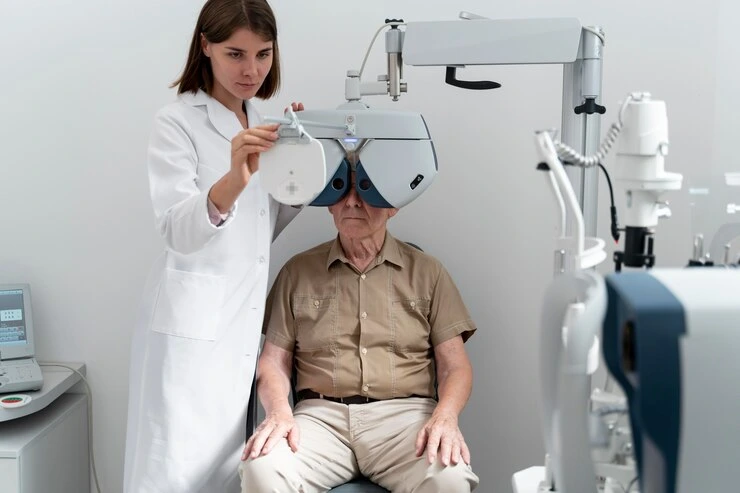
A comprehensive eye examination is necessary to evaluate the overall health of the eyes, particularly checking for signs of diabetic retinopathy. This assessment helps in planning the surgical approach and mitigating potential complications during and after surgery.

4. Medication Adjustments

Patients may need to adjust their diabetes medications before surgery. For instance, insulin-dependent patients might be advised not to take their morning insulin on the day of surgery but to bring it along for administration afterward. Such adjustments help stabilize blood sugar levels around the time of surgery.

5. Avoid Certain Substances

Diabetic patients should avoid:

  • Solid food for at least six hours before surgery.
  • Thick liquids after midnight before the procedure.
  • Alcoholic beverages for at least 24 hours before surgery to reduce risks associated with anesthesia and recovery.

6. Follow Pre-Surgical Instructions

Patients should adhere strictly to any pre-surgical instructions provided by their healthcare team, including using prescribed eye drops or medications as directed. Additionally, they should stop wearing contact lenses several days before the surgery to avoid irritation.

7. Understand Anesthesia Considerations

The choice of anesthesia must be carefully considered for diabetic patients, taking into account their blood sugar control and potential interactions with diabetes medications. Discussing these factors with the surgical team is essential for a safe anesthesia plan.

8. Postoperative Care Planning

Post-surgery, managing blood sugar levels remains a priority to promote healing and minimize complications such as infections or delayed recovery. Regular follow-up appointments are crucial for monitoring both eye health and diabetes management post-surgery.
Cataract Surgery, Best Eye Hospital In Kolkata , Best ophthalmologist in Kolkata , Best Eye specialists in Kolkata , Top eye hospital in Kolkata , best Glaucoma treatment in Kolkata , Best Lasik surgery in Kolkata , Best Cataract Treatment in Kolkata , best cataract surgery in Kolkata , Lasik Surgery Cost in Kolkata , Cataract surgery in Kolkata , Cataract surgery cost in Kolkata , Glaucoma specialist in Kolkata , Refractive surgery in Kolkata , Lasik surgery in Kolkata

Risks Associated with Cataract Surgery in Diabetic Patients

While cataract surgery is generally safe, diabetic patients face unique challenges that require expert attention:

  1. Delayed Healing: Diabetes can slow the healing process, making post-operative care vital to prevent complications such as corneal edema or infection.
  2. Diabetic Retinopathy Progression: The stress of surgery may exacerbate underlying diabetic retinopathy. At Pushpanjali Eye Care, we carefully monitor and manage such conditions to protect your vision.
  3. Macular Edema: Swelling in the central retina (macula) is a common concern post-surgery in diabetic patients. Preventive measures and early intervention are part of our comprehensive care approach.
  4. Higher Risk of Infections: Diabetic patients are more susceptible to infections. Our stringent sterilization protocols and personalized care minimize this risk, making us one of the best eye hospitals in Kolkata for diabetic eye care.

Also Read: How to Prevent Glaucoma from Worsening? 

Cataract Surgery, Best Eye Hospital In Kolkata , Best ophthalmologist in Kolkata , Best Eye specialists in Kolkata , Top eye hospital in Kolkata , best Glaucoma treatment in Kolkata , Best Lasik surgery in Kolkata , Best Cataract Treatment in Kolkata , best cataract surgery in Kolkata , Lasik Surgery Cost in Kolkata , Cataract surgery in Kolkata , Cataract surgery cost in Kolkata , Glaucoma specialist in Kolkata , Refractive surgery in Kolkata , Lasik surgery in Kolkata

How does glycemic control influence the success of cataract surgery in diabetics?

Glycemic control plays a crucial role in the success of cataract surgery for diabetic patients. Poor blood sugar management can lead to several complications that may affect surgical outcomes and recovery. Here’s how glycemic control influences the success of cataract surgery in diabetics:

1. Impact on Healing and Recovery

Maintaining optimal blood glucose levels is essential for wound healing. Elevated blood sugar can impair the body’s ability to heal, leading to:

  • Delayed Wound Healing: High glucose levels can slow down the healing process of the surgical site, increasing the risk of complications such as infections and inflammation.
  • Increased Risk of Infections: Diabetic patients with uncontrolled blood sugar levels are more susceptible to postoperative infections, which can compromise the surgical outcome.

2. Risk of Postoperative Complications

Diabetic patients who have poor glycemic control face a higher likelihood of experiencing complications after cataract surgery:

  • Progression of Diabetic Retinopathy: Poor glycemic control can exacerbate existing diabetic retinopathy or lead to its progression post-surgery. Studies indicate that rapid correction of high blood sugar levels before surgery may increase the risk of worsening retinopathy and maculopathy.
  • Postoperative Hyperglycemia: Stress from surgery can cause temporary spikes in blood glucose levels, which may further complicate recovery if preoperative levels are not well managed.

Cataract Surgery, Best Eye Hospital In Kolkata , Best ophthalmologist in Kolkata , Best Eye specialists in Kolkata , Top eye hospital in Kolkata , best Glaucoma treatment in Kolkata , Best Lasik surgery in Kolkata , Best Cataract Treatment in Kolkata , best cataract surgery in Kolkata , Lasik Surgery Cost in Kolkata , Cataract surgery in Kolkata , Cataract surgery cost in Kolkata , Glaucoma specialist in Kolkata , Refractive surgery in Kolkata , Lasik surgery in Kolkata

3. Preoperative Blood Sugar Targets

To minimize risks, it is recommended that diabetic patients achieve specific blood sugar targets before undergoing cataract surgery:

  • Fasting Blood Sugar: Less than 140 mg/dL.
  • Postprandial Blood Sugar: Less than 200 mg/dL.

Achieving these targets reduces the likelihood of complications and enhances recovery prospects.

4. Influence on Surgical Techniques and Outcomes

Glycemic control can also affect the choice of surgical techniques and overall outcomes:

  • Surgical Technique Adaptations: Surgeons may opt for less invasive techniques, such as small-incision phacoemulsification, which is associated with less inflammation and a lower risk of postoperative complications in diabetic patients.
  • Visual Outcomes: Patients with well-controlled diabetes generally experience better visual outcomes post-surgery compared to those with poor glycemic control. The presence of other diabetic eye diseases, such as diabetic macular edema, also influences visual prognosis.

5. Long-Term Considerations

Long-term glycemic control is critical not only for immediate surgical success but also for maintaining eye health postoperatively:

  • Ongoing Management: Continuous monitoring and management of blood glucose levels after surgery are essential to prevent complications such as recurrent infections or further progression of diabetic eye disease

Best Eye Hospital In Kolkata , Best ophthalmologist in Kolkata , Best Eye specialists in Kolkata , Top eye hospital in Kolkata , best Glaucoma treatment in Kolkata , Best Lasik surgery in Kolkata , Best Cataract Treatment in Kolkata , best cataract surgery in Kolkata , Lasik Surgery Cost in Kolkata , Cataract surgery in Kolkata , Cataract surgery cost in Kolkata , Glaucoma specialist in Kolkata , Refractive surgery in Kolkata , Lasik surgery in Kolkata, cataract surgery

Post-Surgery Care and Recovery

The postoperative period is critical for diabetic patients to ensure successful outcomes. Follow these guidelines for a smooth recovery:

  1. Regular Monitoring: Scheduled follow-ups are essential to track healing and address any complications promptly. At Pushpanjali Eye Care, we provide personalized post-surgery care plans.
  2. Blood Sugar Management: Continue monitoring and maintaining stable blood sugar levels to support the healing process.
  3. Protect Your Eyes: Use prescribed eye drops to prevent infection and inflammation, and avoid strenuous activities that may strain your eyes.
  4. Report Any Issues: If you experience unusual symptoms like pain, redness, or vision changes, contact us immediately for assistance.

FAQ

Q: Is cataract surgery safe for diabetic patients?

A: Yes, cataract surgery is safe for diabetic patients when performed with proper pre-operative assessments and post-operative care.

Q: How does diabetes affect cataract surgery outcomes?

A: Diabetes can slow healing and increase the risk of complications like infections or macular edema, but these risks can be managed with expert care.

Q: What precautions should diabetic patients take before cataract surgery?

A: Patients should maintain stable blood sugar levels, undergo a comprehensive eye exam, and follow their doctor’s instructions on medications.

Q: Can cataract surgery worsen diabetic retinopathy?

A: In some cases, surgery may stress the retina, but with close monitoring and management, progression can be minimized.

Q: Why is Pushpanjali Eye Care a good choice for diabetic cataract surgery?

A: Pushpanjali Eye Care offers advanced technology, experienced ophthalmologists, and personalized care tailored for diabetic patients.

Why Choose Pushpanjali Eye Care?

Pushpanjali Eye Care is recognized as one of the best eye hospitals in Kolkata for its commitment to excellence and patient-centric approach. Our experienced ophthalmologists and advanced technology ensure precise and effective cataract surgery for diabetic patients. From pre-operative evaluations to post-surgery care, we prioritize your eye health and overall well-being.

Conclusion

Cataract surgery for diabetic patients requires meticulous planning and expert care to address the unique risks and challenges involved. At Pushpanjali Eye Care, we combine medical expertise with compassionate care to deliver exceptional outcomes. If you or a loved one is dealing with cataracts and diabetes, don’t hesitate to consult our specialists at one of the best eye hospitals in Kolkata. Take the first step toward a clearer vision and improved quality of life today!
Is Glaucoma Surgery Right for You? Risks and Benefits Explained

Hello Reader!

Welcome to the blog page of Pushpanjali Eye Hospital, one of the best eye care. 

Considering glaucoma surgery? Learn about the risks and benefits of Glaucoma Operation and how it plays a crucial role in protecting your vision. Discover how one of the Best vision care clinic can help you evaluate if this procedure is the right choice for your eye health.

Cataract Surgery, Best Eye Hospital In Kolkata , Best ophthalmologist in Kolkata , Best Eye specialists in Kolkata , Top eye hospital in Kolkata , best Glaucoma treatment in Kolkata , Best Lasik surgery in Kolkata , Best Cataract Treatment in Kolkata , best cataract surgery in Kolkata , Lasik Surgery Cost in Kolkata , Cataract surgery in Kolkata , Cataract surgery cost in Kolkata , Glaucoma specialist in Kolkata , Refractive surgery in Kolkata , Lasik surgery in Kolkata

Understanding Glaucoma Surgery: Types, Benefits, and Risks

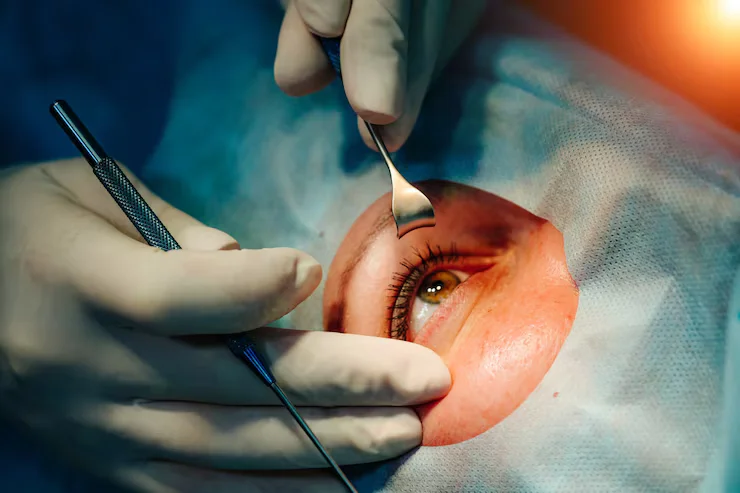
Glaucoma is a serious eye condition that can lead to permanent vision loss if not diagnosed and treated early. One of the most effective ways to manage advanced glaucoma is through Glaucoma Operation. While surgery can be a beneficial treatment option, it’s important to understand both the risks and benefits before making a decision. In this article, we’ll guide you through the different types of Glaucoma Operation, its potential advantages, and the associated risks, helping you make an informed decision about your eye health.

Glaucoma and Its Impact on Your Vision

Glaucoma is a group of eye conditions that damage the optic nerve, often due to increased pressure within the eye. The damage to the optic nerve can lead to irreversible vision loss if left untreated. It’s often referred to as the “silent thief of sight” because it typically doesn’t present noticeable symptoms until significant damage has occurred.

The main goal of glaucoma treatment is to lower the intraocular pressure (IOP) in the eye, which can slow or stop the progression of the disease. Medications, eye drops, and laser treatments are often used initially, but in some cases, Glaucoma Procedure may be necessary to control the pressure and preserve vision.

Types of Glaucoma Surgery

There are several types of Glaucoma Procedure, each tailored to the severity of the condition and the patient’s specific needs. These surgeries aim to improve the drainage of fluid in the eye or reduce the production of fluid to lower the IOP.

1. Trabeculectomy

Trabeculectomy is one of the most common glaucoma surgeries. During this procedure, a small flap is created in the sclera (the white part of the eye) to allow fluid to drain more easily. This helps reduce IOP. It’s often recommended when medications and other treatments are no longer effective.

2. Glaucoma Drainage Implants (Tube Shunts)

A tube shunt is a small device implanted in the eye to help drain excess fluid. This is usually recommended for people with more advanced glaucoma or for those who have had unsuccessful trabeculectomy surgeries.

3. Laser Surgery

Laser surgery is a minimally invasive option that can be used to treat both open-angle and angle-closure glaucoma. One common type of laser surgery is selective laser trabeculoplasty (SLT), which uses a laser to improve fluid drainage.

4. Minimally Invasive Glaucoma Surgery (MIGS)

MIGS is a newer, less invasive option that involves smaller incisions and quicker recovery times. This type of surgery is typically used for patients with mild to moderate glaucoma. MIGS procedures include various approaches, such as the implantation of small devices to improve fluid drainage.

Glaucoma Surger

The Benefits of Glaucoma Surgery

For many people suffering from glaucoma, surgery can offer a way to manage their condition more effectively, especially when other treatments aren’t working. Here are some of the key benefits of Surgical Treatment for Glaucoma:

1. Improved Intraocular Pressure Control

The primary benefit of Eye Pressure Surgery is that it can help lower the IOP, reducing the risk of further optic nerve damage. This can prevent further vision loss and, in some cases, may even help preserve some remaining vision.

2. Reduced Dependence on Medication

For many patients, Eye Pressure Surgery can reduce or eliminate the need for daily eye drops and other medications. This can improve the quality of life by reducing the burden of constant medication management.

3. Long-Term Solution

Surgery can provide a more long-term solution compared to medications and laser treatments, which may need to be repeated. If successful, Eye Pressure Surgery can significantly reduce the need for follow-up treatments and interventions.

4. Minimized Risk of Vision Loss

By reducing intraocular pressure, Eye Pressure Surgery helps minimize the risk of permanent vision loss, allowing you to maintain your quality of life and daily independence.

The Risks of Glaucoma Surgery

Like any surgical procedure, Eye Pressure Surgery carries certain risks. While complications are rare, it’s important to be aware of potential concerns before undergoing the procedure.

1. Infection

As with any eye surgery, there is a risk of infection following Eye Pressure Surgery. Proper post-surgery care and following your doctor’s instructions are crucial to minimizing this risk.

2. Bleeding

There is a small risk of bleeding during or after the surgery, especially for those with certain medical conditions that affect clotting.

3. Vision Changes

While the goal of glaucoma surgery is to preserve vision, there is a small chance that the surgery could result in visual disturbances or even a slight reduction in vision quality.

4. Failure of Surgery

In some cases, the surgery may not work as expected. The drainage hole may close up or the implant may not function properly, which may require further treatments or additional surgery.

5. Cataracts

In some cases, Ocular Surgery for Glaucoma can lead to the development of cataracts, particularly when laser surgery or long-term medication is used as part of the treatment plan.

Is Glaucoma Surgery Right for You?

The decision to undergo glaucoma surgery is a personal one and should be made in consultation with a trusted eye care professional. If you have been diagnosed with glaucoma and your condition is not adequately controlled through medication or laser therapy, surgery may be a suitable option. However, it’s important to consider factors such as your overall health, the severity of your glaucoma, and your risk tolerance for potential complications.

Glaucoma Surgery

Frequently Asked Questions About Glaucoma Surgery

Q1: Will I need to stay in the hospital after Ocular Surgery for Glaucoma?

Most glaucoma surgeries are outpatient procedures, meaning you can go home the same day. However, your doctor may require a follow-up visit to monitor your recovery.

Q2: How long does it take to recover from Glaucoma Procedure?

Recovery time varies depending on the type of surgery performed. For example, minimally invasive glaucoma surgery (MIGS) typically has a shorter recovery time compared to traditional surgeries like trabeculectomy. Full recovery may take several weeks, during which you’ll need to follow your doctor’s post-surgery care instructions closely.

Q3: Will I experience pain after glaucoma surgery?

While you may experience some discomfort or mild pain after the procedure, it is generally manageable with prescribed pain relief. Your doctor will guide you on what to expect and how to manage any discomfort.

Q4: How successful is Optic Nerve Pressure Surgery in controlling intraocular pressure?

Optic Nerve Pressure Surgery is generally very effective in lowering intraocular pressure. However, its success depends on the type of surgery, your individual condition, and how well you follow post-surgery care instructions.

Q5: Can Optic Nerve Pressure Surgery restore vision that has already been lost?

No, Optic Nerve Pressure Surgery is intended to prevent further vision loss rather than restore vision that has already been lost. Early intervention is crucial for preserving vision.

Glaucoma Surgery: Weighing the Risks and Benefits for Better Vision

Glaucoma surgery can be a life-changing decision for many patients, offering relief from the constant management of eye drops and medications while protecting against further vision loss. Understanding the risks and benefits of the procedure is essential to making an informed decision. If you or a loved one is considering glaucoma surgery, consult with an experienced eye care professional who can guide you through the process and help you understand your options.

At the Best Eye Hospital In Kolkata, we provide comprehensive eye care, from diagnosis to treatment, ensuring that each patient receives the best possible care tailored to their unique needs. Whether it’s through medication, laser treatment, or surgery, we are here to help you navigate the best solutions for your eye health.

How to Prevent Glaucoma from Worsening? 

Hello Reader!

Welcome to the blog page of Pushpanjali Eye Care one of the best vision care clinic. Today in this blog we will share with you the tips to prevent Glaucoma from Worsening.

Glaucoma is a group of eye conditions that can damage the optic nerve, often linked to increased intraocular pressure. If left untreated, it may lead to permanent vision loss. At Pushpanjali Eye Care, one of the best eye hospitals in Kolkata, we prioritize early detection and effective treatment to prevent this from worsening. With our team of experienced Doctors, advanced diagnostics, and personalized care plans, you can safeguard your vision effectively.

Best Eye Hospital In Kolkata , Best ophthalmologist in Kolkata , Best Eye specialists in Kolkata , Top eye hospital in Kolkata , best Glaucoma treatment in Kolkata , Best Lasik surgery in Kolkata , Best Cataract Treatment in Kolkata , best cataract surgery in Kolkata , Lasik Surgery Cost in Kolkata , Cataract surgery in Kolkata , Cataract surgery cost in Kolkata , Glaucoma specialist in Kolkata , Refractive surgery in Kolkata , Lasik surgery in Kolkata, Prevent Glaucoma from Worsening

Understanding Glaucoma and Its Impact

Glaucoma often develops without noticeable symptoms until significant damage has occurred. While it cannot be cured, its progression can be slowed or halted with timely intervention. The goal of treatment is to reduce intraocular pressure and prevent further optic nerve damage.

Are there any specific symptoms that require immediate attention from my glaucoma doctor?

Certain symptoms associated with this require immediate attention from your glaucoma doctor, particularly because they can indicate a serious condition known as acute angle-closure glaucoma. Recognizing these symptoms early can be crucial in preventing permanent vision loss. Here are the key symptoms to watch for:

Symptoms Requiring Immediate Attention

  1. Severe Eye Pain: If you experience intense pain in one or both eyes, it may signal an acute attack of eye disease. This pain is often described as the worst eye pain a person has ever felt.
  2. Sudden Blurred Vision: A rapid change in vision, particularly if it becomes blurry suddenly, is a critical sign that should not be ignored.
  3. Seeing Halos Around Lights: The appearance of rainbow-colored rings or halos around lights can indicate increased intraocular pressure, which is common in acute angle-closure glaucoma.
  4. Headaches: Severe headaches, especially those localized around the eye or forehead, can accompany other symptoms and warrant immediate medical evaluation.
  5. Nausea and Vomiting: These symptoms often occur alongside severe eye pain and can indicate a serious condition requiring urgent care.
  6. Eye Redness: A noticeable redness in the eye, particularly if accompanied by other symptoms like pain or blurred vision, should prompt a visit to your an eye doctor.
  7. Decreased Vision: Any sudden loss of vision or significant changes in your ability to see clearly should be treated as an emergency.

Importance of Prompt Action

If you experience any of these symptoms, it is essential to seek medical attention immediately. Delaying treatment can lead to irreversible damage to the optic nerve and permanent vision loss. Acute angle-closure glaucoma is considered a medical emergency; therefore, contacting your eye care provider or visiting an emergency room is crucial.

Regular Monitoring

Even if you do not experience these severe symptoms, regular check-ups with your glaucoma doctor are vital for managing the condition effectively. Early-stage glaucoma often presents no symptoms, making routine examinations essential for early detection and intervention.

Best Eye Hospital In Kolkata , Best ophthalmologist in Kolkata , Best Eye specialists in Kolkata , Top eye hospital in Kolkata , best Glaucoma treatment in Kolkata , Best Lasik surgery in Kolkata , Best Cataract Treatment in Kolkata , best cataract surgery in Kolkata , Lasik Surgery Cost in Kolkata , Cataract surgery in Kolkata , Cataract surgery cost in Kolkata , Glaucoma specialist in Kolkata , Refractive surgery in Kolkata , Lasik surgery in Kolkata, Prevent Glaucoma from Worsening

Tips to Prevent Glaucoma from Worsening

  1. Regular Eye Check-Ups

Early detection is critical. Regular eye exams allow for the timely identification of glaucoma. At Pushpanjali Eye Care, our Glaucoma Doctors use advanced diagnostic tools to monitor intraocular pressure and assess the optic nerve.

  1. Follow Your Doctor’s Advice

Strictly adhere to the treatment plan prescribed by your ophthalmologist. Whether it’s eye drops, medications, or lifestyle changes, consistency is essential to manage intraocular pressure effectively.

  1. Consider Surgical Options if Advised

In some cases, medications alone may not suffice. Advanced Glaucoma Surgery techniques, such as laser treatments or minimally invasive procedures, can offer long-term relief. At Pushpanjali Eye Care, we specialize in cutting-edge Glaucoma operations options tailored to each patient’s needs.

  1. Maintain a Healthy Lifestyle
    • Exercise Regularly: Moderate physical activity can help reduce eye pressure. Consult with your doctor about suitable exercises.
    • Healthy Diet: Include foods rich in antioxidants, such as leafy greens and fish high in omega-3 fatty acids, to support eye health.
    • Hydration: Drink water in small amounts throughout the day rather than consuming large quantities at once to avoid sudden pressure spikes.
  1. Protect Your Eyes
    • Avoid Eye Strain: Limit prolonged exposure to screens and take frequent breaks during visually intensive tasks.
    • Wear Eye Protection: Use protective eyewear during activities that may increase the risk of eye injury.
  1. Monitor Chronic Conditions

Conditions such as diabetes and hypertension can exacerbate glaucoma. Proper management of these conditions is vital to prevent glaucoma from worsening.

Also Read: What are the Advancements in Corneal Surgery?

Best Eye Hospital In Kolkata , Best ophthalmologist in Kolkata , Best Eye specialists in Kolkata , Top eye hospital in Kolkata , best Glaucoma treatment in Kolkata , Best Lasik surgery in Kolkata , Best Cataract Treatment in Kolkata , best cataract surgery in Kolkata , Lasik Surgery Cost in Kolkata , Cataract surgery in Kolkata , Cataract surgery cost in Kolkata , Glaucoma specialist in Kolkata , Refractive surgery in Kolkata , Lasik surgery in Kolkata, Prevent Glaucoma from Worsening

How often should I visit a glaucoma doctor for regular check-ups?

For individuals diagnosed with glaucoma, regular check-ups with a glaucoma doctor are essential for effective management of the condition. The frequency of these visits can vary based on the severity of the disease and individual circumstances. Here’s a detailed overview of how often you should expect to see your glaucoma specialist:

General Recommendations

  1. Early-Stage Glaucoma: If you have been diagnosed with early-stage glaucoma, it is typically recommended to visit your glaucoma doctor every 6 to 12 months. During these visits, the doctor will monitor intraocular pressure (IOP), assess the optic nerve, and conduct visual field tests to track any changes in your condition.
  2. Moderate to Severe Glaucoma: For patients with more advanced or difficult-to-control glaucoma, follow-up appointments may be required every 3 to 6 months. This increased frequency allows for closer monitoring and timely adjustments to treatment plans as necessary.
  3. Stable Patients: If your glaucoma is well-managed and stable, some doctors may recommend extending the interval between visits to once a year. However, it’s crucial to maintain regular communication with your glaucoma specialist about any changes in your vision or symptoms.

Factors Influencing Visit Frequency

  • Severity of Glaucoma: The more severe the condition, the more frequent the visits. Patients with significant risk factors or those experiencing rapid changes in their condition will require more frequent monitoring.
  • Treatment Adjustments: If you are undergoing changes in medication or considering options like glaucoma surgery, more frequent visits will be necessary to evaluate the effectiveness of these treatments.
  • Age and Risk Factors: Individuals over 60 or those with a family history of glaucoma may need more regular check-ups due to increased risk factors associated with age.

Importance of Regular Check-Ups

Regular visits to a glaucoma doctor are crucial for several reasons:

  • Early Detection of Changes: Since glaucoma can progress without noticeable symptoms, regular examinations help detect any changes early, allowing for timely intervention to prevent further vision loss.
  • Monitoring Treatment Effectiveness: Frequent check-ups enable your doctor to assess whether your current treatment plan is effective and make necessary adjustments based on your IOP readings and overall eye health.
  • Patient Education: These appointments also provide an opportunity for patients to ask questions, discuss concerns, and receive guidance on lifestyle changes that can help manage their condition.
Best Eye Hospital In Kolkata , Best ophthalmologist in Kolkata , Best Eye specialists in Kolkata , Top eye hospital in Kolkata , best Glaucoma treatment in Kolkata , Best Lasik surgery in Kolkata , Best Cataract Treatment in Kolkata , best cataract surgery in Kolkata , Lasik Surgery Cost in Kolkata , Cataract surgery in Kolkata , Cataract surgery cost in Kolkata , Glaucoma specialist in Kolkata , Refractive surgery in Kolkata , Lasik surgery in Kolkata, Prevent Glaucoma from Worsening

What are the risks of not adhering to glaucoma medication?

Not adhering to glaucoma medication can have serious consequences for patients, leading to a range of risks that can significantly impact eye health and overall quality of life. Here are the primary risks associated with noncompliance:

1. Progressive Visual Impairment

Failure to follow prescribed glaucoma treatments often results in progressive visual impairment. Glaucoma is a chronic condition characterized by damage to the optic nerve, typically due to elevated intraocular pressure (IOP). Without effective treatment, this damage can worsen, leading to significant vision loss over time. Studies indicate that poor medication adherence is directly linked to increased rates of visual field loss and worsening of the disease.

2. Increased Risk of Blindness

Approximately 10% of glaucoma-related blindness can be attributed to patients not adhering to their medication regimens. As the disease progresses without treatment, the likelihood of complete vision loss increases dramatically. Regular use of prescribed medications is essential for controlling IOP and preventing irreversible damage.

3. Higher Healthcare Costs

Nonadherence can lead to more severe disease progression, which may necessitate more intensive and costly interventions, including glaucoma surgery or other advanced treatments. Patients who do not stick to their treatment plans may find themselves facing higher healthcare expenses due to complications arising from untreated glaucoma.

4. Increased Frequency of Doctor Visits

Patients who do not adhere to their medication may experience more frequent episodes of elevated IOP and associated complications, resulting in more regular visits to healthcare providers. This not only places a burden on the healthcare system but also on the patient’s time and finances.

5. Potential for Emotional and Psychological Impact

Living with a chronic condition like glaucoma can be stressful, especially when patients are aware that their nonadherence could lead to worsening vision loss. This situation can result in feelings of anxiety, depression, or frustration as patients grapple with the consequences of their choices.

6. Misunderstanding the Severity of the Condition

Many patients fail to recognize the seriousness of glaucoma because it often presents with few or no symptoms in its early stages. This lack of awareness can lead to a false sense of security, causing them to skip doses or discontinue treatment when they perceive their condition as stable. Educational efforts are crucial in helping patients understand the importance of consistent medication use.

Best Eye Hospital In Kolkata , Best ophthalmologist in Kolkata , Best Eye specialists in Kolkata , Top eye hospital in Kolkata , best Glaucoma treatment in Kolkata , Best Lasik surgery in Kolkata , Best Cataract Treatment in Kolkata , best cataract surgery in Kolkata , Lasik Surgery Cost in Kolkata , Cataract surgery in Kolkata , Cataract surgery cost in Kolkata , Glaucoma specialist in Kolkata , Refractive surgery in Kolkata , Lasik surgery in Kolkata, Prevent Glaucoma from Worsening

What lifestyle changes can help manage glaucoma more effectively?

Managing glaucoma effectively often involves making specific lifestyle changes that can help lower intraocular pressure (IOP) and reduce the risk of further vision loss. Here are some key modifications that can support your eye health:

1. Healthy Diet

A balanced diet rich in antioxidants and essential nutrients can significantly impact eye health. Consider incorporating the following:

  • Fruits and Vegetables: Focus on dark leafy greens (like spinach and kale), carrots, and colorful fruits such as berries and citrus fruits. These foods are high in vitamins A and C, which are beneficial for eye health.
  • Omega-3 Fatty Acids: Include sources of omega-3s, such as fish (salmon, mackerel), nuts, and flaxseeds, which may help lower IOP.
  • Limit Caffeine: Be mindful of caffeine consumption as excessive intake can temporarily increase IOP. Moderation is key.

2. Regular Exercise

Engaging in regular physical activity is crucial for managing glaucoma:

  • Aerobic Exercise: Activities like brisk walking, swimming, or jogging can help reduce IOP. Aim for at least 30 to 45 minutes of moderate exercise most days of the week.
  • Strength Training: Incorporating strength training exercises can also be beneficial, but avoid positions that keep your head down for prolonged periods, as this may elevate IOP.

3. Stress Management

Chronic stress can negatively affect your eye health. Implementing stress-reduction techniques can be beneficial:

  • Meditation and Mindfulness: Studies suggest that mindfulness practices may help lower IOP. Consider incorporating daily meditation into your routine.
  • Yoga: While yoga can be helpful, avoid poses that require prolonged head-down positions to prevent increased pressure in the eyes.

4. Avoid Smoking and Limit Alcohol

  • Quit Smoking: Smoking is detrimental to overall health and has been linked to faster progression of glaucoma. Quitting smoking is vital for protecting your vision.
  • Moderate Alcohol Intake: Excessive alcohol consumption can raise IOP; therefore, it’s advisable to limit your intake to moderate levels.

5. Stay Hydrated

Proper hydration is essential for maintaining eye health:

  • Drink plenty of water throughout the day to help regulate IOP. Dehydration can lead to increased pressure within the eye.

6. Sleep Position

Your sleeping position may also impact IOP:

  • Research indicates that sleeping on your back (supine position) can increase eye pressure. Consider elevating your head while sleeping by 20 to 30 degrees to mitigate this effect.
Best Eye Hospital In Kolkata , Best ophthalmologist in Kolkata , Best Eye specialists in Kolkata , Top eye hospital in Kolkata , best Glaucoma treatment in Kolkata , Best Lasik surgery in Kolkata , Best Cataract Treatment in Kolkata , best cataract surgery in Kolkata , Lasik Surgery Cost in Kolkata , Cataract surgery in Kolkata , Cataract surgery cost in Kolkata , Glaucoma specialist in Kolkata , Refractive surgery in Kolkata , Lasik surgery in Kolkata, Prevent Glaucoma from Worsening

FAQ

1. Can glaucoma be completely cured?

No, glaucoma cannot be cured, but its progression can be managed effectively with regular treatment, medication, or surgery.

2. How often should I see a doctor for glaucoma monitoring?

Patients with glaucoma should visit their doctor every 3-6 months or as recommended by their specialist for regular eye exams and pressure checks.

3. What lifestyle changes can help prevent glaucoma from worsening?

Maintain a healthy lifestyle with regular exercise, a balanced diet rich in eye-healthy nutrients, and proper management of chronic conditions like diabetes or hypertension.

4. When is glaucoma surgery necessary?

Glaucoma surgery is recommended when medications and other treatments fail to control intraocular pressure effectively.

5. Why is regular monitoring important for glaucoma?

Glaucoma is often asymptomatic in the early stages. Regular monitoring helps detect and address changes in eye pressure, preventing further optic nerve damage.

Why Choose Pushpanjali Eye Care?

As one of the best eye hospitals in Kolkata, Pushpanjali Eye Care offers:

  • A dedicated team of experienced Glaucoma Doctors.
  • Advanced diagnostic and treatment technologies.
  • Comprehensive care, including medical management and Glaucoma Surgery.
  • A patient-centered approach focusing on long-term vision health.

Take Action Today

Glaucoma is a lifelong condition that requires vigilant management. By partnering with experienced Glaucoma Doctors at Pushpanjali Eye Care, you can take proactive steps to protect your vision. Whether it’s routine check-ups, advanced Glaucoma Surgery, or lifestyle advice, our team is here to support you every step of the way.

If you or a loved one is at risk of glaucoma or currently managing the condition, don’t wait. Visit Pushpanjali Eye Care, one of the best eye hospitals in Kolkata, and let us help you prevent glaucoma from worsening. Your eyes deserve the best care, and we’re committed to delivering just that.

What Are the Top 5 Lifestyle Changes to Prevent Glaucoma?

Hello Reader!

Welcome to the blog page of Pushpanjali Eye Hospital, one of the best ophthalmology care. 

Discover 5 essential lifestyle changes to prevent glaucoma and protect your vision. Learn how regular checkups at one of the Best Eye Hospitals, along with diet, exercise, and stress management, can help.

Prevent Glaucoma

Prevent Glaucoma: 5 Lifestyle Changes for Healthy Vision

Glaucoma is a silent yet dangerous eye condition that gradually damages the optic nerve, often due to increased pressure inside the eye. It is one of the leading causes of irreversible blindness worldwide, affecting millions of people. What makes it’s particularly concerning is its lack of early symptoms—by the time you notice a problem, significant damage may already have occurred.

While factors like genetics, age, and family history play a role in eye care development, lifestyle habits can also have a major impact. The good news? Small but significant changes to your daily routine can help you prevent glaucoma and preserve your vision for the long term.

In this blog, we will explore five essential lifestyle changes that can help reduce your risk of developing optic nerve disease and support overall eye health. Whether you’re concerned about your vision or simply want to take preventive measures, these practical tips will guide you toward a healthier and brighter future.

To learn more visit our blog: https://pushpanjalieyecare.com/blogs/understanding-glaucoma-prevention-and-treatment-at-pushpanjali-eye-care-the-best-eye-hospital-in-kolkata/

1. Schedule Regular Eye Checkups

The most important step in preventing an eye disease is to have routine comprehensive eye examinations. Since glaucoma often develops without any noticeable symptoms in its early stages, early detection is key to preventing irreversible damage.

Why Are Regular Eye Exams Crucial?

  • Glaucoma typically progresses gradually and can go unnoticed for years without an eye exam.
  • Routine checkups allow eye specialists to measure eye pressure, examine the optic nerve, and check your visual field.
  • Individuals over 40, those with a family history of eye disease, or people with medical conditions like diabetes are at higher risk and should have annual eye exams.

By choosing a trusted facility like the Best Eye Hospital, you ensure your eyes receive the expert attention they deserve. Early detection and timely treatment can slow the disease’s progression and prevent vision loss.

2. Maintain a Nutrient-Rich Diet

What you eat can directly impact your eye health. A diet rich in essential nutrients not only boosts your overall well-being but also helps protect your optic nerve and lower the risk of developing glaucoma.

Nutrients That Promote Eye Health:

  • Vitamin C: Found in citrus fruits, broccoli, and tomatoes, it helps reduce oxidative stress on the eyes.
  • Omega-3 Fatty Acids: Fatty fish like salmon and sardines contain omega-3s, which support proper blood flow to the eyes.
  • Lutein and Zeaxanthin: Leafy greens like spinach, kale, and collard greens protect the eyes from oxidative damage.
  • Zinc and Vitamin E: Nuts, seeds, and legumes are excellent sources that maintain eye function.

What to Avoid:

  • Limit caffeine, as excessive intake may increase eye pressure.
  • Cut back on salty and highly processed foods, which can contribute to hypertension and poor eye health.

Tip: Add plenty of fresh fruits, vegetables, and omega-rich foods to your meals. Proper nutrition is a natural yet powerful way to prevent compressive optic neuropathies  and maintain healthy eyes.

3. Stay Active with Regular Exercise

Physical activity is not only essential for overall health but also beneficial in maintaining proper eye pressure and reducing your risk of narrow-angle of an eye. Regular exercise improves blood flow to the eyes and keeps intraocular pressure in check.

Best Exercises for Eye Health:

  • Cardio Exercises: Walking, jogging, swimming, and cycling help improve circulation and reduce eye pressure.
  • Yoga: Gentle yoga poses improve relaxation and reduce stress, but avoid positions where the head is inverted, as they can raise eye pressure.
  • Breathing Techniques: Activities like deep breathing and meditation lower stress, which is indirectly linked to better eye health.

Exercise Tips:

  • Aim for 30 minutes of moderate exercise at least 4-5 times a week.
  • If you’ve already been diagnosed with glaucoma, consult an eye specialist before starting a new fitness routine.

Did You Know? Studies have shown that aerobic exercise can lower intraocular pressure for up to 24 hours after a workout. Staying active is a simple yet effective way to manage your eye health.

4. Protect Your Eyes from UV Rays

Excessive exposure to harmful UV rays can damage the optic nerve over time, increasing your risk of developing glaucoma. Taking proper steps to protect your eyes from sunlight is a smart preventive measure.

How to Protect Your Eyes from UV Rays:

  • Wear Sunglasses: Choose sunglasses that block 100% of UVA and UVB rays.
  • Use Hats: A wide-brimmed hat provides extra protection when outdoors.
  • Avoid Prolonged Sun Exposure: Minimize your time outdoors during peak sunlight hours (10 AM–4 PM).

Tip: UV damage is cumulative, which means consistent eye protection throughout your life is essential for long-term eye health.

5. Manage Stress and Reduce Eye Strain

Stress and digital eye strain can negatively affect your overall health and indirectly impact your risk of developing glaucoma. Chronic stress may elevate blood pressure and intraocular pressure, making stress management essential for eye care.

How to Reduce Stress and Eye Strain:

  • Practice the 20-20-20 Rule: For every 20 minutes spent staring at screens, look at an object 20 feet away for 20 seconds.
  • Sleep Well: Aim for 7-8 hours of restful sleep every night to promote eye recovery and reduce stress.
  • Meditation and Relaxation: Techniques like mindfulness, deep breathing, and yoga help lower stress levels.

Did You Know? Digital eye strain can cause headaches, dry eyes, and blurred vision. By managing screen time and stress, you can support your eye health and overall well-being.

If you want to know more about Glaucoma Treatment you can visit our pages.

How Regular Checkups Help Prevent Glaucoma

When it comes to preventing an eye disease, regular eye checkups are the cornerstone of care. Early detection and proper management can significantly reduce your risk of vision loss. Best Eye Hospital, provide specialized glaucoma screening and treatment to protect your vision.

Prevent Glaucoma

FAQs Regarding Prevent Glaucoma

1. What causes glaucoma?

Glaucoma is primarily caused by increased eye pressure, which damages the optic nerve. Genetics, age, and underlying medical conditions like diabetes can increase the risk.

2. How often should I have an eye checkup to prevent glaucoma?

If you’re over 40 or at higher risk, schedule an eye exam annually. Otherwise, every 1-2 years is sufficient.

3. Can lifestyle changes completely prevent glaucoma?

While lifestyle changes significantly lower your risk, glaucoma prevention also requires regular eye checkups and monitoring.

4. Is glaucoma treatable?

While it cannot be cured, glaucoma can be managed effectively with medication, laser treatment, or surgery if caught early.

5. Does screen time worsen glaucoma?

Screen time doesn’t directly cause glaucoma, but prolonged exposure can lead to eye strain. Proper screen habits protect your overall eye health.

Simple Lifestyle Changes to Prevent Glaucoma and Protect Your Vision

Glaucoma may be a silent and progressive condition, but with awareness and preventive measures, you can protect your vision for the future. By implementing these five lifestyle changes—getting regular eye checkups, maintaining a healthy diet, staying active, protecting your eyes from UV rays, and managing stress—you can significantly reduce your risk of developing an eye disease.

Eye care starts with you. Prioritizing routine checkups at trusted facilities like the Best Eye Hospital in Kolkata, ensures you receive expert guidance and early intervention. Your vision is priceless, and proactive care is the key to preventing acute eye disease and maintaining healthy eyesight for years to come.

Take charge of your eye health today—small steps make a big difference!

What are the Advancements in Corneal Surgery?

The Latest Advancements in Corneal Transplant Surgery

Hello Reader!

Welcome to the blog page of Pushpanjali Eye Care, one of the best eye vision clinic. 

The cornea, the clear outermost layer of the eye, plays a critical role in focusing light onto the retina. Any cornea damage or disease can lead to significant vision impairment or blindness. However, with advancements in medical technology and surgical techniques, corneal surgery has radically transformed, offering new hope for patients. At Pushpanjali Eye Care, recognized as one of the best eye hospital in Kolkata, we are committed to staying at the forefront of these advancements to provide world-class eye care.

Best Eye Hospital In Kolkata , Best ophthalmologist in Kolkata , Best Eye specialists in Kolkata , Top eye hospital in Kolkata , best Glaucoma treatment in Kolkata , Best Lasik surgery in Kolkata , Best Cataract Treatment in Kolkata , best cataract surgery in Kolkata , Lasik Surgery Cost in Kolkata , Cataract surgery in Kolkata , Cataract surgery cost in Kolkata , Glaucoma specialist in Kolkata , Refractive surgery in Kolkata , Lasik surgery in Kolkata, Corneal Surgery

Understanding Corneal Surgery

Corneal surgery involves procedures aimed at treating corneal diseases, injuries, or conditions like keratoconus, corneal scars, infections, and dystrophies. With the advent of innovative technologies, corneal surgeries are now less invasive, more precise, and have significantly improved patient outcomes.

Key Advancements in Corneal Surgery

1. Femtosecond Laser-Assisted Surgery

The integration of femtosecond laser technology has revolutionized corneal transplantation and refractive surgeries. This technology allows surgeons to create precise incisions, leading to faster recovery and improved vision outcomes. At Pushpanjali Eye Care, we leverage this cutting-edge technology to ensure optimal results for our patients, reaffirming our reputation as one of the best ophthalmology clinic.

2. DMEK (Descemet Membrane Endothelial Keratoplasty)

DMEK is a minimally invasive procedure that involves replacing only the damaged endothelial layer of the cornea. This technique offers faster visual recovery, reduced rejection rates, and a more natural optical result compared to traditional full-thickness transplants.

3. DSAEK (Descemet Stripping Automated Endothelial Keratoplasty)

DSAEK is another advanced corneal transplant technique where a thin layer of donor corneal tissue, including the endothelial layer, is transplanted. It has become a standard for treating endothelial disorders, such as Fuchs’ dystrophy.

4. Artificial Corneas (Keratoprosthesis)

For patients who cannot benefit from traditional corneal transplants, artificial corneas (keratoprosthesis) offer a viable solution. This technology provides vision restoration to patients with severe corneal damage.

5. Corneal Cross-Linking (CXL)

Corneal cross-linking is a non-invasive treatment primarily used for keratoconus. This technique strengthens the cornea by increasing collagen cross-links, preventing further thinning and distortion.

6. 3D-Printed Corneas

3D printing has opened new frontiers in corneal surgery. Scientists are now able to create biocompatible corneal implants using patient-specific data, potentially eliminating the dependency on donor tissue in the future.

7. Advanced Imaging and Diagnostic Tools

Technologies like anterior segment OCT (optical coherence tomography) and Scheimpflug imaging have enhanced the precision of corneal surgeries. These diagnostic tools provide detailed images of the cornea, allowing surgeons to plan and execute procedures with greater accuracy.

Also Read: What Causes a Corneal Abrasion and Why Is It So Painful?

Best Eye Hospital In Kolkata , Best ophthalmologist in Kolkata , Best Eye specialists in Kolkata , Top eye hospital in Kolkata , best Glaucoma treatment in Kolkata , Best Lasik surgery in Kolkata , Best Cataract Treatment in Kolkata , best cataract surgery in Kolkata , Lasik Surgery Cost in Kolkata , Cataract surgery in Kolkata , Cataract surgery cost in Kolkata , Glaucoma specialist in Kolkata , Refractive surgery in Kolkata , Lasik surgery in Kolkata, Corneal Surgery

What are the latest advancements in artificial cornea implantation?

Latest Advancements in Artificial Cornea Implantation

Artificial cornea implantation has seen significant advancements aimed at addressing the global shortage of donor corneas and improving patient outcomes. With millions of individuals affected by corneal blindness, innovative solutions are being developed to provide effective alternatives to traditional corneal transplants. Here are some of the latest advancements in this field.

1. Synthetic Corneal Implants

Researchers at Cardiff University have pioneered fully synthetic corneal implants designed to alleviate the shortage of donor tissues. These implants are made from collagen analogs, which not only simplify the manufacturing process but also reduce costs. Importantly, they are engineered to suppress inflammation and promote tissue regeneration, which is crucial for long-term success in patients awaiting transplantation. This development presents a promising alternative for those suffering from corneal diseases, as it mitigates the risks associated with immune rejection that often accompany traditional transplants.

2. Minimally Invasive Techniques

Recent studies have introduced bioengineered corneal tissues that can be implanted using minimally invasive methods. One such innovation involves a cell-free engineered corneal tissue known as BPCDX, which can be inserted into an intrastromal pocket within the recipient’s cornea without removing existing tissue or using sutures. This technique has shown significant improvements in corneal thickness and visual acuity in clinical trials conducted in India and Iran, demonstrating outcomes comparable to standard corneal transplantation but with a simpler surgical approach.

3. Advances in Keratoprostheses

The field of keratoprostheses (KPros) has also evolved, with new synthetic designs that enhance biointegration with native tissues. The AlphaCor™, a synthetic polymer keratoprosthesis, has been improved to minimize complications such as stromal melting and optic deposition. These advancements aim to create more durable and effective artificial corneas that can better replicate the natural structure and function of human corneas.

4. Cell Therapy Approaches

Innovative cell therapy techniques are being explored to reduce the need for donor corneas altogether. For instance, companies like Eversight are conducting clinical trials that involve injecting healthy donor corneal endothelial cells directly into the eye. This approach aims to repopulate diseased corneas with functional cells, potentially eliminating the need for transplantation. Such therapies could significantly increase the number of patients treated with just one donor cornea, addressing both supply issues and improving patient outcomes.

5. Hygelix™ Technology

A new patented technology called Hygelix™ is being developed by researchers at the University of Melbourne in collaboration with Eversight USA. This innovative method enhances the adherence of donor corneal endothelium during transplantation, allowing it to “pop-up” like a tent when implanted. This technique is expected to improve surgical outcomes for patients undergoing corneal transplants and is currently undergoing pre-clinical trials.

Best Eye Hospital In Kolkata , Best ophthalmologist in Kolkata , Best Eye specialists in Kolkata , Top eye hospital in Kolkata , best Glaucoma treatment in Kolkata , Best Lasik surgery in Kolkata , Best Cataract Treatment in Kolkata , best cataract surgery in Kolkata , Lasik Surgery Cost in Kolkata , Cataract surgery in Kolkata , Cataract surgery cost in Kolkata , Glaucoma specialist in Kolkata , Refractive surgery in Kolkata , Lasik surgery in Kolkata, Corneal Surgery

What are the potential risks associated with corneal transplantation?

Corneal transplantation, while generally considered a safe and effective procedure, carries several potential risks and complications that patients should be aware of. Understanding these risks is crucial for anyone considering the surgery, as they can impact both the short-term recovery and long-term success of the transplant.

1. Graft Rejection

One of the most significant risks associated with corneal transplantation is graft rejection. This occurs when the body’s immune system identifies the transplanted cornea as foreign and attempts to attack it. The incidence of rejection varies, with approximately 10-20% of patients experiencing some form of rejection after full-thickness corneal transplants. Symptoms may include redness, sensitivity to light, and cloudy vision. Fortunately, early detection and treatment with steroid eye drops can often reverse this condition if addressed promptly.

2. Infection

Infection is another potential complication that can arise post-surgery. This can occur due to bacteria, viruses, or fungi entering through surgical wounds. Post-operative infections can lead to serious complications, including endophthalmitis, which is an inflammation of the interior of the eye that can threaten vision. Patients are advised to monitor for signs of infection, such as increased pain, redness, or discharge from the eye.

3. Elevated Intraocular Pressure (Glaucoma)

Corneal transplantation can lead to elevated intraocular pressure, commonly referred to as glaucoma. This condition may develop due to inflammation or as a side effect of medications used during recovery. Secondary glaucoma was reported in about 13% of cases in some studies, making it a significant concern for postoperative management. Regular monitoring and treatment are essential to prevent damage to the optic nerve.

4. Cataracts

Patients who undergo corneal transplantation may also be at risk for developing cataracts, which is a clouding of the eye’s lens that can impair vision. This complication can occur due to the surgical procedure itself or as a side effect of corticosteroid medications used to prevent rejection.

5. Other Complications

Other potential complications include:

  • Astigmatism: Irregularities in the shape of the cornea after surgery can lead to distorted vision.
  • Wound Dehiscence: This refers to the reopening of surgical wounds, which may require additional treatment.
  • Retinal Detachment: Although rare, this serious condition occurs when the retina pulls away from its normal position and can lead to vision loss if not treated urgently.
  • Keratitis: Inflammation of the cornea itself can occur post-surgery, leading to discomfort and vision issues.
Best Eye Hospital In Kolkata , Best ophthalmologist in Kolkata , Best Eye specialists in Kolkata , Top eye hospital in Kolkata , best Glaucoma treatment in Kolkata , Best Lasik surgery in Kolkata , Best Cataract Treatment in Kolkata , best cataract surgery in Kolkata , Lasik Surgery Cost in Kolkata , Cataract surgery in Kolkata , Cataract surgery cost in Kolkata , Glaucoma specialist in Kolkata , Refractive surgery in Kolkata , Lasik surgery in Kolkata, Corneal Surgery

Why Choose Pushpanjali Eye Care for Corneal Surgery?

As one of the best eye hospitals in Kolkata, Pushpanjali Eye Care is dedicated to offering the latest advancements in corneal surgery. Here’s why patients trust us:

  1. Expert Team: Our surgeons are highly trained in advanced corneal procedures, ensuring exceptional care for every patient.
  2. State-of-the-art technology: We invest in the latest equipment and techniques to provide cutting-edge solutions.
  3. Personalized Care: Every patient receives tailored treatment plans designed for their unique needs.
  4. Comprehensive Eye Care: From diagnostics to post-operative care, we offer a holistic approach to eye health.

The Future of Corneal Surgery

With ongoing research and technological advancements, the future of corneal surgery holds immense promise. Innovations such as gene therapy, regenerative medicine, and bioengineered corneas are expected to further revolutionize this field, offering improved outcomes and accessibility to more patients.

At Pushpanjali Eye Care, we are excited to be part of this transformative journey. Our commitment to excellence ensures that we remain one of the bestopthalmology clinic, providing our patients with the best possible care and the latest advancements in corneal surgery.

Best Eye Hospital In Kolkata , Best ophthalmologist in Kolkata , Best Eye specialists in Kolkata , Top eye hospital in Kolkata , best Glaucoma treatment in Kolkata , Best Lasik surgery in Kolkata , Best Cataract Treatment in Kolkata , best cataract surgery in Kolkata , Lasik Surgery Cost in Kolkata , Cataract surgery in Kolkata , Cataract surgery cost in Kolkata , Glaucoma specialist in Kolkata , Refractive surgery in Kolkata , Lasik surgery in Kolkata, Corneal Surgery

FAQ

1. What are the latest technologies in corneal surgery?

Advanced technologies like femtosecond laser-assisted surgery, corneal cross-linking, and 3D-printed corneas are revolutionizing precision and outcomes in corneal surgery.

2. How has corneal transplantation improved in recent years?

Minimally invasive techniques like DMEK (Descemet Membrane Endothelial Keratoplasty) and DSAEK (Descemet Stripping Automated Endothelial Keratoplasty) provide faster recovery, reduced rejection rates, and better visual results.

3. What is the role of artificial corneas in surgery?

Artificial corneas (keratoprosthesis) are a breakthrough option for patients ineligible for traditional transplants, offering vision restoration even in severe cases.

4. How does corneal cross-linking help patients with keratoconus?

Corneal cross-linking strengthens the cornea by increasing collagen bonds, halting the progression of keratoconus and improving corneal stability.

5. Why are advanced imaging tools essential in corneal surgery?

Tools like anterior segment OCT and Scheimpflug imaging enable detailed diagnostics, allowing for precise surgical planning and improved outcomes.

Conclusion

The advancements in corneal surgery have redefined vision restoration, bringing light into the lives of millions. If you or a loved one is experiencing corneal issues, don’t hesitate to consult the experts at Pushpanjali Eye Care, one of the best eye hospitals in Kolkata. Together, let’s embark on a journey toward a better vision and a brighter future.

For consultations and appointments, contact Pushpanjali Eye Care today!
How to Prevent Corneal Abrasions? Tips for Healthy Eyes

Learn how to prevent corneal abrasions with expert tips on eye safety, hygiene, and protective measures. Discover insights from one of the best eye hospitals in Kolkata.

Prevent Corneal Abrasions

Essential Tips to Prevent Corneal Abrasions and Maintaining Eye Health

Corneal abrasions are one of the most common eye injuries, and though they are usually not severe, they can cause discomfort, pain, and potential long-term damage if left untreated. The cornea, the clear, protective layer at the front of the eye, is vulnerable to abrasions caused by foreign objects, accidents, or poor eye care habits.

But the good news is, many corneal abrasions can be prevented with simple precautions. In this guide, we’ll explore how to prevent corneal abrasions and offer practical tips for maintaining healthy eyes and protecting them from unnecessary damage.

What Is a Corneal Abrasion?

Before diving into prevention tips, it’s important to understand what a corneal abrasion is. A corneal abrasion refers to any scratch or damage to the cornea. The cornea plays a crucial role in protecting the eye, focusing light, and allowing us to see clearly. Even a small scratch on the cornea can cause significant pain and discomfort.

Some common symptoms of corneal abrasions include:

  • A sensation of something being in the eye
  • Redness or tearing of the eye
  • Sensitivity to light (photophobia)
  • Blurry vision
  • Intense pain, especially when blinking

While corneal abrasions can heal on their own in most cases, it’s crucial to avoid situations that might lead to this injury in the first place.

Prevent Corneal Abrasions

How to Prevent Corneal Abrasions: Simple Tips for Healthy Eyes

Corneal abrasions can occur from various causes, including dust, makeup, contact lenses, or even accidental injury. But, there are simple and effective ways to prevent these abrasions and protect your eyes. Let’s explore these preventive measures in more detail:

1. Wear Protective Eyewear

One of the most common causes of corneal abrasions is trauma to the eye from foreign objects, dust, or debris. If you work in a setting where you are exposed to flying debris (e.g., construction sites, factories) or during outdoor activities like sports, wearing protective eyewear is essential.

  • Workplace Safety Glasses: Ensure that your workplace provides safety glasses that meet the required safety standards for eye protection.
  • Sports Goggles: If you’re playing sports like soccer, basketball, or racquetball, wear goggles designed to prevent injuries to the eyes.
  • Sunglasses: UV rays can harm the cornea over time. Choose sunglasses with UV protection to shield your eyes from the sun.

2. Maintain Proper Hygiene with Contact Lenses

For those who wear contact lenses, improper use can increase the risk of corneal abrasions. Here’s how to ensure you’re using your lenses safely:

  • Cleanliness Is Key: Always wash your hands thoroughly before handling your contact lenses.
  • Follow the Replacement Schedule: Don’t wear your contact lenses longer than prescribed, and replace them according to your eye care professional’s instructions.
  • Avoid Sleeping in Lenses: Never sleep in your contact lenses unless they are specifically designed for overnight wear.
  • Use the Right Cleaning Solution: Always clean and store your lenses in the recommended solution. Avoid using tap water to clean your lenses, as it can lead to infections or abrasions.

3. Be Cautious Around Foreign Objects

Sometimes, accidents happen when foreign objects such as dust, sand, or hair products get into the eye. Here’s how to minimize the risk:

  • Avoid Touching Your Eyes: Resist rubbing your eyes, especially if you have something in them. Rubbing can make the irritation worse and even lead to a corneal abrasion.
  • Use Eye Protection Outdoors: If you’re outdoors in windy conditions or near dusty areas, wear sunglasses or goggles to shield your eyes.
  • Be Mindful with Makeup: Mascara and eyeliner can cause abrasions if applied improperly or if particles accidentally fall into the eyes. Always remove your makeup gently.

4. Take Regular Breaks from Screen Time

Prolonged screen time can cause eye strain, dryness, and irritation, potentially increasing the risk of corneal abrasions. Here’s what you can do to protect your eyes:

  • Follow the 20-20-20 Rule: For every 20 minutes of screen time, take a 20-second break and look at something 20 feet away to give your eyes a rest.
  • Use Artificial Tears: If you spend long hours in front of a screen, use lubricating eye drops to keep your eyes moist.
  • Maintain Proper Screen Distance: Keep your screen at least an arm’s length away from your eyes and slightly below eye level.

5. Ensure Proper Eye Care During Sleep

While we sleep, our eyes are vulnerable to drying out, which can make them more susceptible to damage. To ensure eye protection during sleep:

  • Use a Humidifier: Dry air can cause discomfort and increase the risk of irritation. A humidifier helps maintain the moisture in the air and prevents dry eyes.
  • Avoid Sleeping with Contacts: As mentioned earlier, sleeping with contact lenses can increase the risk of corneal abrasions. Remove your lenses before bed to allow your eyes to breathe.

Also read:- What Causes a Corneal Abrasion and Why Is It So Painful?

Prevent Corneal Abrasions with Early Intervention

While prevention is key, early intervention is crucial if you do experience eye irritation or injury. If you feel something is wrong with your eye, seek professional advice immediately.

  • Don’t Ignore Symptoms: If you experience pain, blurred vision, or excessive tearing, don’t wait. These may be signs of a corneal abrasion.
  • Consult with an Eye Specialist: If you suspect a corneal abrasion, contact an eye specialist immediately. They will provide the right diagnosis and treatment to prevent further damage.
Prevent Corneal Abrasions

FAQs about Prevent Corneal Abrasions

Q: Can corneal abrasions heal on their own?
A: Yes, most corneal abrasions heal on their own within a few days, especially if they are small and not infected. However, it’s important to avoid rubbing your eyes and to consult an eye care professional for advice on proper treatment.

Q: Can I wear makeup after a corneal abrasion?
A: It’s best to avoid wearing makeup until the corneal abrasion has healed completely to prevent further irritation. Make sure to follow your doctor’s recommendations regarding makeup usage.

Q: What should I do if something gets in my eye?
A: Rinse your eye with clean water or saline solution. If the discomfort persists, or if the foreign object remains in your eye, consult an eye care specialist for further assistance.

Proactive Tips to Prevent Corneal Abrasions and Ensuring Eye Health

Prevent corneal abrasions is much easier than dealing with the discomfort and potential complications that can arise from them. By taking simple steps like wearing protective eyewear, maintaining proper hygiene with contact lenses, and ensuring eye safety in different environments, you can keep your eyes safe and healthy.

Your eyes play a crucial role in your overall well-being, and proactive care is essential for ensuring their long-term health. Regular eye check-ups at the Best Eye Hospital in Kolkata can help detect any risks early, allowing for prompt action and prevention of serious issues.

By adopting these prevention strategies and maintaining healthy eye habits, you can significantly reduce the chances of experiencing corneal abrasions and other eye-related injuries.

What Causes a Corneal Abrasion and Why Is It So Painful?

Hello Reader!

Welcome to the blog page of Pushpanjali Eye Care, one of the best eye hospitals in Kolkata. In this blog, we will share some details on Corneal Abrasions and the reason behind their pain.

The cornea is the transparent, dome-shaped layer covering the front of the eye. It plays a crucial role in focusing light, making it an integral part of our vision. When the cornea is scratched or injured, the condition is termed a corneal abrasion. Although seemingly minor, this injury can cause intense discomfort and potentially lead to further complications if not treated promptly. At Pushpanjali Eye Care, one of the best eye hospitals in Kolkata, we regularly see and treat such cases, helping patients recover quickly and safely.

Best Eye Hospital In Kolkata , Best ophthalmologist in Kolkata , Best Eye specialists in Kolkata , Top eye hospital in Kolkata , best Glaucoma treatment in Kolkata , Best Lasik surgery in Kolkata , Best Cataract Treatment in Kolkata , best cataract surgery in Kolkata , Lasik Surgery Cost in Kolkata , Cataract surgery in Kolkata , Cataract surgery cost in Kolkata , Glaucoma specialist in Kolkata , Refractive surgery in Kolkata , Lasik surgery in Kolkata, corneal abrasion

What is a Corneal Abrasion?

A corneal abrasion is a superficial scratch or injury to the surface layer of the cornea, known as the epithelium. It can happen for various reasons, from something as simple as rubbing your eyes to more direct trauma like contact with foreign objects. The cornea has nerve endings, making it highly sensitive to even the smallest injury. This sensitivity is why a corneal abrasion is often accompanied by sharp pain, tearing, and discomfort.

Causes of Corneal Abrasion

Understanding the causes of a corneal abrasion can help prevent the injury. Below are some common scenarios that lead to this painful condition:

  1. Foreign Objects: Dust, sand, or small particles can easily enter the eye and scratch the cornea. Contact lens wearers are especially prone to this if they don’t handle their lenses properly.
  2. Eye Rubbing: Rubbing the eyes when irritated can worsen the condition, especially if a foreign object is already present.
  3. Trauma or Accidents: Minor accidents, such as being poked in the eye or injuries caused by fingernails, makeup brushes, or tree branches, can result in corneal abrasions.
  4. Dry Eyes: People with dry eyes may experience increased friction between their eyelids and the corneal surface, leading to abrasions.
  5. Improper Use of Contact Lenses: Prolonged wear or improper cleaning of contact lenses can scratch or irritate the cornea, increasing the risk of abrasion.

At Pushpanjali Eye Care, one of the best eye hospitals in Kolkata, we educate our patients on preventive measures to minimize the risk of corneal injuries, particularly for individuals prone to dry eyes or contact lens-related issues.

What are the most common causes of corneal abrasions

Corneal abrasions are common eye injuries that can occur due to a variety of factors. Understanding the most common causes can help individuals take preventive measures. Here are the primary causes of corneal abrasions:

1. Foreign Objects

  • Dust and Sand: Small particles can easily get into the eye and scratch the cornea, especially during windy conditions or while engaging in outdoor activities.
  • Debris from Tools: Working with tools, particularly in construction or woodworking, can lead to particles flying into the eye.

2. Physical Trauma

  • Fingernails and Makeup Brushes: Accidental pokes from fingernails or brushes can result in abrasions. This is especially common when applying makeup or rubbing the eyes.
  • Tree Branches and Other Objects: Contact with branches, sports equipment, or other objects can cause scratches on the cornea.

3. Contact Lenses

  • Improper Use: Wearing poorly fitting, dirty, or damaged contact lenses can lead to abrasions. Additionally, sleeping in contact lenses or wearing them for extended periods increases the risk.
  • Foreign Objects Under Lenses: If a foreign object becomes trapped under a contact lens, it can scratch the cornea with each blink.

4. Rubbing the Eyes

  • Rubbing the eyes vigorously, especially if something is irritating them, can lead to abrasions. This is particularly risky for individuals with dry eyes, as their eyelids may stick to the cornea.

5. Chemical Irritants

  • Exposure to chemicals such as cleaning agents or even superglue can damage the cornea and potentially cause abrasions.

6. Environmental Factors

  • Conditions like dry eyes or exposure to bright sunlight without protection can increase susceptibility to abrasions. For example, when waking up, if eyelids stick to a dry cornea and are opened forcefully, it can lead to injury.
Best Eye Hospital In Kolkata , Best ophthalmologist in Kolkata , Best Eye specialists in Kolkata , Top eye hospital in Kolkata , best Glaucoma treatment in Kolkata , Best Lasik surgery in Kolkata , Best Cataract Treatment in Kolkata , best cataract surgery in Kolkata , Lasik Surgery Cost in Kolkata , Cataract surgery in Kolkata , Cataract surgery cost in Kolkata , Glaucoma specialist in Kolkata , Refractive surgery in Kolkata , Lasik surgery in Kolkata, corneal abrasion

Can makeup cause corneal abrasions?

Yes, makeup can indeed cause corneal abrasions. Here are some ways in which makeup application can lead to this painful eye injury:

1. Accidental Jabs

When applying eye makeup, especially with tools like eyeliner pencils or mascara wands, it is easy to accidentally jab the eye. Such contact can scratch the cornea, leading to a corneal abrasion.

2. Flaky Products

Powdery eyeshadows or glitter can flake off and enter the eye, causing irritation and potential scratches on the cornea. When these particles get caught in the eye, they can lead to redness, swelling, and abrasions.

3. Makeup Brushes

Using makeup brushes near the eyes poses a risk as well. If a brush accidentally touches the cornea or if it is not clean, it can introduce bacteria or irritants that may scratch the surface of the eye.

4. Improper Application Techniques

Applying makeup in a moving vehicle or while distracted increases the likelihood of mishaps that can result in corneal abrasions. Focus is crucial when using sharp or pointed tools near the delicate eye area.

5. Contact Lens Interaction

For those who wear contact lenses, applying makeup without proper care can lead to complications. If makeup gets trapped under a lens or if lenses are inserted after applying makeup, it may cause irritation and increase the risk of abrasions.

Prevention Tips

To minimize the risk of corneal abrasions while using makeup:

  • Apply makeup carefully and avoid rushing.
  • Use clean brushes and tools.
  • Avoid applying makeup in unstable environments (like moving vehicles).
  • Remove all makeup before going to bed to prevent irritation.

Also Read: What You Should Know About Oculoplasty Treatment?

Best Eye Hospital In Kolkata , Best ophthalmologist in Kolkata , Best Eye specialists in Kolkata , Top eye hospital in Kolkata , best Glaucoma treatment in Kolkata , Best Lasik surgery in Kolkata , Best Cataract Treatment in Kolkata , best cataract surgery in Kolkata , Lasik Surgery Cost in Kolkata , Cataract surgery in Kolkata , Cataract surgery cost in Kolkata , Glaucoma specialist in Kolkata , Refractive surgery in Kolkata , Lasik surgery in Kolkata, corneal abrasion

What are the best treatments for corneal abrasions at Pushpanjali Eye Care?

Corneal abrasions are common eye injuries that can cause significant discomfort and require prompt treatment. At Pushpanjali Eye Care, one of the best eye hospitals in Kolkata, we offer a range of effective treatments tailored to the severity of the abrasion and the individual needs of our patients.

Understanding Corneal Abrasions

A corneal abrasion is essentially a scratch on the cornea, the clear front surface of the eye. This injury can result from various causes, including foreign objects, physical trauma, or improper contact lens use. Symptoms typically include pain, redness, tearing, and sensitivity to light. Given the high concentration of nerve endings in the cornea, even minor abrasions can be extremely painful.

Best Treatments for Corneal Abrasions at Pushpanjali Eye Care

1. Initial Assessment and Diagnosis

Upon visiting Pushpanjali Eye Care, our experienced ophthalmologists will conduct a thorough examination of your eye. This includes using fluorescein dye to highlight any abrasions under a slit lamp microscope. This diagnostic step is crucial for determining the appropriate treatment plan.

2. Antibiotic Eye Drops

To prevent infection—a significant risk with corneal abrasions—our doctors often prescribe antibiotic eye drops or ointments. These medications help protect the eye during the healing process and are essential for all but the most superficial abrasions.

3. Pain Management

Pain relief is a priority when treating corneal abrasions. Depending on the severity, we may recommend:

  • Over-the-counter pain relievers: Nonsteroidal anti-inflammatory drugs (NSAIDs) like ibuprofen can help alleviate discomfort.
  • Topical analgesics: In some cases, we may prescribe medicated eye drops specifically designed to relieve pain.

4. Moisturizing Eye Drops

To keep the eye lubricated and comfortable, non-preserved lubricating drops may be recommended. These help soothe irritation and promote healing by providing a protective moisture layer over the cornea.

5. Bandage Contact Lenses

For larger or more painful abrasions, we may fit patients with bandage contact lenses. These special lenses not only provide comfort by reducing friction during blinking but also help speed up healing by protecting the cornea from external irritants.

6. Pressure Patch

In certain situations, a pressure patch may be applied to keep the eyelid closed and minimize movement that could exacerbate the injury. This method is less common now due to advancements in contact lens technology but may still be utilized based on individual circumstances.

7. Follow-Up Care

At Pushpanjali Eye Care, we emphasize the importance of follow-up appointments to monitor healing progress. Most minor abrasions heal within a few days; however, deeper abrasions may take longer and require additional treatment or intervention.

Best Eye Hospital In Kolkata , Best ophthalmologist in Kolkata , Best Eye specialists in Kolkata , Top eye hospital in Kolkata , best Glaucoma treatment in Kolkata , Best Lasik surgery in Kolkata , Best Cataract Treatment in Kolkata , best cataract surgery in Kolkata , Lasik Surgery Cost in Kolkata , Cataract surgery in Kolkata , Cataract surgery cost in Kolkata , Glaucoma specialist in Kolkata , Refractive surgery in Kolkata , Lasik surgery in Kolkata, corneal abrasion

Are there any long-term effects of a corneal abrasion?

Corneal abrasions, while often minor injuries, can lead to several long-term effects if not treated properly. Here are the potential long-term consequences associated with corneal abrasions:

1. Recurrent Corneal Erosion

One of the most common long-term effects is recurrent corneal erosion. This condition occurs when the outer layer of the cornea (the epithelium) fails to adhere properly to the underlying layers, leading to repeated episodes of abrasion. Patients may experience episodes of pain and discomfort that can last for months or even years.

2. Scarring

In some cases, particularly with deeper abrasions or those that become infected, scarring can occur. Scarring of the cornea can affect vision by causing distortion or blurriness, especially if the scar is located in the central visual axis. While superficial abrasions typically heal without scarring, deeper injuries have a higher risk of leaving permanent marks.

3. Infection

Corneal abrasions increase the risk of developing infections such as bacterial keratitis, which can lead to serious complications including corneal ulcers. If left untreated, these infections can cause significant damage to the cornea and potentially result in vision loss. Prompt medical attention is crucial to prevent such outcomes.

4. Changes in Vision

While most corneal abrasions heal without lasting effects on vision, deeper or improperly healed abrasions can lead to changes in visual acuity. Patients may experience persistent blurry vision or sensitivity to light due to damage to the cornea’s structure.

5. Chronic Pain and Discomfort

Some individuals may experience ongoing pain or discomfort even after a corneal abrasion has healed. This could be due to nerve damage or other factors related to the initial injury. Chronic symptoms can significantly impact the quality of life and may require additional treatment.

Best Eye Hospital In Kolkata , Best ophthalmologist in Kolkata , Best Eye specialists in Kolkata , Top eye hospital in Kolkata , best Glaucoma treatment in Kolkata , Best Lasik surgery in Kolkata , Best Cataract Treatment in Kolkata , best cataract surgery in Kolkata , Lasik Surgery Cost in Kolkata , Cataract surgery in Kolkata , Cataract surgery cost in Kolkata , Glaucoma specialist in Kolkata , Refractive surgery in Kolkata , Lasik surgery in Kolkata, corneal abrasion

Why is a Corneal Abrasion So Painful?

The cornea is densely packed with sensory nerve endings, making it one of the most sensitive tissues in the human body. When the cornea is scratched, these nerve endings are exposed, resulting in:

  • Sharp or Burning Pain: Often described as severe, the pain can persist even when the eye is closed.
  • Tearing and Redness: The body’s natural response to injury includes excessive tearing to flush out potential irritants.
  • Light Sensitivity: Exposure to light becomes extremely uncomfortable due to the disruption of the corneal surface.
  • Blurred Vision: If the abrasion is large or located near the center of the cornea, it can affect your ability to see clearly.

How to Treat a Corneal Abrasion?

If you suspect a corneal abrasion, seek immediate medical attention. Delaying treatment can lead to complications such as infection or corneal ulcers. At Pushpanjali Eye Care, our expert ophthalmologists are skilled in diagnosing and treating corneal injuries, ensuring a quick recovery.

Treatment Options Include:

  1. Lubricating Eye Drops: To keep the eye moist and reduce irritation.
  2. Antibiotic Eye Drops or Ointments: To prevent infection.
  3. Pain Relievers: Over-the-counter or prescription medications to manage pain.
  4. Protective Eye Shields: To avoid further injury and promote healing.

At Pushpanjali Eye Care, one of the best eye hospitals in Kolkata, we offer state-of-the-art treatment facilities and personalized care for each patient.

Preventing Corneal Abrasions

While accidents can happen, taking certain precautions can reduce the likelihood of corneal abrasions:

  • Wear protective eyewear during activities like sports, gardening, or construction work.
  • Handle contact lenses carefully, ensuring proper hygiene.
  • Avoid rubbing your eyes, especially if they feel irritated or if there’s a foreign object inside.
  • Regularly consult an eye specialist to address any underlying conditions, such as dry eyes or allergies.
Best Eye Hospital In Kolkata , Best ophthalmologist in Kolkata , Best Eye specialists in Kolkata , Top eye hospital in Kolkata , best Glaucoma treatment in Kolkata , Best Lasik surgery in Kolkata , Best Cataract Treatment in Kolkata , best cataract surgery in Kolkata , Lasik Surgery Cost in Kolkata , Cataract surgery in Kolkata , Cataract surgery cost in Kolkata , Glaucoma specialist in Kolkata , Refractive surgery in Kolkata , Lasik surgery in Kolkata, corneal abrasion

FAQ

1. What is a corneal abrasion?

A corneal abrasion is a scratch or injury to the cornea, the clear, dome-shaped surface covering the front of the eye.

2. What causes a corneal abrasion?

It can be caused by foreign objects like dust or sand, eye rubbing, trauma, improper contact lens use, or dry eyes.

3. Why is a corneal abrasion so painful?

The cornea is densely packed with nerve endings, so even a small scratch can cause sharp pain, redness, tearing, and light sensitivity.

4. How is a corneal abrasion treated?

Treatment includes lubricating eye drops, antibiotics to prevent infection and pain relievers. Seeking prompt medical attention is essential.

5. Can corneal abrasions be prevented?

Yes, by wearing protective eyewear, handling contact lenses carefully, and avoiding eye rubbing when there is irritation or a foreign object in the eye.

Why Choose Pushpanjali Eye Care?

As one of the best eye hospitals in Kolkata, Pushpanjali Eye Care is committed to providing comprehensive eye care solutions. From minor injuries like corneal abrasions to advanced surgical interventions, our team of skilled ophthalmologists ensures you receive top-notch care tailored to your needs. Our modern facilities and patient-centered approach make us a trusted choice for eye care in Kolkata.

If you are experiencing symptoms of corneal abrasion or any other eye-related discomfort, don’t hesitate to visit Pushpanjali Eye Care. With prompt diagnosis and expert treatment, we’ll have you back to seeing clearly and comfortably in no time.

Wondering About LASIK Eye Surgery? Here Are 5 Key Questions Answered!

Hello Reader!

Welcome to the blog page of Pushpanjali Eye Hospital, one of the best ophthalmogy care. 

LASIK Surgery

Introduction

LASIK (Laser-Assisted in Situ Keratomileusis) surgery has become one of the most popular procedures for correcting vision problems such as nearsightedness, farsightedness, and astigmatism. As technology advances, this procedure has gained a reputation for its precision and minimal recovery time. However, many people still have questions and concerns before opting for Laser Eye Surgery. In this article, we’ll address the top five most common questions about LASIK surgery to help you make an informed decision.

Whether you are considering Laser Eye Surgery for the first time or seeking to understand it better, this comprehensive guide will answer all your questions.

What Exactly is LASIK Eye Surgery?

Refractive Eye Surgery is a type of refractive eye surgery that corrects common vision problems by reshaping the cornea, the clear, dome-shaped surface that covers the front of your eye. This reshaping helps to focus light more precisely onto the retina, improving your vision.

The procedure is quick, typically taking about 10 to 15 minutes for both eyes, and is usually done under local anesthesia in the form of eye drops. Refractive Eye Surgery is known for its effectiveness in treating myopia (nearsightedness), hyperopia (farsightedness), and astigmatism.

The goal of LASIK is to reduce or eliminate the need for corrective lenses (glasses or contact lenses) by permanently altering the corneal shape.

How Safe Is LASIK Surgery?

Corneal Reshaping Surgery is considered safe when performed by an experienced ophthalmologist or surgeon, particularly in a reputable facility. The procedure has a high success rate, with millions of patients having undergone Corneal Reshaping Surgery worldwide.

Some important safety considerations include:

  • Experienced Surgeon: It is crucial to choose a well-qualified and experienced surgeon for the procedure. Researching the Best Eye Hospital and finding an expert with a strong track record of performing LASIK surgeries can minimize risks.
  • Technology Used: Modern LASIK procedures, especially those using advanced laser technologies such as femtosecond lasers, have greatly improved safety and precision.
  • Pre-Operative Evaluation: A thorough eye examination and pre-surgery consultation are vital. This evaluation helps to determine whether you are a good candidate for LASIK and ensures the procedure will be safe.

While the risks are minimal, potential complications may include dry eyes, glare, halos, or under/over-correction of vision. These risks can often be minimized by selecting a skilled surgeon and undergoing proper post-surgery care.

What Happens During LASIK Surgery?

Many people find themselves wondering what exactly happens during Refractive Laser Surgery. The procedure, though quick, requires some important steps to ensure its success:

  1. Preparation: After administering numbing eye drops, the surgeon will use a lid speculum to keep your eyelids open during the surgery.
  2. Corneal Flap Creation: The surgeon uses a laser to create a thin flap in the outer layer of the cornea. This is where the term “LASIK” comes from: “Laser-assisted” refers to the use of lasers to create the flap and reshape the cornea.
  3. Reshaping the Cornea: Once the flap is lifted, a second laser is used to reshape the cornea to correct the refractive error. This laser is highly precise and controlled, removing microscopic layers of tissue from the cornea.
  4. Flap Replacement: After reshaping, the flap is repositioned to cover the treated area, where it naturally adheres without the need for stitches.
  5. Post-Surgery Care: The surgeon will provide instructions on post-surgery care, including eye drops and follow-up visits to ensure healing.

The procedure is generally painless, with most patients experiencing only mild discomfort during the recovery period.

How Long Does Recovery Take After LASIK Surgery?

One of the main advantages of Laser Refractive Surgery is its quick recovery time. Here’s what you can expect:

  • Immediately After Surgery: You may experience some mild discomfort, such as a gritty or burning sensation in your eyes, but this usually disappears within a few hours.
  • The First Few Days: Most patients experience some blurriness or fluctuating vision in the first few days. It’s important to avoid rubbing your eyes and follow all the instructions provided by your surgeon.
  • Full Recovery: It typically takes about 3-6 months for your vision to stabilize fully, but many patients notice significant improvement within 24 to 48 hours. You can usually return to normal activities within a few days, but strenuous exercise and swimming should be avoided for a few weeks.
  • Follow-Up Appointments: After the surgery, your doctor will schedule follow-up appointments to monitor your recovery and ensure the cornea heals properly.

LASIK surgery is often praised for its minimal recovery time, allowing patients to return to their daily lives almost immediately.

Also Read:- Discover the Benefits and Costs of Lasik Surgery

Is LASIK Surgery Suitable for Everyone?

While LASIK is an effective solution for many people, it’s not suitable for everyone. Ideal candidates for LASIK surgery generally include those who:

  • Are over 18 years old
  • Have stable vision for at least a year
  • Do not have any serious eye conditions such as glaucoma or cataracts
  • Have a sufficient corneal thickness for the procedure

Certain medical conditions, such as autoimmune diseases, dry eyes, or pregnancy, may also influence whether LASIK is right for you. An eye examination at the Best Eye Hospital in Kolkata is essential to determine if LASIK surgery is suitable for your specific needs.

LASIK Surgery

Frequently Asked Questions (FAQs) About LASIK Surgery

  1. How much does LASIK surgery cost?
    The cost of LASIK surgery can vary depending on the hospital, the technology used, and the surgeon’s experience. Many clinics offer financing options, so it’s best to inquire during your consultation.
  2. Can Vision Correction Surgery fix both eyes at once?
    Yes, Vision Correction Surgery is typically performed on both eyes during the same session. The procedure is quick and effective, and there’s no need to do them separately.
  3. Will LASIK completely eliminate the need for glasses?
    While Vision Correction Surgery can significantly reduce your dependence on glasses or contacts, it may not guarantee perfect vision in all cases. Some people may still need reading glasses as they age.
  4. What if I need an enhancement after LASIK surgery?
    If your vision changes or the results are not as expected, an enhancement procedure can be performed. This is typically done after your eyes have fully healed, usually within the first year.
  5. Can I get Vision Correction Surgery if I have astigmatism?
    Yes, Vision Correction Surgery can correct astigmatism in addition to nearsightedness and farsightedness, improving your overall vision.

Conclusion

LASIK surgery is an advanced, effective, and minimally invasive procedure that has transformed the way we approach vision correction. With a high success rate and quick recovery times, LASIK has become a go-to solution for millions worldwide seeking freedom from glasses and contact lenses.

If you’re considering Laser Refractive Surgery, it’s important to consult with an experienced eye care professional at the Best Eye Hospital in Kolkata to assess whether you’re a suitable candidate for the procedure. By understanding the key aspects of LASIK, you can make a well-informed decision that could significantly improve your quality of life.

Remember, Laser Refractive Surgery is a highly personalized treatment, and each patient’s experience may vary. Always ensure you’re well-informed and prepared before moving forward.

What You Should Know About Oculoplasty Treatment?

Hello Reader!

Welcome to the blog page of Pushpanjali Eye Care, one of the best eye hospital in Kolkata.

At Pushpanjali Eye Care, one of the best eye hospitals in Kolkata, we pride ourselves on offering a wide range of advanced eye care solutions, including Oculoplasty Treatment. This specialized field of ophthalmology focuses on the diagnosis and treatment of disorders affecting the eyelids, tear ducts, orbit (bony cavity around the eye), and associated structures. Here’s everything you need to know about Oculoplasty Treatment and why it could be the right choice for you or your loved ones.

Best Eye Hospital In Kolkata , Best ophthalmologist in Kolkata , Best Eye specialists in Kolkata , Top eye hospital in Kolkata , best Glaucoma treatment in Kolkata , Best Lasik surgery in Kolkata , Best Cataract Treatment in Kolkata , best cataract surgery in Kolkata , Lasik Surgery Cost in Kolkata , Cataract surgery in Kolkata , Cataract surgery cost in Kolkata , Glaucoma specialist in Kolkata , Refractive surgery in Kolkata , Lasik surgery in Kolkata, Oculoplasty Treatment
Best eye doctor in Kolkata

What is Oculoplasty Treatment?

Oculoplasty, also known as ophthalmic plastic surgery, refers to surgical and non-surgical procedures aimed at restoring or enhancing the function and aesthetics of the eyes and surrounding areas. The treatment is performed by ophthalmologists with specialized training in plastic and reconstructive surgery.

This type of treatment is used to manage and correct a range of conditions, including:

  • Droopy Eyelids (Ptosis): Correcting sagging eyelids that impair vision or aesthetics.
  • Eyelid Malposition: Treating conditions like ectropion (outward turning of the eyelid) or entropion (inward turning of the eyelid).
  • Tear Duct Disorders: Managing blockages in tear ducts that lead to excessive tearing.
  • Orbital Problems: Treating injuries, tumors, or inflammation in the eye socket.
  • Eye Trauma Reconstruction: Repairing damage caused by accidents or injuries.
  • Cosmetic Enhancements: Procedures like blepharoplasty (eyelid surgery) to improve the appearance of the eyes.

When Should You Consider Oculoplasty Treatment?

Oculoplasty treatment is often recommended for individuals facing functional or cosmetic issues around the eyes. Here are some signs that you might need this treatment:

  • Difficulty opening or closing the eyes due to drooping eyelids.
  • Excessive tearing or persistent dryness in the eyes.
  • Swelling, pain, or deformity in the orbital region.
  • Vision impairment caused by eyelid abnormalities.
  • A desire to rejuvenate the eye area for a more youthful appearance.
Best Eye Hospital In Kolkata , Best ophthalmologist in Kolkata , Best Eye specialists in Kolkata , Top eye hospital in Kolkata , best Glaucoma treatment in Kolkata , Best Lasik surgery in Kolkata , Best Cataract Treatment in Kolkata , best cataract surgery in Kolkata , Lasik Surgery Cost in Kolkata , Cataract surgery in Kolkata , Cataract surgery cost in Kolkata , Glaucoma specialist in Kolkata , Refractive surgery in Kolkata , Lasik surgery in Kolkata, Oculoplasty Treatment

What are the most common symptoms that require oculoplasty treatment?

Oculoplasty treatment addresses a range of symptoms related to the eyelids and surrounding structures. Here are the most common symptoms that may indicate the need for oculoplasty:

Common Symptoms Requiring Oculoplasty Treatment

  1. Droopy Eyelids (Ptosis): This condition occurs when the upper eyelid droops, which may obstruct vision. It can result from aging, weakened muscles, or underlying neurological disorders.
  2. Eyelid Malposition: Issues such as entropion (inward-turning eyelids) and ectropion (outward-turning eyelids) can lead to discomfort and irritation. These conditions often require surgical correction to restore proper eyelid function.
  3. Excessive Skin: The presence of excess skin on the eyelids, often referred to as dermatochalasis, can cause cosmetic concerns and functional impairments by obstructing vision.
  4. Blocked Tear Ducts: Blocked tear ducts can lead to excessive tearing, recurrent infections, and discomfort. Oculoplasty procedures can restore normal tear drainage.
  5. Eye Growths or Tumors: Any unusual growths around the eyes, including skin cancers or benign tumors, may necessitate surgical intervention for both health and aesthetic reasons.
  6. Bulging Eyes: Conditions such as thyroid eye disease can cause bulging of the eyes, which may require orbital surgery to correct.
  7. Facial Weakness: Conditions like Bell’s palsy can weaken the muscles around the eyes, leading to difficulties in closing the eyelids properly, which may require surgical repair.
  8. Aesthetic Concerns: Many patients seek oculoplasty for cosmetic reasons, such as reducing under-eye bags or rejuvenating tired-looking eyes through procedures like blepharoplasty.
  9. Injuries: Trauma to the eye area can result in structural damage that requires oculoplastic surgery for repair and restoration of function.
  10. Congenital Defects: Some individuals may be born with deformities affecting the eyelids or surrounding structures that necessitate surgical correction.
Best Eye Hospital In Kolkata , Best ophthalmologist in Kolkata , Best Eye specialists in Kolkata , Top eye hospital in Kolkata , best Glaucoma treatment in Kolkata , Best Lasik surgery in Kolkata , Best Cataract Treatment in Kolkata , best cataract surgery in Kolkata , Lasik Surgery Cost in Kolkata , Cataract surgery in Kolkata , Cataract surgery cost in Kolkata , Glaucoma specialist in Kolkata , Refractive surgery in Kolkata , Lasik surgery in Kolkata, Oculoplasty Treatment

The Oculoplasty Treatment Process

At Pushpanjali Eye Care, recognized as one of the best eye hospitals in Kolkata, we ensure a patient-centric approach for every Oculoplasty Treatment. Here’s how the process works:

  1. Comprehensive Consultation: Our specialists perform a detailed evaluation of your condition, considering both functional and aesthetic needs.
  2. Customized Treatment Plan: Based on your diagnosis, we design a treatment plan tailored to your specific requirements.
  3. Surgical/Non-Surgical Intervention: Procedures are performed using state-of-the-art equipment in a safe and comfortable environment.
  4. Post-Treatment Care: Follow-up care is provided to ensure optimal recovery and long-term results.

Benefits of Oculoplasty Treatment

  • Enhanced Vision: Resolves functional issues caused by eyelid or tear duct abnormalities.
  • Improved Aesthetics: Restores a youthful and symmetrical appearance to the eyes.
  • Boosted Confidence: Addressing cosmetic concerns can significantly enhance self-esteem.
  • Long-Term Relief: Corrects underlying problems for lasting improvements.
Best Eye Hospital In Kolkata , Best ophthalmologist in Kolkata , Best Eye specialists in Kolkata , Top eye hospital in Kolkata , best Glaucoma treatment in Kolkata , Best Lasik surgery in Kolkata , Best Cataract Treatment in Kolkata , best cataract surgery in Kolkata , Lasik Surgery Cost in Kolkata , Cataract surgery in Kolkata , Cataract surgery cost in Kolkata , Glaucoma specialist in Kolkata , Refractive surgery in Kolkata , Lasik surgery in Kolkata, Oculoplasty Treatment

What risks and complications can occur with oculoplasty?

Oculoplasty, while generally safe and effective, does carry certain risks and potential complications. Being aware of these risks can help patients make informed choices about their treatment. Below are some of the most common complications associated with oculoplasty:

Common Risks and Complications

  1. Infection: Like any surgical procedure, there is a risk of infection at the incision site, especially if hygiene is not adequately maintained or the immune system is weakened. Antibiotics are often prescribed to prevent or manage such infections.
  2. Bleeding: The eyelid area has a rich blood supply, which can lead to bleeding during or after surgery. While most bleeding is manageable, excessive bleeding can complicate recovery and may require additional interventions.
  3. Scarring: Although most eyelid incisions heal well, there is always a risk of scarring, especially in cases of excessive bleeding or infection. Scars can sometimes be more noticeable than anticipated, affecting the aesthetic outcome.
  4. Eyelid Asymmetry: Achieving perfect symmetry in eyelid appearance can be challenging due to pre-existing differences in facial anatomy. There may be a slight variation in eyelid position or contour post-surgery.
  5. Dry Eyes or Eye Irritation: Patients may experience dryness or irritation following oculoplasty, particularly if the surgery affects tear production or drainage systems. Artificial tears or lubricating ointments are often recommended to alleviate these symptoms.
  6. Numbness: Any incision around the eyelid can damage sensory nerves, leading to temporary or, in rare cases, permanent numbness in the area surrounding the eye.
  7. Trouble Closing the Eyelids: After surgery, some patients may have difficulty fully closing their eyelids due to swelling or tightness in the surgical area. This condition can lead to exposure to keratitis if not managed properly.
  8. Need for Additional Surgery: In some cases, unforeseen complications may arise that necessitate further surgical intervention to achieve desired outcomes or correct issues that develop postoperatively.
  9. Visual Disturbances: Temporary blurred vision can occur after surgery due to swelling or changes in eye function. While this is usually short-lived, it can be concerning for patients.
  10. Damage to Nearby Structures: There is a small risk of unintentional injury to surrounding structures, including muscles and tissues that could lead to complications such as ptosis (drooping of the eyelid) or other functional impairments.

Also Read: How Can Oculoplasty Surgery Improve Eye Appearance and Function?

Why Choose Pushpanjali Eye Care for Oculoplasty Treatment?

Pushpanjali Eye Care stands out as one of the best eye hospitals in Kolkata due to our commitment to excellence in patient care and advanced medical solutions. Here’s why you can trust us for your Oculoplasty Treatment:

  • Experienced Specialists: Our team includes highly qualified oculoplastic surgeons with years of expertise.
  • Advanced Technology: We use cutting-edge equipment for precise diagnosis and treatment.
  • Comprehensive Services: From initial consultation to post-treatment care, we provide a seamless experience.
  • Patient-Focused Care: We prioritize your comfort and satisfaction above all else.
Best Eye Hospital In Kolkata , Best ophthalmologist in Kolkata , Best Eye specialists in Kolkata , Top eye hospital in Kolkata , best Glaucoma treatment in Kolkata , Best Lasik surgery in Kolkata , Best Cataract Treatment in Kolkata , best cataract surgery in Kolkata , Lasik Surgery Cost in Kolkata , Cataract surgery in Kolkata , Cataract surgery cost in Kolkata , Glaucoma specialist in Kolkata , Refractive surgery in Kolkata , Lasik surgery in Kolkata, Oculoplasty Treatment

FAQ

1. What is Oculoplasty Treatment?
Oculoplasty Treatment involves surgical and non-surgical procedures to address functional and cosmetic issues around the eyes, such as droopy eyelids, tear duct blockages, and orbital disorders.

2. Who needs Oculoplasty Treatment?
It is recommended for individuals experiencing vision impairment, eyelid abnormalities, excessive tearing, or those seeking cosmetic enhancements around the eyes.

3. Is Oculoplasty a safe procedure?
Yes, Oculoplasty is a safe and effective treatment with minimal risks and lasting results when performed by trained specialists.

4. How long is the recovery period after Oculoplasty?
Recovery typically takes 1–2 weeks, depending on the procedure. Your doctor will provide specific post-treatment care guidelines for a smooth healing process.

5. Why choose Pushpanjali Eye Care for Oculoplasty Treatment?
Pushpanjali Eye Care, one of the best eye hospitals in Kolkata, offers expert surgeons, advanced technology, and personalized care to ensure optimal outcomes for Oculoplasty procedures.

Conclusion

Oculoplasty Treatment is a transformative solution for addressing both functional and cosmetic concerns related to the eyes. Whether you’re seeking relief from a medical condition or looking to enhance your appearance, Pushpanjali Eye Care is here to guide you every step of the way.

Visit us today to learn more about Oculoplasty Treatment and discover why Pushpanjali Eye Care is recognized as one of the best eye hospitals in Kolkata. Let us help you achieve a better vision and renewed confidence!

For appointments or inquiries, contact Pushpanjali Eye Care – your trusted partner in advanced eye care solutions.