Golpark-Gariahat,Kolkata 700029
  pushpanjalieyecare@gmail.com


 9051155660
  All cashless eye surgery facilities available

Hypertensive Retinopathy – A Comprehensive Guide
Hello Reader!
Welcome to the blog page of Pushpanjali Eye Care, one of the best eye hospital in Kolkata.
Hypertension, commonly known as high blood pressure, is a widespread health condition affecting millions worldwide. While its impact on the heart and kidneys is well-known, many people are unaware of the damage it can cause to the eyes. Hypertensive Retinopathy is a serious eye condition that arises due to prolonged high blood pressure, leading to vision problems and, in severe cases, blindness. As the best eye hospital in Kolkata, Pushpanjali Eye Care aims to spread awareness about this condition, its causes, symptoms, and available treatments.
Table of Contents

What is Hypertensive Retinopathy?
Hypertensive Retinopathy is a condition where high blood pressure causes damage to the blood vessels in the retina—the light-sensitive tissue at the back of the eye. Over time, this can lead to vision impairment, bleeding in the retina, and other complications. Detecting this condition early is crucial for preventing permanent vision loss.
What are the early signs of hypertensive retinopathy?
Early signs of hypertensive retinopathy can be subtle and may not always present noticeable symptoms. However, as the condition progresses, several indicators can emerge. Here are the key early signs to watch for:
1. Narrowing of Retinal Arteries
In the initial stages, an ophthalmologist may observe the narrowing of the retinal arteries during a dilated eye examination. This change is often asymptomatic but is a critical sign of increased blood pressure affecting the eye’s vascular system.
2. Cotton Wool Spots
These fluffy white patches on the retina are indicative of localized retinal ischemia and are often one of the first visible signs of hypertensive retinopathy. They result from small areas of retinal nerve fiber layer infarction.
3. Flame-Shaped Hemorrhages
Small, flame-shaped hemorrhages may appear in the retina as blood vessels begin to rupture due to high blood pressure. These can be detected during an eye exam and signal potential damage to the retinal structure.
4. Blurred Vision
As the condition develops, patients may experience blurred or distorted vision. This symptom can arise from changes in the retina and indicates that the high blood pressure is starting to affect visual clarity.
5. Headaches
While headaches are not exclusive to hypertensive retinopathy, they can accompany elevated blood pressure levels and serve as a warning sign that should prompt further investigation into eye health.
6. Reduced Visual Clarity
Individuals may notice a gradual decline in their ability to see fine details, which can be attributed to changes in the retina caused by hypertension.
Importance of Regular Eye Exams
Because early signs of hypertensive retinopathy can be subtle or non-existent, regular eye examinations are essential for early detection. An eye care professional can identify these changes before significant vision loss occurs, making it crucial for individuals, especially those with known hypertension, to have routine checks.

Causes of Hypertensive Retinopathy
The primary cause of Hypertensive Retinopathy is uncontrolled or prolonged high blood pressure. When blood pressure remains elevated for an extended period, it exerts excessive force on the delicate blood vessels in the retina, leading to damage. Risk factors include:
- Chronic hypertension
- Diabetes
- High cholesterol levels
- Smoking
- Obesity
- A sedentary lifestyle
- Family history of hypertension
Symptoms of Hypertensive Retinopathy
In the early stages, Hypertensive Retinopathy may not present noticeable symptoms. However, as the condition progresses, patients may experience:
- Blurred or dim vision
- Headaches
- Double vision
- Eye strain or discomfort
- Sudden loss of vision (in severe cases)
At Pushpanjali Eye Care, the best eye hospital in Kolkata, we recommend routine eye check-ups for individuals with hypertension to detect and manage this condition at an early stage.
Diagnosis of Hypertensive Retinopathy
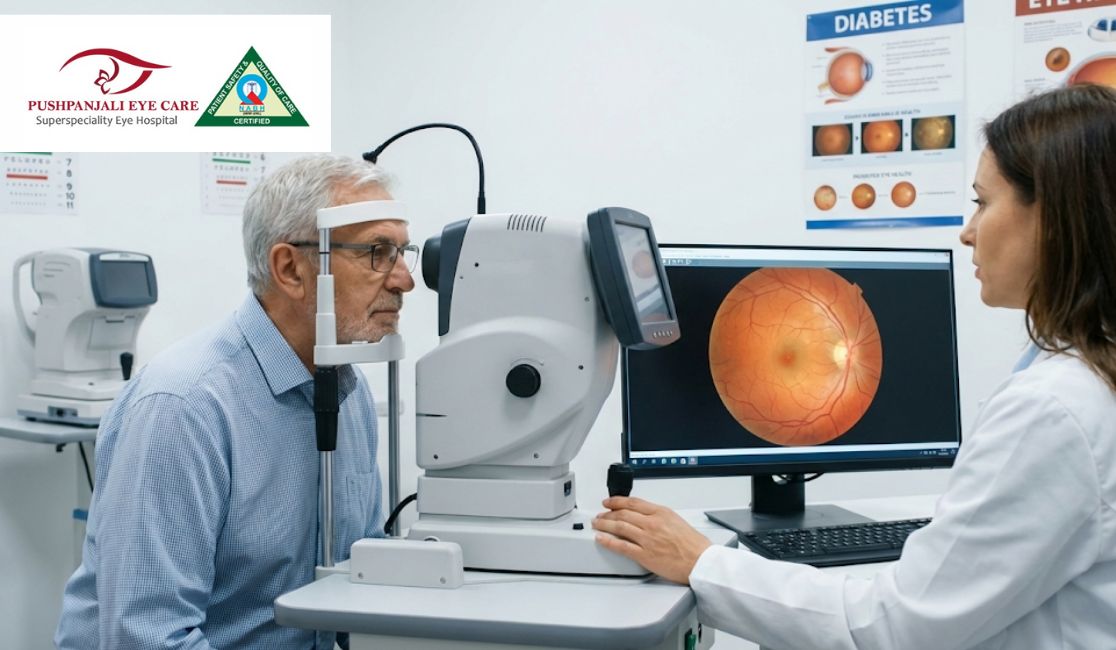
Ophthalmologists diagnose Hypertensive Retinopathy using:
- Fundoscopy (Ophthalmoscopy) – Examines the retina to identify damaged blood vessels.
- Fluorescein Angiography – Uses a special dye to highlight blood flow in the retina.
- Optical Coherence Tomography (OCT) – Provides high-resolution images of the retinal layers to assess any swelling or structural damage.
Treatment of Hypertensive Retinopathy
The key to treating Hypertensive Retinopathy is managing high blood pressure effectively. Treatment options include:
- Blood Pressure Control: Medications, lifestyle modifications, and dietary changes to regulate hypertension.
- Retinal Laser Therapy: In severe cases, laser treatment may be required to seal leaking blood vessels.
- Anti-VEGF Injections: These help in reducing retinal swelling and preventing vision loss.
- Regular Eye Exams: Early detection through routine check-ups at the best eye hospital in Kolkata can prevent complications.
Prevention of Hypertensive Retinopathy
Preventive measures include:
- Regular monitoring of blood pressure
- A balanced diet rich in fruits, and vegetables, and low in sodium
- Regular physical exercise
- Avoiding smoking and excessive alcohol consumption
- Routine eye check-ups at Pushpanjali Eye Care, the best eye hospital in Kolkata
Also Read: Black Spot in the Eye: An In-Depth Look at Eye Floaters

Are there specific eye conditions more common in people with hypertension?
Individuals with hypertension are at an increased risk of developing several specific eye conditions due to the effects of elevated blood pressure on the vascular system of the eyes. Here are the key eye conditions more commonly associated with hypertension:
1. Hypertensive Retinopathy
Hypertensive retinopathy is the most direct consequence of high blood pressure affecting the eyes. It involves damage to the retinal blood vessels, leading to changes such as:
- Narrowing of retinal arteries
- Retinal hemorrhages
- Cotton wool spots (indicating nerve fiber damage)
- Exudates (fatty deposits) in the retina
These changes can lead to vision problems and, if untreated, may progress to more severe complications like vision loss.
2. Optic Neuropathy
Hypertensive optic neuropathy occurs when high blood pressure leads to swelling of the optic nerve (papilledema). Symptoms may include:
- Blurred or reduced vision
- Visual field defects
This condition can result in permanent vision loss if not managed appropriately.
3. Retinal Vascular Occlusions
Hypertension increases the risk of both central and branch retinal artery and vein occlusions. These conditions occur when blood flow is blocked in the retinal vessels, potentially leading to:
- Sudden vision loss
- Distorted vision
These occlusions can cause ischemia (lack of blood flow) to the retina, resulting in further complications.
4. Choroidopathy
Choroidopathy involves fluid buildup under the retina due to damage from high blood pressure, which can lead to distorted vision or scarring. This condition may also contribute to vision impairment.
5. Age-Related Macular Degeneration (AMD)
While not directly caused by hypertension, high blood pressure is a risk factor for developing AMD, a condition that affects central vision and can lead to significant visual impairment as one age.
6. Glaucoma
Hypertension may increase the risk of developing glaucoma, a group of eye conditions that damage the optic nerve and can lead to vision loss. Elevated intraocular pressure is a common factor in glaucoma development.

What lifestyle changes can help manage hypertensive retinopathy?
Managing hypertensive retinopathy primarily involves controlling high blood pressure through various lifestyle changes. Here are some effective strategies to help manage this condition:
1. Dietary Adjustments
- Reduce Sodium Intake: Lowering salt consumption can significantly help in managing blood pressure. Aim for a diet that includes fresh fruits, vegetables, whole grains, and lean proteins.
- Adopt a Heart-Healthy Diet: Consider following dietary approaches such as the DASH (Dietary Approaches to Stop Hypertension) diet or a Mediterranean diet, which emphasizes whole foods and limits processed items.
- Increase Potassium-Rich Foods: Foods high in potassium, like bananas, oranges, spinach, and sweet potatoes, can help balance sodium levels and lower blood pressure.
2. Regular Physical Activity
Engaging in regular exercise is crucial for maintaining healthy blood pressure levels. Aim for at least 30 minutes of moderate-intensity exercise most days of the week. Activities can include:
- Walking
- Cycling
- Swimming
- Yoga
3. Weight Management
If overweight or obese, losing even a small percentage of body weight can help reduce blood pressure significantly. A combination of a healthy diet and regular exercise is essential for effective weight management.
4. Quit Smoking
Smoking can exacerbate hypertension and lead to further vascular damage. Quitting smoking is one of the most beneficial changes you can make for your overall health and eye health.
5. Limit Alcohol Consumption
Excessive alcohol intake can raise blood pressure. It’s advisable to limit alcohol consumption to moderate levels—up to one drink per day for women and two drinks per day for men.
6. Stress Management
Chronic stress can contribute to high blood pressure. Implement stress-reducing techniques such as:
- Mindfulness meditation
- Deep breathing exercises
- Engaging in hobbies
- Spending time with loved ones
7. Regular Monitoring and Medical Check-Ups
Regularly monitoring your blood pressure at home and attending routine check-ups with healthcare providers is crucial for managing hypertension effectively. This allows for timely adjustments in treatment if necessary.
8. Medication Adherence
If prescribed antihypertensive medications, it’s vital to take them as directed by your healthcare provider. These medications can help control blood pressure and prevent further damage to the retina.

How can I protect my eyes if I have hypertension?
To protect your eyes if you have hypertension, it’s essential to adopt a comprehensive approach that includes lifestyle modifications, regular monitoring, and proactive eye care. Here are several strategies to help safeguard your vision:
1. Maintain Healthy Blood Pressure
- Regular Monitoring: Keep track of your blood pressure readings at home and during medical visits. This helps ensure that your levels remain within a healthy range.
- Medication Adherence: If prescribed antihypertensive medications, take them as directed by your healthcare provider to manage your blood pressure effectively.
2. Healthy Diet
- Low-Sodium Diet: Reduce sodium intake by choosing low-sodium options and limiting processed foods. High salt consumption can elevate blood pressure, increasing the risk of hypertensive retinopathy.
- Balanced Nutrition: Incorporate plenty of fruits, vegetables, whole grains, and lean proteins into your diet. Foods rich in antioxidants and omega-3 fatty acids support overall eye health.
3. Regular Exercise
Engage in regular physical activity, aiming for at least 30 minutes of moderate exercise most days of the week. Activities like walking, cycling, or swimming can help lower blood pressure and improve circulation to the eyes.
4. Weight Management
If overweight, losing even a small percentage of body weight can significantly help in controlling blood pressure. Focus on a combination of healthy eating and regular physical activity to achieve and maintain a healthy weight.
5. Limit Alcohol and Caffeine
- Alcohol: Reduce alcohol consumption as excessive drinking can raise blood pressure.
- Caffeine: Limit caffeine intake since it may cause temporary spikes in blood pressure.
6. Quit Smoking
If you smoke, seek support to quit. Smoking can worsen hypertension and increase the risk of eye diseases, including hypertensive retinopathy.
7. Stress Management
Practice stress-reducing techniques such as mindfulness meditation, yoga, or deep breathing exercises. Managing stress effectively can help keep blood pressure in check.
8. Regular Eye Exams
Schedule regular comprehensive eye examinations with an eye care professional to monitor for any signs of hypertensive retinopathy or other related conditions. Early detection is crucial for effective management.
9. Protective Eyewear
Wear sunglasses that block UV rays when outdoors to protect your eyes from sun damage. Additionally, use protective eyewear during activities that could pose a risk to your eyes.
How often should someone with hypertension get their eyes checked?
Individuals with hypertension should have their eyes checked regularly to monitor for potential complications such as hypertensive retinopathy. The frequency of eye examinations can vary based on individual circumstances, but general guidelines suggest the following:
Recommended Eye Exam Frequency for Individuals with Hypertension
- Annual Eye Exams:
- For individuals with hypertension, it is generally recommended to have a comprehensive eye exam at least once a year. This allows for timely detection of any changes in the retina or other eye structures that may result from high blood pressure.
- Increased Frequency for Specific Conditions:
- If you have additional risk factors, such as diabetes or a family history of eye disease, more frequent exams may be necessary. In such cases, your eye care provider might recommend examinations every six months to ensure close monitoring and early intervention if needed.
- Consultation with Eye Care Professionals:
- It’s crucial to follow the specific recommendations of your eye care professional, who can tailor the exam schedule based on your overall health, severity of hypertension, and any existing eye conditions.
Importance of Regular Eye Exams
Regular eye exams are vital for individuals with hypertension because they help identify early signs of hypertensive retinopathy and other related conditions before significant damage occurs. Early detection can lead to timely treatment, potentially preserving vision and improving overall health outcomes.
FAQ
- What is Hypertensive Retinopathy?
Hypertensive Retinopathy is a condition where high blood pressure damages the blood vessels in the retina, potentially leading to vision problems.
- What are the symptoms of Hypertensive Retinopathy?
Symptoms include blurred vision, headaches, double vision, eye discomfort, and, in severe cases, sudden vision loss.
- How is Hypertensive Retinopathy diagnosed?
It is diagnosed through an eye exam using fundoscopy, fluorescein angiography, or optical coherence tomography (OCT).
- Can Hypertensive Retinopathy be treated?
Treatment focuses on controlling blood pressure, along with possible laser therapy or anti-VEGF injections for severe cases.
- How can I prevent Hypertensive Retinopathy?
Maintaining normal blood pressure, a healthy diet, regular exercise, and routine eye check-ups can help prevent this condition.
Why Choose Pushpanjali Eye Care for Hypertensive Retinopathy Treatment?
At Pushpanjali Eye Care, we are committed to providing the highest quality eye care services. Our expert ophthalmologists, advanced diagnostic equipment, and patient-centric approach make us the best eye hospital in Kolkata for managing Hypertensive Retinopathy. We offer personalized treatment plans to ensure the best outcomes for our patients.
Conclusion
Hypertensive Retinopathy is a serious eye condition that can lead to irreversible vision loss if left untreated. Regular eye check-ups and proper blood pressure management are key to preventing complications. If you or a loved one have hypertension, schedule an eye examination at Pushpanjali Eye Care, the best eye hospital in Kolkata, to safeguard your vision.