Prime Eyesight Hospital Near Me Golpark-Gariahat,Kolkata 700029

|

Prime Eyesight Hospital Near Me Baguihati, Vip Road, Kolkata 700059

Best Eye Care Kolkata West Bengal All cashless eye surgery facilities available Top Eye Hospital In Kolkata
Best Eye Care Kolkata

What specific risks are associated with laser iridotomy?

Hello Reader!

Welcome to the blog page of Pushpanjali Eye Care, one of the best eye hospitals in Kolkata. 

Laser iridotomy is a procedure used to treat and prevent angle-closure glaucoma by creating a small hole in the iris to improve fluid drainage. While it is generally considered safe and effective, like any medical procedure, it comes with certain risks. If you are considering laser iridotomy at the best eye hospital in Kolkata, understanding these risks will help you make an informed decision.

FAQ, laser iridotomy, Best Eye Hospital In Kolkata , Best ophthalmologist in Kolkata , Best Eye specialists in Kolkata , Top eye hospital in Kolkata , best Glaucoma treatment in Kolkata , Best Lasik surgery in Kolkata , Best Cataract Treatment in Kolkata , best cataract surgery in Kolkata , Lasik Surgery Cost in Kolkata , Cataract surgery in Kolkata , Cataract surgery cost in Kolkata , Glaucoma specialist in Kolkata , Refractive surgery in Kolkata , Lasik surgery in Kolkata

Understanding Laser Iridotomy

Laser iridotomy is a minimally invasive treatment performed to relieve intraocular pressure caused by a blocked drainage angle in the eye. The procedure uses a highly focused laser to create a tiny opening in the iris, allowing the aqueous humor (fluid inside the eye) to flow freely, reducing the risk of optic nerve damage and vision loss.

While the procedure is generally effective, there are risks associated with laser iridotomy that patients should be aware of before undergoing treatment.

Risks Associated with Laser Iridotomy

1. Increased Intraocular Pressure (IOP) Spike

Some patients may experience a temporary spike in intraocular pressure immediately after the procedure. This occurs due to inflammation or a sudden change in fluid dynamics within the eye. In most cases, this can be managed with medicated eye drops or oral medications.

2. Light Sensitivity and Glare

One of the most commonly reported risks associated with laser iridotomy is increased light sensitivity and glare. Patients may notice halos around lights, particularly at night. This happens because the newly created hole in the iris can allow extra light to enter the eye, leading to visual disturbances.

3. Corneal or Lens Damage

Although rare, accidental damage to the cornea or lens can occur if the laser energy is not precisely controlled. This may lead to vision disturbances, requiring further medical intervention.

4. Inflammation and Eye Redness

Inflammation, also known as iritis, is a common short-term side effect of laser iridotomy. Patients may experience eye redness, discomfort, or mild pain for a few days following the procedure. Anti-inflammatory eye drops are typically prescribed to manage these symptoms.

5. Bleeding from the Iris

Since the laser creates an opening in the iris, mild bleeding may occur at the treatment site. This is usually self-limiting and resolves on its own, but in rare cases, significant bleeding may lead to complications requiring medical attention.

6. Unequal Pupil Size (Anisocoria)

Some patients may experience a slight difference in pupil size after undergoing laser iridotomy. This is usually mild and does not significantly impact vision, but in some cases, it can be a cosmetic concern.

7. Failure to Control Glaucoma Progression

While laser iridotomy is an effective treatment for many patients, it may not always completely prevent the progression of angle-closure glaucoma. In such cases, additional treatments, including medications or surgery, may be necessary.

FAQ, laser iridotomy, Best Eye Hospital In Kolkata , Best ophthalmologist in Kolkata , Best Eye specialists in Kolkata , Top eye hospital in Kolkata , best Glaucoma treatment in Kolkata , Best Lasik surgery in Kolkata , Best Cataract Treatment in Kolkata , best cataract surgery in Kolkata , Lasik Surgery Cost in Kolkata , Cataract surgery in Kolkata , Cataract surgery cost in Kolkata , Glaucoma specialist in Kolkata , Refractive surgery in Kolkata , Lasik surgery in Kolkata

Minimizing Risks and Choosing the Best Eye Hospital in Kolkata

To reduce the risks associated with laser iridotomy, it is essential to undergo the procedure at a reputable and well-equipped facility. At Pushpanjali Eye Care, recognized as the best eye hospital in Kolkata, we ensure that every patient receives personalized care, advanced diagnostic evaluations, and treatment with state-of-the-art technology.

What are the long-term effects of laser iridotomy?

The main risks associated with laser iridotomy include both short-term and long-term complications.

Short-Term Risks:

  • Transient Increase in IOP: The most common issue is a temporary elevation of intraocular pressure, usually within the first 4 hours after treatment. An increase of at least 8 mmHg from the baseline has been reported in 6% to 10% of patients, and an IOP greater than 21 mmHg in 2% to 72%. This is thought to be caused by obstruction of the trabecular meshwork.
  • Anterior Chamber Bleeding (Hyphema): Bleeding from the iridotomy site is another common complication. It is usually minor and can be stopped by applying light pressure to the eye.
  • Mild Discomfort, Light Sensitivity, and Blurred Vision: Temporary blurred vision is common but usually clears within a few hours. Some patients may feel slight discomfort or eye pain after the procedure. Some may experience sensitivity to light for a short time.
  • Inflammation: Mild redness or inflammation may occur, but eye drops can help.
  • Other risks: Headache or brow pain, eye redness, swelling or pain, foggy vision or seeing streaks of light.

Long-Term Risks:

  • Cataract Progression: There is an increased risk of traumatic cataract development in the years following laser peripheral iridotomy (LPI).
  • Iridotomy Closure: In some cases, the iridotomy can close over time due to the accumulation of debris and pigment granules. Repeat LPI can be performed if necessary. The hole in your iris will close in less than one-third of cases.
  • Aqueous Misdirection Syndrome: In rare cases, aqueous misdirection can complicate the management of primary angle closure.
  • Vision Problems: Some patients may experience visual dysphotopsias (glares, halos, lines, spots).
  • Other complications: Rare complications include sterile hypopyon, macular hole formation, cystoid macular edema, and retinal hemorrhages.

Also Read: Laser Iridotomy for Glaucoma: FAQs, Benefits, and Recovery

FAQ, laser iridotomy, Best Eye Hospital In Kolkata , Best ophthalmologist in Kolkata , Best Eye specialists in Kolkata , Top eye hospital in Kolkata , best Glaucoma treatment in Kolkata , Best Lasik surgery in Kolkata , Best Cataract Treatment in Kolkata , best cataract surgery in Kolkata , Lasik Surgery Cost in Kolkata , Cataract surgery in Kolkata , Cataract surgery cost in Kolkata , Glaucoma specialist in Kolkata , Refractive surgery in Kolkata , Lasik surgery in Kolkata

Are there any lifestyle changes recommended post-laser iridotomy?

Yes, there are several lifestyle changes typically recommended after undergoing a laser iridotomy. These adjustments aim to support healing, stabilize eye pressure, and minimize potential complications.

Post-Procedure Guidelines:

  • Activity Level: For the first few days, avoid strenuous activities and heavy lifting to prevent complications. Most surgeons recommend taking it easy during the first one to two weeks. Normal activities can usually be resumed within a day or two after the procedure.
  • Eye Protection: Wear sunglasses for at least two weeks after the procedure to protect your eyes from the sun. Suitable eye protection should be worn when playing contact or ball sports, or during activities where something could poke your eye, such as gardening.
  • Eye Cosmetics: Avoid eye makeup until the eye heals, and when you do restart, use new makeup and never share it.
  • Contact Lenses: Contact lenses should not be used due to the risk of infection.
  • Swimming: When swimming, wear loose-fitting goggles that do not press on the eye and ideally have no separation between the left and right eye compartments. Some surgeons may recommend only swimming in chlorinated pools and avoiding lakes or rivers to reduce infection risk.
  • Follow-up: Attend follow-up appointments to monitor eye pressure and healing.
  • Medications: Use prescribed eye drops to decrease inflammation and prevent infections.
  • Avoid Rubbing Eyes: Please avoid rubbing your eyes for at least 2 days.
  • Avoid Prolonged Eye Use: Avoid driving and using your eyes for a long time.

Post-Treatment Care and Precautions

Patients who undergo laser iridotomy should follow these guidelines to minimize risks:

  • Use prescribed anti-inflammatory and pressure-lowering eye drops as directed.
  • Avoid rubbing the eyes or engaging in strenuous activities for a few days.
  • Wear UV-protected sunglasses to reduce glare and light sensitivity.
  • Attend all follow-up visits to monitor intraocular pressure and healing progress.
FAQ, laser iridotomy, Best Eye Hospital In Kolkata , Best ophthalmologist in Kolkata , Best Eye specialists in Kolkata , Top eye hospital in Kolkata , best Glaucoma treatment in Kolkata , Best Lasik surgery in Kolkata , Best Cataract Treatment in Kolkata , best cataract surgery in Kolkata , Lasik Surgery Cost in Kolkata , Cataract surgery in Kolkata , Cataract surgery cost in Kolkata , Glaucoma specialist in Kolkata , Refractive surgery in Kolkata , Lasik surgery in Kolkata

FAQ

1. Is laser iridotomy a safe procedure?

Yes, laser iridotomy is generally safe, but it may have temporary side effects like light sensitivity, glare, or mild inflammation.

2. Can laser iridotomy cause vision problems?

Some patients may experience glare, halos, or light sensitivity, but these symptoms usually improve over time.

3. Does laser iridotomy increase eye pressure?

A temporary spike in intraocular pressure (IOP) can occur but is usually managed with medication.

4. Is bleeding a common side effect of laser iridotomy?

Mild bleeding from the iris may occur but typically resolves on its own without complications.

5. What should I do to reduce risks after laser iridotomy?

Follow post-procedure care, use prescribed eye drops, avoid rubbing your eyes, and attend follow-up checkups.

Conclusion

While laser iridotomy is a safe and effective procedure for treating angle-closure glaucoma, patients should be aware of the potential risks associated with laser iridotomy. Choosing the best eye hospital in Kolkata, such as Pushpanjali Eye Care, ensures that you receive expert care, advanced treatment options, and thorough post-procedure monitoring. If you are experiencing symptoms of angle-closure glaucoma or have been advised to undergo laser iridotomy, consult with our experienced ophthalmologists today for a comprehensive evaluation and treatment plan.
Laser Iridotomy for Glaucoma: FAQs, Benefits, and Recovery

Hello Reader!

Welcome to the blog page of Pushpanjali Eye Care, one of the best eye hospital in Kolkata. 

Glaucoma is one of the leading causes of vision loss worldwide, affecting millions of people. Laser Iridotomy is one of the most effective treatments for certain types of glaucoma, particularly angle-closure glaucoma. At Pushpanjali Eye Care, the best eye hospital in Kolkata, we specialize in advanced glaucoma treatment, ensuring that our patients receive the highest quality care.

Table of Contents

Laser Iridotomy for Glaucoma, Best Eye Hospital In Kolkata , Best ophthalmologist in Kolkata , Best Eye specialists in Kolkata , Top eye hospital in Kolkata , best Glaucoma treatment in Kolkata , Best Lasik surgery in Kolkata , Best Cataract Treatment in Kolkata , best cataract surgery in Kolkata , Lasik Surgery Cost in Kolkata , Cataract surgery in Kolkata , Cataract surgery cost in Kolkata , Glaucoma specialist in Kolkata , Refractive surgery in Kolkata , Lasik surgery in Kolkata

What is Laser Iridotomy for Glaucoma?

Laser Iridotomy is a minimally invasive procedure used to treat or prevent angle-closure glaucoma. The procedure involves using a laser to create a tiny hole in the iris, allowing intraocular fluid to flow more freely, and reducing intraocular pressure (IOP). This helps prevent or alleviate the damage caused by glaucoma.

Frequently Asked Questions (FAQs) about Laser Iridotomy

1. Who Needs Laser Iridotomy?

Laser Iridotomy is recommended for patients diagnosed with narrow-angle glaucoma, primary angle-closure glaucoma, or those at high risk of developing the condition. It is often advised when the eye’s drainage angle is too narrow, leading to increased eye pressure.

2. Is Laser Iridotomy Painful?

The procedure is generally painless. A topical anesthetic eye drop is used to numb the eye, and while some patients may feel a brief sensation of discomfort or mild stinging, it is usually well tolerated.

3. How Long Does the Procedure Take?

The actual laser treatment takes only a few minutes, although the entire process, including preparation and post-treatment observation, may take about an hour.

4. What are the Risks and Side Effects?

Like any medical procedure, Laser Iridotomy for Glaucoma has some risks, but they are minimal. Possible side effects include temporary blurred vision, light sensitivity, mild discomfort, or inflammation. Rarely, there may be increased eye pressure, but this is closely monitored by our specialists at Pushpanjali Eye Care, the best eye hospital in Kolkata.

5. How Effective is Laser Iridotomy?

Laser Iridotomy is highly effective in preventing angle-closure glaucoma. In many cases, it significantly lowers the risk of sudden glaucoma attacks and vision loss. However, some patients may still require additional glaucoma treatment, such as medications or further laser procedures.

Laser Iridotomy for Glaucoma, Best Eye Hospital In Kolkata , Best ophthalmologist in Kolkata , Best Eye specialists in Kolkata , Top eye hospital in Kolkata , best Glaucoma treatment in Kolkata , Best Lasik surgery in Kolkata , Best Cataract Treatment in Kolkata , best cataract surgery in Kolkata , Lasik Surgery Cost in Kolkata , Cataract surgery in Kolkata , Cataract surgery cost in Kolkata , Glaucoma specialist in Kolkata , Refractive surgery in Kolkata , Lasik surgery in Kolkata

Benefits of Laser Iridotomy for Glaucoma

1. Prevents Acute Glaucoma Attacks

A sudden increase in intraocular pressure (acute angle-closure crisis) can cause severe pain and vision loss. Laser Iridotomy helps prevent such emergencies.

2. Minimally Invasive and Quick Procedure

The procedure is outpatient-based, requiring no stitches, and patients can resume normal activities soon after treatment.

3. Long-Term Vision Protection

By improving fluid drainage in the eye, Laser Iridotomy reduces the risk of optic nerve damage and permanent vision loss.

4. Reduces Dependence on Medications

While some patients may still need glaucoma treatment with eye drops, many experience a reduced dependency on medications after the procedure.

Recovery After Laser Iridotomy

Immediate Aftercare

  • Patients may experience mild irritation, redness, or sensitivity to light, which usually resolves within a day or two.
  • It is essential to use prescribed anti-inflammatory eye drops to prevent inflammation.
  • Vision may be slightly blurred but should return to normal within a few hours.

Long-Term Care and Follow-Up

  • Regular follow-ups at Pushpanjali Eye Care, the best eye hospital in Kolkata, are crucial to monitor intraocular pressure and overall eye health.
  • Patients should avoid strenuous activities for a few days and follow all post-procedure instructions given by the ophthalmologist.
  • Sunglasses can help reduce light sensitivity during the recovery phase.

Also Read: How to Prevent Glaucoma from Worsening?

Laser Iridotomy for Glaucoma, Best Eye Hospital In Kolkata , Best ophthalmologist in Kolkata , Best Eye specialists in Kolkata , Top eye hospital in Kolkata , best Glaucoma treatment in Kolkata , Best Lasik surgery in Kolkata , Best Cataract Treatment in Kolkata , best cataract surgery in Kolkata , Lasik Surgery Cost in Kolkata , Cataract surgery in Kolkata , Cataract surgery cost in Kolkata , Glaucoma specialist in Kolkata , Refractive surgery in Kolkata , Lasik surgery in Kolkata

What are the main benefits of laser iridotomy for glaucoma patients?

Laser iridotomy is a vital procedure for managing glaucoma, particularly for patients with narrow-angle glaucoma. Here are the main benefits of laser iridotomy for glaucoma patients:

1. Reduction of Intraocular Pressure

The primary benefit of laser iridotomy is its ability to significantly lower intraocular pressure (IOP). By creating a small opening in the iris, the procedure enhances the drainage of aqueous humor, which helps to alleviate pressure within the eye. This reduction in IOP is crucial for preventing further damage to the optic nerve, which is often affected by glaucoma.

2. Prevention of Vision Loss

Laser iridotomy plays a critical role in preventing vision loss associated with angle-closure glaucoma. By improving fluid drainage and reducing IOP, the procedure helps preserve existing vision and reduces the risk of irreversible damage to the optic nerve. While it does not restore lost vision, it is effective in preventing further deterioration.

3. Minimally Invasive Procedure

The procedure is performed on an outpatient basis and typically takes only about 5 to 10 minutes. It involves minimal discomfort and does not require general anesthesia, making it a convenient option for patients. Most individuals can return to their normal activities shortly after the procedure.

4. Quick Recovery Time

Recovery from laser iridotomy is generally swift. Patients may experience temporary side effects such as blurred vision or light sensitivity, but these usually resolve within a few days. Follow-up visits are essential to monitor IOP and ensure the success of the procedure.

5. Low Risk of Complications

Laser iridotomy has a low complication rate when performed by experienced ophthalmologists. While there are potential risks, such as transient increases in eye pressure or inflammation, serious complications are rare. This makes it a safe option for many patients.

6. Effective Preventive Treatment

For individuals at risk of developing angle-closure glaucoma, laser iridotomy serves as a preventive measure. Addressing anatomical issues that could lead to increased IOP, can help avert acute glaucoma attacks before they occur.

Laser Iridotomy for Glaucoma, Best Eye Hospital In Kolkata , Best ophthalmologist in Kolkata , Best Eye specialists in Kolkata , Top eye hospital in Kolkata , best Glaucoma treatment in Kolkata , Best Lasik surgery in Kolkata , Best Cataract Treatment in Kolkata , best cataract surgery in Kolkata , Lasik Surgery Cost in Kolkata , Cataract surgery in Kolkata , Cataract surgery cost in Kolkata , Glaucoma specialist in Kolkata , Refractive surgery in Kolkata , Lasik surgery in Kolkata

How long does the recovery process typically take after laser iridotomy?

Recovery from laser iridotomy is typically swift and straightforward. Here are the key points regarding the recovery process:

Immediate Post-Procedure Effects

  • Temporary Blurriness: After the procedure, patients may experience temporary blurriness in their vision, which usually resolves within a few hours.
  • Mild Discomfort: Some individuals might feel mild discomfort or irritation in the treated eye, but this is generally manageable with over-the-counter pain relief if necessary.

Resuming Normal Activities

  • Quick Return to Routine: Most patients can resume normal activities, including driving, the day after the procedure. This quick turnaround is one of the advantages of laser iridotomy.
  • Follow-Up Care: Regular follow-up appointments are essential to monitor eye pressure and overall healing. Patients are typically advised to use prescribed anti-inflammatory eye drops for a few days post-procedure.

Long-Term Recovery

  • Vision Improvement: While many patients notice improvement in their vision within a day, some visual side effects like halos or glare may persist but usually resolve within weeks to months.
  • Monitoring for Complications: Minor complications such as inflammation may occur but typically resolve within a few days with proper care. In rare cases, more significant visual disturbances can last longer but are usually temporary.
Laser Iridotomy for Glaucoma, Best Eye Hospital In Kolkata , Best ophthalmologist in Kolkata , Best Eye specialists in Kolkata , Top eye hospital in Kolkata , best Glaucoma treatment in Kolkata , Best Lasik surgery in Kolkata , Best Cataract Treatment in Kolkata , best cataract surgery in Kolkata , Lasik Surgery Cost in Kolkata , Cataract surgery in Kolkata , Cataract surgery cost in Kolkata , Glaucoma specialist in Kolkata , Refractive surgery in Kolkata , Lasik surgery in Kolkata

Are there any specific risks associated with laser iridotomy?

Laser iridotomy is generally considered a safe procedure for treating glaucoma, but like any medical intervention, it carries certain risks. Here are the specific risks associated with laser iridotomy:

1. Increased Intraocular Pressure (IOP)

A temporary rise in eye pressure can occur after the procedure, typically within the first few hours. This is often due to debris released during the laser treatment obstructing the drainage pathways. While this complication is usually transient, it may require monitoring and management with pressure-lowering medications in some cases.

2. Corneal or Lens Injury

There is a risk that the laser may inadvertently damage the cornea or lens, leading to cloudy vision. Although this is uncommon, it can affect visual clarity post-procedure.

3. Closure of the Iridotomy

In some instances, the created opening in the iris may close over time, which can lead to a recurrence of symptoms related to glaucoma. The closure rate can vary, with some studies indicating it may occur in up to 20% of cases within six months. If this happens, a repeat procedure may be necessary.

4. Vision Disturbances

Patients may experience temporary visual disturbances such as flashes of light, double vision, or seeing halos around lights following the procedure. These symptoms are generally short-lived but can be concerning for patients.

5. Bleeding

Minor bleeding at the site of the iridotomy (hyphema) can occur. This bleeding is usually self-limiting and can be managed with light pressure applied to the eye. However, significant bleeding is rare.

6. Inflammation and Discomfort

Post-operative inflammation and mild discomfort are common but typically resolve with appropriate care and medication. Patients may also experience light sensitivity for a short period following the procedure.

7. Cataract Formation

There is a potential risk of cataract progression after laser iridotomy, particularly in patients who already have or are predisposed to cataracts. This risk may increase over time following the procedure.

8. Infection

Though rare, there is a possibility of infection following laser iridotomy if post-operative care instructions are not followed diligently.

Laser Iridotomy for Glaucoma, Best Eye Hospital In Kolkata , Best ophthalmologist in Kolkata , Best Eye specialists in Kolkata , Top eye hospital in Kolkata , best Glaucoma treatment in Kolkata , Best Lasik surgery in Kolkata , Best Cataract Treatment in Kolkata , best cataract surgery in Kolkata , Lasik Surgery Cost in Kolkata , Cataract surgery in Kolkata , Cataract surgery cost in Kolkata , Glaucoma specialist in Kolkata , Refractive surgery in Kolkata , Lasik surgery in Kolkata

How common is vision loss after laser iridotomy?

The risk of vision loss after laser iridotomy is extremely low. According to various sources, the likelihood of experiencing significant vision loss or the need for urgent surgical intervention following the procedure is approximately 1 in 5,000 cases.

Common Visual Changes Post-Procedure

While major vision loss is rare, some patients may notice temporary changes in their vision after the procedure:

  • Blurred Vision: Many patients experience temporary blurriness, which generally resolves within a few hours to days.
  • Visual Dysphotopsias: Some individuals report phenomena such as glare, halos, shadows, or “ghosting” around objects. These symptoms can occur in about 2% to 16% of patients but often improve over time.

Long-Term Outcomes

Most visual disturbances tend to resolve within a month after the procedure. However, a small percentage of patients may experience permanent changes in their vision. Research indicates that approximately 11% of patients may notice persistent visual phenomena such as ghosting or shadows.

Laser Iridotomy for Glaucoma, Best Eye Hospital In Kolkata , Best ophthalmologist in Kolkata , Best Eye specialists in Kolkata , Top eye hospital in Kolkata , best Glaucoma treatment in Kolkata , Best Lasik surgery in Kolkata , Best Cataract Treatment in Kolkata , best cataract surgery in Kolkata , Lasik Surgery Cost in Kolkata , Cataract surgery in Kolkata , Cataract surgery cost in Kolkata , Glaucoma specialist in Kolkata , Refractive surgery in Kolkata , Lasik surgery in Kolkata

Can laser iridotomy cause an increase in eye pressure?

Yes, laser iridotomy can cause an increase in intraocular pressure (IOP) in some patients. This post-treatment rise in IOP is typically acute and transient. Here are the key points regarding this phenomenon:

Incidence of IOP Increase

  • Acute Rise: Studies indicate that approximately 9.8% of patients may experience an IOP spike of 8 mmHg or more within one hour after the procedure. This rate decreases significantly to about 0.82% at two weeks post-treatment.
  • Significant Elevation: A very small percentage (about 0.54%) may experience an IOP exceeding 30 mmHg immediately after treatment, necessitating medical intervention.

Risk Factors for Increased IOP

Several factors can contribute to a rise in IOP following laser iridotomy:

  • Laser Energy Used: Higher amounts of laser energy applied during the procedure are associated with a greater risk of IOP spikes.
  • Anatomical Considerations: Patients with shallower anterior chambers may be at increased risk for elevated IOP after the procedure.

Mechanism of Increased IOP

The rise in IOP is thought to result from:

  • Aqueous Humor Dynamics: The procedure can lead to increased aqueous humor production and decreased outflow due to debris or inflammation caused by the laser treatment.
  • Forward Movement of the Iris: The blockage of fluid flow between the iris and lens can cause pressure buildup, pushing the iris forward and potentially leading to secondary angle closure.

What factors increase the risk of IOP spikes after laser iridotomy?

Several factors can increase the risk of intraocular pressure (IOP) spikes after laser iridotomy. Understanding these factors is crucial for managing potential complications effectively. Here are the key risk factors identified:

1. Higher Baseline IOP

Patients with a higher baseline IOP before the procedure are at increased risk for post-laser IOP elevation. Studies have shown that for every 1 mmHg increase in baseline IOP, there is a corresponding increase in the risk of elevated IOP after the procedure.

2. Greater Laser Energy and Number of Pulses

The amount of laser energy used during the procedure, as well as the number of laser pulses applied, directly correlates with the likelihood of IOP spikes. Higher energy levels and more extensive treatment have been associated with a greater risk of transient IOP elevation.

3. Shallower Anterior Chamber Depth

Patients with shallower central anterior chamber depths are more susceptible to increases in IOP following laser iridotomy. This anatomical characteristic can affect fluid dynamics within the eye, leading to higher pressure post-procedure.

4. Presence of Preexisting Glaucoma

Individuals with preexisting glaucoma conditions may experience heightened sensitivity to changes in IOP after laser treatment. The underlying pathology can predispose them to fluctuations in eye pressure.

5. Acute Angle Closure

Patients undergoing treatment for acute angle closure glaucoma are at a higher risk for IOP spikes due to the nature of their condition, which involves obstructed aqueous outflow.

6. Excessive Pigment Release

In some cases, excessive release of pigment during the procedure can obstruct the trabecular meshwork, leading to increased resistance to aqueous outflow and subsequent IOP elevation.

7. Inflammation and Other Complications

Post-operative inflammation or complications such as anterior chamber bleeding (hyphema) can also contribute to increased IOP following laser iridotomy. Inflammatory responses can affect fluid dynamics and drainage pathways.

Why Choose Pushpanjali Eye Care for Laser Iridotomy in Kolkata?

At Pushpanjali Eye Care, we offer cutting-edge glaucoma treatment, including Laser Iridotomy for Glaucoma, under the guidance of experienced ophthalmologists. Our state-of-the-art facilities, patient-centered approach, and commitment to excellence make us the best eye hospital in Kolkata. If you or a loved one is at risk of glaucoma, early intervention can make all the difference in preserving vision.

For expert consultation and advanced glaucoma treatment, book an appointment with Pushpanjali Eye Care today!

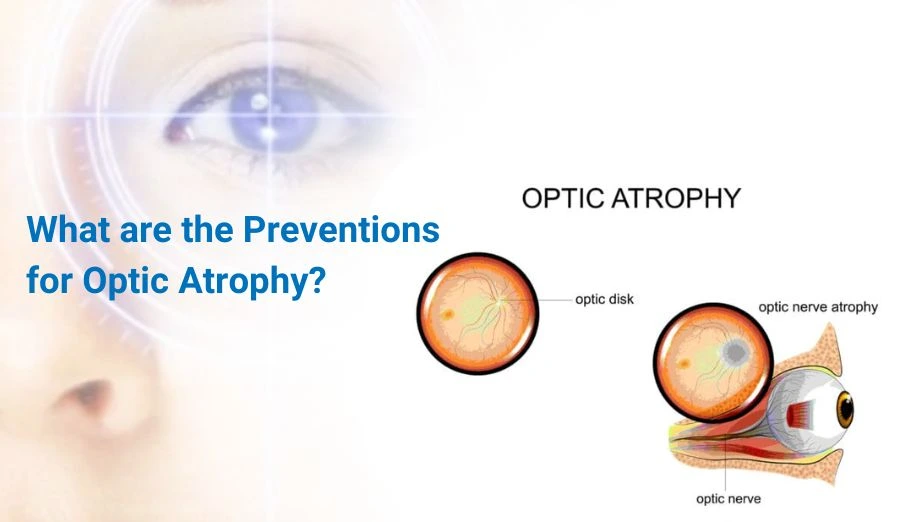
What are the Preventions for Optic Atrophy?

Hello Reader!

Welcome to the blog page Pushpanjali Eye Care, one of the best eye hospital in Kolkata.

Optic Atrophy is a serious condition that affects the optic nerve, leading to vision impairment or even blindness. It occurs due to damage to the optic nerve fibers, which disrupts the transmission of visual signals from the eye to the brain. Although there is no definitive cure for Optic Atrophy, early detection, and preventive measures can help slow down its progression and protect vision. At Pushpanjali Eye Care, one of the best eye hospitals in Kolkata, we emphasize the importance of proactive eye care to prevent conditions like Optic Atrophy. It can causes blurred vision. Optic Atrophy can cause vision loss. But unfortunately there is no treatment for this types of diseases.

FAQ, Best Eye Hospital In Kolkata , Best ophthalmologist in Kolkata , Best Eye specialists in Kolkata , Top eye hospital in Kolkata , best Glaucoma treatment in Kolkata , Best Lasik surgery in Kolkata , Best Cataract Treatment in Kolkata , best cataract surgery in Kolkata , Lasik Surgery Cost in Kolkata , Cataract surgery in Kolkata , Cataract surgery cost in Kolkata , Glaucoma specialist in Kolkata , Refractive surgery in Kolkata , Lasik surgery in Kolkata, Optic Atrophy

Understanding Optic Atrophy

Optic Atrophy is not a disease in itself but rather a symptom of underlying issues such as glaucoma, optic neuritis, trauma, or vascular disorders. The primary cause of this condition is the degeneration of optic nerve fibers, which results in a loss of vision over time. Preventions for Optic Atrophy mainly focus on managing risk factors and ensuring early intervention.

Preventions for Optic Atrophy

While Optic Atrophy may not be entirely preventable in all cases, adopting a healthy lifestyle and seeking timely medical intervention can significantly reduce the risk. Here are some effective preventive measures:

1. Regular Eye Check-ups

Routine eye examinations are crucial for early detection of optic nerve damage. Pushpanjali Eye Care, one of the best eye hospitals in Kolkata, offers advanced diagnostic tools to monitor eye health and detect early signs of Optic Atrophy.

2. Control Underlying Health Conditions

Several systemic health conditions, such as diabetes, hypertension, and multiple sclerosis, can contribute to optic nerve damage. Managing these conditions through proper medication, diet, and lifestyle changes can help in the prevention of Optic Atrophy.

3. Protect Your Eyes from Trauma

Physical injuries to the eye or head can lead to optic nerve damage. Always wear protective eyewear during sports, construction work, or any high-risk activities to prevent injuries that may lead to Optic Atrophy.

4. Maintain a Healthy Diet

A diet rich in antioxidants, vitamins (A, C, E), and omega-3 fatty acids can support optic nerve health. Green leafy vegetables, fish, nuts, and citrus fruits are highly beneficial in the prevention of Optic Atrophy.

5. Avoid Toxic Substances

Exposure to certain toxins, including excessive alcohol consumption and tobacco use, can damage the optic nerve. Limiting or avoiding these substances can play a key role in preventing Optic Atrophy.

6. Manage Eye Pressure

High intraocular pressure, often associated with glaucoma, is a significant risk factor for Optic Atrophy. Regular check-ups at Pushpanjali Eye Care, one of the best eye hospitals in Kolkata, can help monitor and manage eye pressure effectively.

7. Stay Hydrated and Exercise Regularly

Proper hydration and physical activity improve blood circulation, ensuring that the optic nerve receives adequate oxygen and nutrients. A sedentary lifestyle can contribute to vascular issues, increasing the risk of Optic Atrophy.

8. Seek Immediate Medical Attention for Vision Changes

If you notice symptoms such as blurred vision, difficulty seeing in low light, or reduced peripheral vision, consult an eye specialist immediately. Pushpanjali Eye Care provides comprehensive eye care services to diagnose and manage conditions related to Optic Atrophy.

FAQ, Best Eye Hospital In Kolkata , Best ophthalmologist in Kolkata , Best Eye specialists in Kolkata , Top eye hospital in Kolkata , best Glaucoma treatment in Kolkata , Best Lasik surgery in Kolkata , Best Cataract Treatment in Kolkata , best cataract surgery in Kolkata , Lasik Surgery Cost in Kolkata , Cataract surgery in Kolkata , Cataract surgery cost in Kolkata , Glaucoma specialist in Kolkata , Refractive surgery in Kolkata , Lasik surgery in Kolkata, Optic Atrophy

What lifestyle changes can help prevent optic atrophy?

Optic atrophy is a serious condition that involves damage to the optic nerve, leading to vision loss. While it can be caused by various factors, certain lifestyle changes can help in its prevention. Here are some effective strategies to maintain optic nerve health.

1. Regular Eye Exams

Routine eye checkups are crucial for early detection of conditions that may lead to optic atrophy. Regular visits to an eye specialist can help monitor eye health and catch any potential issues before they escalate.

2. Maintain Healthy Blood Pressure

High blood pressure can significantly affect optic nerve health. Managing blood pressure through a balanced diet, regular exercise, and medication when necessary is vital. Aim for blood pressure readings below 120/80 mmHg to reduce the risk of damage to the optic nerve.

3. Engage in Regular Exercise

Physical activity is beneficial for overall health and specifically for eye health. Exercise helps maintain healthy blood circulation and lowers intraocular pressure, which is crucial for preventing conditions like glaucoma that can lead to optic nerve damage. You need to do daily activities for 30 days..

4. Adopt a Nutrient-Rich Diet

A balanced diet rich in vitamins and antioxidants can support optic nerve health. Key nutrients include:

  • Vitamins A, C, and E: Found in colorful fruits and vegetables, these vitamins help protect against oxidative stress.
  • Omega-3 Fatty Acids: Present in fatty fish like salmon, these acids reduce inflammation and improve blood flow to the eyes.
  • Leafy Greens: Spinach and kale are high in lutein and zeaxanthin, which protect the retina and optic nerve from damage.
FAQ, Best Eye Hospital In Kolkata , Best ophthalmologist in Kolkata , Best Eye specialists in Kolkata , Top eye hospital in Kolkata , best Glaucoma treatment in Kolkata , Best Lasik surgery in Kolkata , Best Cataract Treatment in Kolkata , best cataract surgery in Kolkata , Lasik Surgery Cost in Kolkata , Cataract surgery in Kolkata , Cataract surgery cost in Kolkata , Glaucoma specialist in Kolkata , Refractive surgery in Kolkata , Lasik surgery in Kolkata, Optic Atrophy

5. Avoid Smoking and Limit Alcohol Intake

Smoking is detrimental to eye health and increases the risk of optic nerve damage. Similarly, excessive alcohol consumption can lead to nutrient depletion and contribute to conditions like optic neuropathy. Limiting alcohol you need to take it.

6. Practice Good Screen Habits

With increased screen time in our daily lives, it’s essential to manage digital eye strain. Implement the 20-20-20 system: each 20 minutes, look at something 20 feet away for minimum 20 seconds. This practice helps reduce eye strain and discomfort associated with prolonged screen use.

7. Ensure Adequate Sleep

Quality sleep is vital for overall health, including eye health. Aim for 7-9 hours of sleep per night to allow your eyes to recover and reduce the risk of intraocular pressure-related issues.

8. Manage Stress Effectively

Chronic stress can negatively affect your overall health, including your eyes. Incorporating stress-reducing techniques such as yoga or meditation can improve well-being and support eye health.

Also Read: Optic Atrophy – Understanding the Condition

FAQ, Best Eye Hospital In Kolkata , Best ophthalmologist in Kolkata , Best Eye specialists in Kolkata , Top eye hospital in Kolkata , best Glaucoma treatment in Kolkata , Best Lasik surgery in Kolkata , Best Cataract Treatment in Kolkata , best cataract surgery in Kolkata , Lasik Surgery Cost in Kolkata , Cataract surgery in Kolkata , Cataract surgery cost in Kolkata , Glaucoma specialist in Kolkata , Refractive surgery in Kolkata , Lasik surgery in Kolkata, Optic Atrophy

Can diet and nutrition play a role in preventing optic atrophy?

Diet and nutrition play a significant role in maintaining overall eye health, including the prevention of optic atrophy. While optic atrophy can result from various causes, including genetic factors and injuries, certain dietary choices can help support the optic nerve and potentially mitigate risk factors associated with its degeneration.

Key Nutrients for Eye Health

  1. Antioxidants: Foods rich in antioxidants, such as vitamins A, C, and E, can protect the eyes from oxidative stress. Antioxidants help neutralize free radicals that can damage cells in the optic nerve. Key sources include:
    • Fruits: Berries, oranges, and kiwis.
    • Vegetables: Spinach, kale, and carrots.
  1. B Vitamins: Vitamins B12 and B6 are crucial for maintaining nerve health. Deficiencies in these vitamins can lead to nutritional optic neuropathy, which is characterized by vision loss due to nerve damage. Foods high in B vitamins include:
    • Whole grains: Brown rice, quinoa, and oats.
    • Legumes: Lentils and chickpeas.
    • Animal products: Eggs and dairy.
  1. Omega-3 Fatty Acids: These essential fats are known for their anti-inflammatory properties and are beneficial for maintaining optimal blood flow to the eyes. Sources include:
    • Fatty fish: Salmon, mackerel, and sardines.
    • Nuts and seeds: Walnuts and flaxseeds.
  1. Zinc: This mineral is concentrated in the retina and is vital for transporting vitamin A to the eyes. Foods rich in zinc include:
    • Legumes: Beans and lentils.
    • Nuts: Almonds and cashews.
  1. Lutein and Zeaxanthin: These carotenoids are found in high concentrations in the retina and have protective effects against harmful light exposure. They can be obtained from:
    • Green leafy vegetables: Spinach and kale.
    • Eggs: A great source of both lutein and zeaxanthin.

Dietary Recommendations

To support optic nerve health and potentially prevent optic atrophy:

  • Incorporate a Variety of Foods: A diverse diet ensures that you receive all the essential nutrients necessary for eye health.
  • Focus on Whole Foods: Emphasize whole grains, fresh fruits, vegetables, lean proteins, nuts, and seeds while minimizing processed foods high in refined sugars and unhealthy fats.
  • Stay Hydrated: Adequate hydration is essential for overall health, including eye function.
FAQ, Best Eye Hospital In Kolkata , Best ophthalmologist in Kolkata , Best Eye specialists in Kolkata , Top eye hospital in Kolkata , best Glaucoma treatment in Kolkata , Best Lasik surgery in Kolkata , Best Cataract Treatment in Kolkata , best cataract surgery in Kolkata , Lasik Surgery Cost in Kolkata , Cataract surgery in Kolkata , Cataract surgery cost in Kolkata , Glaucoma specialist in Kolkata , Refractive surgery in Kolkata , Lasik surgery in Kolkata, Optic Atrophy

FAQ

1. Can Optic Atrophy be completely prevented?

Optic Atrophy cannot always be completely prevented, but early detection and managing risk factors can help slow its progression.

2. How often should I get my eyes checked to prevent Optic Atrophy?

It is recommended to have a comprehensive eye check-up at least once a year, especially if you have risk factors like glaucoma or diabetes.

3. Can a healthy diet prevent Optic Atrophy?

A balanced diet rich in vitamins and antioxidants can support optic nerve health and reduce the risk of optic nerve damage.

4. What are the early signs of Optic Atrophy?

Early signs include blurred vision, difficulty seeing in low light, and reduced peripheral vision. Immediate consultation with an eye specialist is advised.

5. Where can I seek expert care for Optic Atrophy in Kolkata?

Pushpanjali Eye Care, one of the best eye hospitals in Kolkata, offers expert diagnosis and treatment options for optic nerve-related conditions.

Conclusion

Although Optic Atrophy is a challenging condition, early prevention, and timely intervention can make a significant difference in preserving vision. By following these preventive measures and regularly consulting with eye specialists, you can protect your optic nerve health. At Pushpanjali Eye Care, one of the best eye hospitals in Kolkata, we are committed to offering expert guidance and advanced treatments to safeguard your eyesight.

For a detailed consultation and state-of-the-art eye care, visit Pushpanjali Eye Care today. Your vision is our priority!

Innovations in Optic Atrophy Treatment Options

Discover the latest innovations in optic atrophy treatment options. Learn about emerging therapies and cutting-edge technologies that are transforming vision care. Find the best eye care for your treatment journey.

Optic atrophy, a condition where the optic nerve is damaged or degenerates over time, leads to a significant loss of vision. This condition can be caused by a variety of factors, including injury, glaucoma, optic neuritis, and hereditary diseases such as Leber’s hereditary optic neuropathy (LHON). Once the optic nerve is damaged, it can be challenging to reverse the effects. However, recent medical advancements have paved the way for innovative treatments that offer hope for individuals suffering from optic atrophy. In this article, we will explore the latest innovations in optic atrophy treatment, shedding light on emerging therapies and techniques, as well as where you can seek the best care for this condition.

Innovations in Optic Atrophy Treatment

Understanding Optic Atrophy: A Brief Overview

Before diving into the treatment options, it’s important to understand what optic atrophy is and how it affects the visual system. The optic nerve is responsible for transmitting visual information from the eye to the brain. When this nerve is damaged, the visual signals are disrupted, leading to vision loss. Optic atrophy is typically characterized by the loss of retinal ganglion cells, which play a crucial role in this transmission.

There are two main types of optic atrophy:

  1. Primary Optic Atrophy: This type occurs due to a direct injury to the optic nerve or its surrounding structures.
  2. Secondary Optic Atrophy: This type is a result of other conditions such as glaucoma, diabetes, or optic neuritis, which indirectly damage the optic nerve.

Unfortunately, once the optic nerve is damaged, the loss of vision is often irreversible. This is why early diagnosis and treatment are crucial to managing the condition and preventing further deterioration.

Innovations in Optic Atrophy Treatment

What Are the Innovations in Optic Atrophy Treatment?

Recent advancements in medical research and technology have brought forth several innovative approaches to treating optic atrophy. While these treatments are still in the early stages, they offer promising results and may provide hope for those affected by the condition.

1. Gene Therapy: A Game-Changer for Genetic Causes

Gene therapy is an emerging treatment that aims to correct genetic mutations responsible for optic atrophy. This therapy involves delivering a healthy copy of a gene into the cells of the retina or optic nerve, compensating for the defective genes that cause vision loss. Research is ongoing, particularly in the context of hereditary optic neuropathies such as LHON.

  • How it works: Gene therapy for optic atrophy involves using viral vectors to introduce the corrected gene into the retinal cells. These vectors are engineered to safely deliver the therapeutic gene, which then allows the optic nerve to function more normally.
  • Potential benefits: For individuals with genetic causes of optic atrophy, gene therapy has the potential to slow the progression of the disease, and in some cases, restore lost vision.

While gene therapy is still in its experimental phase, the success of clinical trials has sparked optimism for its future application.

2. Stem Cell Therapy: Regenerating Damaged Nerve Cells

Stem cell therapy is another innovative treatment that is showing promise in the field of optic atrophy. The concept behind this approach is to use stem cells to regenerate damaged optic nerve fibers or retinal ganglion cells.

  • How it works: Stem cells are introduced into the eye, where they have the potential to differentiate into retinal cells or optic nerve cells. This could help regenerate the optic nerve or replace damaged retinal cells, potentially restoring lost vision.
  • Potential benefits: Stem cell therapy could revolutionize the way we treat optic atrophy, as it offers the possibility of not just halting the progression of the disease, but also repairing the damage that has already occurred.

However, this therapy is still in the experimental stage, and much more research is needed to determine its safety and effectiveness.

3. Optic Nerve Stimulation: Stimulating Neural Regeneration

Optic nerve stimulation (ONS) is a novel technique aimed at promoting neural regeneration and restoring vision in individuals with optic nerve damage. The method involves the use of electrical impulses to stimulate the optic nerve and encourage nerve fiber growth.

  • How it works: Small electrical devices are implanted in the eye or the optic nerve to deliver controlled electrical impulses. These impulses aim to stimulate the regeneration of damaged nerve fibers, improving visual function.
  • Potential benefits: Early trials have shown that optic nerve stimulation may have the potential to improve vision in patients with optic nerve damage, particularly those with non-hereditary forms of optic atrophy.

Although the technique is still being refined, it offers exciting possibilities for patients who have limited options for restoring vision.

4. Neuroprotective Therapies: Protecting the Optic Nerve from Further Damage

Neuroprotection is another promising approach in the treatment of optic atrophy. Neuroprotective therapies aim to protect the optic nerve from further degeneration and preserve the remaining vision. This can be achieved through the use of medications, antioxidants, or other compounds that reduce inflammation and oxidative stress.

  • How it works: Certain drugs or natural compounds may help reduce the damage caused by inflammation and oxidative stress in the optic nerve. These therapies aim to slow the progression of optic atrophy and prevent additional nerve damage.
  • Potential benefits: Neuroprotective treatments can be particularly beneficial for individuals with secondary optic atrophy caused by conditions like glaucoma, where the optic nerve is gradually damaged over time. By preventing further damage, these therapies can help maintain existing vision.

5. Advanced Visual Aids and Rehabilitation

While these medical treatments are still evolving, advanced visual aids and rehabilitation therapies can also significantly improve the quality of life for individuals with optic atrophy.

  • Low Vision Aids: Devices such as magnifiers, electronic readers, and specialized glasses can help individuals with optic atrophy make the most of their remaining vision.
  • Orientation and Mobility Training: Specialized training helps individuals adapt to their environment and develop skills for independent living, which is crucial for maintaining autonomy despite vision loss.
  • Psychological Support: Coping with vision loss can be emotionally challenging. Psychological counseling and support groups can help individuals manage the emotional impact of optic atrophy and maintain a positive outlook.

6. Artificial Vision Devices: Bionic Eyes and Retinal Implants

Another area of innovation in optic atrophy treatment is the development of artificial vision devices, also known as “bionic eyes.” These devices aim to restore vision through retinal implants or external visual aids.

  • How it works: Retinal implants are surgically placed in the eye to help stimulate the remaining functional cells and create a visual image. These implants work by bypassing the damaged optic nerve and directly stimulating the retina.
  • Potential benefits: While these devices do not offer full restoration of vision, they can help individuals regain some level of sight, enabling them to recognize shapes, objects, and even faces.

Although these technologies are still in the early stages of development, they represent a major leap forward in the potential treatment options for optic atrophy.

Innovations in Optic Atrophy Treatment

Frequently Asked Questions (FAQs) Regarding Innovations in Optic Atrophy Treatment

1. Can optic atrophy be cured?

Unfortunately, optic atrophy currently has no known cure. However, advancements in treatments like gene therapy, stem cell therapy, and neuroprotective drugs show promise in slowing the progression of the condition and potentially restoring some vision.

2. What are the common causes of optic atrophy?

Optic atrophy can be caused by a variety of conditions, including glaucoma, optic neuritis, inherited genetic disorders, and trauma to the optic nerve. Identifying the underlying cause is crucial for determining the best course of treatment.

3. How can I find the best treatment options for optic atrophy?

Seeking treatment at a reputable medical center or eye hospital with experience in treating optic nerve disorders is important. Look for centers that are at the forefront of research and have access to innovative therapies like gene therapy, stem cell therapy, and optic nerve stimulation.

4. Are there any lifestyle changes that can help with optic atrophy?

While optic atrophy cannot be reversed through lifestyle changes, maintaining overall eye health through a balanced diet, regular eye checkups, and protecting your eyes from injury can help prevent further damage.

A Brighter Future: Advancing Treatments for Optic Atrophy

Innovations in optic atrophy treatment have come a long way in recent years, offering hope to those who once believed their vision loss was irreversible. From gene therapy and stem cell therapy to advanced visual aids and bionic eyes, these developments provide new avenues for patients and researchers alike. However, much more research is needed before these treatments become widely available. If you or a loved one is affected by optic atrophy, seeking care at a reputable institution like the best eye hospital in Kolkata is essential. As medical science continues to advance, these groundbreaking treatments offer the promise of a brighter future for individuals with optic nerve disorders.

Optic Atrophy – Understanding the Condition

Hello Reader!

Welcome to the blog page of Pushpanjali Eye Care, one of the best eye hospital in Kolkata. 

The human eye is a complex organ that allows us to perceive the beauty of the world around us. However, various conditions can impact our vision, and one such condition is optic atrophy. At Pushpanjali Eye Care, the best eye hospital in Kolkata, we strive to provide you with insights into eye health and advanced care for your vision. Let us delve into what optic atrophy is, its causes, symptoms, and available treatment options.

Best Eye Hospital In Kolkata , Best ophthalmologist in Kolkata , Best Eye specialists in Kolkata , Top eye hospital in Kolkata , best Glaucoma treatment in Kolkata , Best Lasik surgery in Kolkata , Best Cataract Treatment in Kolkata , best cataract surgery in Kolkata , Lasik Surgery Cost in Kolkata , Cataract surgery in Kolkata , Cataract surgery cost in Kolkata , Glaucoma specialist in Kolkata , Refractive surgery in Kolkata , Lasik surgery in Kolkata, Optic Atrophy

What is Optic Atrophy?

Optic atrophy refers to the damage or degeneration of the optic nerve, which is responsible for transmitting visual information from the eye to the brain. When the optic nerve is damaged, the ability to see clearly and interpret visual signals diminishes, leading to partial or complete vision loss. This condition is not a disease in itself but rather a sign of an underlying issue affecting the optic nerve.

Causes of Optic Atrophy

Optic atrophy can be caused by various factors, including:

  1. Glaucoma: Elevated intraocular pressure can damage the optic nerve over time, leading to atrophy.
  2. Trauma: Injuries to the eye or head can result in optic nerve damage.
  3. Ischemia: Reduced blood flow to the optic nerve due to conditions like stroke or arteriosclerosis.
  4. Neurological Disorders: Conditions such as multiple sclerosis (MS) can cause inflammation or demyelination of the optic nerve.
  5. Toxins and Nutritional Deficiencies: Exposure to harmful substances or lack of essential nutrients like vitamin B12 can damage the optic nerve.
  6. Hereditary Factors: Genetic disorders like Leber’s hereditary optic neuropathy (LHON) can lead to optic atrophy.
  7. Infections and Inflammation: Infections such as optic neuritis or inflammatory conditions can contribute to nerve damage.

Symptoms of Optic Atrophy

The symptoms of optic atrophy can vary depending on the severity and underlying cause of the condition. Common signs include:

  • Blurred Vision: A progressive loss of clarity in vision.
  • Reduced Visual Acuity: Difficulty in seeing fine details.
  • Color Vision Impairment: Colors may appear faded or less vibrant.
  • Field of Vision Loss: Partial or complete blind spots in the field of vision.
  • Difficulty with Night Vision: Trouble seeing in low-light conditions.

If you notice any of these symptoms, it is crucial to seek immediate medical attention at a trusted eye hospital.

Diagnosis of Optic Atrophy

At Pushpanjali Eye Care, we utilize advanced diagnostic tools to assess and identify optic atrophy. Common diagnostic procedures include:

  1. Comprehensive Eye Exam: Assessing visual acuity, color vision, and field of vision.
  2. Ophthalmoscopy: Examining the optic nerve for signs of damage or pale appearance.
  3. Optical Coherence Tomography (OCT): Capturing detailed images of the optic nerve and retina.
  4. Magnetic Resonance Imaging (MRI): Identifying structural abnormalities or underlying causes.
  5. Blood Tests: Checking for nutritional deficiencies, infections, or other related factors.
Best Eye Hospital In Kolkata , Best ophthalmologist in Kolkata , Best Eye specialists in Kolkata , Top eye hospital in Kolkata , best Glaucoma treatment in Kolkata , Best Lasik surgery in Kolkata , Best Cataract Treatment in Kolkata , best cataract surgery in Kolkata , Lasik Surgery Cost in Kolkata , Cataract surgery in Kolkata , Cataract surgery cost in Kolkata , Glaucoma specialist in Kolkata , Refractive surgery in Kolkata , Lasik surgery in Kolkata, Optic Atrophy

Treatment Options for Optic Atrophy

While optic atrophy is often irreversible, timely diagnosis and treatment can help manage the underlying cause and prevent further deterioration. At Pushpanjali Eye Care, the best eye hospital in Kolkata, our expert ophthalmologists offer a range of treatment options, including:

  1. Medication: Treating underlying conditions such as inflammation or infections.
  2. Lifestyle Changes: Addressing nutritional deficiencies and avoiding exposure to toxins.
  3. Vision Aids: Providing low-vision aids and rehabilitation services to improve quality of life.
  4. Surgical Interventions: In cases like glaucoma, surgery may be recommended to reduce intraocular pressure.

How can optic atrophy be diagnosed by an eye hospital?

Diagnosing optic atrophy involves a comprehensive approach that includes various eye examinations and tests to assess the health of the optic nerve and determine the underlying causes of the condition. Here’s how an eye hospital typically conducts the diagnosis:

Comprehensive Eye Examination

  1. Ophthalmoscopy: The first step in diagnosing optic atrophy is a detailed examination of the optic disc using an ophthalmoscope. The doctor will dilate the patient’s pupils to get a better view of the back of the eye. A key indicator of optic atrophy is a pale optic disc, which suggests insufficient blood flow to the optic nerve.
  2. Visual Acuity Test: This test measures how well a patient can see at various distances. It helps determine if there is any loss of central vision, which can be affected by optic nerve damage.
  3. Color Vision Assessment: Patients may undergo tests to evaluate their ability to perceive colors, as changes in color perception can indicate optic nerve issues.
  4. Visual Field Testing: This test assesses peripheral vision and can reveal specific patterns of vision loss associated with optic atrophy. For instance, patients may experience an enlargement of the blind spot or other visual field defects.

Advanced Diagnostic Tests

  1. Optical Coherence Tomography (OCT): This non-invasive imaging technique provides detailed images of the retinal nerve fiber layer and can show thinning that occurs in cases of optic atrophy.
  2. Magnetic Resonance Imaging (MRI): If there is suspicion of underlying conditions such as tumors or multiple sclerosis, an MRI may be performed. This imaging helps visualize any structural abnormalities in the brain or around the optic nerve.
  3. Blood Tests: These tests may be conducted to identify potential systemic causes of optic atrophy, such as infections or nutritional deficiencies (e.g., vitamin B12 deficiency).

Follow-Up and Monitoring

After initial tests, follow-up appointments may be necessary to monitor vision changes and assess the progression of the condition. Regular evaluations help in managing any underlying issues effectively.

Also Read: LASIK Eye Surgery Recovery Time: A Comprehensive Guide

Best Eye Hospital In Kolkata , Best ophthalmologist in Kolkata , Best Eye specialists in Kolkata , Top eye hospital in Kolkata , best Glaucoma treatment in Kolkata , Best Lasik surgery in Kolkata , Best Cataract Treatment in Kolkata , best cataract surgery in Kolkata , Lasik Surgery Cost in Kolkata , Cataract surgery in Kolkata , Cataract surgery cost in Kolkata , Glaucoma specialist in Kolkata , Refractive surgery in Kolkata , Lasik surgery in Kolkata, Optic Atrophy

Can optic atrophy be prevented, and if so, how?

Optic atrophy is a condition characterized by the degeneration of the optic nerve, leading to vision loss. While it cannot be cured, certain preventive measures can help reduce the risk of developing optic atrophy or slow its progression. Here are some strategies that can be employed:

Regular Eye Examinations

  • Routine Check-ups: Regular visits to an eye hospital can facilitate early detection of conditions that may lead to optic atrophy, such as glaucoma or diabetic retinopathy. Early intervention can prevent further damage to the optic nerve.

Managing Underlying Conditions

  • Control Blood Pressure and Diabetes: Conditions like hypertension and diabetes can adversely affect eye health. Maintaining optimal blood pressure and blood sugar levels through medication and lifestyle changes is crucial.
  • Thyroid Management: For individuals with thyroid disorders, effective management is essential to reduce the risk of optic atrophy associated with conditions like thyroid eye disease.

Eye Protection

  • Safety Goggles: Wearing protective eyewear during activities that pose a risk of eye injury can prevent trauma to the optic nerve.
  • UV Protection: Using sunglasses with UV protection helps shield the eyes from harmful rays that can contribute to various eye conditions.

Healthy Lifestyle Choices

  • Regular Exercise: Engaging in physical activity helps maintain overall health, including cardiovascular health, which is vital for good blood flow to the eyes.
  • Balanced Diet: Consuming a diet rich in antioxidants, vitamins (especially Vitamin A, C, and E), and omega-3 fatty acids can support eye health. Foods like leafy greens, fish, nuts, and fruits should be included.

Avoiding Harmful Substances

  • Limit Alcohol and Tobacco Use: Both alcohol and tobacco have been linked to various eye diseases. Reducing or eliminating these substances can lower the risk of optic nerve damage.

Medication Awareness

  • Follow Prescriptions: For those prescribed medications for conditions like glaucoma, it’s essential to use them as directed. Non-compliance can lead to increased intraocular pressure and potential optic nerve damage.

Addressing Allergies

  • Manage Allergies: Allergies that cause eye irritation should be treated promptly. Chronic irritation can lead to conditions like glaucoma, which is a significant risk factor for optic atrophy.
Best Eye Hospital In Kolkata , Best ophthalmologist in Kolkata , Best Eye specialists in Kolkata , Top eye hospital in Kolkata , best Glaucoma treatment in Kolkata , Best Lasik surgery in Kolkata , Best Cataract Treatment in Kolkata , best cataract surgery in Kolkata , Lasik Surgery Cost in Kolkata , Cataract surgery in Kolkata , Cataract surgery cost in Kolkata , Glaucoma specialist in Kolkata , Refractive surgery in Kolkata , Lasik surgery in Kolkata, Optic Atrophy

What lifestyle changes can help reduce the risk of optic atrophy?

To reduce the risk of optic atrophy, adopting specific lifestyle changes can be beneficial. Here are some key strategies that can help maintain overall eye health and potentially prevent conditions that may lead to optic nerve damage:

1. Healthy Diet

  • Nutrient-rich foods: Incorporate foods high in vitamins A, C, and E, as well as antioxidants. Leafy greens (like spinach and kale), colorful fruits (such as oranges and berries), and vegetables (like carrots and bell peppers) are excellent choices.
  • Omega-3 Fatty Acids: Consume fish rich in omega-3 fatty acids, such as salmon and sardines, which can improve blood flow to the eyes and support nerve health.
  • Whole Grains and Legumes: Include whole grains (like brown rice and oats) and legumes (such as lentils and beans) in your diet. These foods provide essential nutrients and help maintain stable blood sugar levels, which is crucial for eye health.

2. Regular Eye Exams

  • Routine Check-Ups: Schedule regular eye examinations with an ophthalmologist to detect any early signs of eye diseases that could lead to optic atrophy. Early intervention is key to preserving vision.

3. Manage Health Conditions

  • Control Chronic Diseases: Effectively manage conditions such as diabetes, hypertension, and high cholesterol through medication, diet, and exercise. Keeping these conditions under control can significantly reduce the risk of developing optic nerve damage.

4. Protect Your Eyes

  • UV Protection: Wear sunglasses that block 100% of UV rays when outdoors to protect your eyes from harmful sunlight.
  • Safety Gear: Use protective eyewear during activities that pose a risk of eye injury, such as sports or working with hazardous materials.

5. Avoid Harmful Substances

  • Quit Smoking: Smoking is linked to an increased risk of various eye diseases, including those that can lead to optic atrophy. Quitting smoking can improve overall health and reduce this risk.
  • Limit Alcohol and Caffeine: Excessive consumption of alcohol and caffeine can lead to dehydration and negatively impact eye health. Moderation is key.

6. Stay Active

  • Regular Exercise: Engaging in regular physical activity can improve circulation and overall health, which benefits eye health. Aim for at least 150 minutes of moderate exercise each week.
Best Eye Hospital In Kolkata , Best ophthalmologist in Kolkata , Best Eye specialists in Kolkata , Top eye hospital in Kolkata , best Glaucoma treatment in Kolkata , Best Lasik surgery in Kolkata , Best Cataract Treatment in Kolkata , best cataract surgery in Kolkata , Lasik Surgery Cost in Kolkata , Cataract surgery in Kolkata , Cataract surgery cost in Kolkata , Glaucoma specialist in Kolkata , Refractive surgery in Kolkata , Lasik surgery in Kolkata, Optic Atrophy

What foods should I avoid to prevent optic atrophy?

To help prevent optic atrophy, it’s important to be mindful of your diet. Certain foods can negatively impact eye health and contribute to conditions that may lead to optic nerve damage. Here’s a list of foods to avoid:

1. High-Sugar Foods

  • Sugary Snacks and Desserts: Foods like candies, pastries, cookies, and cakes can cause rapid spikes in blood sugar levels, leading to inflammation that may harm the optic nerve.
  • Sugary Drinks: Sodas and sweetened beverages are high in refined sugars and should be limited.

2. Refined Carbohydrates

  • White Bread and Pasta: These simple carbohydrates can elevate insulin levels, which may raise blood pressure and affect eye health.
  • Breakfast Cereals: Many processed cereals contain high amounts of sugar and refined grains, which can contribute to poor eye health.

3. Fried and Processed Foods

  • Trans Fats: Foods like fried items (e.g., french fries, mozzarella sticks) and processed snacks (e.g., potato chips) contain unhealthy fats that can lead to cardiovascular issues, potentially reducing blood flow to the eyes.
  • Commercial Baked Goods: Items such as cakes, muffins, and pies often contain trans fats and high sugar content.

4. High-Sodium Foods

  • Processed Meats: Bacon, deli meats, and cured meats can be high in sodium, which may lead to hypertension and negatively impact blood flow to the optic nerve.
  • Canned Foods: Many canned products contain added salt; it’s advisable to check labels for sodium content.

5. Saturated Fats

  • Full-Fat Dairy Products: Foods like butter, cream, and full-fat cheese are high in saturated fats that can contribute to weight gain and cardiovascular problems.
  • Red Meat: Limiting red meats such as beef and lamb is advisable due to their saturated fat content.

6. Caffeine and Alcohol

  • Caffeine: Excessive caffeine consumption can lead to dehydration and may increase intraocular pressure, negatively affecting eye health.
  • Alcohol: High alcohol intake can interfere with nutrient absorption and lead to deficiencies that affect the optic nerve.

Why Choose Pushpanjali Eye Care?

As a leading eye hospital in Kolkata, Pushpanjali Eye Care is committed to delivering exceptional eye care services. Our team of experienced ophthalmologists, state-of-the-art technology, and patient-centric approach ensure that you receive the best possible treatment for conditions like optic atrophy.

Preventing Optic Atrophy

While not all cases of optic atrophy are preventable, adopting healthy habits can reduce the risk:

  • Regular Eye Exams: Early detection and treatment of eye conditions.
  • Balanced Diet: Ensuring adequate intake of essential nutrients.
  • Protecting Your Eyes: Using safety measures to prevent trauma.
  • Managing Chronic Conditions: Controlling diabetes, hypertension, and other systemic issues.
Best Eye Hospital In Kolkata , Best ophthalmologist in Kolkata , Best Eye specialists in Kolkata , Top eye hospital in Kolkata , best Glaucoma treatment in Kolkata , Best Lasik surgery in Kolkata , Best Cataract Treatment in Kolkata , best cataract surgery in Kolkata , Lasik Surgery Cost in Kolkata , Cataract surgery in Kolkata , Cataract surgery cost in Kolkata , Glaucoma specialist in Kolkata , Refractive surgery in Kolkata , Lasik surgery in Kolkata, Optic Atrophy

FAQ

  1. What is optic atrophy? 

Optic atrophy is the damage or degeneration of the optic nerve, which leads to vision impairment or loss.

  1. Can optic atrophy be cured? 

Unfortunately, optic atrophy is often irreversible, but managing underlying causes can help prevent further damage.

  1. What are the common symptoms of optic atrophy? 

Symptoms include blurred vision, reduced visual acuity, color vision impairment, and vision field loss.

  1. What causes optic atrophy? 

It can result from conditions like glaucoma, trauma, ischemia, infections, or genetic disorders.

  1. How can I prevent optic atrophy? 

Regular eye exams, a balanced diet, protecting your eyes from trauma, and managing systemic conditions can help reduce the risk.

Conclusion

Optic atrophy is a serious condition that requires prompt attention and care. At Pushpanjali Eye Care, our mission is to safeguard your vision and provide comprehensive solutions for all eye-related concerns. If you or a loved one are experiencing symptoms of optic atrophy, don’t hesitate to reach out to us. Visit Pushpanjali Eye Care, the best eye hospital in Kolkata, for expert guidance and personalized care.

Your vision matters to us. Together, let’s ensure a brighter, clearer future.

How to Prepare for Your ICL Surgery: A Step-by-Step Guide

Follow this ICL Surgery Preparation Guide to ensure a smooth experience. Learn how to prepare for your ICL surgery for clearer, glasses-free vision.

ICL (Implantable Collamer Lens) surgery offers an effective, safe, and minimally invasive solution for those who seek freedom from glasses or contact lenses. It is especially suitable for people with high refractive errors or those who are not ideal candidates for LASIK. Understanding how to prepare for ICL surgery is crucial in ensuring the success of the procedure. This ICL Surgery Preparation Guide will provide you with the essential steps and insights you need to follow to ensure a smooth process and optimal results. In this comprehensive guide, we will cover everything you need to know about preparing for your ICL surgery.

ICL Surgery Preparation Guide

Why ICL Surgery?

ICL surgery has gained significant popularity for its precision and high success rate. The procedure involves implanting a tiny lens between the eye’s natural lens and the cornea to improve vision. Unlike LASIK, which reshapes the cornea, ICL works in conjunction with your natural eye structures, making it a viable option for individuals with severe myopia, astigmatism, or thinner corneas. As a result, many people opt for ICL surgery to achieve permanent vision correction.

Understanding the ICL Surgery Preparation Guide

Proper preparation before your ICL surgery can significantly reduce the risk of complications and speed up recovery. This ICL Surgery Preparation Guide provides a detailed breakdown of everything you need to do to get ready for your surgery, ensuring that you’re well-prepared for the procedure and can enjoy the best possible results.

Step 1: Schedule a Comprehensive Eye Exam

Before anything else, it’s important to schedule a detailed eye exam with a qualified ophthalmologist or optometrist. The goal of this exam is to assess the suitability of your eyes for ICL surgery. During the exam, several tests will be performed:

  • Refraction Test: Determines your exact prescription to ensure the ICL fits your eye’s unique needs.
  • Corneal Thickness Measurement: This is important because ICL requires a certain level of corneal thickness to avoid complications.
  • Pupil Size Evaluation: Helps to ensure that the ICL will fit well within your eye without causing problems like glare or halos.
  • Eye Health Assessment: Ensures that no underlying eye conditions, such as cataracts or glaucoma, could affect the outcome of the surgery.

These exams will help the surgeon decide if ICL surgery is right for you.

Step 2: Understand the Procedure and Its Benefits

ICL surgery is a safe and minimally invasive procedure, but it’s essential that you fully understand the benefits and any potential risks associated with the surgery. Some key benefits of ICL surgery include:

  • No Need for Glasses or Contact Lenses: The most significant benefit is the permanent correction of vision, eliminating the need for glasses or contacts.
  • Minimal Recovery Time: ICL surgery typically involves a relatively quick recovery time, with many patients able to return to normal activities within a few days.
  • Less Risk of Dry Eyes: Unlike LASIK, which can cause dry eye syndrome in some patients, ICL surgery generally has a lower risk of this issue.
  • Long-Lasting Results: The results of ICL surgery are typically permanent, providing clear vision for years to come.

While there are many benefits, it’s also important to be aware of the potential risks, such as infection, lens displacement, or increased intraocular pressure. Discuss these risks thoroughly with your surgeon during your consultation.

Step 3: Plan Your Medications and Supplements

One of the essential aspects of preparing for ICL surgery is managing your medications and supplements. Certain medications can interfere with the healing process and must be stopped before surgery. Some of these include:

  • Anti-inflammatory drugs: Medicines such as ibuprofen or aspirin can increase bleeding risks during surgery.
  • Blood-thinning medications: Avoid medications like warfarin or blood-thinners that affect clotting.
  • Herbal supplements: Some supplements, like ginkgo biloba, can also interfere with the healing process.

Make sure to consult your surgeon about any over-the-counter drugs, supplements, or herbal treatments you’re using. Your surgeon will give you a list of which medications to avoid for at least two weeks before the procedure.

Step 4: Arrange for Transportation

Since ICL surgery is typically done under local anesthesia with mild sedation, you won’t be able to drive yourself home afterward. Make arrangements for a friend or family member to take you to and from the clinic. It’s essential that you have someone with you to ensure that you are safe after the procedure.

Step 5: Follow Hygiene Guidelines

Before your surgery, your surgeon will provide you with specific hygiene instructions. The most common pre-surgery guidelines include:

  • Wash your face: Ensure that you thoroughly clean your face to prevent the risk of infection.
  • Avoid makeup: Do not wear makeup, lotions, or creams, especially around the eyes, on the day of surgery.
  • Wear comfortable clothing: Wear loose-fitting clothes and avoid wearing any jewelry, including earrings and necklaces, on the day of the surgery.

This helps to reduce the chance of infection and ensures the procedure goes smoothly.

Step 6: Mental and Emotional Preparation

Like any surgical procedure, ICL surgery can cause some anxiety. It’s important to mentally prepare yourself for the surgery by understanding the steps and results. Consider these tips for mental preparation:

  • Know what to expect: Familiarizing yourself with the procedure will help you feel more in control.
  • Relaxation techniques: Practice deep breathing or meditation to calm your nerves.
  • Talk to your doctor: Address any concerns you may have during your pre-surgery consultation.

Taking these steps will help ease anxiety and allow you to approach the surgery with confidence.

What to Expect on the Day of Your ICL Surgery

On the day of your ICL surgery, here’s what will happen:

  1. Pre-Surgery Consultation: You’ll meet with your surgeon for a final check-up to discuss any last-minute questions or concerns.
  2. The Procedure: The ICL surgery itself takes about 15-30 minutes per eye and is typically done under local anesthesia. You’ll remain awake, but the eye area will be numbed.
  3. Post-Surgery Care: After the surgery, you’ll rest for a short period to ensure there are no immediate complications.
ICL Surgery Preparation Guide

ICL Surgery Preparation Guide FAQs

Q1: Is ICL surgery painful?

Most patients experience minimal discomfort during the procedure, thanks to local anesthesia. Afterward, you may experience mild soreness or irritation, but this usually resolves within a few days.

Q2: How long is the recovery process after ICL surgery?

Recovery time is relatively quick, with most people returning to normal activities within a few days. However, you will need to avoid strenuous exercise and follow your doctor’s instructions for optimal healing.

Q3: Will I need glasses after the surgery?

The primary goal of ICL surgery is to eliminate the need for glasses or contacts. However, in rare cases, patients may still require corrective lenses for specific tasks, like reading.

Q4: What are the risks of ICL surgery?

While ICL surgery is safe, there are potential risks such as infection, lens displacement, or increased eye pressure. Your surgeon will discuss these with you in detail during your consultation.

Your Journey to Clear Vision Begins Here

By following the ICL Surgery Preparation Guide, you can approach your procedure with confidence and ease. Taking these steps not only prepares you physically but also mentally for the transformation that ICL surgery offers. Whether you’re looking for freedom from glasses or contact lenses, or simply wish to improve your quality of life, ICL surgery offers a reliable solution for long-term vision correction. For the best guidance and care, consider consulting the Best Eye Hospital in Kolkata, where expert advice and state-of-the-art facilities ensure a smooth journey through your ICL procedure.

With the proper preparation, you’re setting yourself up for a smooth surgical experience and a successful recovery. Embrace the process, follow the steps, and get ready to see the world in clearer focus.

What Lifestyle Changes Are Needed Post LASIK Surgery?

Hello Reader!

Welcome to the blog page of Pushpanjali Eye Care, one of the best eye hospital in Kolkata. 

LASIK surgery is a revolutionary procedure that has transformed the lives of countless individuals by offering a permanent solution to vision problems like nearsightedness, farsightedness, and astigmatism. However, achieving and maintaining optimal results after LASIK surgery requires some essential lifestyle adjustments. At Pushpanjali Eye Care, recognized as one of the best eye hospitals in Kolkata, we prioritize your post-operative care to ensure the best outcomes. Here’s a detailed guide on the lifestyle changes needed after LASIK surgery.

Best Eye Hospital In Kolkata , Best ophthalmologist in Kolkata , Best Eye specialists in Kolkata , Top eye hospital in Kolkata , best Glaucoma treatment in Kolkata , Best Lasik surgery in Kolkata , Best Cataract Treatment in Kolkata , best cataract surgery in Kolkata , Lasik Surgery Cost in Kolkata , Cataract surgery in Kolkata , Cataract surgery cost in Kolkata , Glaucoma specialist in Kolkata , Refractive surgery in Kolkata , Lasik surgery in Kolkata, LASIK Surgery

1. Protect Your Eyes from UV Rays

Post-LASIK surgery, your eyes become more sensitive to sunlight. To protect them, wear high-quality sunglasses with 100% UV protection whenever you’re outdoors. This minimizes the risk of irritation and helps in the healing process. At Pushpanjali Eye Care, we always emphasize the importance of shielding your eyes from harmful UV rays.

2. Avoid Strenuous Activities

Refrain from engaging in strenuous physical activities, especially those that may involve direct contact with your eyes, for at least two weeks. Sports like swimming, boxing, or football should be avoided as they increase the risk of eye injury or infection. Gradually ease back into your routine as per your doctor’s recommendations.

3. Follow a Screen-Free Routine

One of the most important lifestyle changes post-LASIK surgery is limiting screen time. Prolonged exposure to digital screens can cause eye strain and dryness. If you must use screens, follow the 20-20-20 rule: take a 20-second break every 20 minutes by looking at something 20 feet away.

4. Prioritize Eye Hydration

Dry eyes are a common side effect after LASIK surgery. Use prescribed lubricating eye drops regularly to keep your eyes moist. Staying hydrated by drinking plenty of water also helps. At Pushpanjali Eye Care, we provide customized care plans to address individual needs, ensuring you experience minimal discomfort.

Best Eye Hospital In Kolkata , Best ophthalmologist in Kolkata , Best Eye specialists in Kolkata , Top eye hospital in Kolkata , best Glaucoma treatment in Kolkata , Best Lasik surgery in Kolkata , Best Cataract Treatment in Kolkata , best cataract surgery in Kolkata , Lasik Surgery Cost in Kolkata , Cataract surgery in Kolkata , Cataract surgery cost in Kolkata , Glaucoma specialist in Kolkata , Refractive surgery in Kolkata , Lasik surgery in Kolkata, LASIK Surgery

5. Avoid Makeup and Eye Products

Avoid applying makeup, creams, or lotions around the eyes for at least a week after LASIK surgery. These products can introduce bacteria and increase the risk of infection. Always consult your doctor before resuming the use of eye-related products.

6. Get Adequate Rest

Rest is crucial for healing after LASIK surgery. Avoid activities that can strain your eyes, such as reading for long periods or driving at night during the initial weeks. Use the protective eye shields provided by your doctor to prevent accidental rubbing of your eyes while sleeping.

7. Stick to Follow-Up Appointments

Regular follow-up appointments are essential to monitor your recovery and address any complications. At Pushpanjali Eye Care, our team of specialists ensures comprehensive post-LASIK care, making us one of the best eye hospitals in Kolkata for LASIK surgery.

8. Maintain a Balanced Diet

A healthy diet rich in vitamins A, C, and E, along with omega-3 fatty acids, promotes eye health. Include foods like carrots, spinach, citrus fruits, and fish in your meals. Proper nutrition supports your eyes’ recovery and overall health.

9. Avoid Smoking and Alcohol

Smoking and alcohol consumption can hinder the healing process and exacerbate dryness. It’s best to avoid these habits altogether during your recovery phase to ensure optimal results from your LASIK surgery.

10. Be Patient with Your Vision

It’s normal to experience fluctuations in your vision during the first few weeks after LASIK surgery. This is part of the healing process. Trust the guidance of your doctors at Pushpanjali Eye Care, and rest assured that your vision will stabilize over time.

To know more read: LASIK Eye Surgery Recovery Time: A Comprehensive Guide

Best Eye Hospital In Kolkata , Best ophthalmologist in Kolkata , Best Eye specialists in Kolkata , Top eye hospital in Kolkata , best Glaucoma treatment in Kolkata , Best Lasik surgery in Kolkata , Best Cataract Treatment in Kolkata , best cataract surgery in Kolkata , Lasik Surgery Cost in Kolkata , Cataract surgery in Kolkata , Cataract surgery cost in Kolkata , Glaucoma specialist in Kolkata , Refractive surgery in Kolkata , Lasik surgery in Kolkata, LASIK Surgery

What are the best foods to eat after LASIK surgery?

Following LASIK surgery, proper nutrition is vital in ensuring a smooth recovery and optimal healing. At Pushpanjali Eye Care, one of the best eye hospitals in Kolkata, we recommend incorporating specific foods into your diet to support your recovery process. Here’s a detailed guide on the best foods to eat after LASIK surgery.

1. Protein-Rich Foods

Protein is essential for tissue repair and cell regeneration, which are crucial after LASIK surgery. Incorporating high-quality protein sources can help speed up your recovery.

Recommended Protein Sources:

  • Organic Chicken: A lean source of protein that aids in healing.
  • Fish: Particularly fatty fish like salmon and mackerel, which are rich in omega-3 fatty acids that support eye health.
  • Eggs: Packed with proteins and nutrients beneficial for eye recovery.
  • Dairy Products: Milk and yogurt provide protein along with calcium and other vitamins.
  • Nuts and Seeds: Almonds, walnuts, and chia seeds are excellent sources of protein and healthy fats.

2. Vitamin-rich foods

Vitamins, especially vitamins C and A, are crucial for maintaining eye health and aiding recovery. These vitamins help reduce inflammation, support the immune system, and promote healing.

Top Vitamin Sources:

  • Citrus Fruits: Oranges, lemons, and grapefruits are high in vitamin C.
  • Green Leafy Vegetables: Spinach and kale contain vitamins A, C, and antioxidants.
  • Carrots: Rich in beta-carotene, which converts to vitamin A and supports vision health.
  • Red Bell Peppers: Another excellent source of vitamin C.
  • Berries: Strawberries and blueberries provide antioxidants that protect eye health.

3. Healthy Fats

Healthy fats are essential for absorbing fat-soluble vitamins (A, D, E, K) and promoting overall health. They also help maintain the tear film of the eyes which can be beneficial post-surgery.

Healthy Fat Sources:

  • Avocado: Rich in monounsaturated fats that support heart and eye health.
  • Sweet Potatoes: Provide healthy carbohydrates along with vitamins.
  • Nuts and Seeds: These not only offer healthy fats but also protein and fiber.
  • Olive Oil: A great source of healthy fats for cooking or salad dressings.

4. Carbohydrates

Carbohydrates are important for providing energy during the recovery process. Opt for whole grains over refined carbs to ensure you’re getting fiber and nutrients.

Healthy Carbohydrate Options:

  • Quinoa: A complete protein that is also rich in fiber.
  • Whole Wheat Products: Bread or pasta made from whole grains provides sustained energy.
  • Oats: Great for breakfast; they are nutritious and filling.
  • Bananas: A good source of potassium and quick energy.
Best Eye Hospital In Kolkata , Best ophthalmologist in Kolkata , Best Eye specialists in Kolkata , Top eye hospital in Kolkata , best Glaucoma treatment in Kolkata , Best Lasik surgery in Kolkata , Best Cataract Treatment in Kolkata , best cataract surgery in Kolkata , Lasik Surgery Cost in Kolkata , Cataract surgery in Kolkata , Cataract surgery cost in Kolkata , Glaucoma specialist in Kolkata , Refractive surgery in Kolkata , Lasik surgery in Kolkata, LASIK Surgery

5. Hydration

While not a food, staying hydrated is critical after LASIK surgery. Drinking plenty of water helps maintain overall health and supports the healing process.

Foods to Avoid

To ensure a smooth recovery post-LASIK surgery, it’s also important to avoid certain foods:

  • High-Sugar Foods: Limit candies, pastries, and sugary drinks as they can lead to inflammation.
  • Fried Foods: These contain unhealthy fats that can impair healing.
  • Processed Foods: High sodium content can lead to increased blood pressure which might complicate recovery.
Best Eye Hospital In Kolkata , Best ophthalmologist in Kolkata , Best Eye specialists in Kolkata , Top eye hospital in Kolkata , best Glaucoma treatment in Kolkata , Best Lasik surgery in Kolkata , Best Cataract Treatment in Kolkata , best cataract surgery in Kolkata , Lasik Surgery Cost in Kolkata , Cataract surgery in Kolkata , Cataract surgery cost in Kolkata , Glaucoma specialist in Kolkata , Refractive surgery in Kolkata , Lasik surgery in Kolkata, LASIK Surgery

FAQ

1. Can I watch TV or use my phone after LASIK surgery?

It is best to limit screen time for the first 24-48 hours and gradually increase usage while following the 20-20-20 rule to avoid strain.

2. When can I resume physical activities like swimming or gym workouts?

You should avoid strenuous activities and swimming for at least two weeks post-LASIK surgery to prevent infections and injuries.

3. How long should I wear sunglasses after LASIK surgery?

Wearing sunglasses with UV protection is recommended for at least a month to shield your eyes from harmful rays and aid healing.

4. What should I do if I experience dryness after LASIK surgery?

Use the prescribed lubricating eye drops as directed and stay hydrated to alleviate dryness effectively.

5. Is it safe to wear makeup after LASIK surgery?

Avoid using eye makeup for at least a week to reduce the risk of infection. Consult your doctor before resuming its use.

Final Words

At Pushpanjali Eye Care, we understand the significance of proper post-operative care and strive to provide the best guidance for a smooth recovery. As one of the best eye hospitals in Kolkata, we’re committed to helping you achieve clear vision and maintain healthy eyes. By incorporating these lifestyle changes into your routine, you can ensure long-term success and satisfaction after LASIK surgery.

LASIK Eye Surgery Recovery Time: A Comprehensive Guide

Hello Reader!

Welcome to the blog page of Pushpanjali Eye Care, one of the best eye hospital in Kolkata. 

At Pushpanjali Eye Care, one of the best eye hospitals in Kolkata, we understand the importance of clear vision and how life-changing LASIK eye surgery can be. If you’re considering LASIK surgery, you may have many questions, especially about the recovery process. This comprehensive guide will walk you through what to expect during your recovery after LASIK eye surgery.

Best Eye Hospital In Kolkata , Best ophthalmologist in Kolkata , Best Eye specialists in Kolkata , Top eye hospital in Kolkata , best Glaucoma treatment in Kolkata , Best Lasik surgery in Kolkata , Best Cataract Treatment in Kolkata , best cataract surgery in Kolkata , Lasik Surgery Cost in Kolkata , Cataract surgery in Kolkata , Cataract surgery cost in Kolkata , Glaucoma specialist in Kolkata , Refractive surgery in Kolkata , Lasik surgery in Kolkata, LASIK Eye Surgery

What is LASIK Eye Surgery?

LASIK (Laser-Assisted In Situ Keratomileusis) is a popular refractive eye surgery designed to correct vision problems such as myopia, hyperopia, and astigmatism. By reshaping the cornea, LASIK surgery helps to improve the way light rays are focused on the retina, resulting in clearer vision.

Immediate Recovery Post-LASIK Surgery

Day of the Surgery: After undergoing LASIK eye surgery at Pushpanjali Eye Care, patients typically experience immediate improvements in vision, though some blurriness may persist. Having someone drive you home is crucial as your vision will be temporarily affected.

First Few Hours: Patients may experience mild discomfort, itching, or a burning sensation within the first few hours post-surgery. Avoid rubbing your eyes and use the prescribed eye drops to prevent infection and promote healing.

First 24 Hours: Resting your eyes is essential. Most patients notice a significant improvement in vision within the first 24 hours after LASIK surgery. However, attending your follow-up appointment is vital to ensure proper healing.

Short-Term Recovery

First Week: During the first-week post-LASIK eye surgery, you may experience light sensitivity, glare, or halos around lights. It’s recommended to wear sunglasses outdoors to protect your eyes. Avoid strenuous activities and refrain from using makeup or lotions near the eyes.

First Month: In the weeks following LASIK surgery, most patients can resume normal activities, including work and moderate exercise. It’s essential to follow your surgeon’s advice and attend all scheduled check-ups at Pushpanjali Eye Care, one of the best eye hospitals in Kolkata, to monitor your recovery.

Long-Term Recovery

3 to 6 Months: Complete healing after LASIK eye surgery can take several months. During this period, your vision may continue to improve and stabilize. It’s important to maintain regular follow-ups to ensure the long-term success of the surgery.

Best Eye Hospital In Kolkata , Best ophthalmologist in Kolkata , Best Eye specialists in Kolkata , Top eye hospital in Kolkata , best Glaucoma treatment in Kolkata , Best Lasik surgery in Kolkata , Best Cataract Treatment in Kolkata , best cataract surgery in Kolkata , Lasik Surgery Cost in Kolkata , Cataract surgery in Kolkata , Cataract surgery cost in Kolkata , Glaucoma specialist in Kolkata , Refractive surgery in Kolkata , Lasik surgery in Kolkata, LASIK Eye Surgery

What are the main factors that influence the recovery time after LASIK surgery?

Several factors can significantly influence the recovery time after LASIK eye surgery. Understanding these elements can help patients set realistic expectations and prepare for their healing journey. Here are the main factors that affect recovery:

1. Complexity of Vision Prescription

The severity of your refractive error plays a crucial role in determining recovery time. Patients with stronger prescriptions may require more tissue to be removed during the procedure, leading to a longer healing process. Conversely, those with milder prescriptions often experience quicker recovery times.

2. Corneal Thickness

The thickness of the cornea is another critical factor. Thicker corneas provide more tissue for reshaping during LASIK, which can contribute to a more stable and faster healing process. Patients with thinner corneas may face limitations in surgical options and potentially longer recovery times due to the need for careful handling during surgery.

3. Age

Age significantly impacts healing responses. Younger individuals typically have a more robust healing capacity, resulting in quicker recovery times compared to older patients, who may take longer to heal due to age-related changes in eye health.

4. Individual Healing Response

Each person’s body responds differently to surgery based on genetics and overall health. Some individuals naturally heal faster than others, which can lead to variations in recovery times after LASIK surgery.

5. Pre-Existing Eye Conditions

Patients with pre-existing conditions such as dry eye syndrome or other corneal diseases may experience extended healing times. These conditions can affect tear film stability and overall corneal health, complicating the recovery process.

6. Compliance with Postoperative Care

Adherence to postoperative care instructions is vital for a smooth recovery. Patients who diligently follow their surgeon’s recommendations regarding medication usage, activity restrictions, and follow-up appointments tend to have better outcomes and shorter recovery periods.

7. Occupation and Lifestyle

The nature of one’s occupation and lifestyle can also influence recovery time. Those engaged in physically demanding jobs or outdoor activities may need additional precautions during the initial recovery phase, potentially extending their overall healing time.

8. Surgical Technique and Technology

Advancements in LASIK technology, such as bladeless LASIK techniques, have been shown to reduce discomfort and promote faster visual recovery compared to traditional methods. The choice of technique can therefore impact how quickly patients return to normal activities.

9. Postoperative Complications

Although rare, complications such as infections or inflammation can significantly delay recovery. Prompt management of any issues that arise post-surgery is essential for ensuring optimal healing.

Also Read: Preventing ROP: Care for the Little Eyes

Best Eye Hospital In Kolkata , Best ophthalmologist in Kolkata , Best Eye specialists in Kolkata , Top eye hospital in Kolkata , best Glaucoma treatment in Kolkata , Best Lasik surgery in Kolkata , Best Cataract Treatment in Kolkata , best cataract surgery in Kolkata , Lasik Surgery Cost in Kolkata , Cataract surgery in Kolkata , Cataract surgery cost in Kolkata , Glaucoma specialist in Kolkata , Refractive surgery in Kolkata , Lasik surgery in Kolkata, LASIK Eye Surgery

What are the common side effects experienced during the recovery period after LASIK surgery?

After LASIK eye surgery, patients may experience several common side effects during the recovery period. Understanding these side effects can help manage expectations and ensure a smoother healing process. Here are the most frequently reported side effects:

1. Dry Eyes

Dry eyes are one of the most prevalent side effects following LASIK surgery. The procedure can disrupt the normal tear film, leading to decreased tear production. Symptoms may include a gritty sensation, burning, redness, and blurred vision. While this condition is often temporary, it can last for several weeks or even months in some cases. Using artificial tears and following postoperative care instructions can help alleviate these symptoms.

2. Fluctuating Vision

It is common for vision to fluctuate during the initial recovery phase after LASIK surgery. Patients might experience periods of clear vision followed by moments of blurriness. This fluctuation can last for a few weeks as the eyes heal and stabilize.

3. Glare and Halos

Many patients report experiencing glare and halos around lights, particularly at night. These visual disturbances can make activities such as driving in low-light conditions challenging. Typically, these symptoms improve over time as the eyes heal.

4. Sensitivity to Light

Increased sensitivity to light, known as photophobia, is another common side effect after LASIK surgery. Patients may find bright environments uncomfortable and may need to wear sunglasses to manage this sensitivity effectively.

5. Eye Discomfort

Some individuals may experience mild to moderate discomfort in their eyes post-surgery. Symptoms can include dryness, scratchiness, or a sensation of having something in the eye. Using lubricating eye drops as recommended by the surgeon can help alleviate discomfort.

6. Poor Night Vision

Patients may notice a decline in their night vision following LASIK surgery, which can be attributed to glare and halos around lights. This effect often diminishes as healing progresses.

7. Under-correction or Overcorrection

In some cases, the desired vision correction may not be fully achieved, leading to under-correction or overcorrection of refractive errors. This may necessitate additional treatments or enhancements later on.

8. Regression

Some individuals might experience regression, where vision gradually returns toward its pre-surgery state over time due to natural changes in the cornea. This is usually more common in patients with higher prescriptions.

9. Corneal Flap Complications

Although rare, complications related to the corneal flap created during LASIK surgery can occur. If the flap does not heal properly, it may lead to discomfort and visual disturbances that require medical attention.

Best Eye Hospital In Kolkata , Best ophthalmologist in Kolkata , Best Eye specialists in Kolkata , Top eye hospital in Kolkata , best Glaucoma treatment in Kolkata , Best Lasik surgery in Kolkata , Best Cataract Treatment in Kolkata , best cataract surgery in Kolkata , Lasik Surgery Cost in Kolkata , Cataract surgery in Kolkata , Cataract surgery cost in Kolkata , Glaucoma specialist in Kolkata , Refractive surgery in Kolkata , Lasik surgery in Kolkata, LASIK Eye Surgery

How long does it typically take for vision to stabilize after LASIK surgery?

After LASIK eye surgery, the stabilization of vision typically takes three to six months. While many patients notice significant improvements in their vision within the first 24 hours, complete healing and stabilization can extend over several months as the eyes adjust to their new shape and the cornea continues to heal.

Recovery Timeline Overview

  • Immediate Post-Surgery: Patients may experience blurry vision immediately after the procedure, which usually improves within a few hours.
  • First Few Days: Most individuals see considerable improvement but may still encounter fluctuations in vision clarity.
  • Weeks 1-4: Vision continues to stabilize, with many patients achieving near-optimal vision by the end of the first month.
  • Months 1-3: Vision should be stable, but minor improvements can still occur as healing progresses.
  • Months 3-6: Final adjustments in vision clarity typically happen during this period, leading to full stabilization.
Best Eye Hospital In Kolkata , Best ophthalmologist in Kolkata , Best Eye specialists in Kolkata , Top eye hospital in Kolkata , best Glaucoma treatment in Kolkata , Best Lasik surgery in Kolkata , Best Cataract Treatment in Kolkata , best cataract surgery in Kolkata , Lasik Surgery Cost in Kolkata , Cataract surgery in Kolkata , Cataract surgery cost in Kolkata , Glaucoma specialist in Kolkata , Refractive surgery in Kolkata , Lasik surgery in Kolkata, LASIK Eye Surgery

What lifestyle changes are recommended post-LASIK surgery?

After LASIK eye surgery, patients are encouraged to make several lifestyle changes to support their recovery and ensure optimal healing. Here are the recommended adjustments:

1. Rest and Recovery

  • Get Plenty of Sleep: Adequate rest is crucial for healing. Sleep helps reduce discomfort and speeds up recovery.
  • Avoid Strenuous Activities: For at least a week post-surgery, refrain from heavy lifting, intense exercise, and any activities that could strain your eyes.

2. Eye Care Practices

  • Use Eye Drops: Regularly use prescribed lubricating and medicated eye drops to prevent dryness and inflammation.
  • Avoid Rubbing Your Eyes: Rubbing can dislodge the corneal flap created during surgery, which could lead to complications.

3. Protect Your Eyes

  • Wear Sunglasses: Protect your eyes from bright sunlight and UV rays with sunglasses when outdoors.
  • Avoid Water Exposure: Stay away from swimming pools, hot tubs, and environments with dust or dirt for at least two weeks to minimize infection risks.

4. Screen Time Management

  • Limit Screen Time: Prolonged exposure to screens can cause eye strain. Follow the 20-20-20 rule: every 20 minutes, look at something 20 feet away for 20 seconds.

5. Healthy Lifestyle Choices

  • Stay Hydrated: Drink plenty of water to help maintain moisture in your eyes.
  • Eat a Balanced Diet: Focus on foods rich in vitamins A, C, E, and omega-3 fatty acids, such as carrots, spinach, salmon, and nuts, to support eye health.
  • Avoid Smoking and Alcohol: Both can impair healing and negatively impact overall health.

6. Gradual Return to Activities

  • Resume Normal Activities Slowly: While many can return to regular routines within a few days, it’s essential to do so gradually, particularly regarding sports or physical activities.

7. Regular Follow-Ups

  • Attend Scheduled Check-Ups: Routine visits to your eye care professional are vital for monitoring recovery and addressing any concerns that may arise.
Best Eye Hospital In Kolkata , Best ophthalmologist in Kolkata , Best Eye specialists in Kolkata , Top eye hospital in Kolkata , best Glaucoma treatment in Kolkata , Best Lasik surgery in Kolkata , Best Cataract Treatment in Kolkata , best cataract surgery in Kolkata , Lasik Surgery Cost in Kolkata , Cataract surgery in Kolkata , Cataract surgery cost in Kolkata , Glaucoma specialist in Kolkata , Refractive surgery in Kolkata , Lasik surgery in Kolkata, LASIK Eye Surgery

What specific foods should I eat to support healing after LASIK?

To support healing after LASIK eye surgery, it’s essential to focus on a balanced diet rich in specific nutrients that promote recovery and overall eye health. Here are some recommended foods to include in your diet:

1. Green Leafy Vegetables

  • Examples: Spinach, kale, Swiss chard
  • Benefits: Packed with vitamins A, C, and E, these vegetables contain antioxidants like lutein and zeaxanthin, which are beneficial for eye health and help reduce inflammation.

2. Citrus Fruits

  • Examples: Oranges, lemons, grapefruits
  • Benefits: High in vitamin C, citrus fruits support collagen formation and are crucial for healing tissues, including those in the eyes.

3. Protein-Rich Foods

  • Examples: Chicken (organic), fish (especially fatty fish like salmon), eggs, legumes (beans and lentils)
  • Benefits: Protein is vital for tissue repair and regeneration, aiding the overall recovery process.

4. Healthy Fats

  • Examples: Avocados, nuts (like almonds), seeds, olive oil
  • Benefits: Healthy fats provide essential fatty acids that help reduce inflammation and support eye health.

5. Sweet Potatoes

  • Benefits: Rich in beta-carotene, which the body converts to vitamin A. This nutrient is essential for maintaining the eye’s surface and promoting tissue healing.

6. Whole Grains

  • Examples: Brown rice, quinoa, whole wheat bread
  • Benefits: Whole grains provide fiber and essential nutrients that support overall health and recovery.

7. Berries

  • Examples: Blueberries, strawberries
  • Benefits: High in antioxidants and vitamin C, berries can help combat oxidative stress and support healing.

8. Dark Chocolate

  • Benefits: In moderation, dark chocolate has antioxidant properties that can improve blood flow to the eyes and reduce inflammation.

9. Carrots

  • Benefits: Known for their high beta-carotene content, carrots support retinal function and overall eye health.

Tips for a Smooth Recovery

  1. Follow Post-Operative Instructions: Adhering to the guidelines provided by your surgeon at Pushpanjali Eye Care is crucial for a smooth recovery.
  2. Use Prescribed Medications: Regular use of prescribed eye drops helps to prevent infections and manage dryness.
  3. Protect Your Eyes: Avoid swimming, hot tubs, and exposure to dust or smoke during the initial recovery period.
  4. Avoid Eye Strain: Limit screen time and take frequent breaks to rest your eyes.

Why Choose Pushpanjali Eye Care?

As one of the best eye hospitals in Kolkata, Pushpanjali Eye Care is dedicated to providing top-notch LASIK surgery with advanced technology and experienced surgeons. Our commitment to patient care ensures that your LASIK surgery experience is safe, comfortable, and successful.

Best Eye Hospital In Kolkata , Best ophthalmologist in Kolkata , Best Eye specialists in Kolkata , Top eye hospital in Kolkata , best Glaucoma treatment in Kolkata , Best Lasik surgery in Kolkata , Best Cataract Treatment in Kolkata , best cataract surgery in Kolkata , Lasik Surgery Cost in Kolkata , Cataract surgery in Kolkata , Cataract surgery cost in Kolkata , Glaucoma specialist in Kolkata , Refractive surgery in Kolkata , Lasik surgery in Kolkata, LASIK Eye Surgery

FAQ

  • How long does it take to recover from LASIK eye surgery? 

Most patients notice significant improvement within 24 hours, but complete recovery can take 3 to 6 months.

  • Is it normal to experience discomfort after LASIK surgery? 

Yes, mild discomfort, dryness, and light sensitivity are common but typically subside within a few days.

  • When can I return to work after LASIK surgery? 

Many patients can return to work within a few days, but it’s advisable to consult with your surgeon.

  • Can I exercise after LASIK surgery? 

Light exercise can usually resume after a week, but avoid strenuous activities for at least a month.

  • How soon can I drive after LASIK surgery? 

You should avoid driving until your vision stabilizes, typically within 24 to 48 hours, following your surgeon’s approval.

Conclusion

Understanding the recovery process after LASIK eye surgery helps set realistic expectations and ensures a smoother journey to clearer vision. If you’re considering LASIK surgery, consult with our experts at Pushpanjali Eye Care, one of the best eye hospitals in Kolkata, to determine if you’re a suitable candidate. Your path to a better vision starts here!

Preventing ROP: Care for the Little Eyes

Hello Reader!

Welcome to the blog page of Pushpanjali Eye Care, one of the best eye hospital in Kolkata. 

Premature birth often brings with it a host of challenges, and one of the most significant concerns is Retinopathy of Prematurity (ROP). At Pushpanjali Eye Care, the best eye hospital in Kolkata, we understand the importance of safeguarding your baby’s vision. In this comprehensive guide, we will explore the steps parents and caregivers can take in preventing ROP, emphasizing the importance of vigilant baby eye care and why early intervention is crucial.

Best Eye Hospital In Kolkata , Best ophthalmologist in Kolkata , Best Eye specialists in Kolkata , Top eye hospital in Kolkata , best Glaucoma treatment in Kolkata , Best Lasik surgery in Kolkata , Best Cataract Treatment in Kolkata , best cataract surgery in Kolkata , Lasik Surgery Cost in Kolkata , Cataract surgery in Kolkata , Cataract surgery cost in Kolkata , Glaucoma specialist in Kolkata , Refractive surgery in Kolkata , Lasik surgery in Kolkata, Preventing ROP

What is Retinopathy of Prematurity (ROP)?

ROP is a potentially blinding eye disorder that primarily affects premature infants weighing less than 1500 grams or born before 31 weeks of gestation. This condition occurs when abnormal blood vessels grow and spread throughout the retina, leading to scarring and detachment of the retina in severe cases. Preventing ROP requires timely screening and appropriate management by eye care specialists.

Why is Baby Eye Care Essential?

The eyes are one of the most delicate organs, especially in premature babies. Ensuring proper baby eye care can significantly reduce the risk of ROP and other eye-related complications. Parents must be proactive in seeking regular eye examinations from pediatric ophthalmologists, particularly if their baby was born prematurely.

Steps in Preventing ROP

  1. Regular Screening: Early and regular eye examinations are critical. At Pushpanjali Eye Care, we recommend that all premature infants undergo their first eye screening between 4 to 6 weeks after birth. Our specialized team conducts thorough evaluations to detect any early signs of ROP.
  2. Oxygen Management: One of the significant risk factors for ROP is the use of supplemental oxygen in neonatal care. Proper management of oxygen levels is crucial. Neonatal units must adhere to strict protocols to avoid fluctuations that could contribute to abnormal retinal vessel growth.
  3. Nutritional Support: Ensuring that premature babies receive adequate nutrition supports overall health and can play a role in preventing ROP. Breast milk is highly recommended as it contains essential nutrients and antibodies that promote healthy development, including the eyes.
  4. Monitoring and Follow-Up: Even after an initial screening, continuous monitoring is essential. ROP can progress rapidly, and regular follow-ups allow for timely intervention. At Pushpanjali Eye Care, we schedule regular check-ups to monitor the baby’s eye health closely.
  5. Parental Awareness: Educating parents about the importance of baby eye care is a cornerstone of preventing ROP. We provide resources and counseling to help parents understand the signs to watch for and the importance of adhering to follow-up appointments.
Best Eye Hospital In Kolkata , Best ophthalmologist in Kolkata , Best Eye specialists in Kolkata , Top eye hospital in Kolkata , best Glaucoma treatment in Kolkata , Best Lasik surgery in Kolkata , Best Cataract Treatment in Kolkata , best cataract surgery in Kolkata , Lasik Surgery Cost in Kolkata , Cataract surgery in Kolkata , Cataract surgery cost in Kolkata , Glaucoma specialist in Kolkata , Refractive surgery in Kolkata , Lasik surgery in Kolkata, Preventing ROP

What are the early signs of ROP in infants?

Retinopathy of Prematurity (ROP) is a serious eye condition that affects premature infants, primarily those born before 32 weeks of gestation or with low birth weight. The early signs of ROP can be subtle, and often, parents may not notice any symptoms until the condition has progressed. Here are some key points regarding the early signs and symptoms of ROP in infants:

Early Signs of ROP

  1. Lack of Visible Symptoms:
    • In its initial stages, ROP typically does not present any visible signs that can be detected by parents or caregivers. The only way to diagnose ROP is through a thorough eye examination conducted by a pediatric ophthalmologist, who will use specialized instruments to assess the retina.
  2. Subsequent Symptoms:
    • As the condition progresses, certain symptoms may become apparent: Leukocoria
  3. Tracking and Visual Response:
    • Infants with ROP may show difficulty tracking objects or responding visually to stimuli. This can manifest as an inability to follow moving objects with their eyes.
Best Eye Hospital In Kolkata , Best ophthalmologist in Kolkata , Best Eye specialists in Kolkata , Top eye hospital in Kolkata , best Glaucoma treatment in Kolkata , Best Lasik surgery in Kolkata , Best Cataract Treatment in Kolkata , best cataract surgery in Kolkata , Lasik Surgery Cost in Kolkata , Cataract surgery in Kolkata , Cataract surgery cost in Kolkata , Glaucoma specialist in Kolkata , Refractive surgery in Kolkata , Lasik surgery in Kolkata, Preventing ROP

What role does nutrition play in preventing ROP?

Nutrition plays a critical role in preventing Retinopathy of Prematurity (ROP), a serious eye condition affecting premature infants. Adequate nutritional support is essential for the growth and development of these vulnerable babies, and it significantly influences the risk of developing ROP. Here are some key aspects of how nutrition impacts the prevention of ROP:

1. Optimizing Growth and Weight Gain

Poor weight gain is a prominent risk factor for ROP. Infants who experience growth failure are more likely to develop this condition. Optimizing nutrition can promote healthy growth, thereby reducing the risk of ROP. Studies indicate that enhanced parenteral nutrition, which includes increased provision of lipids and amino acids, has beneficial effects on preventing ROP by supporting weight gain and overall health.

2. Importance of Breast Milk

Breast milk, particularly unpasteurized fortified raw maternal breast milk, has shown a dose-dependent preventive effect on ROP. Infants fed exclusively with their mother’s milk have a lower incidence of ROP compared to those who receive formula. This is attributed to the presence of essential fatty acids, vitamins, and other nutrients that support retinal development and overall health.

3. Role of Long-Chain Polyunsaturated Fatty Acids (LCPUFAs)

LCPUFAs, such as arachidonic acid (ArA) and docosahexaenoic acid (DHA), are vital for the maturation of the brain and retina. Supplementing preterm infants with these fatty acids during their early weeks can significantly reduce the incidence of severe ROP by up to 50%. These fatty acids have anti-inflammatory and antioxidant properties that help protect against retinal damage.

4. Energy Intake

Higher energy intake through fats and carbohydrates has been associated with a decreased prevalence of ROP in extremely premature infants. A study found that increasing energy intake by just 10 kcal/kg/day could lower the risk of developing ROP. This highlights the importance of ensuring that preterm infants receive adequate caloric intake to support their rapid growth and development.

5. Vitamins and Antioxidants

Vitamins A, D, and E have also been studied for their roles in mitigating risks associated with ROP. Vitamin E, in particular, has been noted for its potential protective effects against oxidative stress, which is implicated in the development of ROP. Ensuring sufficient vitamin intake through nutrition can help bolster an infant’s defenses against this condition.

Also Read: Squint Surgery & its Post-operative Care

Best Eye Hospital In Kolkata , Best ophthalmologist in Kolkata , Best Eye specialists in Kolkata , Top eye hospital in Kolkata , best Glaucoma treatment in Kolkata , Best Lasik surgery in Kolkata , Best Cataract Treatment in Kolkata , best cataract surgery in Kolkata , Lasik Surgery Cost in Kolkata , Cataract surgery in Kolkata , Cataract surgery cost in Kolkata , Glaucoma specialist in Kolkata , Refractive surgery in Kolkata , Lasik surgery in Kolkata, Preventing ROP

How can parents ensure their child’s eye health at home?

Parents play a crucial role in ensuring their child’s eye health at home. Here are several effective strategies to promote healthy vision:

1. Schedule Regular Eye Exams

Regular eye check-ups are essential for early detection of any vision problems. The first eye exam should occur around six months of age, with follow-ups as recommended by your eye care professional. Keeping up with these appointments helps monitor your child’s eye development and address any issues promptly.

2. Encourage Outdoor Play

Encouraging your child to spend time outdoors is beneficial for their eye health. Outdoor activities help develop their ability to focus at different distances and can reduce the risk of myopia (nearsightedness). Aim for at least one hour of outdoor play each day, whether it’s playing sports, riding bikes, or simply exploring.

3. Limit Screen Time

With the prevalence of digital devices, managing screen time is vital. Limit your child’s use of screens to no more than 1-2 hours per day for recreational use, and encourage breaks using the 20-20-20 rule: every 20 minutes, have them look at something 20 feet away for at least 20 seconds. This practice helps reduce digital eye strain.

4. Provide a Balanced Diet

Nutrition significantly impacts eye health. Ensure your child’s diet includes:

  • Fruits and Vegetables: Rich in vitamins A, C, and E (e.g., carrots, oranges, spinach).
  • Omega-3 Fatty Acids: Found in fish, which are beneficial for retinal health.
  • Proteins: Non-meat sources like eggs and nuts support overall growth.

5. Protect Their Eyes

Use appropriate eyewear when necessary. For activities that pose a risk of injury (like sports), ensure your child wears protective glasses made from shatterproof materials. Additionally, when outdoors, sunglasses with UV protection can shield their eyes from harmful sun rays.

6. Promote Visual Engagement

Engage your child with high-contrast toys and games that stimulate visual development. Activities like peekaboo or playing with colorful blocks can enhance hand-eye coordination and visual tracking skills.

7. Watch for Warning Signs

Be vigilant about potential signs of vision problems in your child, such as:

  • Squinting or tilting their head
  • Holding objects too close to their eyes
  • Rubbing their eyes frequently
  • Disinterest in distant objects or reading
Best Eye Hospital In Kolkata , Best ophthalmologist in Kolkata , Best Eye specialists in Kolkata , Top eye hospital in Kolkata , best Glaucoma treatment in Kolkata , Best Lasik surgery in Kolkata , Best Cataract Treatment in Kolkata , best cataract surgery in Kolkata , Lasik Surgery Cost in Kolkata , Cataract surgery in Kolkata , Cataract surgery cost in Kolkata , Glaucoma specialist in Kolkata , Refractive surgery in Kolkata , Lasik surgery in Kolkata, Preventing ROP

What are the best practices for protecting children’s eyes during play?

Protecting children’s eyes during play is essential to prevent injuries and ensure their long-term vision health. Here are some best practices parents can implement:

1. Use Protective Eyewear

  • Sports Goggles: Ensure children wear safety goggles with polycarbonate lenses during high-risk sports such as baseball, basketball, and racquetball. These goggles provide a barrier against impacts and help prevent serious eye injuries.
  • Face Shields and Helmets: For contact sports like hockey and football, helmets with attached face guards are crucial for protecting the face and eyes from collisions and flying objects.

2. Choose Age-Appropriate Toys

  • Select toys that are safe for your child’s age group. Avoid toys with sharp edges or small parts that could pose a choking hazard or cause eye injuries. Supervise playtime to ensure toys are used safely.

3. Encourage Outdoor Play

  • Promote outdoor activities where children can engage in various visual tasks, helping their eyes develop properly. Outdoor play also reduces the risk of myopia (nearsightedness) associated with prolonged screen time.

4. Limit Screen Time

  • Set limits on how much time children spend on screens (computers, tablets, smartphones). Encourage breaks using the 20-20-20 rule: every 20 minutes, have them look at something 20 feet away for at least 20 seconds to reduce eye strain.

5. Wear Sunglasses

  • Protect children’s eyes from harmful UV rays by ensuring they wear sunglasses that block 100% of UVA and UVB rays when outdoors. Look for sunglasses designed for children that fit securely and comfortably.

6. Teach Proper Hygiene

  • Encourage good hygiene practices, such as washing hands before touching the face or eyes, to prevent infections. Teach children not to rub their eyes, especially after playing outside.

7. Create a Safe Play Environment

  • Remove potential hazards from play areas, such as sharp objects or chemicals that could cause eye injuries. Ensure that play equipment is safe and well-maintained.

8. Set a Good Example

  • Model safe behaviors by wearing protective eyewear during sports or outdoor activities yourself. Children are more likely to follow suit if they see adults prioritizing eye safety.

How often should children have eye check-ups?

Children’s eye health is crucial for their overall development, and regular eye check-ups are essential for early detection of any potential vision issues. Here’s a guideline on how often children should have eye exams based on their age:

  1. Infants (0-12 months):
    • First Eye Exam: Between 6 to 12 months of age. This initial exam helps ensure that the eyes are developing normally and can identify any early abnormalities.
  2. Toddlers (1-3 years):
    • Second Eye Exam: Between 2 to 3 years old. This visit allows for further assessment of visual development and any necessary interventions.
  3. Preschool Age (3-5 years):
    • Third Eye Exam: At least one exam between ages 3 to 5. This is critical before entering school to check for conditions such as amblyopia (lazy eye) or strabismus (crossed eyes).
  4. School Age (6-17 years):
    • Annual Exams: Once children reach school age, they should have eye exams every year until they turn 18. Regular assessments are vital as children grow and their vision needs may change.

Additional Considerations

  • At-Risk Children: If a child has risk factors for vision problems (such as a family history of eye conditions), they may require more frequent examinations or earlier assessments.
  • Symptoms of Vision Problems: If a child exhibits symptoms such as squinting, difficulty focusing, or complaints about their vision, they should be seen by an eye care professional promptly, regardless of their scheduled exam.

Why Choose Pushpanjali Eye Care?

As the best eye hospital in Kolkata, Pushpanjali Eye Care is committed to providing comprehensive and compassionate care. Our state-of-the-art facilities and experienced pediatric ophthalmologists make us a trusted partner in your baby’s eye health journey. We offer specialized services in preventing ROP, ensuring that each child receives personalized attention and the best possible outcome.

Best Eye Hospital In Kolkata , Best ophthalmologist in Kolkata , Best Eye specialists in Kolkata , Top eye hospital in Kolkata , best Glaucoma treatment in Kolkata , Best Lasik surgery in Kolkata , Best Cataract Treatment in Kolkata , best cataract surgery in Kolkata , Lasik Surgery Cost in Kolkata , Cataract surgery in Kolkata , Cataract surgery cost in Kolkata , Glaucoma specialist in Kolkata , Refractive surgery in Kolkata , Lasik surgery in Kolkata, Preventing ROP

FAQ

  1. What is ROP and who is at risk? 

ROP (Retinopathy of Prematurity) is a condition affecting premature infants, particularly those born before 31 weeks or weighing less than 1500 grams.

  1. How can ROP be prevented? 

Preventing ROP involves regular eye screenings, proper oxygen management, nutritional support, and continuous monitoring by pediatric ophthalmologists.

  1. Why is early screening important for preventing ROP? 

Early screening helps detect ROP in its initial stages, allowing for timely treatment and reducing the risk of severe complications.

  1. What role does oxygen management play in preventing ROP? 

Proper management of oxygen levels in neonatal care is crucial to prevent abnormal retinal vessel growth, a key factor in ROP development.

  1. How does Pushpanjali Eye Care support parents in preventing ROP? 

We provide comprehensive care, regular follow-ups, and parental education to ensure the best outcomes for your baby’s eye health.

Conclusion

Preventing ROP is a collaborative effort between healthcare providers and parents. By prioritizing baby eye care and seeking timely medical intervention, the risk of vision impairment can be significantly reduced. At Pushpanjali Eye Care, we stand by your side, offering expert guidance and care for the little eyes that mean the world to you.

If you have concerns about your baby’s eye health or need expert advice on preventing ROP, visit Pushpanjali Eye Care, the best eye hospital in Kolkata. Together, we can ensure a brighter, clearer future for your child.