Prime Eyesight Hospital Near Me Golpark-Gariahat,Kolkata 700029

|

Prime Eyesight Hospital Near Me Baguihati, Vip Road, Kolkata 700059

Best Eye Care Kolkata West Bengal All cashless eye surgery facilities available Top Eye Hospital In Kolkata
Best Eye Care Kolkata

A Guide on Refractive Error: Types, Causes & Management

Have you heard of refractive error? It is one of those common vision issues that affects the majority of us. Regardless of your age, this issue can affect everyone. Refractive error can occur if your eye shape prevents light from focusing on the retina. As a result, you can even face blurred vision.

Hence, understanding different categories of refractive error, their causes, and available treatment options is necessary. All these will help you maintain optimal eye health with ease. So why wait? Let’s dig into this invaluable guide on the types, causes, and management of refractive error. Contact the best retina specialist in Kolkata to receive effective treatments for refractive errors.

The Basics of Refractive Error

Refractive error is a common eye problem in which the eye can’t bend light in a correct manner. Refractive error can cause incorrect focus and even blurred vision. These errors are the outcomes of changes in the shape of the lens, cornea, or eyeball length. Refractive errors can affect how light rays refract within the eye.

The Types of Refractive Error

There are different categories of refractive errors based on how light focuses on the retina. The major categories of refractive errors include the following.

  • Nearsightedness or Myopia
  • Farsightedness or Hypermetropia
  • Astigmatism
  • Presbyopia

The Most Common Causes of Refractive Errors

As of now, you may realise what refractive error is. Now it’s time to learn the most common causes of refractive errors, including the following. Search for the term ‘good eye specialist near me’ to get in touch with renowned eye doctors.

Genetics

The first notable cause of refractive error is genetic disorders. A family history of refractive errors increases the possibility of developing such conditions.

Abnormal eye shape

Another significant reason for refractive error is an abnormal shape of the eye. Variation in the eyeball length or cornea curvature can cause incorrect refraction in eyesight.

Age-related Alterations

Many of us are unaware that specific age-related changes can contribute to the growth of eye issues, such as presbyopia. The natural aging process can affect the flexibility of the lenses, which may trigger these issues.

Environmental Factors

Apart from the factors cited above, several other factors can also contribute to refractive error. Insufficient lighting, excessive screen time, and prolonged near-work tasks are among the significant ones.

Complications of Refractive Errors

Do you know that untreated refractive errors can cause several complications? What are they? Let’s have a look below.

Headaches

Untreated vision problems can lead to frequent headaches, particularly after prolonged periods of screen time or reading.

Eye Strain

Eye strain is another very significant complication of refractive error. Continual focusing efforts and squinting can result in fatigue and discomfort. Are you also facing tremendous eye strain? Look no further and contact a renowned eye care hospital in Kolkata to get effective treatments.

Amblyopia or Lazy Eye

Do you know that refractive errors can cause complete vision loss if not treated well? In children, untreated refractive error can cause permanent loss of vision in one eye.

Decreased Quality of Life

Refractive errors can lead to impaired vision, which can affect your day-to-day activities. Reading, using digital devices, or driving can seem difficult if you have a refractive error.

Treatments of Refractive Errors

When it comes to treating refractive errors, it relies entirely on early diagnosis and proper corrective steps. The treatment option depends on factors such as the severity of the refractive error, lifestyle demands, and age. The most common methods of treating refractive errors are as follows.

Prescription Glasses

The most effective way to treat refractive error is to wear prescription glasses. Eyeglasses are the simplest and most common yet effective way of treating refractive error. After the diagnosis of your refractive error type, your ophthalmologist may prescribe you the required lenses.

Contact Lenses

Contact lenses are another super convenient alternative to eyeglasses. Contact lenses are amazing in that they offer peripheral vision. Contact lenses are available in several types, including rigid, soft, and toric lenses for astigmatism.

Refractive Surgery

Have you heard of refractive surgery? Refractive surgery is a permanent and effective correction of refractive errors. There are three primary types of refractive surgeries available: LASIK, PRK, and ICL.

Laser-Assisted in Situ Keratomileusis (LASIK) surgery redesigns the cornea using a laser to correct vision. Photorefractive Keratectomy (PRK) is a surgery that removes a portion of the corneal surface to enhance focus. Implantable Collamer Lens (ICL) surgery includes the insertion of a corrective lens inside the eye. Contact a reputable eye care hospital in Kolkata to get permanent surgical correction of refractive errors.

Lifestyle Modification

Apart from glasses, lenses, and surgery, certain lifestyle modifications can also help in treating refractive errors. Regular eye checkups, taking regular breaks while using digital screens, using screen filters, and proper lighting can help decrease the problem of refractive errors.

The Closing Thoughts

Refractive errors affect millions worldwide. You can easily manage the problem of refractive errors through corrective lenses, surgical options, and preventative eye care. Contact Pushpanjali Eye Care Hospital, where you can get specialised eye treatments with cutting-edge procedures. Our patient-centric care is our ethos, where you can feel valued and respected. So why wait? Contact us today to get effective eye treatments from a renowned retina specialist in Kolkata at a competitive price.

What is Computer Vision Syndrome: Causes, Signs & Prevention

Gadgets are now an integral part of our day-to-day lives. This development of science has brought about a massive alteration in our lives. With all its advantages, those technical advancements can bring specific health-related issues. Computer Vision Syndrome, or Digital Eye Strain, is notable among them. CVS, or Computer Vision Syndrome, is a complicated vision and eye problem. This problem can occur due to excessive use of gadgets with digital displays, such as tablets, computers, or smartphones.

CVS can harm the visual system of a person, even leading to permanent vision loss. The symptoms of CVS include headaches, visual alterations, witnessing light or flashes, and eye strain. Let’s take a closer look at some key facts about Computer Vision Syndrome, including its causes, symptoms, and prevention methods. Contact a reputable retina specialist in Kolkata to receive the best treatments for eye problems, such as CVS.

The Causes of Computer Vision Syndrome

The most common causes of Computer Vision Syndrome include the following.

  • Screen glare
  • Bad lighting
  • Untreated eyesight problems
  • Seeing a computer in a poor posture
  • Blinking occasionally
  • Using a computer at an improper distance and angle
  • A screen that is very close to you
  • Not taking breaks while working
  • Spending hours using gadgets
  • Having enormous vision problems
  • Adopting poor posture while using gadgets
  • Seeing the screen from an improper angle
  • Having improper glasses for viewing the screen for a long time

The Symptoms of Computer Vision Syndrome

The symptoms of Computer Vision Syndrome are the following. Please search for the term ‘eye clinic in kolkata‘ to find the best treatments for eye problems, such as CVS.

  • Itchy and dry eyes
  • Strained eyes
  • Double and hazy vision
  • Trouble with concentration
  • Backache
  • Headache
  • Myopia or nearsightedness
  • Stiffness in the shoulder or neck

How to Prevent Computer Vision Syndrome?

Listed below are some prevalent methods of preventing Computer Vision Syndrome.

Follow the 20-20-20 Rule

The first notable way to prevent Computer Vision Syndrome is to follow the 20-20-20 rule. First, work 20 minutes on a computer, and then take a 20-minute break. During break time, stare at anything that is 20 feet away. This will offer your eyes the rest they need.

Adjust Your Screen Setup

Adjusting your screen setup is one of the most amazing ways to reduce the chances of Computer Vision Syndrome. Apart from vision, adjust the height of your screen and the other arrangements of your workplace. The safest distance to keep your computer screen away is approximately 25 inches, or roughly an arm’s length away.

Opt for Anti-glare Displays

Do you spend most of your time in front of a digital screen? Then, always opt for anti-glare displays, which help reduce or prevent CVS.

Have Professional Eye Check-ups

There is no more effective way to reduce the symptoms of CVS than consulting a professional eye doctor. Choose a reputable and experienced retina specialist in Kolkata to have your eyes examined regularly.

Assess the Brightness

When it comes to preventing CVS, assessing the brightness of your screen is essential. To lessen the strain on your eyes, ensure the intensity of light in your desk area is suitable.

Take Fast Blinking Pauses

Many of us do not blink often enough while working on a PC or phone. Staring at a computer screen for a long period without taking breaks can lead to dry eyes, inflammation, and eye discomfort.

Use Eye Drops

Do you feel your eyes are overly itchy, inflamed, or dry? Then, using an eye drop or a room humidifier can work wonders.

Try Blue-light Glasses

Many of us are unaware that the blue light emitted by computer displays can significantly impact our eyes. Hence, glasses with special lenses can prevent such lights, reduce eye strain, and facilitate sound sleep.

Go for Eyesight Training

Are you still experiencing discomfort even after making the necessary life modifications? Then, choosing an eyesight or vision training program can be a great way to sharpen your vision, especially while working.

The Bottom Lines

We hope this article will help you understand what Computer Vision Syndrome is, including its symptoms, causes, and prevention. Contact Pushpanjali Eyecare, the premier eye care hospital in Kolkata, to receive effective eye treatments using cutting-edge procedures. Patient-centric care is our top priority. With a nurturing atmosphere, we make our patients feel valued. Contact us now to get a vast range of the best eye treatments tailored to fulfil your unique eye care requirements. Get in touch with us now.

Age-Related Eye Problems: Warning Signs and Prevention

Eye issues are an inevitable part of getting older. At the same time, some visions are nothing more than mere annoyances. But others can lead to permanent vision loss and even blindness. The best way to protect your eyes in your later years is to be well aware of the signs of age-related vision care. In that case, laser eye surgery in Kolkata may be beneficial for various types of eye surgical issues. Our eyes are affected by the natural progression of life. Specific eye problems can only happen with age. Early detection and regular eye exams are crucial to maintaining your vision. This blog will explore the warning signs of age-related eye problems and guide how to prevent them.

Warning Signs of Aging Eyes

Typical signs include difficulty reading small print, needing brighter light, or trouble seeing at night. It may indicate age-related eye conditions, including glaucoma, cataracts, or macular degeneration. Other warning signs include frequent headaches, blurred vision, dry eyes, or seeing floaters. Here are the most common warning signs of aging eyes:

Floaters

Floaters are standard with the age. Changes in the vitreous usually cause them. This is a gel-like fluid that fills the back of the eye. Generally, floaters are nothing of great concern. However, if you notice a sudden change in the type of floaters, don’t get panicked. It is essential to see the best eye specialist in kolkata immediately. These symptoms could be a sign of a more serious condition, such as a detached retina.

Dry Eye

People aged 40 and over are more likely to experience reduced tear production. This increases the risk of dry eye. This condition is commonly diagnosed in individuals over the age of 65. A dry eye can cause a stinging or burning sensation. It may also cause a gritty feeling when opening and closing eyes. It can also cause excessively watery eyes. The dryness prompts the eye gland to produce more tears.

A dry eye is often treated with artificial tears or eye drops. If you experience more severe symptoms, it is advisable to consult with the best eye clinic near me for optimal treatment.

Glaucoma

Glaucoma is one of the leading causes of blindness over the age of 60. Glaucoma is usually caused by improper fluid drainage. It leads to a buildup of pressure behind the eye. If left untreated, this pressure can damage the optic nerve.

Glaucoma is a generally pain-free condition. It usually affects both eyes. The high amount of pressure behind the eye can lead to vision loss as well as total blindness.

Cataracts

As we get older, the proteins located in the lens break down. It can lead to the formation of cataracts. Cataracts cause blurred or cloudy vision. 53% of Indians are diagnosed with cataracts by the age of 80. Diabetic patients are at a higher risk of cataracts. Laser eye surgery in Kolkata will be a savior for cataract patients.

Macular Degeneration

Macular degeneration is another leading cause of vision loss. In fact, the condition affects over 10 million Americans each year. This disease damages the macula, which is located in the center of the retina. The retina is responsible for both color vision and straight-ahead vision. As the disease progresses, it can cause wavy or blurred vision. If left untreated, people will eventually experience a loss of central vision.

While there isn’t a known cure for macular degeneration, there are ways to slow the disease’s progression, including making healthy lifestyle choices such as not smoking and eating a healthy diet.

Retinal Detachment

A detached retina occurs when the retina separates from the supporting elements at the back of the eye. Aging causes the gel-like fluid in the center of the eye, known as vitreous, to change in size and texture. This increases the risk of the retina becoming detached.

The longer the retina remains detached, the greater the risk of permanent vision loss. Common symptoms of retinal detachment include:

  • Diminished vision
  • The sudden appearance of floaters
  • The sensation of a shadowy curtain

Diabetic Retinopathy

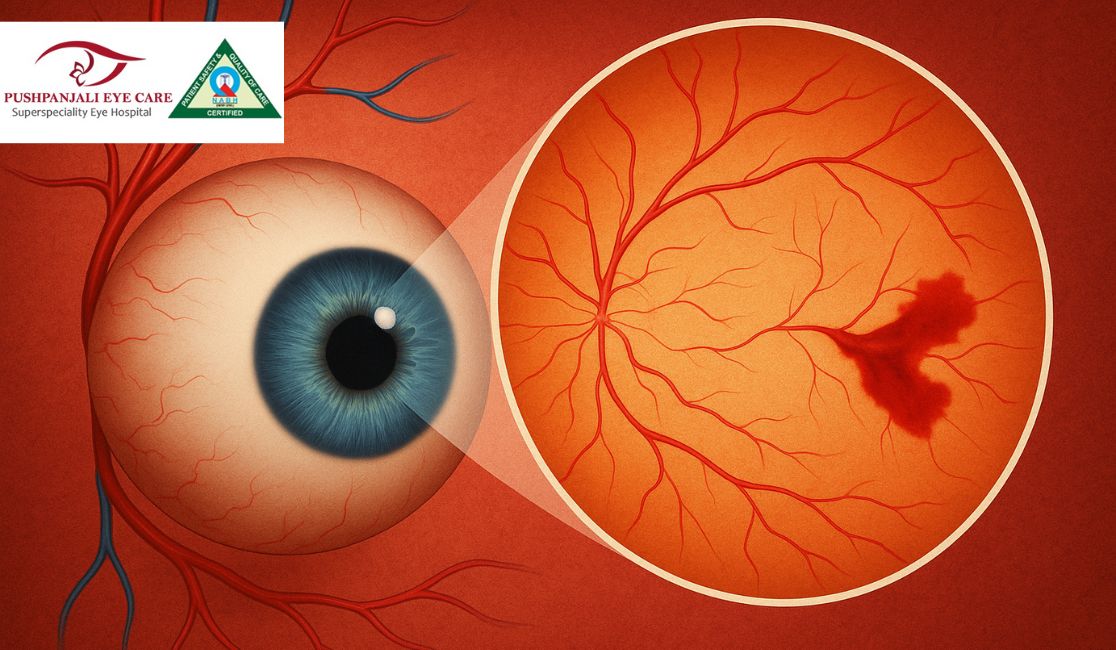
Diabetic retinopathy is a condition that affects those diagnosed with type 1 and type 2 diabetes. It occurs when excess glucose damages the blood vessels located in the retina. When injured, blood vessels can swell and leak blood, along with other fluids, into the retina. This causes cloudy vision, along with blurriness and floaters.

If left untreated, the symptoms of diabetic retinopathy worsen. You may experience empty areas in your vision as well as dark spots. Some report vision loss as well.

The Conclusion

Getting older doesn’t mean that you have to accept vision problems. One of the best ways to protect your eyes is with regular eye exams. An ophthalmologist can detect any underlying eye disease. Contact Pushpanjali Eye Care for improved eyesight and management of age-related eye diseases.

How Modern Technology in Eye Clinics Improves the Diagnosis Process

The field of eye care has undergone a transformative shift in the present years. All the thanks go to the integration of cutting-edge technologies. From artificial intelligence to advanced imaging systems, modern eye clinics are focusing on integrating the latest technology for proper diagnosis of your eye problems. For the best quality glaucoma treatment in Kolkata, the most experienced and reliable eye clinics utilize the latest technology. It is beneficial for higher patient outcomes and streamlined workflows. Now, we are discussing how key technologies enhance the diagnostics process in the eye clinic for better outcomes.

Significance of Advancement in Eye Care Technology

Eye care technology has advanced significantly from traditional tools, including manual eye charts and basic ophthalmoscopes. However, in the 21st century, with the help of cutting-edge technology, eye specialists can easily detect serious eye problems in patients within a short time. From advanced diagnostic systems to simplified surgical processes, modern eye care technology enhances the treatment process and improves the patient experience. This advanced technology in eye care treatment is useful for

  • Earlier detection of eye disease
  • Fast and accurate diagnosis process
  • Better surgical outcomes

How Modern Eye Care Technology Enhances Diagnosis Accuracy

Accurate diagnosis is vital for proper eye care. A minor error in the eye diagnosis can lead to serious eye complications. Thanks to the experienced and highly skilled eye doctor Kolkata, who utilizes the latest technology to treat any serious eye problem effectively.

1. Optical coherence tomography (OCT)

OCT is one of the most innovative diagnosis tools in ophthalmology. This non-invasive aging technique provides high-end solutions and cross-sectional views of the retina. This technology enables doctors to detect early signs of severe eye conditions, such as macular degeneration, glaucoma, and diabetic retinopathy, before visible symptoms appear.

2. Corneal topography

Corneal topography identifies the surface curvature of the cornea, which is essential for diagnosing conditions like Keratoconus and for planning the vision correction surgical process. When searching for an eye care hospital Kolkata on Google, consider whether the clinic utilizes the latest technology; this should be highly essential for you.

3. Artificial intelligence in eye care diagnosis

In the 21st century, AI-driven diagnostic tools are gradually gaining popularity and utility in analyzing retinal images, enabling doctors to detect eye diseases with exceptional accuracy. These artificial intelligence-powered tools can explore thousands of eye images within minutes and help doctors plan the treatment process early.

4. Retinal scanning and fundus photography process

Digital fundus cameras can capture detailed images of the back of the eye, helping specialists identify significant changes in the retina, blood vessels, and optic nerve over time. This technical advancement process is helpful in diagnosing and tracking diseases such as hypertensive retinopathy and diabetic retinopathy.

5. 3D imaging is helpful for surgical navigation

3D imaging systems are beneficial for easy operational processes and guide surgeons during complicated eye surgeries such as retinal detachment repairing surgery. This technology enhances visualization and improves patient safety during the delicate surgical process.

Use of Telemedicine and Remote Patient Monitoring for Eye Care

Since 2020, the usefulness of tele-ophthalmology has gained popularity for remote consultations and the easy screening of patients. While imaging the back portion of the eye is a challenging task, it is vital to introduce the latest technology.

  • For glaucoma patients at home, pressure monitoring is the blessing of the latest technological advancement.
  • Smartphone-based retinal imaging is helpful for underserved areas.
  • Virtual triage is useful, where patients upload eye selfies for preliminary assessments.

Conclusion

Modern technology is beneficial for easy eye diagnosis and provides accurate operational procedures to patients. Leading and highly experienced Pushpanjali Eye Care Clinic utilizes the latest technology to deliver exceptional eye care services to patients at an affordable rate. Our highly experienced and professional eye doctors always use the latest eye care technology for accurate diagnosis of any eye problem.

Early Warning Signs of Glaucoma You Shouldn’t Ignore

In India, 8.9 million people are blind, and 11.9 million people suffer from Glaucoma. In India, Glaucoma accounts for 12.8% of blindness (Source). This suggests that the situation in India is not ideal for maintaining healthy eyesight. Are you someone who is suffering from Glaucoma? Then, before things get worse, you need to get Glaucoma treatment in Kolkata.

Glaucoma is also known as the silent thief of sight. The primary reason is that it primarily affects the optic nerve, resulting in vision impairment. The optic nerve plays a primary role in conveying visual information from the eye directly to the brain. Due to unusually high eye pressure, people with Glaucoma often experience a loss of eyesight.

With early detection, you can dodge the bullet. Do you know that Glaucoma is commonly observed among the elderly? It is one of the most common causes of blindness for people aged 60 years(Source). That means this age group has a higher chance of having Glaucoma. In this article, we will provide guidance on the early detection of Glaucoma. So, let’s begin the topic.

Top Early Signs Show You Have Glaucoma

There are early warning signs, especially with certain types, such as acute angle-closure Glaucoma. Let’s investigate that in detail.

  • Tunnel vision in one or both eyes

When you lose the ability to perceive objects on either side of your vision, even while your gaze remains fixed straight ahead, this condition is known as peripheral vision loss (PVL). This impairment can significantly affect your awareness of your surroundings, making it challenging to detect movement or objects that lie outside your direct line of sight. If you are facing this issue, visit the best eye clinic in Kolkata. With appropriate treatment, you can recover from the danger.

  • Eye pain or pressure

You will experience pain or pressure in one eye, accompanied by brow pain or even headaches. This occurs primarily due to a sudden increase in intraocular pressure, a hallmark of acute angle-closure Glaucoma.

  • Nausea and vomiting

Acute Glaucoma manifests with a range of distressing symptoms, including significant ocular discomfort, a noticeable decline in visual acuity, and excessive tearing. Patients often experience associated systemic symptoms such as debilitating headaches, waves of nausea, and abdominal discomfort, all of which contribute to the overall sense of unease and urgency surrounding this condition. With the help of the best eye doctor in Kolkata, you can recover from the issue soon.

  • Frequent vision changes

If you often have to visit the doctor because your eyeglass prescriptions are changing rapidly, it’s a clear sign that you may be dealing with a serious underlying condition, such as Glaucoma. This situation suggests that your optic nerve may be experiencing strain or that your eye pressure is fluctuating significantly. These fluctuations can be a warning sign of potential damage to the delicate structures of your eye, underscoring the importance of regular eye examinations and closely monitoring any changes in your vision.

  • Excess tearing

A significant number of individuals battling Glaucoma also contend with the discomfort of dry eyes. Often, people endure the symptoms of dry eye without realizing they are affected, which can lead to prolonged pain. This is particularly prevalent among those with both Glaucoma and dry eye, as they may experience intense tearing that is both frequent and distressing. The dual burden of these conditions presents a complex challenge for many, making it essential to recognize and effectively address their symptoms.

These are some of the early signs that indicate you may have Glaucoma, and it’s essential to see a doctor soon to address the condition. Also, regular visits to your doctor can prevent it.

Uncovering the Myths and Real Facts about Laser Eye Surgery

Are you planning to experience laser eye surgery but hesitant about the procedure? With some misinformation circulating, people believe that laser eye surgery is a complex procedure. However, you may not be aware that laser eye surgery has already saved millions of lives from the need for contact lenses and glasses. Despite its enormous success due to some misconceptions, people feel hesitant about laser surgery.

However, if you visit the best eye doctor in Kolkata, you will surely experience the numerous benefits of laser eye surgery. However, before that, we must uncover the common myths about laser surgery and inform you about the real facts regarding laser eye surgery.

What is Laser Eye Surgery?

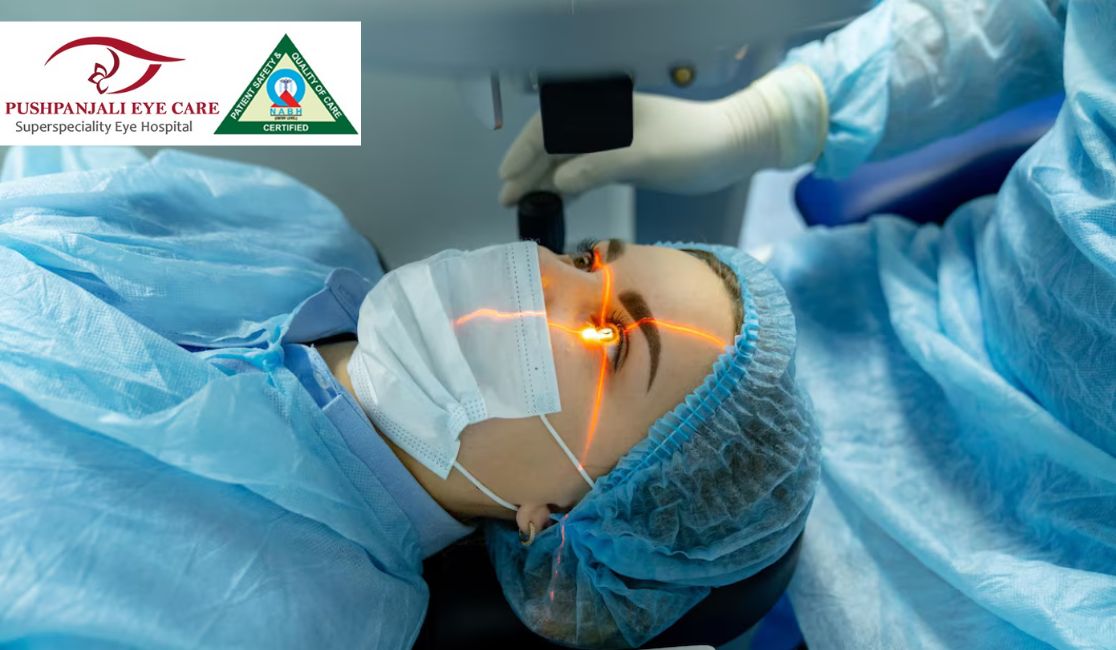
Laser eye surgery is a procedure where eye surgeons use a laser to modify the cornea, clear the front area of the eye, and correct vision problems such as astigmatism, farsightedness, and nearsightedness. The primary aim of laser surgery is to enhance your vision by allowing light to focus perfectly on your retina.

Even if you are searching for the best cataract treatment in Kolkata, consider opting for laser surgery. It is possible to remove cataracts using laser surgery with minimal to no pain. It must be the best solution for your cataract treatment.

Uncovering the Myths about Laser Eye Surgery

In this segment, we will uncover the myths about laser eye surgery and explain the real facts. Let’s have a look-

Laser eye surgery is painful

As we all know, pain during surgery must be a big issue, but you must be assured that you will never feel any pain or discomfort during laser eye surgery. The eye surgeon will apply eye drops before the operation to minimize pain during the procedure. You might feel slight pressure but no severe pain at all.

Laser eye surgery is unsafe

Laser eye surgery has undergone extensive experimentation and has been proven to be entirely safe, with a 100% success rate. The FDA approved the first laser eye surgery in the 1990s, and since then, it has been going successfully with the help of the latest technological advancements.

Laser eye surgery has long-term side effects

There is a misconception about laser eye surgery that states laser surgery causes long-term side effects. But it is totally wrong. With the aid of the latest technology, it is possible to minimize the risk of long-term complications. You may experience temporary side effects, such as dry eyes, but these can usually be resolved within a few weeks.

Anyone can experience laser eye surgery

It is a huge misconception that all age groups of people can experience laser eye surgery to get rid of glass or contact lenses. But it is wrong. Eye specialists must perform a comprehensive checkup, taking into account your age, health condition, and any relevant medical conditions, to determine if you are a suitable candidate for laser eye surgery.

All laser eye surgery clinics are the same

If you are searching for the top eye hospital near me for conducting laser surgery for your cataract treatment, do not choose any random clinic. Not all clinics possess the same level of expertise in laser eye surgery. Surgeon skill and technology matter the most. Choose a reputed eye hospital to experience the best laser surgery.

Conclusion

Suppose you want to experience customized treatment for laser eye surgery to treat any serious eye problem contact with PUSHPANJALI EYE CARE. We are the top eye hospital in Kolkata for laser surgery, providing you with the latest technology and impressive aftercare services.

Advanced Vitreo-Retinal Treatments for Vision

The retina plays a vital role in vision. This delicate layer of tissue is at the back of the eye. It converts light into electrical signals and is sent to the brain. It allows the person to see the world. Any issues with the retina can significantly impact the eyesight. The problem can range from minor blurriness to severe vision loss. That’s why regular check-ups from a skilled eye doctor Kolkata are essential. The retina can develop various problems over time. Early detection is the key to preventing permanent damage. Treatments like laser surgery can help to manage these conditions. Are you looking for advanced vitreo-retinal treatments for clear sight? Go through this blog and get fruitful insights about the causes, symptoms of retinal damages.

What Happens if the Retina is Damaged?

The damage to the retina can significantly impact vision. It can lead to various symptoms like blurred or distorted vision, floaters (small dark spots or lines), and even sudden loss of vision. Retinal damage can result in permanent vision loss or blindness if not treated early. Here are the complex conditions that occur:

Retinal Conditions

Any damage to the retina can lead to severe visual impairments. This is why a Retina Specialist in Kolkata is very important for maintaining optimal eye health. In India, over 11 million people are affected by retinal conditions. The contribution of retinal disorders to blindness in India increased from 4.7% in 2010 to 8% in 2019. So retinal health is very crucial for everybody. Here are some common retinal conditions that require consultation from a specialized eye doctor in Kolkata.

Diabetic retinopathy-

Diabetic retinopathy is a complication of diabetes and a leading cause of blindness. High blood sugar levels can damage the tiny blood vessels in the retina. It causes the leak of fluid or blood in the eye.

  • Initial symptoms might be mild or absent.
  • It can lead to blurred vision, floaters, dark spots, or complete vision loss.
  • Regular eye exams are vital for early detection, especially for individuals with diabetes.

Retinal Detachment

Retinal detachment is a serious issue. The retina pulls away from its normal position at the back of the eye. It is compared to the wallpaper peeling from the wall. Symptoms are usually sudden and include.

  • Sudden flashes of light in one or both eyes.
  • Sudden blurred or distorted vision.
  • A dark shadow or curtain type appears in the vision. It starts at the side of the eye and moves inward.
  • Sudden blurred or distorted vision.

A detached retina is a medical emergency. It needs immediate attention from an eye hospital near you to prevent permanent vision loss.

Age-related Macular Degeneration (AMD)

AMD condition affects the macula. It is the central part of the retina. It is responsible for the sharp and detailed vision. There are two main types of AMD: dry and wet. Symptoms include:

  • Blurred central vision
  • Distorted straight lines
  • Blind spot in the center of the vision

Retinal Tears and Holes

Retinal tears and holes can occur when the vitreous pulls on the retina. It creates a small break. Symptoms include:

  • It can cause flashes of light and new floaters.
  • Retinal tears can progress to retinal detachment.

Macular Hole

A small hole in the macula that can cause blurred or distorted central vision. It occurs due to vitreous traction on the macula.

Epiretinal Membrane

Epiretinal membrane is a thin transparent layer of scar tissue. It forms on the surface of the macula. It causes distorted vision.

Retinitis Pigmentosa

Retinitis Pigmentosa is a group of rare inherited eye diseases. It causes progressive vision loss. It starts with night blindness and leads to tunnel vision.

Treatment for Retinal Conditions

Treatment options for retinal conditions may vary depending on the specific conditions.

Laser Treatment

Laser treatment is used to seal retinal tears. It treats abnormal blood vessels in diabetic retinopathy. This process uses a focused laser beam to create tiny burns. This burn can seal leaks and create scars which results to hold retina in place.

Intravitreal injections

Intravitreal injections and medicines are injected into the eye.

The Conclusion

The patient must maintain good health, especially diabetes and high blood pressure. It is vital for protecting the retinal health. Regular eye exams with an eye doctor in Kolkata are essential for early detection and timely treatment. Many retinal conditions can be asymptomatic. The doctors provide the best possible care for complex retinal issues. For any concerns about your retina, you can contact Pushpanjali Eye Care for the best treatments.

How a High Blood Pressure’s Silent Damage to The Eyes

Do you know that more than 230 million Indians have high blood pressure, out of which more than 11% are between 15 and 49 years of age? (Source) The primary cause is our disorganized lifestyle. Hypertension, commonly referred to as high blood pressure, is one of the most prevalent and serious ailments affecting millions of individuals in the fast life of today’s world. This is especially alarming for our vision and health since high blood pressure can quietly destroy our vision if not treated. If it happens, think of getting the best laser eye surgery in Kolkata to restore your vision.

With a rich network of blood vessels that supply the retina, optic nerve, and other structures required for vision, the eyes are some of the body’s most delicate organs. But if you are curious about how high blood pressure can destroy your vision, then this article is exactly what you need. Here, we will look at this in depth, so please bear with us until the end.

Several Ways High Blood Pressure Can Destroy Your Eyes

High blood pressure can result in severe danger to your heart and kidneys but also to your eyes. Dangerous eye harm may develop silently, causing ignorance of danger until too late. It is important to know how high blood pressure can harm your sight in order to protect your sight and well-being.

Hypertensive retinopathy

Hypertensive retinopathy is a frequent eye condition associated with elevated blood pressure. It is found when the retinal blood vessels—the light-sensitive nerve tissue at the back of the eye—become narrowed, thicken, or leak due to high pressure. Hypertensive retinopathy is widespread among individuals over 40 years of age, as high blood pressure increases with age. Research has indicated that hypertensive retinopathy has been found in 4% to 18.7% of nondiabetic adults (Source). Blurring of vision, loss of vision, and minor changes, which are usually revealed during a thorough eye checkup, are the main manifestations. To correct the problem, you must consult the best eye clinic near me Kolkata.

Aggravation of pre-existing eye diseases

In diabetic retinopathy and glaucoma patients, high blood pressure accelerates the progression of these disorders drastically. Raised pressure in blood vessels enhances bleeding or leakage of fluids in the eyes of diabetic patients, increases intraocular pressure, worsens glaucoma, and accelerates optic nerve fiber damage. Blood pressure control is vital for maintaining the health of eyes and avoiding further complications.

The silent nature of damage

High blood pressure is harmful to the eyes, mainly due to the fact that the harm it does not manifest in any pain or noticeable symptoms. Most people may not even be aware that hypertension has begun to impact their vision until it has already seriously impaired their sight. This quietness of the disease explains the imperative necessity of regular eye checkups, particularly for those with a history of hypertension.

By taking these preventive measures, any potential issues can be identified in the early stages, and correction on time, along with keeping one’s eyesight intact, can be made easy. If you feel something is amiss with your eyesight, you may visit a good eye specialist near me Kolkata.

Increase the risk of eye stroke

High blood pressure can cause severe damage to the optic nerve and even occlude the retinal artery, commonly referred to as an eye stroke. This is a severe condition that arises when the arteries that provide the retina with blood are obstructed, leading to a loss of vision in one eye without any associated pain. If medical attention is not obtained immediately, the damage may be irreversible, leading to permanent visual loss.

In addition to being an unseen threat to your heart, high blood pressure can also affect your eyesight. By doing your best to manage your blood pressure and keeping an eye out for your vision, you can help preserve your eyes and encourage overall health. Keep in mind that your eyes do not always be the sign of the issue, but yearly screening can be a lifesaving step in detecting issues early before they become significant. Act today and protect your most precious sense—your vision.

Expert Care for Healthy Eyes and Better Vision

Glaucoma is a serious eye condition that can lead to permanent vision loss if not managed. It is often called the silent thief of sight. It typically progresses without noticeable symptoms in the early stage. It needs early detection. Glaucoma treatment in Kolkata is very important. In this blog we look about the glaucoma and their advanced treatment. It will help to gain fruitful insights.

What is Glaucoma?

Glaucoma is a group of eye conditions that damage the optic nerve. It occurs due to high intraocular pressure. This nerve is critical for vision. It transmits visual information from the eye to the brain. Glaucoma can lead to permanent vision loss and even blindness if not treated.

In India around 11.2 million who are aged 40 above in India have glaucoma. But only 20 percent of the people are aware of it. It is said by the experts on the World Glaucoma Day. The numbers can be increased by 70% if not detected.

Symptoms of glaucoma

Understanding the glaucoma is the key to timely intervention. Many types don’t show clear signs. Let’s see the symptoms below-

  • Gradual loss of vision- this is common in most cases if significant vision has been unnoticed.
  • Severe Eye Pain and Headache- these can be signs of acute angle closure glaucoma. It is a sudden and painful form that needs immediate treatment.
  • Blurred Vision – these symptoms can occur primarily in acute cases.
  • Red-Eye- this is another sign of acute angle closure glaucoma.

Regular check-ups are important because early symptoms are often absent. If anyone have risk factors like family history in glaucoma or age above 40 years. People having medical conditions like diabetes and high blood pressure, eye checkup are more important.

Diagnosing Glaucoma

Accurate diagnosis is the first stop towards glaucoma. An eye care hospital Kolkata will use a range of tests to detect glaucoma. These tests are usually quick and painless.

  • Eye Pressure Test (Tonometry) – Measures the pressure inside the eye.
  • Optic Nerve Assessment – It examines the optic nerve for signs of damage using specialized machines. This may involves dilating the pupils with the eye drops.
  • Visual Field test (Perimetry) – It checks for any blind spots in the side vision. The patient might be asked to press a button when lights appear in different parts of the vision.
  • Gonioscopy – This exam helps the doctor look at the drainage angle of the eye.
  • Pachymetry – Measures the thickness of the corneas. It can influence eye pressure readings.

Glaucoma Treatment Options

Glaucoma cannot be cured. But it can be changed to preserve vision. The goal of glaucoma treatment in Kolkata is to lower the pressure inside the eye. The specific treatment plan will depend on the type of the glaucoma eye care hospital in Kolkata will offer various options:

  • Eye drops– these are often the first line of treatment. Different types of eye drops work by reducing the production of fluid in the eye.
  • Prostaglandin Analogs are used to decrease fluid outflow.
  • Beta-blockers– decrease fluid production
  • Carbonic Anhydrase Inhibitors– it helps to reduce fluid production
  • Miotic agents– increase the fluid outflow.

Laser treatment

Laser procedures are recommended if eye drops are not enough. These are severe procedures that are performed under local anesthesia.

  • Laser Trabeculoplasty– a laser is used to open up the drainage tubes in the eye. It allows more fluid to drain and reducing the pressure.
  • Laser Iridotomy – for angle-closure glaucoma, a tiny hole is made in the iris to improve fluid drainage.
  • Cyclodiosde laser treatment– a laser is used to reduce the amount of fluid that an eye produces.

Importance of Regular Monitoring

Living with glaucoma means a lifelong commitment to eye care. Even after the treatment, regular checkups with the doctor at the eye care hospital in Kolkata are essential. This visit allows the doctor to:

  • Monitor the patient’s eye pressure.
  • Check the health of the optic nerve.
  • Perform tests to detect any change in vision.
  • Adjust the treatment plan as needed to ensure optimal eye health.

The Conclusion

Early diagnosis and consistent management are critical in preserving the vision when dealing with glaucoma. The patient can receive the best possible treatment to manage glaucoma by partnering with the eye care hospital in Kolkata. It also maintains the quality of life. If you are facing any problems in your eyesight contact Pushpanjali Eye Care for the best treatments.